

We may earn a commission when you buy through links on this page, at no extra cost to you. Learn more.
Frey white wine is a range of organic and biodynamic white wines made by Frey Vineyards in Mendocino County, California, featuring dry, fruit-forward styles such as Organic White, Sauvignon Blanc, Chardonnay, Pinot Grigio, and Viognier. The winery emphasizes certified organic grapes, minimal cellar intervention, and wines without added sulfites. Depending on the bottle, expect flavors ranging from citrus, pear, and melon to pineapple, peach, and tropical fruit. These whites work particularly well with seafood, poultry, fresh vegetables, and mild cheeses.
Frey Vineyards occupies a distinctive place in California’s organic wine industry. Its white wine selection includes approachable blends alongside varietal bottlings that express different grape characteristics. Understanding the differences between these wines makes it easier to choose a bottle for dinner, a casual gathering, or a relaxed afternoon glass. The following guide examines Frey’s winemaking approach, major white wine styles, tasting characteristics, food pairings, and practical serving advice.
Frey Vineyards and Its Mendocino Organic Winemaking Heritage
Frey white wine comes from a California winery with a long-standing commitment to organic agriculture and minimal-intervention winemaking. Located in Redwood Valley in Mendocino County, Frey Vineyards has produced organic and biodynamic wines since 1980. Its approach connects vineyard practices with decisions in the cellar, making organic certification and the absence of added sulfites important parts of the winery’s identity.
Mendocino County provides a suitable setting for producing several different white grape varieties. Its vineyards experience seasonal temperature changes that allow winemakers to work with grapes expressing citrus, orchard fruit, and tropical characteristics. Frey’s portfolio reflects this diversity through wines made from Sauvignon Blanc, Chardonnay, Viognier, and Pinot Grigio, alongside white blends.
The winery describes its winemaking philosophy as minimal manipulation. Rather than relying heavily on synthetic preservatives or colorants, Frey emphasizes the character of its grapes, soils, and growing conditions. Its organic wines use non-GMO certified organic yeast for fermentation, while its biodynamic portfolio uses native yeast naturally present on grape skins.
Organic and biodynamic production
Organic and biodynamic are related agricultural approaches, but they are not interchangeable terms. Organic certification establishes requirements for agricultural ingredients and permitted production practices. Biodynamic agriculture takes a broader farming approach that considers the vineyard as an interconnected agricultural ecosystem.
Frey produces wines in both categories. Its USDA Organic identity is particularly relevant to consumers interested in how grapes are grown and which winemaking ingredients are permitted. Biodynamic wines offer another expression of the winery’s agricultural philosophy, with attention to native yeast fermentation and vineyard practices.
Location also matters when understanding the portfolio. Redwood Valley is part of Mendocino County, a Northern California wine-producing area known for a range of grape varieties and growing conditions. Frey’s address is 11700 West Road, Redwood Valley, California. This regional identity appears throughout its white wine selection, including its Organic White and several varietal bottlings.
For readers comparing producers, Frey belongs among the established names covered in our broader Wine Brands collection. Its particular distinction is the combination of organic certification, biodynamic production, and a portfolio that includes both everyday white blends and individual grape varieties.
Frey White Wine Styles and Their Main Differences
Frey’s white wine selection includes several distinct styles, so the best choice depends on whether you prefer citrus-driven freshness, rounded orchard fruit, tropical aromas, or a richer texture. The Organic White blend is an approachable starting point, while Sauvignon Blanc, Chardonnay, Viognier, and Pinot Grigio provide more specific varietal characteristics.
The winery’s portfolio includes both organic and biodynamic expressions. The following comparison summarizes the principal white wine styles and the characteristics described by Frey.
| Wine style | Main flavor characteristics | Listed ABV | General style |
|---|---|---|---|
| Organic White | Citrus, Crenshaw melon, pear | 13.7% | Dry, crisp blend |
| Organic Sauvignon Blanc | Pineapple, passion fruit, lemon | 14.1% | Bright and aromatic |
| Organic Chardonnay | Pear, white peach, toast | 14% | Rounded and buttery |
| Organic Viognier | Asian pear, custard apple | 13.5% | Creamy and aromatic |
| Biodynamic Sauvignon Blanc | Lemon custard, pineapple, guava | 11.2% | Fresh and expressive |
| Biodynamic Chardonnay | Lemongrass, cherimoya, Gala apple, vanilla | 14.6% | Light and lively |
These alcohol figures are listed for the corresponding wines in Frey’s portfolio information and should be understood as specific bottling details rather than universal figures for each grape variety. Different vintages and releases can have different specifications. The table is useful for identifying broad stylistic differences, but flavor descriptions are more helpful than alcohol content alone when deciding which bottle suits a meal.
Organic White as an introduction
Frey Organic White is a dry white blend with citrus, Crenshaw melon, and pear characteristics. Its combination of fruit flavors and crisp texture makes it a flexible option for people who enjoy refreshing whites without wanting an especially sharp or aggressively aromatic style.
The blend’s listed alcohol content is 13.7% ABV. Frey recommends enjoying it with fried Halloumi cheese or pappardelle with fresh mint pesto. These suggestions illustrate its versatility: the wine’s fruit character can complement savory cheese, while its freshness helps balance the richness of a pasta dish.
Varietal alternatives
Organic Sauvignon Blanc is the more citrus-focused choice, Chardonnay offers a rounder profile, and Viognier brings a creamy texture with aromatic fruit. Pinot Grigio is another option within the portfolio for drinkers who appreciate stone fruit, citrus, and herbal notes.
Rather than assuming every Frey white tastes alike, consider the grape variety and production style first. This distinction is especially useful when moving from a general white blend to a bottle intended to accompany a particular dish.
Flavor Profiles of Frey’s Sauvignon Blanc, Chardonnay, and Other Whites
Frey’s white wines cover a useful range of fruit, acidity, and texture. Sauvignon Blanc tends toward citrus and tropical fruit, Chardonnay brings orchard fruit and a fuller impression, and Viognier offers fragrant pear-like flavors with a creamy mouthfeel. These differences are more meaningful for choosing a wine than simply selecting the bottle with the most familiar name.
Frey Organic Sauvignon Blanc is described with pineapple and passion fruit aromas, a lemony finish, and gentle acidity. Its combination of ripe tropical fruit and citrus gives it a recognizable Sauvignon Blanc character without making the wine seem limited to one flavor category.
An independent review provides another reference point. Wine Enthusiast awarded the 2024 Frey Organic Sauvignon Blanc 90 points and described aromas of honeydew melon, guava, citrus, peach, and cinnamon. Its palate included pink grapefruit, blood orange, oregano, and mineral notes. This range of flavors illustrates how a particular bottling can combine ripe fruit with savory and citrus details.
Chardonnay and a rounder texture
Chardonnay is generally a good choice for drinkers who prefer a more rounded white wine. Frey’s Organic Chardonnay features pear and white peach alongside toasty aromas and a buttery finish. These characteristics make it a useful alternative to the brighter, more citrus-driven Sauvignon Blanc.
Frey’s Biodynamic Chardonnay offers a somewhat different expression. The winery describes lemongrass and cherimoya aromas, cold Gala apple flavors, and a touch of vanilla associated with French oak. It is presented as a light and lively wine rather than an especially heavy or strongly oaked Chardonnay.
Viognier and Pinot Grigio
Viognier is known for aromatic fruit and a fuller impression on the palate. Frey’s Organic Viognier features Asian pear and custard apple, with a creamy mouthfeel. It makes sense for someone who wants a white wine with more fragrant character than a straightforward citrus-led style.
Pinot Grigio offers another direction. Wine Enthusiast awarded Frey’s 2024 Organic Pinot Grigio 90 points, describing fresh stone fruits, citrus blossoms, dried herbs, Meyer lemon, grapefruit, fennel, and a smooth mineral finish. These characteristics suggest a wine that can work with light meals while still offering enough flavor detail to enjoy on its own.
The differences between these grapes become particularly apparent when comparing them side by side. Sauvignon Blanc generally emphasizes higher acidity, while Chardonnay tends to have medium acidity. Viognier is more aromatic and textural, and Pinot Grigio can provide a balance of citrus and orchard-fruit characteristics.
Organic Certification and What No Added Sulfites Really Means
One of Frey’s defining characteristics is its commitment to wines without added sulfites. This is closely connected to the winery’s organic philosophy, but understanding the distinction between naturally occurring sulfites and added sulfites is important. A wine can contain naturally occurring sulfites even when the winemaker has not introduced additional sulfites during production.
Frey emphasizes that its organic wines are made without added sulfites. Its winery information also describes naturally occurring sulfite levels measured through testing. These details help explain the difference between a wine’s agricultural certification and its chemical composition.
Understanding USDA Organic wine
The USDA has specific requirements for alcoholic beverages carrying organic claims. Under its organic wine labeling rules, wine labeled simply as organic cannot contain added sulfites. Naturally occurring sulfites are permitted below 10 parts per million. This is different from wine labeled as made with organic grapes, which can contain added sulfur dioxide within the applicable limit of 100 parts per million.
The distinction matters because organic grapes do not automatically mean that a finished wine qualifies as USDA Organic wine. The certification applies to production and handling requirements, not merely the farming of the fruit.
The USDA also requires organic alcohol labels to satisfy applicable Alcohol and Tobacco Tax and Trade Bureau regulations. Its guidance explains that the use of added sulfites makes a wine eligible only for the made-with-organic-grapes labeling category rather than the full organic category.
Readers who want the regulatory details can consult the USDA’s organic alcohol requirements. This distinction is useful when comparing Frey with other producers that advertise organic grapes but use different cellar practices.
Does no added sulfites mean zero sulfites?
No. Sulfites can occur naturally during fermentation, so a wine made without added sulfites is not necessarily completely sulfite-free. The phrase describes a production decision: the winemaker does not deliberately add sulfites as a preservative.
Frey’s organic wines are designed around this approach, and the winery reports that naturally occurring sulfite measurements are generally very low. For example, its portfolio information lists naturally occurring sulfites for several individual bottlings. Those measurements can differ between wines and should not be treated as a single figure for the entire range.
It is also important not to assume that every wine described as natural or organic follows identical production rules. Certification, grape sourcing, fermentation, and cellar practices all influence the final product. Frey’s organic and biodynamic wines have their own production distinctions.
Tip: When comparing organic wines, look for the actual USDA Organic designation rather than relying only on phrases such as natural, sustainably produced, or made with organic grapes. These descriptions do not all establish the same production requirements.
Best Food Pairings for Frey White Wine
Frey white wine is particularly suitable for food because its selection includes both crisp and rounded styles. Sauvignon Blanc works with citrus-friendly seafood and fresh vegetables, Chardonnay complements richer dishes, and Organic White can accompany cheese, poultry, and pasta. Matching the wine’s acidity and texture to the food is more useful than choosing a bottle based on color alone.
Seafood and lighter dishes
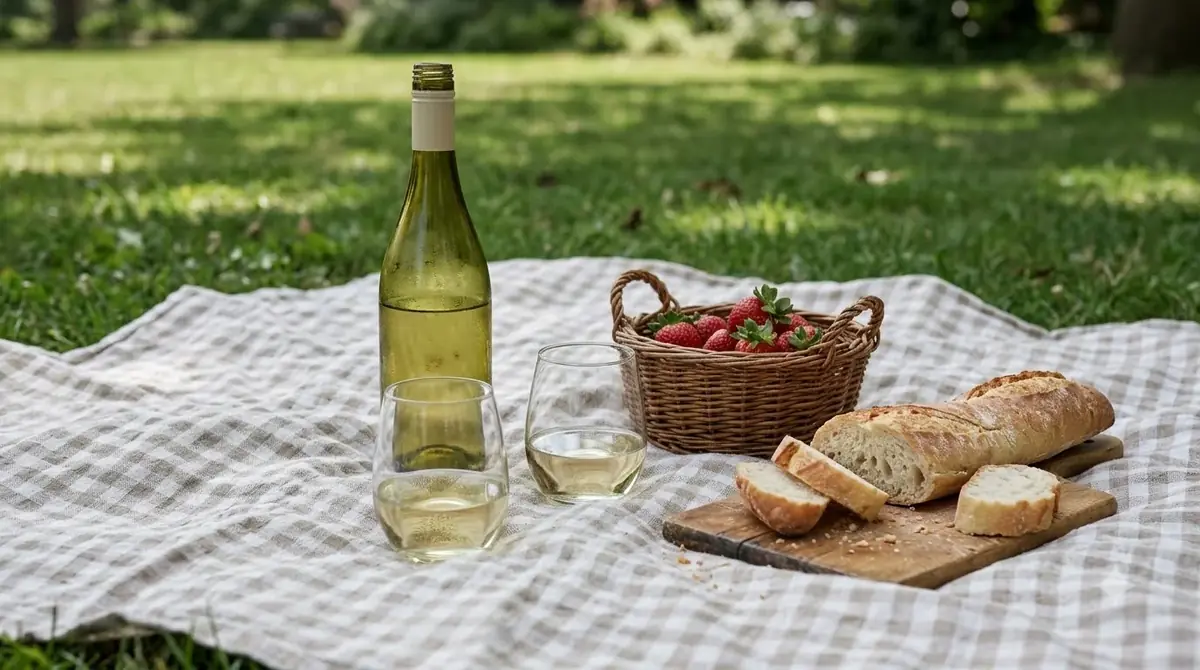
Frey Sauvignon Blanc is a natural choice for seafood. Its pineapple, passion fruit, and lemon characteristics work well with grilled shrimp, white fish, sushi, and seafood salads. The acidity helps refresh the palate between bites, while citrus flavors complement seafood preparations featuring lemon, herbs, or light dressings.
The winery specifically recommends its Sauvignon Blanc with sushi. This pairing works particularly well with fish that has delicate flavors and preparations that do not rely on heavy sauces. Avoid pairing a crisp white with excessively sweet sauces if the wine is dry, since the sweetness can make the wine seem sharper and less balanced.
Its biodynamic Sauvignon Blanc also suits Vietnamese spring rolls and minted honeydew melon salad. Fresh herbs, crisp vegetables, and fruit provide complementary flavors without overwhelming the wine’s tropical character.
Cheese, pasta, and poultry
Organic White is an appealing option with fried Halloumi cheese. The salty, savory character of the cheese can soften the impression of acidity and make the fruit flavors seem more expressive. Its pear and melon characteristics also work well with pasta dishes that include fresh herbs rather than heavy tomato-based sauces.
Frey specifically suggests pappardelle with fresh mint pesto. The herbal notes of mint provide a useful bridge to the wine’s fruit character, while the pasta adds enough substance to make the pairing suitable for a full meal.
Chardonnay is another strong candidate for richer food. Try it with roasted chicken, grilled summer squash, baked Brie, or a creamy vegetable soup. Its pear, white peach, and buttery characteristics can complement the soft textures and savory flavors of these dishes.
Vegetarian meals and aromatic dishes
Frey Sauvignon Blanc can also accompany spicy coconut lemongrass soup. Coconut provides richness, while lemongrass adds aromatic freshness. The wine’s tropical fruit and citrus notes create a natural connection with these ingredients.
Viognier can be especially appealing with dishes containing fragrant spices, roasted squash, or fruit-based sauces. Its creamy texture and Asian pear characteristics complement aromatic food without requiring an especially rich preparation.
For a simple gathering, Pinot Grigio works with vegetable salads, grilled zucchini, fresh goat cheese, and light pasta. Its citrus, stone fruit, and herbal characteristics can match several ingredients in a single dish.
Pairing considerations
Food sweetness, acidity, and richness all influence how a wine tastes. Very acidic dishes generally need wines with equal or higher acidity. Salty food can soften some of the wine’s sharper sensations, while creamy or fatty dishes often benefit from a white wine with sufficient freshness.
Chili heat deserves special attention. Alcohol can amplify the sensation of spice, so a relatively high-alcohol white may feel warmer alongside heavily seasoned food. For particularly hot dishes, choose preparations with moderate heat and enough fruit or creaminess to balance the combination.
Frey’s white selection offers enough variety to make these adjustments straightforward. A citrus-led Sauvignon Blanc, a rounded Chardonnay, and a creamy Viognier provide different options for meals with different levels of richness and seasoning.
Serving Temperature, Storage, and Opening Frey White Wine
Serving temperature can significantly change how a white wine smells and tastes. Frey’s crisp whites generally benefit from cooler service, while fuller styles such as Chardonnay can show more aromatic detail at a slightly warmer temperature. Proper storage also helps preserve freshness, especially for wines made without added sulfites.
Recommended serving temperatures
For light white wines, aim for 45–50 degrees Fahrenheit. This range is suitable for crisp styles such as Sauvignon Blanc and Pinot Grigio. Fuller-bodied whites, including richer Chardonnay expressions, generally benefit from 50–55 degrees Fahrenheit.
Serving a wine too cold can suppress its aromas and make the flavors seem less expressive. On the other hand, serving it too warm can make alcohol seem more prominent and reduce the refreshing impression that many white wines provide.
If a bottle has been refrigerated for several hours, allow a fuller Chardonnay to warm slightly in the glass before evaluating its aromas. Sauvignon Blanc and Pinot Grigio can generally be poured straight from the refrigerator after a short adjustment period.
Storage before opening
Store unopened white wine in a cool, dark location with a reasonably consistent temperature. A storage temperature near 55 degrees Fahrenheit is a useful target. Avoid placing bottles near ovens, radiators, sunny windows, or other sources of heat.
For bottles with traditional cork closures, horizontal storage helps keep the cork in contact with the wine. Temperature consistency is more important than making frequent adjustments to the storage environment.
Frey recommends consuming its white wines within approximately three years of the vintage under its stated storage guidance. This reflects the winery’s approach to its wines and reinforces that most of these bottles are intended to be enjoyed relatively young rather than stored for extended cellar aging.
After opening
Once opened, white wine should generally be recorked and stored in the refrigerator. Most still white wines remain enjoyable for approximately three to five days, although the precise period depends on the wine, storage conditions, and how much oxygen has entered the bottle.
Pouring smaller amounts and replacing the closure promptly helps limit unnecessary exposure to air. If the wine begins to lose its fresh fruit character or develops noticeably stale aromas, its best drinking period has probably passed.
A standard 750 ml bottle provides approximately five servings when poured in 5 oz portions. This makes it easy to plan the number of bottles needed for dinner without pouring overly large glasses.
For a relaxed tasting, serve two different Frey whites at their appropriate temperatures and compare their aromas. A Sauvignon Blanc alongside a Chardonnay is a particularly useful combination because the contrast between citrus-driven freshness and rounded orchard fruit is easy to recognize.
Choosing the Right Frey White Wine for Your Preferences
The right Frey bottle depends on your preferred flavor profile, the food being served, and whether you want a varietal wine or a blend. Organic White is a sensible starting point for approachable fruit and crispness, while the varietal wines offer more distinctive characteristics for specific occasions.
Choose Organic White for versatility
If you want a general-purpose white wine, Organic White is a straightforward choice. Its dry style, citrus, melon, and pear characteristics make it suitable for casual meals, picnics, cheese boards, and herb-focused pasta dishes.
It is also a useful option for gatherings where guests have different preferences. Its blend-based character offers a middle ground between highly aromatic whites and fuller-bodied styles.
Choose Sauvignon Blanc for freshness
If you prefer citrus and tropical fruit, Sauvignon Blanc is the better starting point. Its pineapple, passion fruit, and lemon characteristics work with seafood, sushi, vegetable dishes, and fresh salads.
The biodynamic Sauvignon Blanc offers a separate expression, with lemon custard, pineapple, and guava characteristics. Its listed alcohol content is 11.2% ABV, compared with 14.1% for the Organic Sauvignon Blanc described in Frey’s portfolio information. These are individual bottling specifications, not a general rule that biodynamic Sauvignon Blanc always has lower alcohol.
Choose Chardonnay for richness
Chardonnay is a practical choice when the meal includes roast chicken, soft cheese, or creamy vegetables. Its pear, peach, and buttery characteristics offer a fuller impression than the crispest white styles in the portfolio.
Frey’s Organic and Biodynamic Chardonnay also illustrate why production choices matter. The organic version is described with toast, pear, white peach, and a round finish, while the biodynamic version features lemongrass, cherimoya, Gala apple, and vanilla.
Choose Viognier or Pinot Grigio for variety
Viognier is worth considering if you enjoy aromatic wines with a creamy texture. Its Asian pear and custard apple flavors distinguish it from the more citrus-focused Sauvignon Blanc.
Pinot Grigio is an alternative for people who prefer stone fruit, Meyer lemon, grapefruit, herbs, and mineral characteristics. It is especially suitable for lighter meals and casual occasions where a refreshing white is more important than pronounced oak or richness.
For readers comparing Frey with other producers, it can also be useful to explore the broader Baron Philippe de Rothschild wine portfolio. Comparing different producers helps clarify how grape variety, regional origin, and winemaking decisions influence the final wine.
Frequently Asked Questions
Is Frey Vineyards the same company as a conventional wine brand called Frey?
The winery discussed here is Frey Vineyards, the Mendocino County producer based in Redwood Valley, California. Its official website identifies its location and provides information about its organic and biodynamic wine portfolio. Checking the producer name and California origin helps distinguish it from unrelated businesses or similarly named wine labels.
Does Frey white wine use animal-derived fining agents?
Frey’s trade materials identify several wines as vegan, but vegan suitability should be confirmed for the particular bottling rather than assumed for every wine in the portfolio. Fining practices can differ between producers and wines. Consumers following a strict vegan diet can request product-specific confirmation directly from the winery.
What is the difference between native yeast and organic yeast?
Organic yeast is a certified agricultural fermentation ingredient that meets applicable organic requirements. Native yeast refers to microorganisms naturally present on grape skins and in the winery environment. Frey describes using non-GMO certified organic yeast for its organic wines and naturally occurring native yeast for its biodynamic portfolio.
Does Frey produce sparkling white wine?
Yes. Frey’s wider portfolio includes sparkling-style releases such as Fizzy Chard, a nonvintage Chardonnay-based wine with fine effervescence. The winery describes citrus, pineapple, lemon chiffon, and pomelo zest characteristics for this release. It is a different experience from the still white wines discussed in most of this guide.
Can visitors taste Frey wines at the winery?
Frey Vineyards lists its tasting room at 11700 West Road in Redwood Valley, California. Its published visitor information gives regular tasting room hours of 11 a.m. to 5 p.m. daily, with later hours on Fridays. The winery asks parties of six or more to arrange a tasting in advance, so visitors should confirm current arrangements before traveling.
Frey white wine offers a varied introduction to Mendocino’s organic and biodynamic winemaking, with choices ranging from crisp Sauvignon Blanc to rounded Chardonnay and aromatic Viognier. Start with Organic White if you want versatility, or select a varietal bottling to match your preferred flavors and meal. Served at the right temperature and paired thoughtfully, these wines provide approachable options for everyday dining and special gatherings alike.
More in Wine Brands
 Underwood Wine Price: Compare Bottles, Cans, and Pack SizesUpdated Nov 21, 2026
 Zenato Wine Price: Compare Styles and Choose the Right BottleUpdated Nov 21, 2026
 Zuccardi Wine Price: Compare Bottles and Find the Right RangeUpdated Nov 21, 2026
 Yellow Tail Moscato Review: Taste, Sweetness and Serving TipsUpdated Nov 21, 2026
 Wolf Blass Yellow Label Review: Choose Your Best StyleUpdated Nov 21, 2026
 Wolffer Estate Rose Review: Choose the Right Bottle for Your TableUpdated Nov 21, 2026