

We may earn a commission when you buy through links on this page, at no extra cost to you. Learn more.
Yellow Tail Chardonnay is an Australian white wine from the Casella family winery, sold in several versions, including a standard Chardonnay, a Buttery Chardonnay, and a Light & Bright Chardonnay. The range is built for easy drinking, so the styles run from fresh and fruity to rich and creamy. This guide explains how the versions differ, how to serve them, and which foods suit each one.
Yellow Tail is one of the most familiar names on American wine shelves, and its Chardonnay is a common choice for guests who want a white that is not too sharp or too heavy. Knowing which version you have in hand makes a big difference to how it tastes at the table.
Where Yellow Tail Chardonnay Comes From
Yellow Tail is made by the Casella family, which runs a family-owned winery in Yenda, Australia. The brand’s website says the family has been making wine for six generations and traces its beginnings to 1957, when Filippo and Maria Casella moved from Sicily to Australia. The company says the wines were made to be shared at any occasion, and that approach shapes the whole range.
The brand’s site describes the portfolio as red, white, rosé, sparkling, sangria, and cocktail-style wines. The Chardonnay sits among the white wines, next to its Pinot Grigio and Sauvignon Blanc. Because the company groups its wines by style rather than by vineyard, the best guide to the Chardonnay itself is the description printed for each version. The lineup is large, so a shopper comparing several whites will find it easiest to start with the style descriptions and only then look at the label details.
The Three Chardonnay Versions
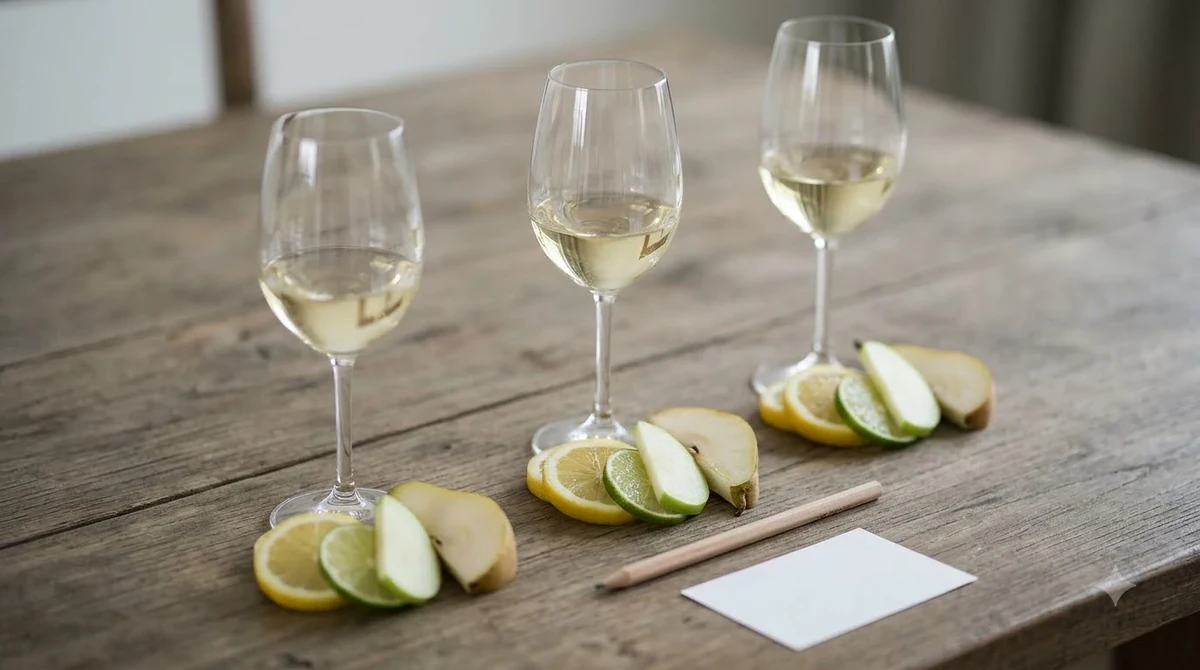
Yellow Tail lists three Chardonnay versions on its wines page, and each one has its own character. The standard Chardonnay is described as rich and smooth. The Buttery Chardonnay is described as rich and luscious, which points to a creamier, more full-bodied style. The Light & Bright Chardonnay is described as having fresh peach and melon flavors with a hint of vanilla.
These descriptions are the brand’s own, so they are a starting point rather than a lab-style analysis. Still, they give a clear sense of the range: the Light & Bright bottle leans fresh and fruit-driven, the standard version sits in the middle, and the Buttery bottle is the richest of the three.
| Version | How the brand describes it | Best suited to |
|---|---|---|
| Chardonnay | Rich and smooth | Chicken, pasta with light sauce, mild cheeses |
| Buttery Chardonnay | Rich and luscious | Lobster, creamy seafood dishes, buttery popcorn |
| Light & Bright Chardonnay | Fresh peach and melon, a hint of vanilla | Salads, grilled fish, light appetizers |
What Chardonnay Brings to the Glass
Chardonnay is grown in nearly every winemaking country, and its style depends heavily on climate and winemaking. Wine Folly’s Chardonnay guide explains that warmer sites produce riper fruit such as peach, apricot, and pineapple, while cooler sites lean toward citrus and green apple.
Winemaking shapes the texture. Malolactic fermentation turns sharp malic acid into softer lactic acid, which gives a creamy, rounded mouthfeel. Oak aging adds vanilla, butter, and toast. The Buttery Chardonnay leans most heavily on these techniques, while the Light & Bright version keeps the focus on fresh fruit.
How to Serve Yellow Tail Chardonnay
Wine Folly suggests serving unoaked Chardonnay at about 48°F (9°C) and oaked styles at about 54°F (12°C). Since the Yellow Tail range runs from light to rich, a useful rule is to chill the fresh versions a little colder and let the Buttery bottle warm slightly, so the creaminess shows without tasting flat.
Use a standard white wine glass for all three. The moderate bowl lets the peach and melon aromas of the Light & Bright version come forward, and it works just as well for the richer styles. Avoid serving any of them straight from a warm cabinet, because warmth makes the creamy versions taste heavier than they are.
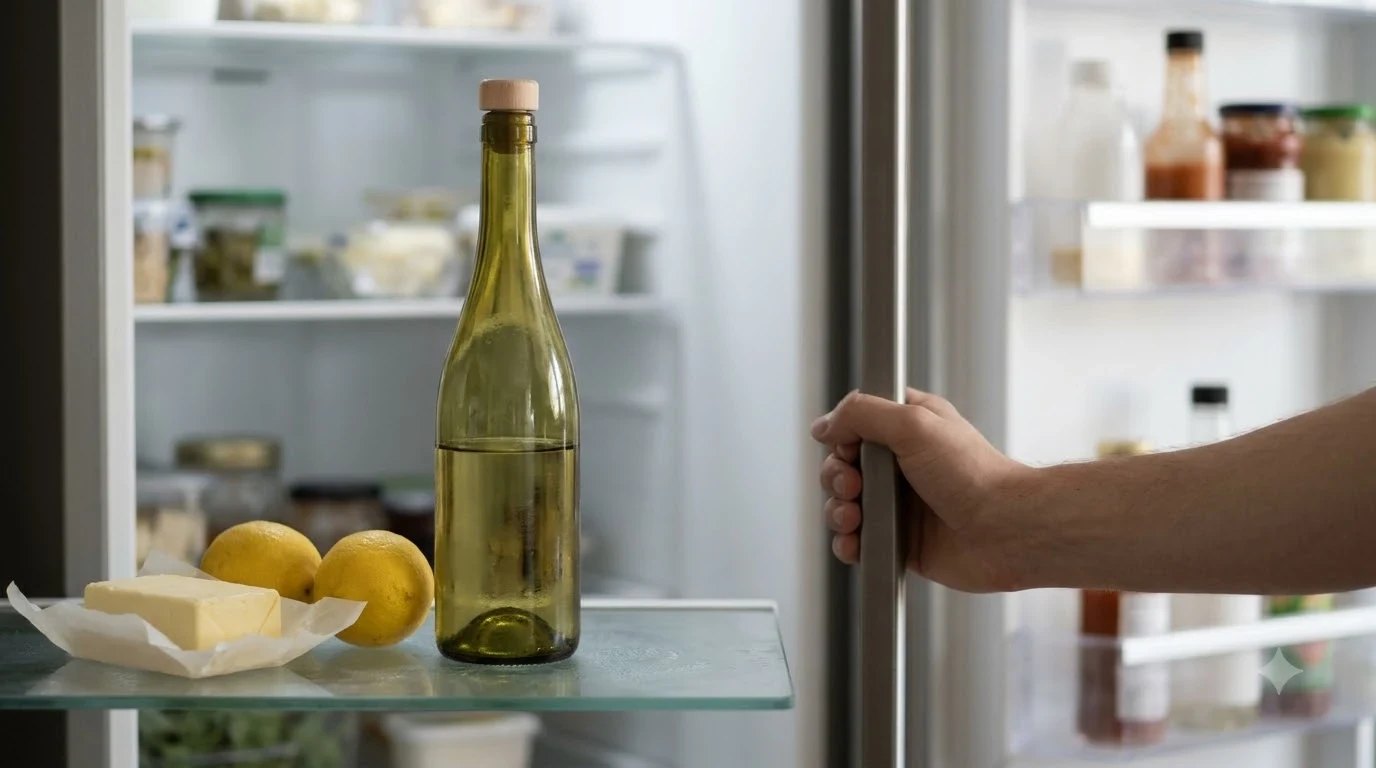
Tip: Put the bottle in the refrigerator about two hours before serving, then pour a glass and leave the rest in an ice bucket if the room is warm. That keeps the wine in range for the whole meal.
Food Pairings for Each Style
A simple way to plan is to match the wine to the main ingredient. Fish and shellfish suit the lighter bottles, poultry and pasta suit the standard version, and rich seafood or buttery sides suit the Buttery Chardonnay. Matching by weight keeps any of the three from being overpowered by the food.
Pairing is about matching weight and texture. The Light & Bright Chardonnay works with lighter food, such as grilled fish, shrimp salad, goat cheese, and vegetable dishes. Its fresh fruit lifts the flavors without overwhelming them.
The standard Chardonnay is flexible. It goes well with roast chicken, pasta in a light cream or lemon sauce, and mild cheeses. The Buttery Chardonnay can handle heavier dishes, including lobster, crab cakes, creamy risotto, and buttery popcorn at a movie night.
Who Each Version Suits
Hosts often buy more than one style for a party, which is a sensible approach. Pour the Light & Bright bottle first, since its freshness works as an aperitif, then move to the standard or Buttery version with the main course.
People who want a crisp, easy white for warm weather often reach for the Light & Bright bottle. Shoppers who like a fuller white with a soft finish usually choose the standard Chardonnay. Those who enjoy the creamy, toasty character of oak-influenced wine tend to prefer the Buttery version.
The brand’s homepage also describes a Light & Bright line of lighter-alcohol wines, which is a useful clue when you want a glass that feels easy after a long day. Keep in mind that the alcohol figure varies by bottling, so read the label for the exact percentage.
If you are trying to decide between styles, consider the food you plan to serve before the wine. For a broader picture of how the brand’s whites compare, the Yellow Tail Pinot Grigio offers a lighter, more acidic white, while the Yellow Tail Cabernet covers the red side of the range.
Frequently Asked Questions
Which Yellow Tail Chardonnay is the sweetest?
The brand does not publish sweetness levels for each version. The Light & Bright Chardonnay is the most fruit-forward and fresh, so it tends to taste the most fruity, while the standard and Buttery versions read as dry with a richer texture.
Is Yellow Tail Buttery Chardonnay oaked?
The brand describes the Buttery Chardonnay as rich and luscious, and buttery character in Chardonnay usually comes from malolactic fermentation and oak aging. Check the label for the producer’s own description of its oak treatment.
What temperature should Yellow Tail Chardonnay be served at?
Wine Folly suggests about 48°F (9°C) for unoaked Chardonnay and about 54°F (12°C) for oaked styles. Lighter versions taste best on the cooler side, and the richer Buttery bottle can be served slightly warmer.
What food goes best with Yellow Tail Chardonnay?
Roast chicken, pasta with light sauce, and mild cheeses suit the standard version. Grilled fish and salads match the Light & Bright bottle, and lobster or creamy seafood suits the Buttery version.
Yellow Tail Chardonnay offers a clear choice between fresh, standard, and rich styles, so the right bottle depends on the meal you are planning. Whichever you choose, a well-chilled glass makes the difference. Chill it to the right temperature, match the style to the food, and it will suit an easygoing dinner well. For the full range of brands and styles, see the wine brands guide.
More in Wine Brands
 Underwood Wine Price: Compare Bottles, Cans, and Pack SizesUpdated Nov 21, 2026
 Zenato Wine Price: Compare Styles and Choose the Right BottleUpdated Nov 21, 2026
 Zuccardi Wine Price: Compare Bottles and Find the Right RangeUpdated Nov 21, 2026
 Yellow Tail Moscato Review: Taste, Sweetness and Serving TipsUpdated Nov 21, 2026
 Wolf Blass Yellow Label Review: Choose Your Best StyleUpdated Nov 21, 2026
 Wolffer Estate Rose Review: Choose the Right Bottle for Your TableUpdated Nov 21, 2026