

We may earn a commission when you buy through links on this page, at no extra cost to you. Learn more.
McPherson Cellars wine comes from a Lubbock, Texas winery housed in a former Coca-Cola bottling plant, and it is built on fruit from the Texas High Plains. The estate traces its roots to Dr. Clinton “Doc” McPherson, who planted some of the first vines that produced true Texas wines, and the family still runs the label about forty years later.
If you have seen McPherson Cellars on a Texas wine list or a shelf in a US wine shop and want to know what the brand is about, this guide covers the history, the wine clubs, how to think about the style, and how to serve and pair the wines. The facts come from the winery’s own website, so where the site does not name a grape or a date, this guide says so rather than filling the gap.
The Lubbock Winery and Its Family History
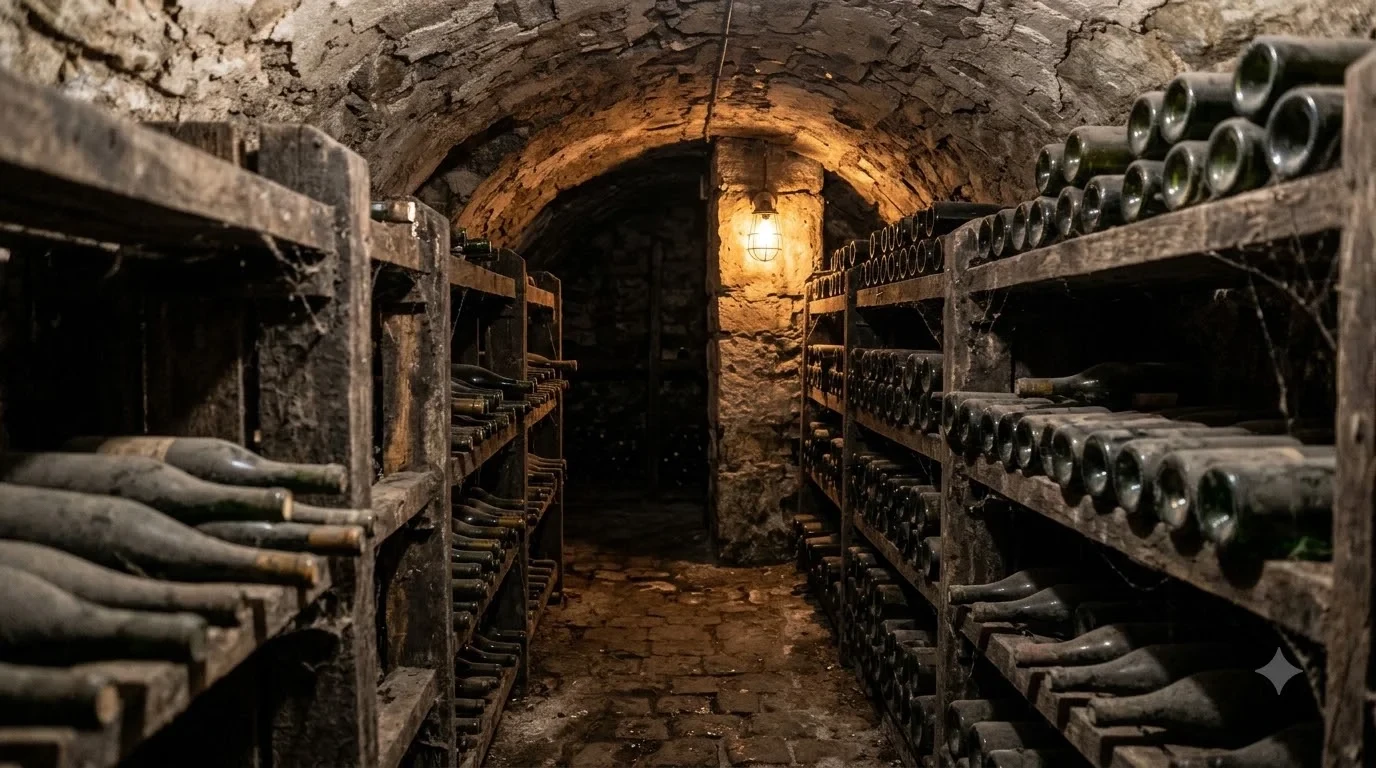
McPherson Cellars is a winery and event venue in downtown Lubbock, at 1615 Texas Avenue. The building is the old Coca-Cola bottling plant in the Depot District, and the winery’s website describes the tasting room as a working part of that historic space rather than a separate building added later.
The family story starts with Doc McPherson, who the site says planted some of the first vines that yielded true Texas wines in the early days of Texas grape growing. The site notes that the McPherson family continues his legacy about forty years later. It does not give a founding date for the winery itself, so readers who want that detail should check the winery’s own pages or a current directory of Texas wineries.
That history matters for buyers because it explains the brand’s focus. The winery is not presenting itself as a national label. It is presenting itself as a Texas estate that has grown grapes in the state for decades and that wants visitors to taste the place where the fruit grows.
Where the Grapes Come From and the Wine Style
McPherson Cellars sources its grapes from the Texas High Plains, which the winery describes as a high, dry region in Northwest Texas. The site frames this as a deliberate choice: the wines are described as crafted without compromise to show off what the High Plains can do, rather than to imitate wines from cooler regions.
The site describes the wines as warm-climate varieties from around the world, which tells you the portfolio is not built around a single signature grape. The text does not list specific varieties, so this guide does not name them. A reader who wants to know the grape in a given bottle should read the back label or ask the staff in the tasting room.
For a buyer, the useful takeaway is that a High Plains wine tends to be a warm-climate wine with ripe fruit and clear structure. That is a different experience from a cool-climate Pinot Noir or a lean Sauvignon Blanc, and it is worth tasting with that difference in mind.
| Wine program | What the winery says | How to use it |
|---|---|---|
| Sagmor club | Three exclusive releases a year, including red, white and rosé | Good for members who want a range of styles across the year |
| Block Select club | Three red wines twice a year, from small single-vineyard lots and classic red blends | Good for red-wine drinkers who want to follow one estate’s reds closely |
| Tasting room bottles | Wines poured and sold on site, with events held on the property | Good for visitors who want to try a flight before buying |
The Wine Clubs: Sagmor and Block Select
The winery runs two clubs, and each suits a different kind of drinker. Sagmor offers three exclusive releases a year, and the site lists red, white and rosé among them. That makes it a sensible choice for someone who wants a varied selection without having to choose a single style.
Block Select is the red-focused club. The site describes three red wines released twice a year, drawn from small single-vineyard lots and classic red blends. The Block Select reds are noted for their tannins and structure, which makes them a better fit for dinner with grilled meat than for a light afternoon pour. Members who want to compare how a single vineyard shows through year after year will find this club the more useful of the two.
Neither club is a guarantee of a particular grape or price. The website describes the programs in general terms, and details such as which vintage or blend ships in a given season may change. Check the current club page before you join.
How to Serve and Pair McPherson Cellars Wine
Serve the reds a little below room temperature, and give them a short time in the glass before you judge them. The tannins in a structured red soften with air, so a brief wait often shows more fruit and better balance than a bottle poured straight from the rack. Whites and rosés should be served cool, not cold, so the fruit still comes through.
The food pairing rule for this style is simple: match structure with protein and fat. A red with firm tannins works well with grilled beef, roast pork and aged cheeses. A rosé from a warm region can handle spicy barbecue, tacos and grilled vegetables. For a similar approach from another estate, Pedernales wine is worth comparing, because it also comes from a Texas winery with a clear regional identity.
Tip: If you visit, the tasting room and shaded patio open Tuesday through Saturday, from 12pm to 7pm. A flight lets you compare a few styles before you decide which bottle to take home.
Visiting, Buying and Getting the Most From the Wine
A visit to McPherson Cellars is easier to plan when you know the hours and the format. The tasting room and its shaded patio are open Tuesday through Saturday, and the venue also hosts events, so a weekend visit may be busier than a weekday one. The downtown location makes it easy to combine a tasting with a meal or a walk around the Depot District.
Buying is simplest in person, but the club releases make it easy to buy from a distance as well. If you are new to Texas wines, start with a single bottle of the red you find most interesting, then move to a white or rosé once you know what the estate does well. Keep notes on which wines you liked, because that will help you choose the next bottle when a new release arrives.
The cellar advice is practical rather than dramatic. Store bottles in a cool, dark place away from heat and light. Many reds are ready to open within a few years of release, and the structured ones reward a little patience. A rosé and a crisp white are best enjoyed young and cool.
Frequently Asked Questions
Where is McPherson Cellars located?
The winery is at 1615 Texas Avenue in downtown Lubbock, Texas, in the old Coca-Cola bottling plant in the Depot District. The site also describes the venue as a place for events as well as tastings.
What grapes does McPherson Cellars use?
The winery says its fruit comes from the Texas High Plains and describes its portfolio as warm-climate varieties from around the world. The website does not list each grape in the text, so check the bottle label for the variety in a specific wine.
Is McPherson Cellars a good place to learn about Texas wine?
It is a good place to start. The family story, the High Plains fruit and the clubs give a clear picture of how a Texas estate presents itself. Pair a visit with other regional producers to see how styles differ across the state.
Do I need to join a club to buy the wines?
No. The clubs are one way to receive releases, and the tasting room sells wine on site. Club membership is best for people who want a regular supply of specific releases, and the website has the current details on how each program works.
McPherson Cellars is a good example of a Texas estate that ties its wine to a specific place and a long family story. Try a red from the High Plains, compare it with a white or rosé, and see which style suits your table. For more context on how winery brands are grouped, the Wine Brands guide is a useful next read, and the official site at mcphersoncellars.com has the latest on tastings and clubs.
More in Wine Brands
 Underwood Wine Price: Compare Bottles, Cans, and Pack SizesUpdated Nov 21, 2026
 Zenato Wine Price: Compare Styles and Choose the Right BottleUpdated Nov 21, 2026
 Zuccardi Wine Price: Compare Bottles and Find the Right RangeUpdated Nov 21, 2026
 Yellow Tail Moscato Review: Taste, Sweetness and Serving TipsUpdated Nov 21, 2026
 Wolf Blass Yellow Label Review: Choose Your Best StyleUpdated Nov 21, 2026
 Wolffer Estate Rose Review: Choose the Right Bottle for Your TableUpdated Nov 21, 2026