

We may earn a commission when you buy through links on this page, at no extra cost to you. Learn more.
Ste Chapelle wine comes from Ste. Chapelle Winery, an Idaho producer founded in 1975 and based in Caldwell, in the Snake River Valley. The winery is named after La Sainte Chapelle in Paris, and it describes itself as the largest winery in Idaho. Its wines are grown in high-altitude vineyards in the Snake River Valley, which gives the brand a different growing story from the California and Washington bottles many shoppers reach for first.
This guide covers who makes Ste Chapelle wine, where the grapes come from, what kinds of wine the winery offers, and how to decide whether a bottle suits your table. It also explains how to read the brand’s claims with care, since many details come from the winery’s own materials.
Who Makes Ste Chapelle Wine
Ste. Chapelle Winery was founded in 1975, which makes it one of the older names in Idaho’s modern wine industry. The company’s address is 19348 Lowell Road in Caldwell, Idaho, and the winery’s own site lists the tasting room as open daily from late morning into the late afternoon.
The name comes from La Sainte Chapelle, the court chapel that Louis IX built in Paris during the 13th century. The winery’s about page explains the naming and does not present it as a link to French wine regions. Shoppers who see the name and assume a French origin should know the winery is an American producer.
The brand also describes itself as the largest winery in Idaho. That claim is the company’s own description, so it helps to treat it as a starting point rather than an independent ranking. It is still useful context when you compare Idaho wines with bottles from larger regions.
Where the Grapes Come From
The winery says its grapes come from high-altitude vineyards in the Snake River Valley. Elevation and a long growing season are often part of the appeal of Idaho fruit, because they can preserve acidity while allowing ripeness. The company does not name a specific American Viticultural Area on the page it published, so the most accurate description is simply Snake River Valley fruit.
Growing region matters because it shapes what the grape tastes like. Cool nights help keep white wines fresh, while warm days can build richer fruit in reds. When a producer is in a high-altitude region, the wine often shows more brightness than a similar grape grown in a warm, flat valley.
The Wine Styles to Look For
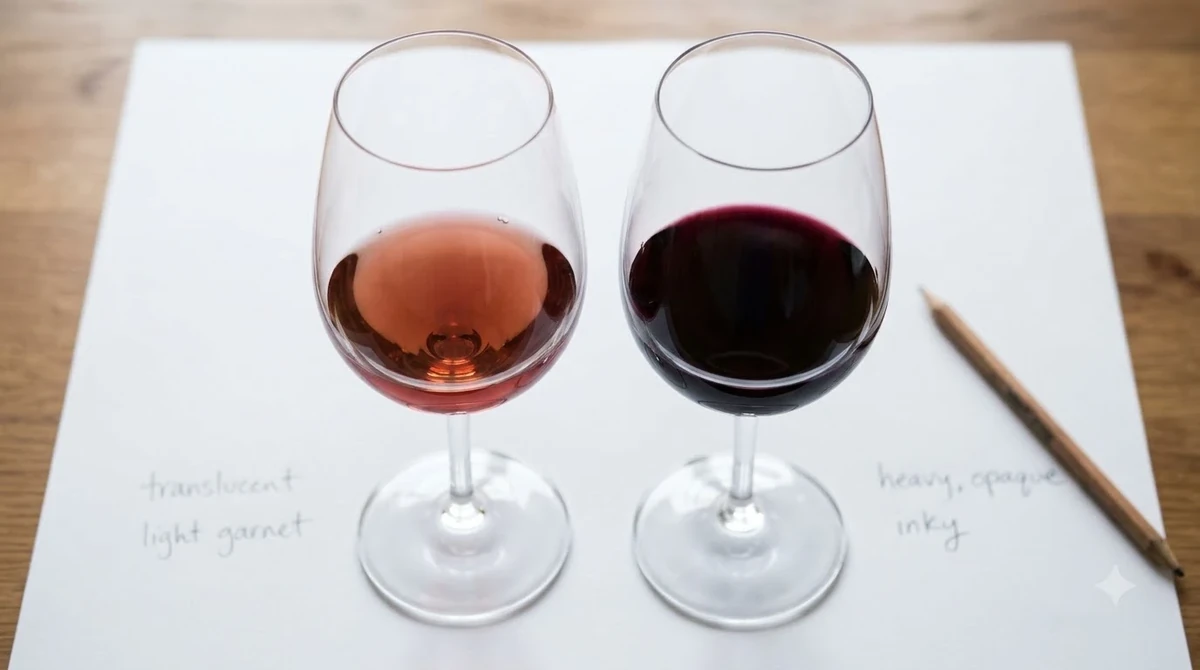
The winery’s recent material highlights a mix of whites and reds, including Voyagers, Muscat Blanc, Pinot Gris, Panoramic Merlot, and Malbec. Those names give you a sense of the range, but the page does not describe each style in detail. Use the label and the tasting notes on the product page to learn what each bottle tastes like before you commit to a case.
For white wines, Riesling is a useful benchmark for how Idaho and other cool-climate producers handle acidity. Wine Folly describes Riesling as a high-acid white that can range from bone-dry to very sweet, with lime, green apple, and jasmine notes. Off-dry styles pair well with spicy food, according to the same guide. That general guidance can help you judge any aromatic white from a cool-climate region.
| Wine type | What to expect | Good for |
|---|---|---|
| Aromatic whites (such as Muscat or Riesling style) | Light body, bright acidity, floral or citrus notes | Spicy dishes, shellfish, a warm-weather glass |
| Pinot Gris | Light to medium body, pear and stone fruit, soft texture | Chicken, salads, mild cheeses |
| Merlot and Malbec | Medium to full body, dark fruit, softer or firmer tannins | Roast meats, burgers, hearty stews |
How to Serve and Pair Ste Chapelle Wine
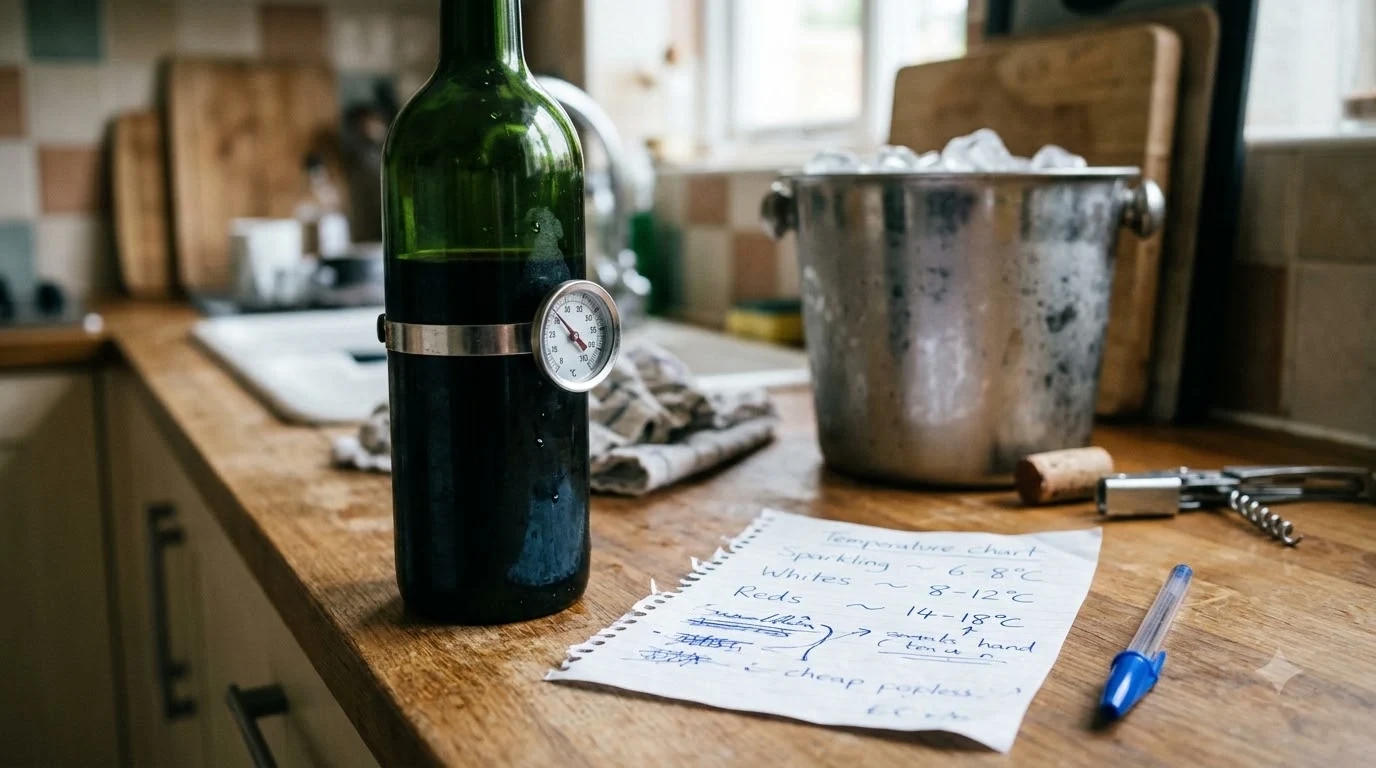
Serving temperature changes how a wine tastes. Wine Folly recommends serving Riesling at 38 to 45 degrees Fahrenheit in a white wine glass, and it notes that the style does not need decanting. Cooler temperatures keep the acidity lively, which matters for a wine built on freshness.
For reds such as Merlot or Malbec, serve slightly cooler than room temperature and let the glass sit for a few minutes after pouring. The aromas open as the wine warms. Pair medium-bodied reds with roast chicken, pork, or grilled vegetables, and save the fuller reds for grilled meats and rich sauces.
Tip: Match the sweetness of the wine to the heat of the food. A slightly sweet white can calm the heat of a spicy curry, while a dry white works better with delicate fish.
Buying Tips for Idaho Wine
Idaho wines are less common on store shelves than wines from California, Oregon, or Washington, so shoppers sometimes have to look a little harder. Start with the label to confirm the grape, the vintage, and the appellation or growing area. A Snake River Valley designation tells you more about the wine’s climate than a general “Idaho” label does.
Ask the retailer whether the bottle is a current release. Whites and rosés are usually best within a year or two of the vintage, while some reds can age longer. The winery’s recent promotions, such as its November sale covering several wines, can be a practical way to try a few styles at once without committing to a large order.
Build a small tasting plan before you buy. Choose one aromatic white, one lighter red, and one fuller red, then taste them over the same meal. That comparison shows how the region’s fruit and acidity behave across styles, and it makes it easier to decide which bottle to buy again. If you want a structured red for the fuller slot, a bottle of Spottswoode wine gives a useful contrast in style.
Keep an eye on storage as well. Store unopened bottles away from heat and direct light, and recork opened wine and refrigerate it if it is a white. Most wines keep their best character for a few days after opening, though fuller reds often hold up longer than whites.
Who Ste Chapelle Wine Suits
Buyers who want to explore Idaho wine and support a long-running regional producer are the natural audience for this brand. It also suits people who like to compare American wines from less familiar growing areas, since the Snake River Valley offers a different profile from the coastal California appellations many shoppers know.
Drinkers who want a specific, well-known varietal from a famous region may prefer to pair Ste Chapelle with a comparison bottle. Pairing it side by side with an established Chardonnay or Cabernet from another state can show you how regional style shapes the glass. A good next step is Chateau Ste Michelle Chardonnay, which gives a useful reference for a widely available white.
Frequently Asked Questions
Is Ste Chapelle wine from France?
No. The winery is in Caldwell, Idaho, and its grapes come from the Snake River Valley. The name refers to La Sainte Chapelle in Paris, which is a historic chapel rather than a wine region.
When was Ste. Chapelle Winery founded?
The winery says it was founded in 1975. It has since become a well-known name in Idaho, and it describes itself as the largest winery in the state.
What grapes does Ste Chapelle grow?
The winery’s recent materials mention several wines, including Pinot Gris, Muscat Blanc, Panoramic Merlot, and Malbec. Check the product label for the exact grape and style of each bottle.
How should I serve Ste Chapelle white wine?
Serve aromatic whites chilled, around 38 to 45 degrees Fahrenheit for Riesling-style wines, in a white wine glass. Cooler serving keeps the acidity fresh and balanced.
Ste Chapelle wine offers a window into Idaho’s wine industry, with a history that begins in 1975 and a growing area that sets it apart from better-known coastal regions. Start with an aromatic white to taste the region’s freshness, then move to a red if you want something richer. You can read the winery’s own account of its history on the Ste. Chapelle about page, and for background on Riesling style, see Wine Folly’s Riesling guide.
More in Wine Brands
 Underwood Wine Price: Compare Bottles, Cans, and Pack SizesUpdated Nov 21, 2026
 Zenato Wine Price: Compare Styles and Choose the Right BottleUpdated Nov 21, 2026
 Zuccardi Wine Price: Compare Bottles and Find the Right RangeUpdated Nov 21, 2026
 Yellow Tail Moscato Review: Taste, Sweetness and Serving TipsUpdated Nov 21, 2026
 Wolf Blass Yellow Label Review: Choose Your Best StyleUpdated Nov 21, 2026
 Wolffer Estate Rose Review: Choose the Right Bottle for Your TableUpdated Nov 21, 2026