

We may earn a commission when you buy through links on this page, at no extra cost to you. Learn more.
To understand how to keep white wine fresh, reseal the bottle immediately after pouring, store it upright in the refrigerator, and minimize its exposure to oxygen, heat, and light. Most opened white wines retain their best qualities for approximately 3–5 days when properly refrigerated. For unopened bottles, consistent cool storage and protection from sunlight help preserve delicate fruit aromas, acidity, and flavor. The right approach depends on whether the bottle is opened, unopened, or being chilled for immediate serving.
White wine is particularly appealing for its freshness, which often comes from bright citrus, orchard fruit, floral aromas, and refreshing acidity. However, these characteristics can change after exposure to oxygen and unfavorable storage conditions. A bottle of Sauvignon Blanc that tastes crisp on Monday may seem dull by Thursday if it has been left open on a warm kitchen counter. Fortunately, a few practical habits can make a meaningful difference. Whether you enjoy Chardonnay with dinner, pour Riesling at a gathering, or keep Pinot Grigio ready for an evening meal, proper storage helps you get more enjoyment from every bottle.
Why White Wine Loses Its Freshness
Oxygen exposure is the main reason an opened bottle gradually loses its original character. Heat, direct light, and unstable storage temperatures can also accelerate unwanted changes, particularly in delicate white wines.
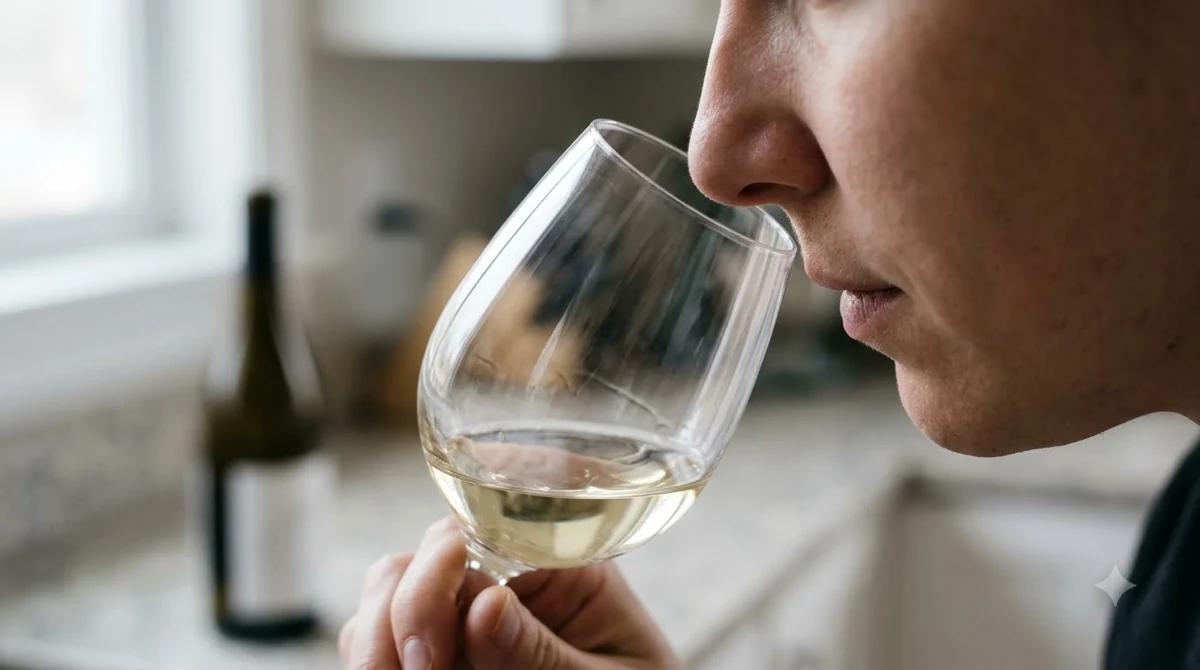
Once a bottle is opened, oxygen enters the wine and starts a series of chemical reactions. Oxidation gradually changes the wine’s aroma, flavor, and appearance. Fresh fruit notes can become less expressive, while crisp citrus and floral characteristics may give way to dull, bruised-fruit or nutty impressions.
Oxygen is not automatically harmful to every wine in every situation. Some wines benefit from controlled exposure to air before serving. However, extended contact with oxygen is generally undesirable when the goal is to preserve an already-opened bottle. The amount of wine remaining also matters. A bottle that is nearly full contains less air above the liquid than one with only a single glass left.
Heat makes the problem more noticeable because higher temperatures accelerate chemical reactions. Leaving a white wine bottle beside a sunny window, near an oven, or inside a warm car can compromise its freshness. Even an unopened bottle can suffer if it spends extended periods in an overheated environment.
Light is another consideration. Strong light, particularly direct sunlight, can damage wine aromas and flavors. This is one reason many white wines are sold in colored glass bottles. Keeping bottles in a dark cupboard or suitable wine refrigerator provides better protection than displaying them on an exposed kitchen shelf.
There is also a difference between a wine becoming less enjoyable and becoming undrinkable. A bottle that has lost its fresh fruit character is not necessarily spoiled in the same way as perishable food. However, if the aroma or appearance has become unpleasant, pouring another glass is unlikely to provide the experience the wine originally offered.
The Best Refrigerator Temperature for White Wine
For opened white wine, a regular refrigerator is the most practical storage choice. A cold environment slows oxidation, while the ideal temperature for serving depends on the wine’s body, style, and aromatic intensity.
Refrigeration is useful because lower temperatures slow the chemical processes responsible for wine deterioration. WSET explains that properly resealed opened wine can remain relatively fresh for up to five days in the refrigerator. Liebherr also identifies a typical refrigerated freshness window of 3–5 days for opened white and rosé wines.
For unopened bottles intended for longer storage, a dedicated wine refrigerator offers more consistent conditions than an ordinary kitchen refrigerator. Liebherr identifies 10–12°C (50–54°F) as an ideal general wine storage range. This is different from the colder temperature used to chill a bottle immediately before serving.
The following temperatures provide practical guidance for serving different white wine styles. They are serving temperatures rather than instructions for long-term storage.
| White wine style | Typical examples | Serving temperature |
|---|---|---|
| Light, crisp whites | Pinot Grigio, Sauvignon Blanc | 45–50°F |
| Aromatic whites | Dry Riesling, Chenin Blanc | 45–50°F |
| Full-bodied whites | Chardonnay, Viognier | 50–55°F |
| Sweet whites | Moscato, sweet Riesling | 43–50°F |
| White sparkling wines | Champagne, Cava, Prosecco | 40–50°F |
These ranges help prevent the common mistake of serving every white wine extremely cold. A light Sauvignon Blanc generally benefits from a colder serving temperature, while a fuller Chardonnay needs slightly more warmth to express its aromas and texture.
Wine Enthusiast discusses this distinction in its wine serving temperature recommendations, including professional guidance for light, dry whites and full-bodied Chardonnay. Very cold wine can have muted aromas, so a bottle taken directly from a cold refrigerator may benefit from several minutes at room temperature before pouring.
For an opened bottle, the priority is keeping the wine cold between servings rather than maintaining its ideal drinking temperature throughout the day. You can always let a glass warm slightly after pouring. Allowing an entire bottle to sit on the counter between glasses exposes all the remaining wine to warmer conditions unnecessarily.
How to Store an Opened Bottle Correctly
The best routine is straightforward: close the bottle, minimize the air inside, and place it upright in the refrigerator immediately after pouring. These three actions help preserve white wine without requiring expensive equipment.
Start by replacing the original closure as soon as you finish pouring. If the bottle has a screw cap, turn it back on securely. For a natural cork, use the clean end that originally contacted the wine only if it remains suitable for reinsertion. A reusable wine stopper is often easier and more convenient.
Next, store the bottle upright rather than horizontally. WSET specifically recommends upright storage for opened bottles because it reduces the surface area of wine exposed to oxygen. This is different from the traditional advice about storing certain unopened cork-sealed bottles on their sides.
Place the resealed bottle in the refrigerator promptly. The main refrigerator compartment is generally suitable for short-term storage. Keep it away from strong-smelling uncovered foods where possible, and avoid repeatedly leaving the bottle on a warm countertop for extended periods.
Another useful technique is to transfer the remaining wine into a smaller, clean bottle. For example, if approximately 250 ml remains in a standard 750 ml bottle, a smaller container with a secure screw cap can reduce the amount of empty space above the liquid. WSET also recommends this approach as a way to limit oxygen exposure.
Make sure the smaller bottle is clean and suitable for food contact. Avoid containers that retain strong odors or traces of cleaning products, since unwanted smells can interfere with the wine’s aroma. Fill the smaller container reasonably close to the top while leaving enough room for safe closure.
Tip: If you regularly have half a bottle left after dinner, keep a clean 375 ml bottle with a screw cap available. Transfer the remaining wine, close it tightly, and refrigerate it immediately. Reducing the air space can help preserve the wine’s fresh fruit character.
Consistency matters more than complicated routines. A bottle that is closed and chilled immediately after each serving will generally fare better than one that is left open for several hours before being refrigerated.
Wine Stoppers and Preservation Systems That Help
Airtight closures and wine preservation systems can reduce oxygen exposure after opening. For everyday white wine, a reliable reusable stopper is often sufficient, while vacuum pumps and inert-gas systems provide additional preservation options.
Reusable wine stoppers
A reusable wine stopper is one of the simplest accessories for keeping an opened bottle fresh. It replaces the original closure with a snug seal that limits further air exchange. Some models have flexible silicone edges, while others use locking mechanisms to hold the stopper firmly in place.
Choose a stopper designed for wine bottles rather than relying on an improvised covering. Plastic wrap or aluminum foil may cover the opening, but neither provides the same dependable seal as a properly fitted closure. A screw cap is equally practical when the original bottle uses one.
Vacuum wine pumps
A vacuum pump removes some of the air from the bottle before a special stopper seals the opening. This reduces the amount of oxygen in the remaining headspace and can slow the deterioration of still white wine.
WSET identifies vacuum systems as a commonly used preservation option in restaurants and bars. They are particularly convenient for people who regularly open bottles without finishing them during the same meal.
However, a vacuum pump does not reverse oxidation that has already occurred. It also does not guarantee that every wine will remain fresh for a particular number of additional days. Wine condition, remaining volume, closure quality, and storage temperature all influence the outcome.
Inert-gas preservation
Inert-gas systems use gases such as argon to create a protective layer above the wine. Because this layer limits direct contact with oxygen, the method can be useful for preserving more valuable still wines.
WSET describes argon-based systems as another preservation option, although they can be more expensive than basic vacuum pumps. These devices are most relevant to people who regularly open special bottles and want to preserve the remaining wine carefully.
One important distinction concerns sparkling wine. Vacuum pumps are not appropriate for Champagne, Cava, or Prosecco because removing air also removes carbonation. Use a dedicated sparkling wine stopper instead. For more information about serving and storing different bottles at gatherings, see our advice on how to keep wine cold at a party.
Storing Unopened White Wine at Home
Unopened white wine needs stable, cool storage rather than continuous exposure to the coldest possible refrigerator setting. A dark location with minimal temperature fluctuations is generally better for preserving a bottle intended for future enjoyment.
For everyday wines designed for early drinking, a few months in suitable household storage is usually straightforward. However, some white wines are made for longer aging, and their storage requirements can differ. The style, grape variety, winemaking approach, closure, and intended drinking window all influence how long a bottle can develop positively.
Liebherr identifies 10–12°C (50–54°F) as an ideal general storage range. The important point is consistency. A bottle stored at a stable temperature is generally better protected than one repeatedly moved between a warm room, a cold refrigerator, and a hot car.
Choose a dark storage location
Store bottles away from direct sunlight and strong artificial light. A cupboard, pantry, or dedicated wine refrigerator can provide better protection than a shelf near a window. This is particularly useful for delicate white wines whose fresh fruit and floral characteristics are central to their appeal.
Avoid placing wine beside an oven, radiator, or other heat-producing appliance. Even if the room feels comfortable, the temperature near these appliances can fluctuate considerably. A storage location in the coolest consistent part of the home is a better choice.
Consider humidity and bottle position
Liebherr recommends relative humidity between 50% and 80% for general wine storage. Suitable humidity helps protect corks from drying out, although the importance of this factor depends partly on the closure used.
Traditional cork-sealed bottles are commonly stored on their sides to maintain contact between the wine and the cork. Screw-cap bottles do not require this arrangement. After opening, however, WSET recommends storing all bottles upright to reduce the wine’s exposed surface area.
Limit vibration and unwanted odors
Avoid placing long-term wine storage near equipment that produces frequent vibration. A quiet, stable cupboard is preferable to a shelf directly above a washing machine or beside a constantly operating appliance.
Odors also deserve attention. Strong-smelling cleaning products, paint, and other household chemicals should not be stored alongside wine. A dedicated wine refrigerator can help create a more controlled environment with protection from light, odors, and temperature fluctuations.
If you have several bottles stored at home, our guide to how long you can keep wine in a wine fridge provides additional guidance on storage periods and suitable conditions.
How Long White Wine Stays Fresh and How to Recognize Changes
Most opened white wines are best enjoyed within 3–5 days when properly resealed and refrigerated. Their condition can change sooner or later depending on the style, oxygen exposure, remaining bottle volume, and storage conditions.
The following estimates are useful starting points for planning how to use leftover wine. They describe typical freshness windows rather than guaranteed expiration dates.
| Wine category | Typical storage period after opening | Recommended storage |
|---|---|---|
| Still white wine | 3–5 days | Resealed and refrigerated |
| Rosé wine | 3–5 days | Resealed and refrigerated |
| Sparkling wine | 1–3 days | Dedicated sparkling stopper and refrigerator |
| Fortified wine | Several weeks, depending on style | Properly sealed and stored appropriately |
| Bag-in-box wine | 4–6 weeks after opening | Closed dispensing tap and suitable storage |
Still white wine has a relatively short freshness window because its aromas can be sensitive to oxygen. A crisp Albariño or Sauvignon Blanc may lose some of its lively citrus character before a richer Chardonnay shows obvious changes. This does not mean one grape variety is always more durable than another, but it illustrates why wine style matters.
Signs that white wine has changed
Start with the aroma. Fresh white wines commonly show citrus, apple, pear, stone fruit, herbs, or floral notes. If those characteristics have faded and been replaced by bruised apple, stale nuts, or an unusually flat smell, oxidation may have affected the wine.
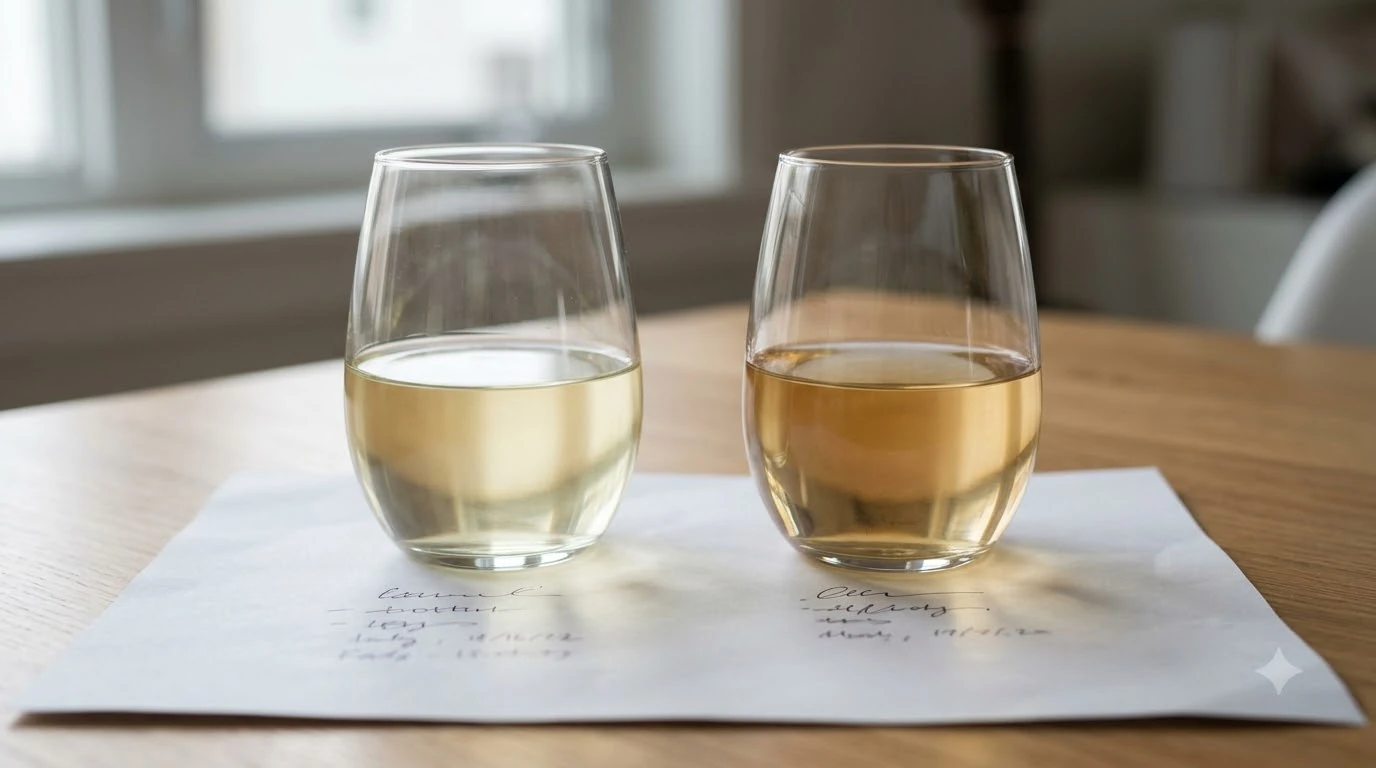
Appearance can provide another clue. Some white wines become darker or more golden as oxidation progresses. A noticeable change from the wine’s original color, especially alongside a tired aroma, can indicate that freshness has declined.
Flavor is equally important. A previously crisp wine may taste flat, less fruity, or unusually heavy. A fresh Sauvignon Blanc that once showed lime and green apple may no longer have the same lively character. Similarly, a Chardonnay may lose some of its fresh pear or citrus impressions.
Not every change in color or aroma indicates a problem. Some white wines naturally develop deeper colors and more complex aromas as they mature. The important distinction is whether the wine has developed as intended or has become unpleasant through poor storage and oxidation.
If a bottle smells strongly of vinegar or has an unpleasant, stale character, it is unlikely to offer an enjoyable glass. Do not assume that a preservation stopper can restore its original condition. Prevention is more effective than trying to reverse changes after they occur.
Frequently Asked Questions
Can you put white wine in the freezer to chill it quickly?
Yes, a short period in the freezer can chill a bottle, but it requires close attention. Set a timer and remove the bottle before the wine freezes. Freezing can cause liquid expansion, push out the closure, or damage the bottle, so an ice-water bath is a more dependable alternative.
Does white wine lose its freshness if it gets shaken?
Brief movement during transportation does not automatically ruin white wine. However, repeated vibration is undesirable for bottles intended for longer storage because it can disturb their maturation conditions. Allow a recently transported bottle to settle before opening, particularly if sediment is present.
Can you use leftover white wine for cooking?
Yes, leftover white wine can be useful in recipes such as risotto, pan sauces, seafood dishes, and cream-based sauces. Dry Sauvignon Blanc and unoaked Chardonnay are practical choices for many savory recipes. Avoid using wine with strongly unpleasant oxidation aromas because cooking will not reliably remove those characteristics.
Does a screw-cap white wine need to be stored differently from a cork-sealed bottle?
Both types should be closed securely and refrigerated after opening. Screw caps are convenient because they can usually be replaced without an additional stopper. For unopened long-term storage, screw-cap bottles do not need to lie horizontally to keep a cork moist.
Can old unopened white wine still taste fresh after several years?
Some white wines are designed to be enjoyed young, while others are made to develop additional complexity over several years. High-quality Riesling and certain Chardonnay styles can age successfully under suitable conditions. Their development depends on the wine’s structure, acidity, winemaking, and storage history rather than age alone.
Keeping white wine fresh is mainly about controlling oxygen, temperature, and light. For an opened bottle, use a secure stopper, store it upright, and refrigerate it promptly, aiming to enjoy it within 3–5 days. For unopened bottles, choose a cool, dark, stable storage location and serve each wine at a temperature that allows its aromas and flavors to show clearly. These simple habits help preserve the character that makes a good white wine enjoyable from the first glass to the last.
More in Wine Basics
 What Is The Best Wine For Mimosas? Choose Bubbly That Balances Orange JuiceUpdated Nov 20, 2026
 Which Prosecco Is Best for Your Taste and OccasionUpdated Nov 20, 2026
 Which Wine Is Best For Health? Understand the Risks and BenefitsUpdated Nov 20, 2026
 Which Champagne Is Best for Your Taste and OccasionUpdated Nov 20, 2026
 What To Put In A Wine Gift Basket For A Thoughtful, Memorable GiftUpdated Nov 20, 2026
 What Is the Best Wine for Mulled Wine? Choose a Smooth, Fruity RedUpdated Nov 20, 2026