

We may earn a commission when you buy through links on this page, at no extra cost to you. Learn more.
Stags Leap wine comes from Stag’s Leap Wine Cellars, a Napa Valley estate at 5766 Silverado Trail, known for structured Cabernet Sauvignon grown in its own vineyards. The house aims for a balance of richness and elegance, and its best-known bottling is a 1973 S.L.V. Cabernet Sauvignon that won the top red honor at the 1976 Judgment of Paris competition.
If you have seen this name on a restaurant list or a shop shelf and want to know what sets it apart, this guide covers who makes the wine, how the style reads, how to serve it, and what to eat with it. The facts come from the winery’s own website and from critic quotes the site reproduces, so you can check each claim against the source.
Who Makes Stags Leap Wine
Stag’s Leap Wine Cellars is a Napa Valley estate that names its wines after its own vineyards. The website points to two estate sites, Fay and S.L.V., and describes single-vineyard bottlings made from them. The page credits a winemaking team led by Marcus Notaro, who the winery says handcrafts each wine.
The estate sits on the Silverado Trail, and the site describes its vineyards as set against the Stags Leap Palisades. For a buyer, the practical point is that the label usually tells you the estate and, in some bottlings, the single vineyard. That makes it easier to compare one year with another or one vineyard with the next.
Cabernet Sauvignon and the House Style
Cabernet Sauvignon is the variety most people associate with the winery, and it is the wine the critics discuss most often. The brand’s own description leans toward balance rather than sheer weight. The site talks about a blend of richness and elegance, and of softness and structure, in the same glass.
Critics have used memorable phrases for this style. The winery’s site quotes James Molesworth of Wine Spectator on “elegance and purity, with latent length and an ability to age well.” The Wine Advocate describes the wines as “an iron fist in a velvet glove,” a line that points to firm structure under a polished surface. Both quotes suggest a wine that rewards a few years in the cellar and does not peak on release.
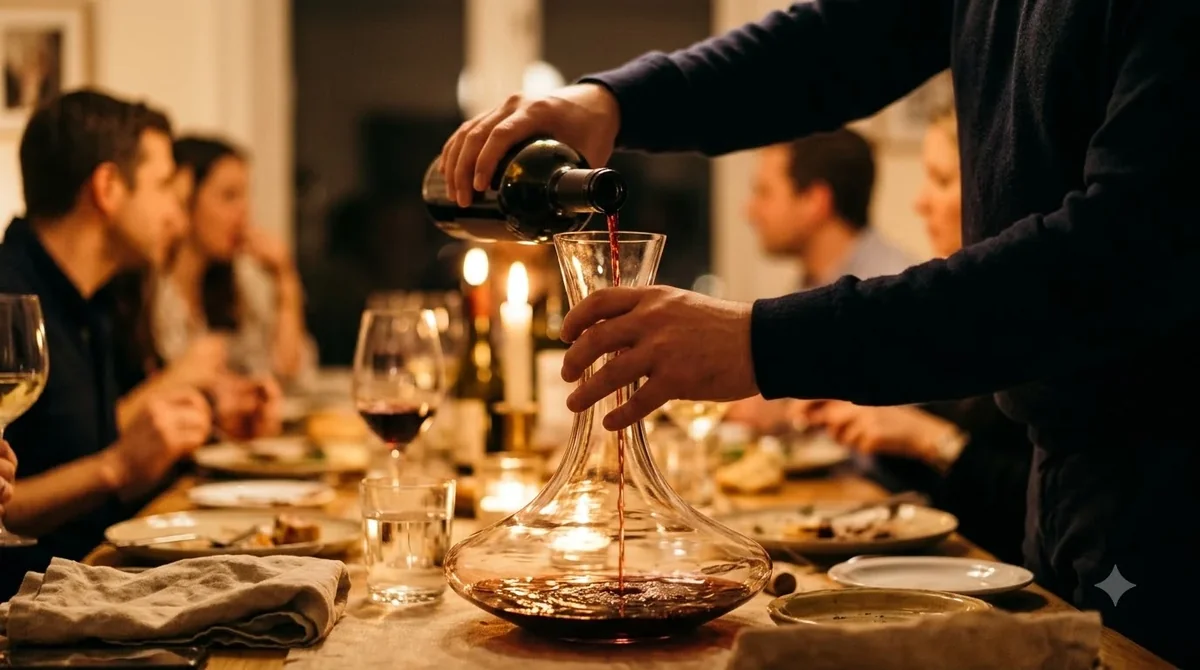
Because the style is built on structure, these are wines that show their character more clearly with food and time. Young bottles can feel tight, so many drinkers give them an hour in a decanter or a few years in a cool cellar before opening.
The 1976 Judgment of Paris Result
The winery’s history is tied to one of the most cited results in California wine. The site says its 1973 S.L.V. Cabernet Sauvignon received the highest red wine honor at the 1976 Judgment of Paris tasting, a blind comparison in which California bottles were judged against leading French wines.
The result is not the whole story of the estate, and it should not be treated as a guarantee for every vintage. What it does show is that the winery’s Cabernet was already being measured against the best Bordeaux of its day, and that the estate’s reputation has been built on that kind of direct comparison ever since.
| Bottling style | What to expect | Good with |
|---|---|---|
| Estate Cabernet Sauvignon | Firm structure, rich fruit, an approachable front palate when young | Grilled steak, roast lamb, aged cheddar |
| Single-vineyard S.L.V. bottling | Greater concentration and length, built for cellaring | Braised short ribs, mushroom dishes, hard cheeses |
| Fay vineyard bottling | A second estate site, showing how the house style shifts with place | Herb-roasted chicken, dishes with tomato or olive |
How to Serve and Pair Stags Leap Wine
Serve red Cabernet a little cooler than the room, not chilled, so the fruit and structure both show. Pour it into a wide glass and give it a few minutes of air. For younger bottles, a short decant helps the wine open. Older bottles usually need gentler handling and a careful pour to keep any sediment in the bottle.
The food rule is simple: match weight with weight. The firm tannins in a structured Cabernet pair well with fat and protein, and the fruit works with sweet-savory sauces. If you are building a shortlist of similar Napa bottles, Spottswoode wine is a useful comparison because it also centers on Cabernet from a family estate.
Tip: Buy one bottle from the estate’s main range before you commit to a single-vineyard bottling. The main wine gives you the house style at a lower commitment, and the single-vineyard bottlings make more sense once you know what the estate tastes like.
Buying, Storing and Reading the Label
Buying a Napa Cabernet is easier when you know what the label is telling you. The estate name comes first, followed by the vintage, and then the vineyard name if the bottle is a single-vineyard wine. Those three pieces are the quickest way to tell a house wine from a more specific bottling.
Storage matters more for this style than for a light, fresh white. Keep bottles lying on their side in a dark place where the temperature stays steady, away from the heat of a kitchen or a window. A cool closet or a basic wine fridge works well if you plan to hold the wine for several years. Avoid storing it in a warm car or on top of an appliance that gives off heat.
When you shop, look for a vintage you can find again. Estate wines from a single producer often vary with the growing season, and a steady, recent vintage makes it easier to compare bottles. If a shop has several years of the same wine, buy one bottle of each to see how the style changes. Ask the staff whether the wine is sold through the winery or through distributors, since that can affect how quickly a bottle reaches the shelf.
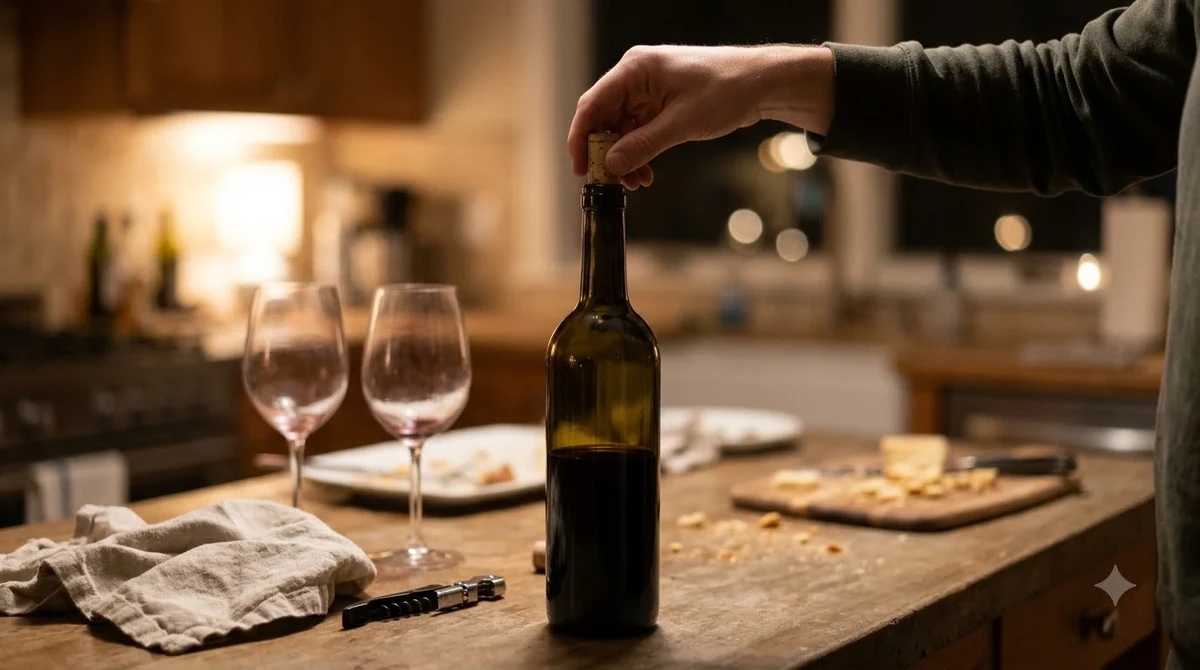
After opening, a Cabernet will hold its shape for a day or two when it is re-corked and kept cool. The flavors flatten more quickly than the structure does, so an older bottle that you plan to finish over several evenings is best kept in a cool spot and checked by smell and taste before each pour.
Frequently Asked Questions
Is Stags Leap wine the same as Stag’s Leap Wine Cellars?
Yes. The name on the label is the winery name, and the estate’s site is the main place to confirm which wine is which. Check the vineyard name on the back label if you want a specific bottling.
What is the best way to start with this winery?
Start with the estate Cabernet Sauvignon. It shows the house style, and it gives you a baseline before you try a single-vineyard wine that may cost more and need more time in the cellar.
Does Stags Leap wine need to age?
Many of its Cabernets are built to age, according to critics quoted on the winery’s site. A young bottle can be enjoyable, but it often opens up more after several years of cellaring.
Where can I learn more about the estate?
The winery’s website at stagsleapwinecellars.com lists the estate vineyards and the winemaking team. For wider context on how Napa producers are grouped, the Wine Brands guide is a good next step.
Stags Leap wine rewards patience and a little study. Learn the estate names, read the vintage on the label, and compare a young bottle with an older one if you can. If you want to explore other producers after this, Pedernales wine offers another American red to compare against this one.
More in Wine Brands
 Underwood Wine Price: Compare Bottles, Cans, and Pack SizesUpdated Nov 21, 2026
 Zenato Wine Price: Compare Styles and Choose the Right BottleUpdated Nov 21, 2026
 Zuccardi Wine Price: Compare Bottles and Find the Right RangeUpdated Nov 21, 2026
 Yellow Tail Moscato Review: Taste, Sweetness and Serving TipsUpdated Nov 21, 2026
 Wolf Blass Yellow Label Review: Choose Your Best StyleUpdated Nov 21, 2026
 Wolffer Estate Rose Review: Choose the Right Bottle for Your TableUpdated Nov 21, 2026