

We may earn a commission when you buy through links on this page, at no extra cost to you. Learn more.
Caymus Suisun wine is the Suisun Valley project connected to the Caymus name, a newer winery in Solano County rather than the Napa Valley estate most drinkers know. The official Caymus site describes it as a new winery in Suisun Valley, so the label is best understood as a separate wine from the Rutherford Cabernets. This guide explains where it comes from, how Suisun Valley differs from Napa, and how to serve and pair these wines.
Anyone who has seen the Caymus name on a shelf may wonder whether Caymus Suisun is a second label, a budget line, or something else entirely. The answer depends on which winery you are reading about, and the details matter when you compare bottles.
What Caymus Suisun is and where it comes from
The parent winery, Caymus Vineyards, was opened in 1972 by Chuck Wagner and his late parents, Lorna and Charlie Wagner Sr., starting with 240 cases of Cabernet Sauvignon. The family had farmed grapes on the property since the 1940s, and the winery is still family owned and run. That Napa history is the reason the Caymus name carries weight, but Caymus Suisun is a different project with its own vineyard base.
According to the Caymus website, Caymus-Suisun is a new winery in Suisun Valley, California, with more information kept on its own site. The official pages focus on the Napa estate and say little about the Suisun grape sources, so readers who want the full lineup should check that separate site directly.
Suisun Valley: the growing region behind the label
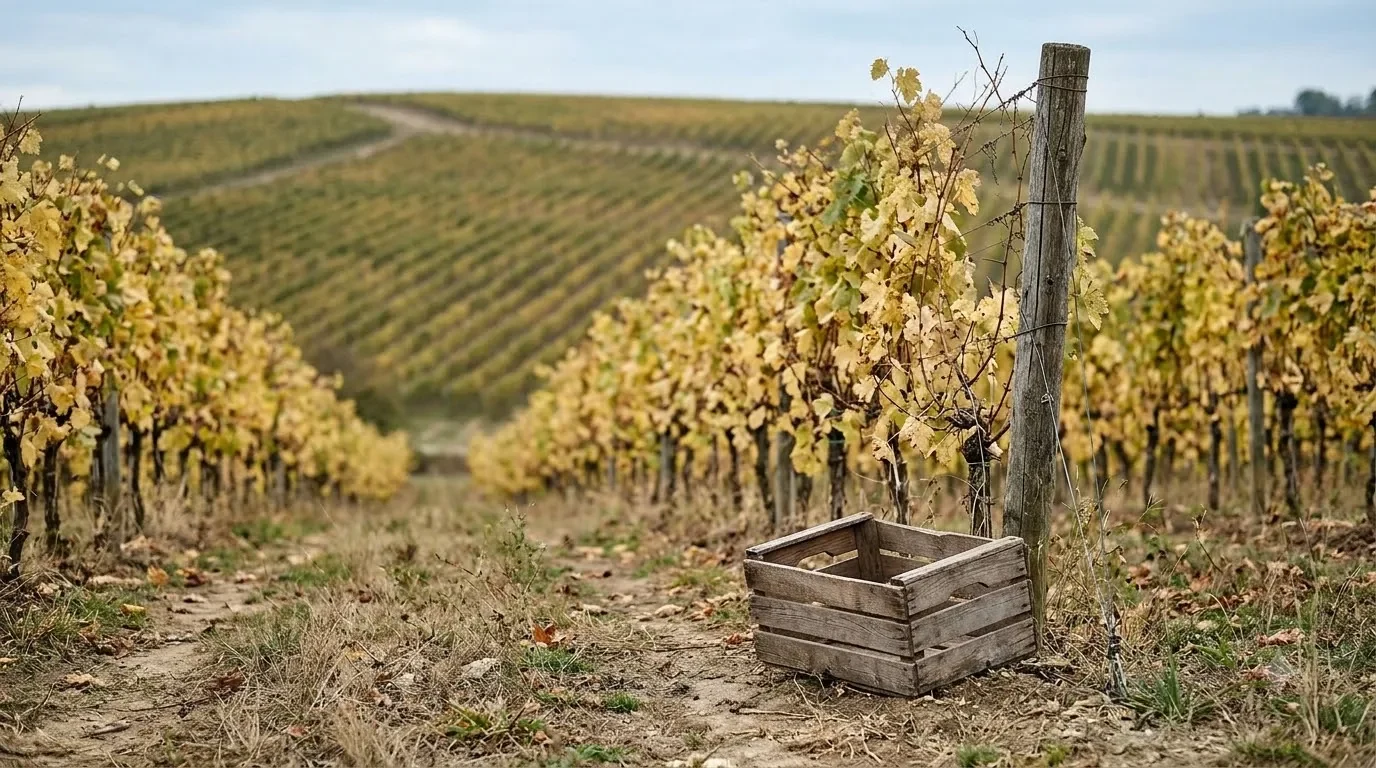
Suisun Valley is a federally recognized American Viticultural Area in western Solano County, lying in the Coast Range east of Napa Valley and just west of Fairfield. The Bureau of Alcohol, Tobacco and Firearms approved the appellation in 1982, which makes it much younger than Napa Valley’s best-known districts.
The climate is what sets the region apart. Wikipedia’s entry on the appellation describes a semi-coastal Mediterranean climate with a cool, wet season from November to April and a warm, dry summer. Breezes from San Pablo and Suisun Bays blow inland from May through October, which helps limit frost risk. The same breezes slow ripening during the growing season, which is the main reason the valley is discussed as a cooler site than Napa’s warmer districts.
The appellation supports a wide mix of varieties. The same entry lists Cabernet Sauvignon, French Colombard, Chardonnay, Petite Sirah, Pinot Noir, Riesling, Sauvignon Blanc, Valdiguié, Syrah and Zinfandel among the grapes grown there, and notes that more than twenty varieties are planted. A grape list alone does not tell you what a specific bottle tastes like, so treat it as a guide to what the valley can grow.
How Caymus Suisun compares with the Napa Valley Caymus
The two wines share a family name but come from different places. The table below sets out the main differences that matter when you read a label or a shop listing.
| Feature | Caymus (Napa Valley) | Caymus-Suisun (Suisun Valley) |
|---|---|---|
| Home region | Rutherford, Napa Valley | Suisun Valley, western Solano County |
| Winery history | Opened in 1972 | Described on the official site as a new winery |
| Best-known wine | Special Selection Cabernet Sauvignon | Listed on its own site; not detailed on the Caymus site |
| Typical grape focus | Cabernet Sauvignon, with small amounts of other varieties | Grape list not named on the Caymus site; Suisun Valley grows more than twenty varieties |
| Climate influence | Napa Valley warmth | Cooling breezes from San Pablo and Suisun Bays |
Tip: Check the appellation printed on the back label. A bottle that names Suisun Valley follows the rules of that appellation, while a Caymus bottle from Napa carries a Napa Valley designation.
Flavor and style expectations
Wine style follows the grape and the site, and the valley’s cooling breezes point toward wines with more natural acidity than the warmest Napa sites. Because the Caymus-Suisun grape list is not published on the parent site, the safest approach is to read the bottle’s own tasting notes and the producer’s description before buying, rather than assuming a single house style across the two regions.
The Napa wines bring a different expectation. Cabernet from Rutherford is usually associated with ripe dark fruit, firm structure and oak. If you know the Napa style and want to compare, reading about other family-run Cabernets such as caymus red wine gives a useful baseline before you move to the Suisun side.
How to serve Caymus Suisun wines
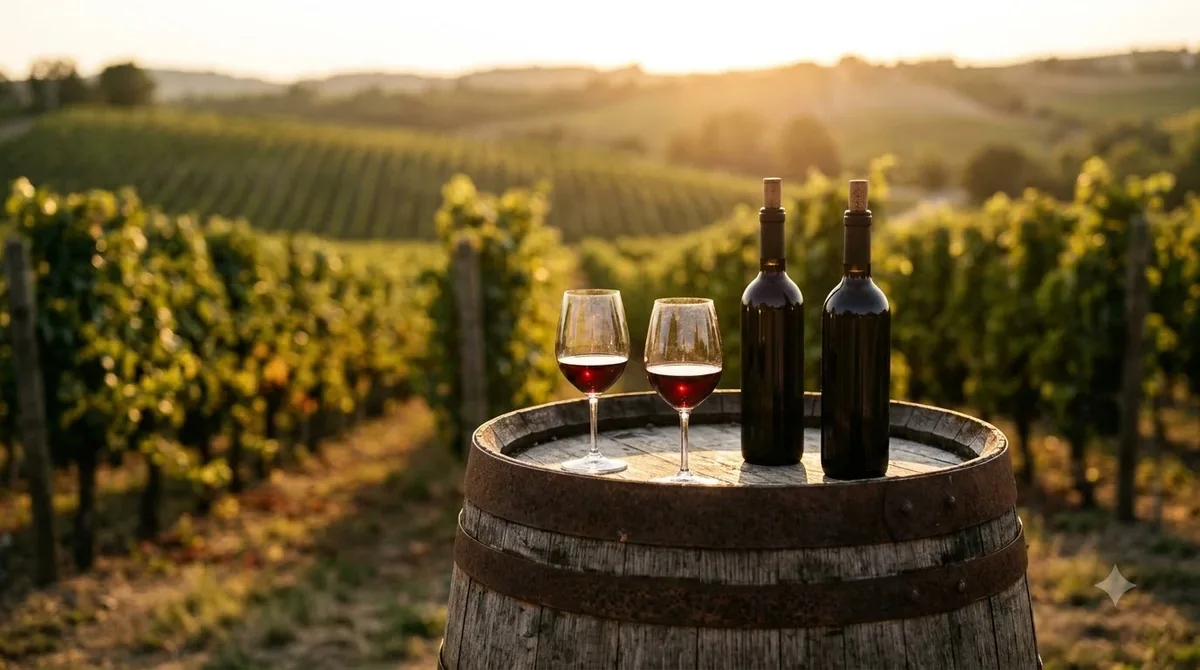
Serving temperature has a large effect on how a wine tastes, and the same basic rules apply to these bottles. Red wines show best slightly cooler than room temperature, while whites and rosés are usually served chilled. VinePair’s Wine 101 guides cover serving temperature, glassware and decanting in more detail, and they are a practical reference for home service.
Glassware matters less than temperature, but a wider bowl gives reds more room to open. Decanting is worth trying with big, structured reds that were bottled young, since a short rest in a decanter softens harsh edges. Lighter whites and fresh styles usually need no decanting at all.
Opening and storing a bottle
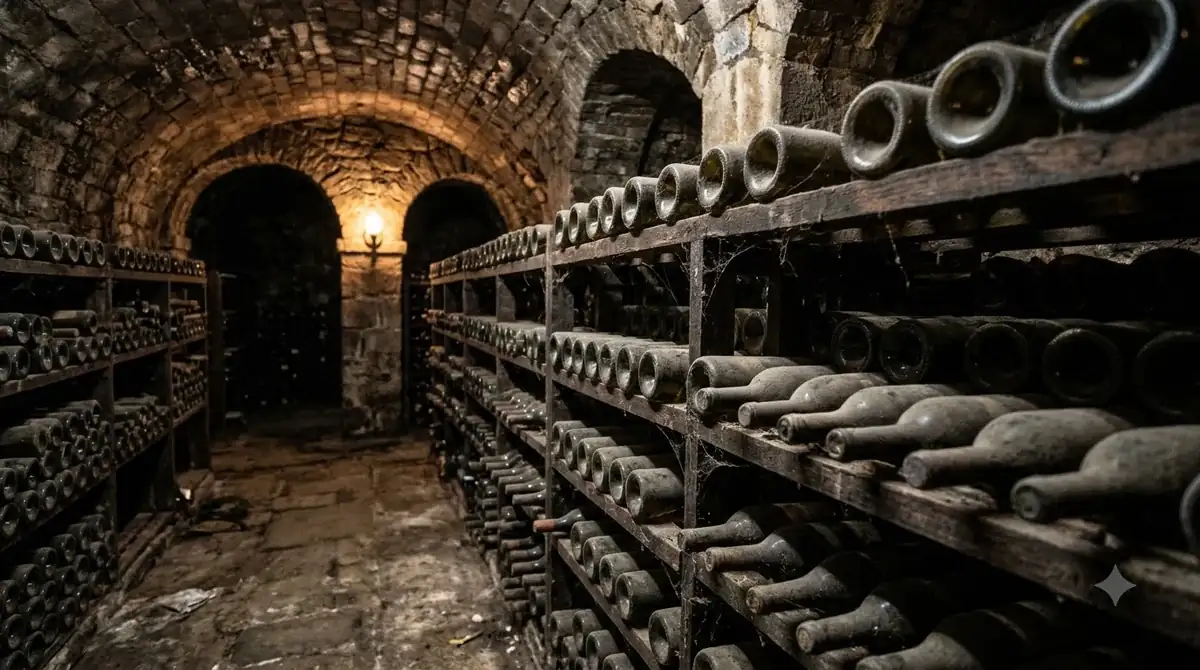
Once opened, most table wines keep best with the cork pushed back in and the bottle stored in a cool place. Reds that are not finished within a few days lose freshness faster than whites, so pour smaller glasses if the bottle will sit for a while.
Food pairing for Suisun Valley and Napa Caymus
Pairing starts with the weight of the wine. Fuller reds pair well with grilled meats, roasted vegetables and aged cheeses, while crisp whites handle seafood, salads and lighter chicken dishes. Zinfandel-based reds, which the valley’s grape list includes, are a common choice for barbecue and tomato-based dishes because their fruit holds up to smoky sauces.
When you want to match a Caymus Suisun bottle, match the grape rather than the region. A Cabernet-based bottle from either side pairs with the same steaks and hard cheeses, and a white from the valley works with the same fish and fresh herbs you would use for any Chardonnay or Sauvignon Blanc.
How to choose a bottle
Start by reading the label. Look for the appellation, the grape variety and the producer’s name, then compare the tasting notes with what you already enjoy. If you are buying for a dinner, a single bottle from each side of the family lets you compare the Napa style and the Suisun style directly.
For a wider view of brands in this category, the Wine Brands section explains how family-owned wineries position their labels, and similar names like Pedernales wine and Spottswoode wine show how different producers handle their second labels and regional lines.
Frequently Asked Questions
Is Caymus Suisun the same as Caymus from Napa Valley?
No. The Napa Caymus estate is in Rutherford, in Napa Valley, and dates to 1972. The official Caymus site describes Caymus-Suisun as a new winery in Suisun Valley, which is a separate appellation in Solano County.
Where is Suisun Valley?
Suisun Valley is in western Solano County, east of Napa Valley and directly west of Fairfield. The federal government approved it as an American Viticultural Area in 1982.
What grapes grow in Suisun Valley?
The appellation grows many varieties, including Cabernet Sauvignon, Chardonnay, Zinfandel, Petite Sirah and Sauvignon Blanc. Check each bottle’s label for the exact grape, since the valley supports more than twenty varieties.
Should I serve Caymus Suisun red wine chilled?
Serve it slightly below room temperature rather than ice cold. A short time in the refrigerator before serving usually brings a full-bodied red to the right range.
Caymus Suisun is worth exploring if you want to see how a Napa family name translates into a cooler, breezier valley. Start with one bottle, read the label closely and compare it with the Napa style to find out which side of the family suits your table.
More in Wine Brands
 Underwood Wine Price: Compare Bottles, Cans, and Pack SizesUpdated Nov 21, 2026
 Zenato Wine Price: Compare Styles and Choose the Right BottleUpdated Nov 21, 2026
 Zuccardi Wine Price: Compare Bottles and Find the Right RangeUpdated Nov 21, 2026
 Yellow Tail Moscato Review: Taste, Sweetness and Serving TipsUpdated Nov 21, 2026
 Wolf Blass Yellow Label Review: Choose Your Best StyleUpdated Nov 21, 2026
 Wolffer Estate Rose Review: Choose the Right Bottle for Your TableUpdated Nov 21, 2026