

We may earn a commission when you buy through links on this page, at no extra cost to you. Learn more.
La Marca Prosecco is a sparkling wine from the La Marca brand, made from the Glera grape in the Treviso area of northeastern Italy. The brand is named after the La Marca Trevigiana zone, and its range includes Prosecco DOC styles along with a Prosecco Superiore DOCG wine. It is widely sold in the United States and is often chosen for its bright, fruit-forward character and its clear label system that makes the style easy to read.
If you are comparing sparkling wines on a shelf, La Marca can look similar to other Prosecco bottles at first glance. This guide explains where the wine comes from, how the Prosecco rules shape what is in the bottle, and how to choose a style for everyday drinking or a special occasion.
Where La Marca Prosecco Comes From
La Marca takes its name from the La Marca Trevigiana zone, a part of northeastern Italy that sits in the heart of the Prosecco region. The grapes are grown in the hills and plains around Treviso, in the Veneto region, and the brand is associated with a group of growers and wineries that work together across the area. Reviewers often describe the brand as a cooperative effort rather than a single estate, which is typical for Prosecco producers that need to source large volumes of consistent fruit. The Prosecco consortium’s official site lists the production provinces as Treviso, Venezia, Vicenza, Padova and Belluno in Veneto, plus Gorizia, Pordenone, Trieste and Udine in Friuli Venezia Giulia.
The region matters because Prosecco is a protected name. Most Prosecco comes from low-lying plains, while a smaller area of hillside vineyards produces the DOCG-level wines that are usually more concentrated. La Marca makes wines from both kinds of land, so the label you pick tells you a lot about the style you will get.
What Glera Brings to the Glass
Prosecco is made from the Glera grape, which Italy renamed in 2009 when the Prosecco name became a geographical indication rather than a grape name. The variety is light and aromatic, with notes of green apple, pear, and white flowers. Because the grape has moderate acidity, Prosecco tends to taste fresh rather than heavy, even when the wine has a fuller texture.
Under Prosecco DOC rules, Glera must make up at least 85 percent of the blend, and up to 15 percent can come from other permitted varieties. That flexibility lets producers adjust the character of the wine from year to year. In practice, most bottles on shelves taste bright and clean, with fine bubbles and a soft finish.
La Marca Prosecco Styles
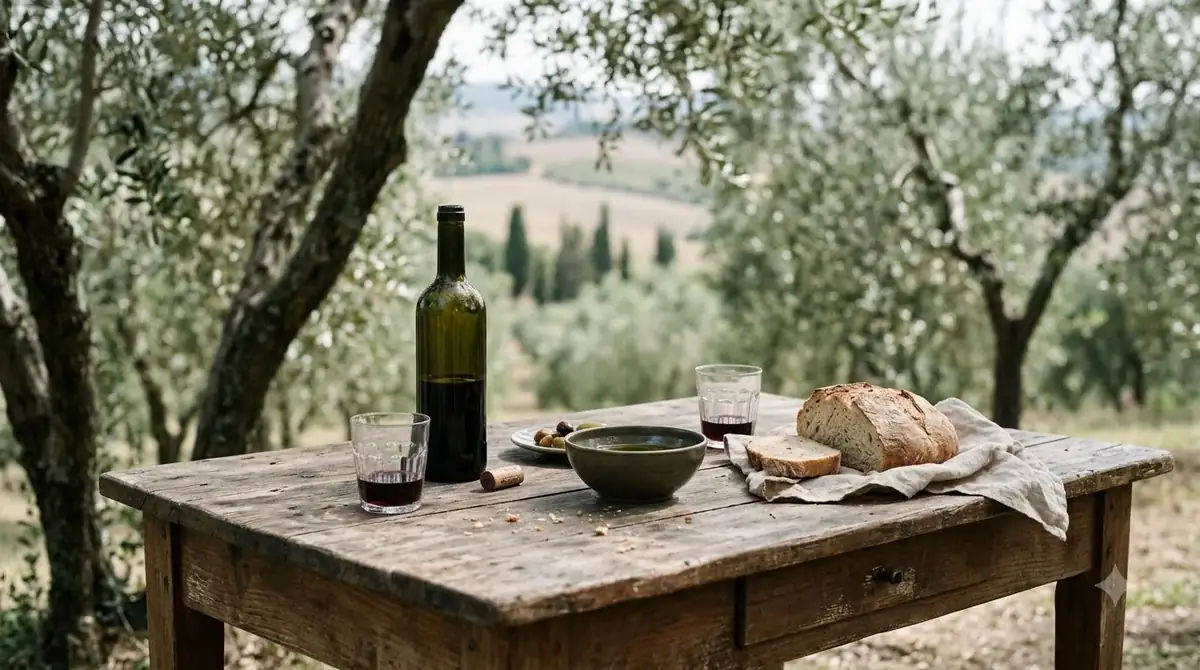
The La Marca range is best understood by splitting it into the DOC wines and the DOCG wine. The DOC bottles are the everyday choice. They are light, dry or off-dry depending on the label, and designed to be enjoyed young. A DOC Rosé in the range blends a small share of Pinot Noir, between 10 and 15 percent, with the local Glera to add color and a touch of red-fruit flavor.
The Luminore bottle is a Prosecco Superiore DOCG wine, sourced from the steeper hills where the grapes ripen more slowly. Superiore wines are always sparkling and usually show more depth, with richer fruit and a longer finish than the everyday DOC bottles. Buyers who want a step up in complexity often choose this style for a dinner or a gift.
| Style | Where it is from | Typical character |
|---|---|---|
| Prosecco DOC (brut or extra dry) | Plains of the Prosecco DOC area | Fresh, light, everyday sparkling |
| Prosecco DOC Rosé | DOC area, with 10 to 15 percent Pinot Noir | Pink color, red berry and pear notes |
| Luminore Prosecco Superiore DOCG | Hillside vineyards in the DOCG zone | Fuller fruit, longer finish |
How Sweet Is La Marca Prosecco?
Sweetness is the first thing to check on a Prosecco label, because it changes the whole experience. Brut styles are the driest and are the most common choice for pairing with food. Extra Dry labels are noticeably sweeter, with a softer, rounder impression on the palate. Some producers also make wines labeled Dry, which are sweeter still and fit dessert better.
Many people who say they dislike sparkling wine are actually reacting to a sweet bottle served too cold, or to a dry bottle with too much acidity. Trying a brut and an extra dry side by side shows which style matches your taste. A bottle of La Marca in the extra dry style is often the easiest entry point for someone new to Prosecco.
Tip: Look for the DOC or DOCG name on the label. It tells you the protected area and the general style before you read anything else.
How to Serve La Marca Prosecco
Prosecco is best served cold but not icy, so a few hours in the refrigerator is usually enough. Chill the bottle for at least a few hours before serving. When you open it, angle the bottle and turn the base slowly rather than pulling the cork out quickly, which keeps the bubbles from spilling.
A tall flute or a standard white wine glass helps keep the bubbles lively and lets the aromas gather near the rim. Wide coupe glasses look elegant but release the bubbles faster. Once opened, a bottle can be kept with a sparkling stopper in the fridge for a day or two, though it tastes best on the first day.
Food Pairing With La Marca Prosecco
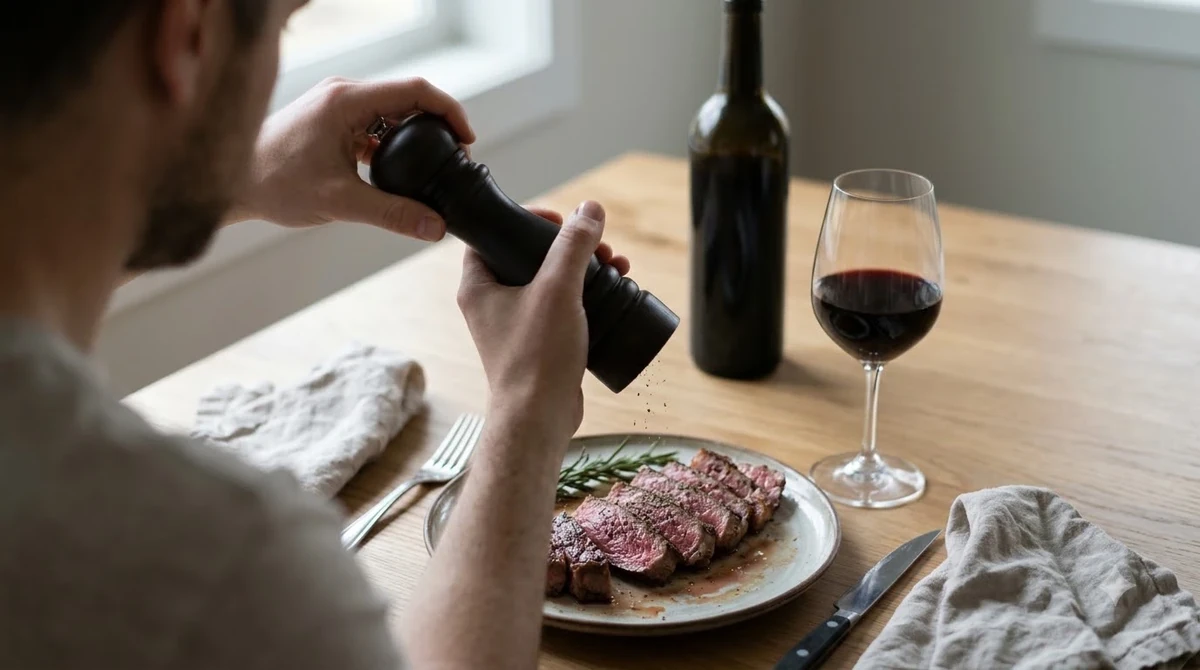
Prosecco is one of the most flexible sparkling wines at the table. A brut style works well with fried foods, fresh oysters, and salty snacks, since the acidity and bubbles cut through fat. Lighter dishes such as prosciutto and melon, goat cheese salads, or seafood risotto also suit the brut and dry styles.
The extra dry styles pair better with spicy Asian dishes, fruit-based desserts, and soft cheeses. The Rosé works with grilled salmon, charcuterie, and roasted vegetables. For a special meal, the Luminore Superiore is worth opening with a first course such as bruschetta or a delicate pasta, where its extra depth can hold its own.
How to Choose a Bottle
Start by deciding when you will drink the bottle. For a casual afternoon or a party, a DOC brut or extra dry is an easy, reliable choice. For a holiday meal or a gift, the Superiore DOCG wine offers more complexity and usually feels more special. Rosé is a good option for summer gatherings or for guests who want something visually different from the usual white sparkling wine.
Check the label for the sweetness word, the DOC or DOCG designation, and the vintage if the producer lists one. Prosecco is generally meant to be drunk young, so a recent bottle is almost always the better choice. If you are unsure, a mixed set of two or three styles lets everyone at the table find a favorite without a lot of guesswork.
Frequently Asked Questions
Is La Marca Prosecco the same as Prosecco DOC?
La Marca makes wines under the Prosecco DOC rules, and it also offers a Prosecco Superiore DOCG wine. The DOC designation describes the protected area and the production rules, so a La Marca DOC bottle follows the same framework as other Prosecco DOC wines.
What grape is used in La Marca Prosecco?
The wine is made mainly from Glera, the grape formerly known as Prosecco. Under DOC rules, Glera must make up at least 85 percent of the blend, and the rest can come from other permitted varieties.
Which La Marca Prosecco should I choose for a gift?
The Luminore Prosecco Superiore DOCG is the most suitable choice for a gift because it comes from the DOCG hills and usually feels more refined. A DOC Rosé is also a good option for someone who enjoys pink wines.
How long can I keep an opened bottle?
An opened bottle keeps its best character for about a day, and it can stay drinkable for a day or two if it is resealed with a sparkling stopper and kept cold. Sparkling wine loses its bubbles faster than still wine, so finish the bottle as soon as you can.
La Marca Prosecco is a practical choice for anyone who wants a dependable Italian sparkling wine without a complicated buying process. Start with a DOC brut or extra dry for everyday drinking, and try the Superiore DOCG when you want more depth. You can compare the brand with other producers in the Wine Brands section, and if you enjoy the sweeter side of the range, the mionetto prosecco guide offers another useful comparison.
More in Wine Brands
 Underwood Wine Price: Compare Bottles, Cans, and Pack SizesUpdated Nov 21, 2026
 Zenato Wine Price: Compare Styles and Choose the Right BottleUpdated Nov 21, 2026
 Zuccardi Wine Price: Compare Bottles and Find the Right RangeUpdated Nov 21, 2026
 Yellow Tail Moscato Review: Taste, Sweetness and Serving TipsUpdated Nov 21, 2026
 Wolf Blass Yellow Label Review: Choose Your Best StyleUpdated Nov 21, 2026
 Wolffer Estate Rose Review: Choose the Right Bottle for Your TableUpdated Nov 21, 2026