

We may earn a commission when you buy through links on this page, at no extra cost to you. Learn more.
How to serve merlot: serve most bottles at 60–65°F, pour them into a roomy red-wine glass, and give young, structured examples 30–60 minutes to open when needed. Merlot tastes best slightly cooler than a heated living room, where excess warmth can make alcohol stand out and mute freshness. A short chill, a measured pour, and a food match based on the wine’s body are usually all that is required.
Merlot is known for ripe plum and cherry flavors, a rounded texture, and generally softer tannins than Cabernet Sauvignon. Those traits make it an adaptable dinner wine, but Merlot is not one fixed style: a fresh, lighter bottle behaves differently from a rich, oak-aged example. Use the bottle’s weight and structure to fine-tune the temperature, air, glass, and menu rather than treating every red wine the same.
Merlot Serving Temperature: Aim for 60–65°F and a 25-Minute Chill
For a typical medium- to full-bodied Merlot, aim for 60–65°F (16–18°C). That is cool cellar temperature, not the temperature of a warm kitchen or heated living room; serving it slightly cool preserves balance while allowing fruit and aroma to show.
At higher temperatures, alcohol can feel more pronounced and the wine’s freshness may seem less vivid. Decanter explains that warm red wine can accentuate alcohol and suppress the acidity that balances ripe fruit. At home, a bottle that feels pleasantly cool to the touch is usually closer to the right range than one sitting beside the stove. A wine thermometer can help, but it is not essential for every pour.
For a bottle stored around 70–72°F, allow roughly 25 minutes in a refrigerator before opening, then check how it feels. Wine Enthusiast lists 25 minutes as a useful interval for full-bodied reds starting at about 72°F and groups Merlot with Cabernet Sauvignon, Syrah, Tempranillo, and Malbec in the 60–65°F range. Its wine serving temperature and glassware advice explains why an overly warm pour can flatten the balance.
| Merlot style or situation | Serving temperature | Practical starting point |
|---|---|---|
| Typical medium- to full-bodied Merlot | 60–65°F | Chill about 25 minutes from 70–72°F |
| Lighter, fresher Merlot | 57–61°F | Serve at the cooler end if it feels lean and bright |
| Young, concentrated Merlot | 60–65°F | Try 30–60 minutes of decanting if closed |
| Mature Merlot with sediment | 60–65°F | Stand upright for 12 hours or more, then pour slowly |
A cool room, cellar, or wine refrigerator changes the timing. If the bottle is already near 60°F, do not automatically chill it again. If it is too cold, let it stand for several minutes; the wine will warm gradually in the glass. When serving over a long meal, begin at the lower end of the range because the wine gains warmth as guests hold and refill their glasses.
Tip: Chill the bottle before opening, pour a small tasting sample, and reassess after a few minutes. It is easier to let a cool glass warm slightly than to correct wine that has become too warm.
Choose a Stemmed Glass with a Wide Bowl and a 5-Ounce Pour
A medium- or large-bowled red-wine glass gives Merlot room to release its aromas, while a stem helps keep warm hands away from the bowl. A Bordeaux-style glass is a useful all-purpose choice, especially for fuller Merlot with ripe fruit or oak influence; there is no need to buy a special glass labeled for the grape.
Look for a bowl wide enough to let the wine spread across its surface, with an opening that gathers the aromas toward the nose. The extra space also makes gentle swirling easier. Wine Enthusiast recommends wide-bowled glasses for full-bodied reds because the larger surface area helps fruit, oak, acidity, and alcohol settle into a more balanced impression. A standard stemmed red-wine glass is entirely suitable if that is what is already in the cupboard.
Pour about 5 ounces at a time rather than filling the glass to the rim. A standard 750-milliliter bottle holds approximately five 5-ounce servings, leaving room for the aromas to collect and for a small swirl. Holding the glass by its stem also reduces heat transfer from the hand. For a formal dinner, pour less at first and offer a top-up after guests have assessed the wine.
Swirl gently rather than vigorously. A short rotation releases aromas such as plum, cherry, blackberry, vanilla, or spice, depending on the wine’s climate and maturation. Take a first sniff before swirling and another afterward; the contrast can make it easier to notice how the wine changes with air. Avoid swirling a glass filled close to the rim, because the wine may spill before its aromas develop.
Decant Young Merlot for 30–60 Minutes When It Needs Air
Decanting is optional for many Merlots, but it can help a young, concentrated bottle open up. Start by pouring a small taste; if the wine seems closed, firm, or dominated by tight tannins, give it about 30 minutes in a decanter and reassess before allowing more time.
For a young, full-bodied red that feels especially compact, 30–60 minutes is a reasonable starting window. Air can soften the impression of tannin and make secondary notes more apparent, but more time is not automatically better. Wine Enthusiast recommends about 30 minutes for young, tannic reds, and Wine Folly gives a similar approximate interval for Merlot. A broad-based decanter increases contact with air; a clean glass pitcher can also work in an informal setting.
Do not decant simply because the label says Merlot. A fresh, fruit-forward bottle may be expressive as soon as it is opened, and a few minutes in the glass may be enough. Taste it after opening, then again after 10–15 minutes. If its aromas become more open and the texture feels balanced, pour it. If it remains firm, move the rest into a decanter and check it at intervals rather than leaving it unattended for hours.
Mature bottles need a different approach from young wines. Their main reason for decanting may be to separate sediment, not to expose the wine to extended oxygen. Stand a bottle upright for 12 hours or more if sediment is visible, then pour slowly into a decanter under a steady light and stop when sediment approaches the neck. Delicate older wine can lose its aromas quickly after opening, so serve it soon after separating it from the deposit. If there is no sediment and the wine smells open, pouring directly from the bottle is often the gentler option.
Pair Merlot with Beef, Mushrooms, Chicken, and Tomato-Based Pasta
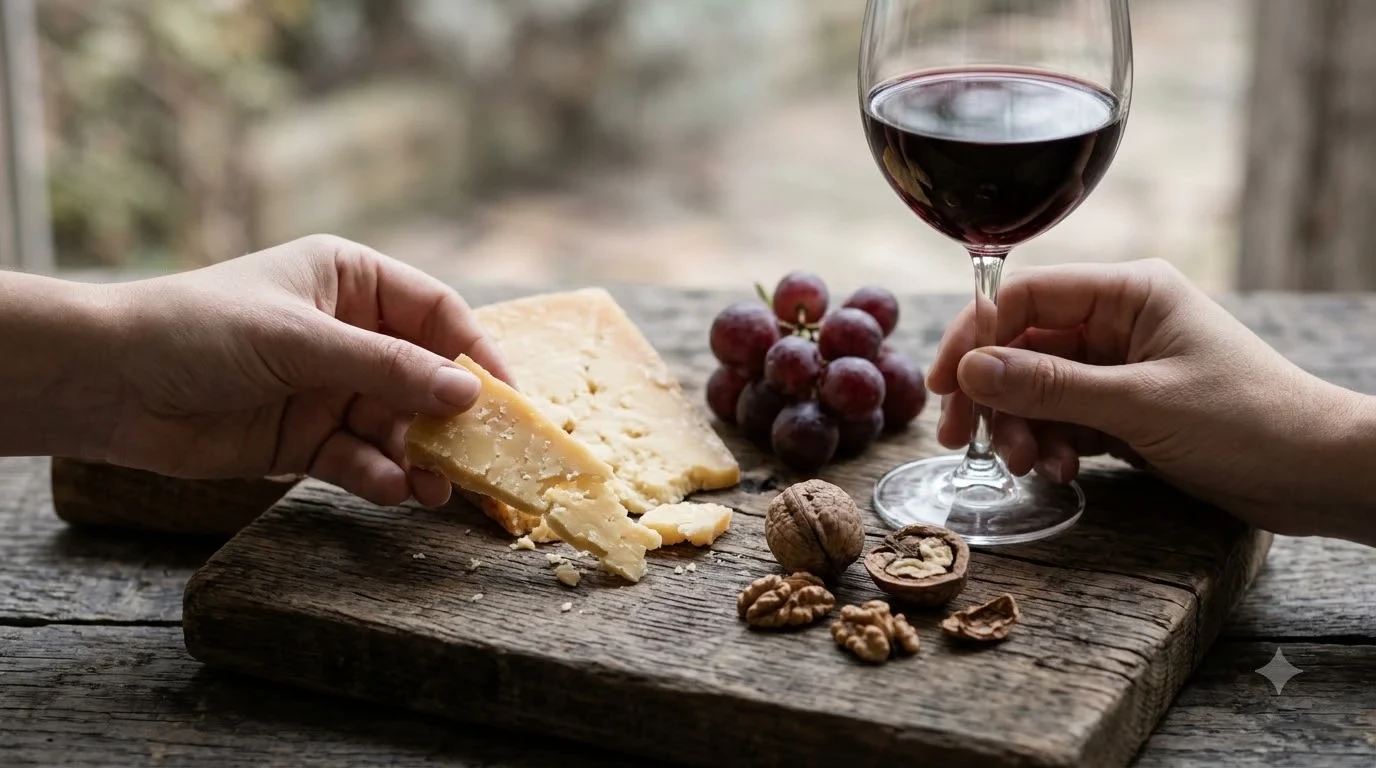
Merlot’s medium body, moderate acidity, ripe fruit, and generally softer tannins make it a natural partner for savory dishes with moderate richness. Roast beef, burgers, short ribs, roast turkey, pork, mushrooms, and tomato-based pasta can all work, provided the seasoning and sauce do not overwhelm the wine.
For grilled or roasted beef, choose a Merlot with enough body to meet the char and savory flavor. Burgers, steak, and beef short ribs bring fat and protein that soften the impression of tannin, making the wine feel rounder. A mushroom sauce, roasted mushrooms, or rosemary can echo earthy notes in the wine. Roasted chicken or turkey with a savory pan sauce also works; barbecue chicken suits fruit-forward bottles, but avoid an extremely sweet glaze that makes dry wine taste thin. Roast pork, meat lasagna, and sausage-and-mushroom pasta are other practical options.
Tomato sauce needs a little care because acidity in food can make a wine with less acidity seem flatter. Merlot has moderate rather than high acidity, so match it with a sauce that tastes balanced, not sharply sour; browned meat, olive oil, mushrooms, or cheese can soften the tomato’s edge. If the dish is especially tart, choose a fresher, livelier red or a white with higher acidity; how to serve pinot grigio offers a useful contrast for lighter, brighter meals. Salt and fat generally soften tannin, while very hot chili heat can make alcohol and tannin feel more aggressive. Oily fish is often a poor match for tannic reds, so consider a brighter white instead; the advice on how to serve pinot gris can help with a lighter alternative.
Keep dessert separate from dry Merlot unless the dessert is not sweeter than the wine. A sweet dessert can make a dry red taste harsh or sour, so fruit tarts, frosted cakes, and syrupy chocolate desserts are not dependable matches. Choose a wine at least as sweet as the dessert rather than expecting a dry Merlot to fill that role. For a warm-weather menu with berries or lighter fare, how to serve rose may offer a more suitable direction.
Open, Store, and Preserve Merlot at About 55°F and for 3–5 Days
Keep unopened Merlot in a cool, dark place with a stable temperature, ideally near 55°F, and store cork-finished bottles on their sides. Stable conditions matter more than repeatedly moving the bottle between warm and cold rooms; heat, light, and large temperature swings can damage wine before it reaches the table.
A wine refrigerator or cellar helps maintain a consistent environment. If neither is available, choose the coolest dark cupboard away from an oven, radiator, sunny window, or appliance that gives off heat. Avoid leaving bottles in a car or on a kitchen counter for extended periods. A short refrigerator chill before serving is different from long-term storage: the fridge is a serving tool, not a substitute for a steady cellar-like environment.
After opening, put the cork or a suitable closure back in place and refrigerate the bottle, even if the wine is red. Most still wines keep their best character for about 3–5 days in the refrigerator after opening, although the exact result depends on age, style, oxygen exposure, and how much wine remains. Bring the next pour back toward 60–65°F rather than serving it directly at refrigerator temperature.
Less air in the bottle generally means slower change. If only a small amount remains, transfer it to a clean, smaller bottle with a tight cap, or use a vacuum stopper. Keep the bottle upright once opened to limit the exposed surface area. Write the opening date on a small piece of tape if several bottles are in use, and taste before serving; do not serve wine that has developed an unpleasant vinegar-like smell or otherwise seems spoiled.
Adjust the Pour for Bordeaux, California, and Chilean Styles
Merlot’s style varies with climate, vineyard, blending, and winemaking, so the same temperature and decanting routine will not suit every bottle equally. A lighter, fresher wine may need only a brief chill and a glass, while a dense, oak-aged Merlot from a warmer region may benefit from the full 60–65°F range and a little air.
Bordeaux is a useful reference point because Merlot is the region’s leading red grape. The Bordeaux wine body describes a range from light, juicy wines to dense, powerful cuvées, with cherry, plum, fig, and violet among the characteristic aromas. It identifies Saint-Émilion, Pomerol, and Fronsac as important Merlot areas. A traditional Bordeaux blend may include Cabernet Sauvignon or Cabernet Franc, so the finished wine can have more structure than a soft, single-variety Merlot. The Bordeaux Merlot profile describes the grape’s range of styles and regional character.
California Merlot often presents ripe fruit, and warmer sites can produce fuller wines with higher alcohol and a rounder impression. Keep those bottles toward the cooler side of the full-red range, use a broad-bowled glass, and taste before deciding whether to decant. A wine that already smells generous and feels smooth may need no extra air. With a firmer, younger bottle, start with 30 minutes and reassess. Merlot from cooler parts of Chile or other regions can feel more restrained, with fresher fruit and less weight; do not assume every Merlot needs the same decanting time simply because the grape name is the same.
Oak aging can add vanilla, baking spice, toast, and cocoa-like impressions to plum and cherry fruit, while time in bottle can bring more earthy or savory details. These aromas do not mean the wine is sweet; most table Merlot is dry even when its fruit smells ripe. For a wider comparison of grapes and wine styles, browse Wine by Type. When choosing among different grapes for a mixed menu, the same serving basics still apply: protect freshness with a cool pour, use a glass with room for aromas, and adjust air exposure to the wine in front of you.
Frequently Asked Questions
These quick answers cover a few Merlot details that go beyond serving temperature and food pairing. They can help explain the name, grape identity, and the range of wines made from it.
Why is Merlot called Merlot?
The name is linked to the French word merle, meaning blackbird. Bordeaux’s wine body connects the name with the dark, blue-black appearance of Merlot berries.
Is Merlot used to make wine other than red wine?
Yes. Merlot can be used to make rosé, and in Bordeaux it is occasionally used in blanc de noirs Crémant, a sparkling wine made from dark-skinned grapes. Red wine remains its best-known expression.
Which grape varieties are Merlot’s parents?
Merlot is the offspring of Cabernet Franc and Magdeleine Noire des Charentes. That parentage is listed by the Bordeaux wine body in its Merlot profile.
Can Merlot improve with bottle age?
Many everyday Merlots are intended for relatively early drinking, but well-made examples can develop additional complexity. Wine Folly notes that many Merlots can age for 3–7 years, while exceptional bottles may continue developing for 15 years or longer.
What alcohol level is typical for Merlot?
Wine Folly gives a typical range of 13.5–15% alcohol by volume for Merlot. The actual level varies with growing climate, grape ripeness, and winemaking choices.
For most bottles, the best starting point is simple: chill Merlot to 60–65°F, pour a modest 5-ounce serving into a roomy glass, and taste before deciding whether it needs air. Pair its ripe fruit and moderate tannins with savory foods, then adjust the details to the style in the bottle.
More in Wine Types & Grapes
 Zinfandel Sugar Content: Dry Red vs. White Zinfandel GramsUpdated Nov 21, 2026
 Best Zinfandel Substitute Options for Sipping and CookingUpdated Nov 21, 2026
 Zweigelt Food Pairing: Best Dishes, Cheeses, and Serving TipsUpdated Nov 21, 2026
 Zinfandel Tannins Explained: How Structure Shapes Every BottleUpdated Nov 21, 2026
 Zinfandel Sweetness Level: Dry Red vs. Sweet White Zin ExplainedUpdated Nov 21, 2026
 Xinomavro Food Pairing: Best Dishes, Styles, and Serving TipsUpdated Nov 21, 2026