

We may earn a commission when you buy through links on this page, at no extra cost to you. Learn more.
Bending Branch wine comes from a Texas winery in Comfort, established in 2009, that makes reds, whites, sparkling wine and rosé from Texas-grown fruit. The winery states that its mission is to make world-class wines in Texas, and its lineup leans on Mediterranean and Portuguese grapes such as Tempranillo, Tannat and Souzão alongside Cabernet Sauvignon and Petite Sirah. This guide covers the winery’s background, the grapes behind its bottles, the brands under its umbrella, and how to choose a wine from the range.
Texas wine has grown well beyond the state’s borders, and many drinkers who know the name Bending Branch only from a shelf tag are not sure what the winery is about. The company’s own website gives a clear picture of its approach, from the grape list to the way it handles aging. The sections below use that information and keep the focus on what a buyer can actually learn from the label and the winery.
Who Makes Bending Branch Wine and Where It Is Located
The winery sits at 142 Lindner Branch Trail in Comfort, a small town in the Texas Hill Country. The website names Robert W. Young, M.D., as its founder and says the company was established in 2009. Beyond the founding date, the site does not go into a long history, so the most useful way to understand the brand is through its wines and its stated mission.
The mission is simple: make world-class wines in Texas. That goal sets Bending Branch apart from producers who import fruit or base their identity on a single imported region. The winery’s grapes come from Texas vineyards, and the company names specific sites such as Newsom, Lost Pirogue and Tallent as sources.
The Grapes Behind the Bottles
The grape list on the site gives a useful map of the house style. Cabernet Sauvignon and Petite Sirah are the familiar names on the red side, and both tend to suit bold, structured wines. Tempranillo, a Spanish variety, and Tannat, a grape associated with southwest France and Uruguay, show the winery’s interest in varieties that handle warm, sunny growing seasons. Souzão, a Portuguese red, adds another option for fruit-forward blends.
Choosing grapes that suit a hot region is a practical decision. Varieties with thick skins and solid acidity hold their structure under heat, which helps the winemaker keep balance in the glass. For a buyer, this means the reds from Bending Branch often show deeper color and riper fruit than cool-climate wines, but the best examples still carry enough structure to pair with food.
| Grape | Typical style | Good with |
|---|---|---|
| Cabernet Sauvignon | Structured, dark fruit, firm tannin | Grilled steak, aged cheese |
| Petite Sirah | Dense, dark, peppery | Barbecue, hearty stews |
| Tempranillo | Red cherry, leather, savory notes | Roast pork, tomato-based dishes |
| Tannat | Firm, tannic, rich | Lamb, mushroom dishes |
| Souzão | Fruit-forward, deep color | Burgers, smoked meats |
The vineyards named on the site also help explain the variety of styles. Each site has its own soil, elevation and exposure, so the same grape can taste different from one vineyard to the next. Comparing two bottles of the same variety from different sites is one of the easiest ways to learn how place shapes a Texas wine, and it is a practical exercise for any buyer who wants to understand the range.
Reds, Whites, Sparkling and Rosé
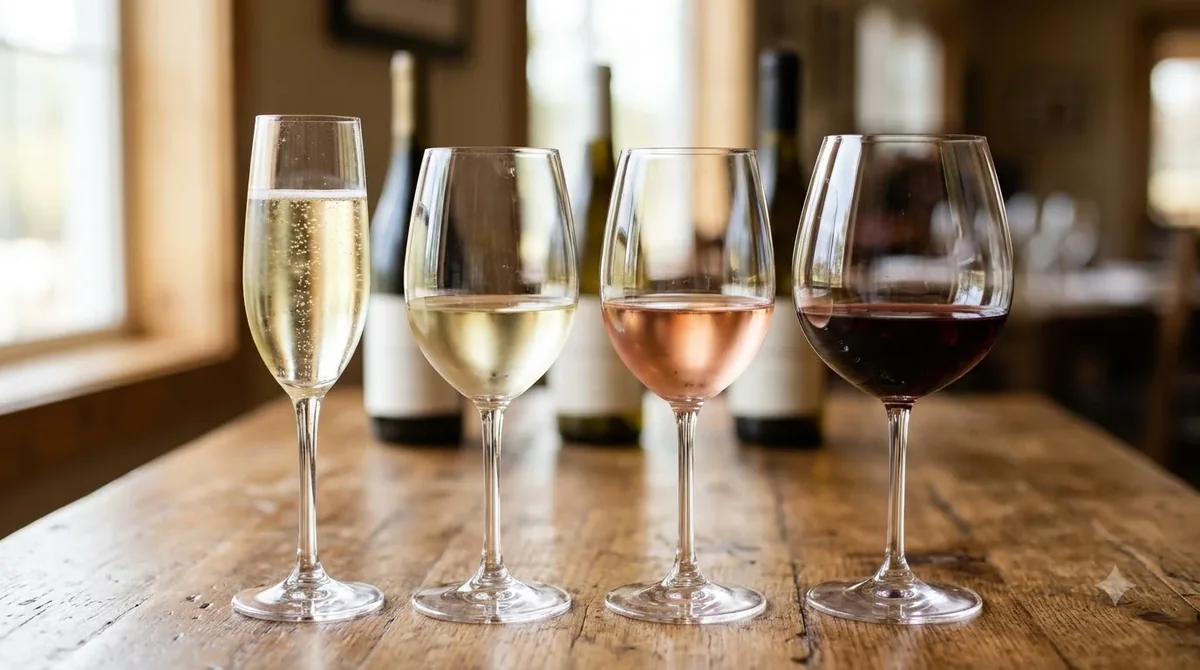
Although the winery is known in many circles for red wine, the range also includes whites, sparkling wines and a rosé. That spread matters for shoppers who want one producer for a mixed table. A rosé works for warm afternoons, a sparkling wine suits celebrations, and a red fits a heavier meal, all within one brand’s catalog.
The site also points to reserve bottlings and barrel aging. The Tempranillo Reserve, for example, is aged in Texas White Oak, a choice that adds a different layer of spice and texture than French or American oak. Reserve wines usually sit at the top of a producer’s line for both depth and price, so they are worth comparing with the standard bottlings.
The Brands Under the Bending Branch Umbrella
The website lists four brands: Bending Branch Winery, Ursa Vineyards, Bending Branch 1840 Bourbon and ChickenDuck Bourbon. Ursa is especially notable because the site says it is celebrating its 25th crush in 2026, which marks a long run for one of the company’s labels. Buyers who see the Ursa name should know it is part of the same family of products.
The bourbon brands show that the company’s interest extends past wine into spirits. For a wine shopper, the practical lesson is simple: check the label carefully, since the name on the front may belong to a different product category than the one you intended to buy.
Tip: If you want to taste a range before committing, begin with the house red and one white. That pairing shows the winery’s approach to both structure and fruit.
How to Serve and Pair Bending Branch Wine
Serving temperature matters for every style in the range. Reds with firm tannins, such as Cabernet Sauvignon and Tannat, do better when they are opened a little before serving so the aromas can open. Lighter-bodied reds and rosé benefit from a short rest in the refrigerator, which keeps the fruit lively. Sparkling wines should be well chilled and poured into a tall glass that keeps the bubbles visible.
For pairing, match the weight of the wine to the weight of the food. A bold Petite Sirah stands up to slow-cooked meats and spicy barbecue. A Tempranillo fits roasted pork, grilled vegetables and dishes with tomato and smoked paprika. A rosé is flexible enough for lighter fare such as salads and fish tacos.
How to Choose a Bending Branch Wine
Start with the style you enjoy most. Readers who like big, dark reds should look at the Cabernet Sauvignon and Petite Sirah. Those who want something brighter may prefer the Tempranillo or a rosé. For a celebration or a casual gathering with mixed tastes, the sparkling wine offers an easy crowd-pleaser.
Next, consider whether a reserve bottling fits your plans. Reserve wines often show more depth and more time in oak, which makes them better for a special meal or for keeping a few years. Regular bottlings tend to be easier for everyday dinners. Reading the back label and the winery’s description helps you match the bottle to the occasion.
When you open a bottle, pay attention to how the wine changes over the first hour. Reds with firm structure often soften and show more fruit after some air, while a fresh white or rosé tends to be best on the first day. Keeping notes on which bottles you enjoy most builds a personal guide that is more useful than any single review, and it makes the next purchase easier.
Frequently Asked Questions
Where is Bending Branch wine made?
The winery is located at 142 Lindner Branch Trail in Comfort, Texas. Its stated mission is to make world-class wines in Texas, and it names several Texas vineyards among its sources.
When was Bending Branch Winery founded?
The website says the winery was established in 2009. It names Robert W. Young, M.D., as the founder.
What grapes does Bending Branch use?
The site lists Petite Sirah, Cabernet Sauvignon, Souzão, Tempranillo and Tannat among its grapes, along with reds, whites, sparkling wines and a rosé.
Is Bending Branch the same as Ursa?
No. Ursa Vineyards is one of the brands listed by the winery, alongside Bending Branch Winery and two bourbon brands. Check the label to confirm which product you are buying.
If you enjoy exploring regional producers, the Wine Brands guide offers a broader look at labels from several states and countries. Texas producers also appear in our Pedernales wine guide, which makes a useful comparison. For the winery’s current releases and tasting information, visit the Bending Branch Winery website.
More in Wine Brands
 Underwood Wine Price: Compare Bottles, Cans, and Pack SizesUpdated Nov 21, 2026
 Zenato Wine Price: Compare Styles and Choose the Right BottleUpdated Nov 21, 2026
 Zuccardi Wine Price: Compare Bottles and Find the Right RangeUpdated Nov 21, 2026
 Yellow Tail Moscato Review: Taste, Sweetness and Serving TipsUpdated Nov 21, 2026
 Wolf Blass Yellow Label Review: Choose Your Best StyleUpdated Nov 21, 2026
 Wolffer Estate Rose Review: Choose the Right Bottle for Your TableUpdated Nov 21, 2026