


We may earn a commission when you buy through links on this page, at no extra cost to you. Learn more.
Dalmatia wine is the diverse collection of Croatian reds and whites made along the Adriatic coast, led by Plavac Mali from Pelješac and Pošip and Grk from Korčula. The region stretches from Zadar to Konavle and includes a chain of islands, steep coastal vineyards, and inland valleys. Its most useful starting point is to match the grape and subregion to the style you enjoy, because a powerful, sun-ripened red and a mineral, locally distinctive white can come from very different sites within Dalmatia.
Dalmatia is one of Croatia’s four broad wine regions, but it is not a single, uniform style. Place names such as Dingač, Postup, Primošten, Lumbarda, and the island of Vis point to different grapes, growing conditions, and traditions. Understanding those names makes it easier to choose a bottle, plan a tasting, or pair a Croatian wine with dinner.
Where Dalmatia Sits on Croatia’s Wine Map
Dalmatia follows Croatia’s Adriatic coastline from the Zadar area in the north to Konavle near Dubrovnik in the south. Its best-known wine landscapes include the Pelješac Peninsula, the islands of Korčula, Hvar, Brač, and Vis, the Šibenik and Primošten area, and the inland Dalmatian Zagora.
The name Dalmatia covers a large geographic area rather than one narrow vineyard zone. Northern Dalmatia, central and southern Dalmatia, and the inland hinterland have different combinations of exposure, elevation, soils, and local grapes. That is why the bright white wines of one area should not be assumed to taste like the rich red wines of another. A useful overview of the regional geography appears in the Croatian National Tourist Board’s outline of Dalmatian wine country.
For a first shortlist, look for Plavac Mali on Pelješac or Hvar, Pošip and Grk on Korčula, Babić around Šibenik and Primošten, and Vugava on Vis. The broader phrase “Dalmatian wine” may appear on a shelf or wine list, but a more specific place name often tells you more about what is in the bottle. Readers who want a wider Croatian overview can use this introduction to wine regions, while the dedicated page on the Dalmatia wine region provides a closer regional reference.
Coastal Climate, Rocky Slopes, and Historic Vineyards
Dalmatia’s Mediterranean climate, strong sunshine, and varied coastal terrain help explain the concentration of its reds and the range of its whites. Limestone, terra rossa, and stony karst are among the soils found across the region, while sea-facing slopes and island sites create distinct growing conditions over relatively short distances.

On Pelješac, vineyards climb steep, rocky hillsides above the Adriatic. The peninsula narrows to roughly four miles at one point, and the sea and its breezes are important parts of the local vineyard environment. On the steepest slopes, harvesting is difficult to mechanize; workers may need to pick by hand and use harnesses on challenging inclines. These conditions can limit yields while concentrating the fruit, especially for Plavac Mali grown on sunny exposures.
Primošten offers another recognizable landscape: terraced vines divided by dry-stone walls. The walls are practical features of the agricultural terrain as well as part of the region’s visual heritage. On Hvar, viticulture has a long history; the Stari Grad Plain is a UNESCO World Heritage Site, and wine production on the island has continued for more than two and a half thousand years according to WineTourism.com. Those historic landscapes are not merely scenery: they show how generations of growers adapted vines to dry, stony ground and limited flat land.
Site matters as much as grape variety. A sun-exposed coastal parcel can produce a riper, more powerful Plavac Mali than a cooler or more sheltered location. Northern and inland sites can give whites a different balance and profile from the sunniest southern slopes. For comparison, the neighboring Italian region across the Adriatic has its own grape and site traditions; a look at Puglia wineries helps show how two Adriatic wine cultures can be close geographically yet distinct in their signature varieties.
The Native Grapes That Define Dalmatian Wine
Plavac Mali is the region’s signature red, while Pošip and Grk are two of its most distinctive whites. Babić, Debit, Maraština, Vugava, Bogdanuša, Kujundžuša, and Plavina broaden the picture, giving wine drinkers a chance to explore beyond the best-known names.
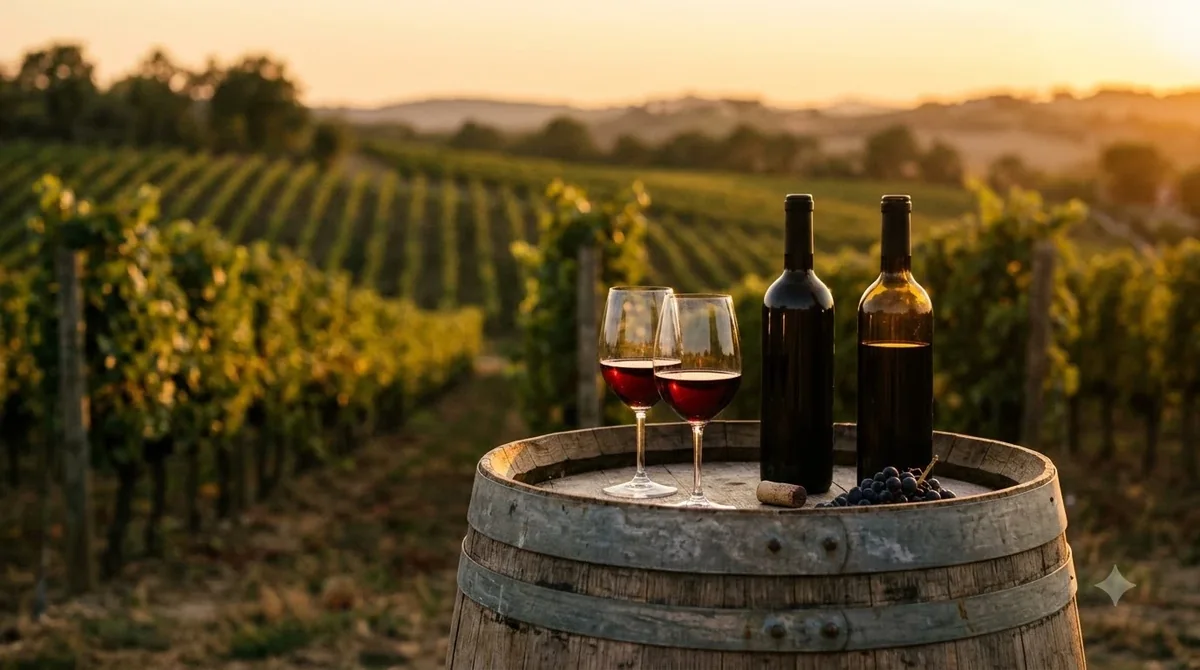
Plavac Mali is a dark-skinned red grape associated especially with Pelješac and the southern islands. Its wines are often full-bodied, high in tannin and alcohol, and relatively low in acidity, with flavors that can include blackberry, dark cherry, dried fig, carob, smoke, and spice. On Pelješac, Dingač and Postup are especially familiar names for Plavac Mali wines. The grape’s strong structure and concentrated fruit make it a natural match for grilled or braised meat, although the exact intensity varies by site and producer.
Pošip is a white grape native to Korčula that is now grown in other parts of Dalmatia as well. It can make a fuller-bodied white with ripe fruit and enough freshness for seafood. Common tasting descriptions include apple, citrus, vanilla, and almond. Grk, also associated with Korčula, is usually dry, rounded, and gently bitter on the finish. It grows particularly around Lumbarda, where sandy soils support this unusual local variety.
Grk has a viticultural quirk: its flowers function as female, so the vines rely on neighboring varieties for pollination. Plavac Mali or Rukatac may be planted nearby for that purpose. The official Croatia tourism profile describes Grk as typically 12–14% alcohol and notes its mild finishing bitterness. Other local grapes add more options: Babić produces dark, firm reds around Šibenik and Primošten; Debit is a white grape associated with northern and central Dalmatia; Vugava is a Vis specialty; and Bogdanuša comes from Hvar. Those varieties reward curiosity because they show how much local identity exists beyond the headline names.
Red, White, and Sweet Styles to Look For
Dalmatia is traditionally associated with red wine, but its whites are not secondary curiosities. The region offers powerful Plavac Mali, structured Babić, ripe Pošip, distinctive Grk, fresher styles from grapes such as Debit, and the traditional sweet wine Prošek.
Plavac Mali is the most recognizable red style: deep in color, broad on the palate, and often marked by dark fruit, dried herbs, and savory spice. Dingač and Postup are place names to recognize on Pelješac labels; WineTourism.com identifies Dingač, protected in 1961, as Croatia’s first protected wine appellation. Babić offers another route into Dalmatian reds, particularly for drinkers who enjoy firm tannin and sour-cherry character. Its dark, dense profile can feel more compact than the broad, powerful style often associated with Plavac Mali.
Pošip is a versatile white to seek out when a meal calls for a wine with more body than a very light coastal white. It can show ripe apple and citrus, with almond or vanilla notes in some examples. Grk is more individual: dry, rounded, moderately low in acidity, and marked by a distinctive bitter edge. Debit can offer a fresher, lighter counterpoint, while Vugava from Vis is traditionally associated with fuller, stronger white wines. Winemaking choices such as lees contact, oak maturation, and harvest timing can shift weight and texture, so the grape is a useful guide rather than a guarantee of one exact flavor.
Prošek is the region’s traditional dessert wine, not a sparkling white. It is made from ripe grapes that are dried before pressing, concentrating their sugars; the wine then ferments and matures, often in wooden barrels. Local grapes used for Prošek can include Rukatac, Vugava, Pošip, Dubrovnik Malvasia, Babić, and Plavac Mali. Its sweetness makes it a natural partner for fruit-based desserts, dried figs, pastries, or a small serving on its own after a meal.
Dalmatian Food Pairings That Make Sense
Pair Dalmatian wines by balancing the wine’s weight, acidity, tannin, and sweetness with the dish. Pošip and Grk are strong choices for fish and seafood, while Plavac Mali and Babić are better suited to meat, cured ham, and aged cheese.
For simply grilled fish, shellfish, or mussels prepared buzara-style, start with Pošip or a fresh white from the region. The wine’s body can stand up to olive oil, garlic, and the savory flavors of the dish without overwhelming delicate fish. Grk is another option with seafood, salads, and cold plates, especially when its gentle bitterness is welcome beside the food. For marinated anchovies or other salty starters, a fresh white with clear acidity can keep the pairing lively.
Plavac Mali works well with pašticada, a slow-cooked Dalmatian beef dish, as well as grilled lamb, roast pork, or other richly flavored meats. Its tannin can feel less firm beside protein and fat, while salt in pršut or aged cheese can soften the drying impression of a structured red. Babić is another match for grilled meat, cured ham, and hard cheeses; its sour-cherry character can also complement tomato-based sauces. Avoid pairing a high-tannin red with oily fish: the combination can taste harsh or metallic, and a white is usually a more reliable choice.
Sweetness needs its own rule. Prošek should taste at least as sweet as the dessert, otherwise the wine can seem thin or sour beside the food. Try it with dried figs, almond pastries, fruit cake, or blue cheese when the contrast is appealing. For food with pronounced chili heat, choose carefully: alcohol and tannin can amplify the burn, so a lower-alcohol white or a wine with a touch of sweetness is usually more comfortable than a powerful Plavac Mali.
Tip: Match intensity before matching flavor. A full-bodied Plavac Mali can handle pašticada or grilled lamb, while a fresh Pošip is usually a better fit for simply grilled fish, shellfish, and olive-oil-based dishes.
Buying, Serving, and Storing Bottles
Choose a bottle by grape and place first, then use the producer and vintage details to refine the decision. For a first taste of the region, compare a Plavac Mali from Pelješac with a Pošip or Grk from Korčula; the contrast shows the breadth of Dalmatian wine more clearly than sampling several similar reds.
Serving temperature makes a practical difference. Full-bodied reds such as many Plavac Mali wines show best around 60–65°F, while full-bodied whites such as richer Pošip and Grk are generally best around 50–55°F. Lighter whites and rosé work well at 45–50°F. Avoid serving a structured red warm at room temperature in a hot dining room; a short chill can bring the wine closer to its preferred range and make the alcohol feel less dominant.
| Dalmatian style | Suggested serving temperature | Useful starting point |
|---|---|---|
| Full-bodied Plavac Mali | 60–65°F | Pelješac, Dingač, or Postup |
| Babić red | 60–65°F | Šibenik or Primošten area |
| Fuller-bodied Pošip | 50–55°F | Korčula |
| Grk white | 50–55°F | Lumbarda, Korčula |
| Lighter Debit white | 45–50°F | Northern or central Dalmatia |
| Prošek dessert wine | 43–50°F | Serve in a small dessert-wine pour |
For a typical still wine, a 750 ml bottle provides about five 5-ounce glasses. A young, full-bodied red can benefit from 30–60 minutes in a decanter, especially if its tannins feel tight when first opened. More delicate whites generally need no decanting; let them warm slightly in the glass if they seem muted straight from the refrigerator.
Store unopened bottles on their sides in a cool, dark place near 55°F, away from heat and sharp temperature changes. Once opened, reseal still wine and refrigerate it; most opened still wines keep their best qualities for roughly 3–5 days. Bring a red back toward serving temperature before pouring, rather than leaving an opened bottle on a warm counter. These simple steps help preserve the freshness of a Pošip and the fruit character of a Plavac Mali.
Frequently Asked Questions
These quick answers cover a few details that can make Dalmatian labels and wine lists easier to understand, especially when comparing unfamiliar local names.
Is Dalmatia the same as Dubrovnik?
No. Dubrovnik is a city in the far south of Dalmatia, while the wine region extends north through areas around Split, Šibenik, and Zadar. The wider region also includes islands and peninsulas with their own wine identities.
What other names can appear for Grk?
Local names include Grk korčulanski, Korčulanac, Grk mali, Grk veli, Gark, and Lumbarajski grk. These names refer to the distinctive white grape associated with Korčula rather than separate grape varieties.
Can Grk be served as an aperitif?
Yes. Croatian tourism guidance recommends serving Grk chilled at approximately 12°C as an aperitif. Its rounded texture and gentle bitter finish make it an interesting alternative to more familiar Mediterranean whites.
Is Prošek another name for Prosecco?
No. Prošek is a traditional sweet Croatian wine made from dried ripe grapes, whereas Prosecco is an Italian sparkling wine. The similar names can cause confusion, but the production method and finished styles are different.
What is Varenik?
Varenik is a thick preparation made by reducing red grape must, traditionally used as a natural sweetener in coastal Croatian cooking. It is a culinary grape product rather than a bottled wine style.
Dalmatia rewards exploration beyond its best-known red grape: Plavac Mali gives the region its powerful signature, while Pošip, Grk, Babić, Debit, and Prošek reveal a much broader set of local traditions. Start with one coastal red and one island white, then use the specific place name on each label to guide the next bottle.
More in Wine Regions
 Willcox Wine Trail: Discover Arizona’s High-Elevation Wine CountryUpdated Nov 20, 2026
 Yakima Valley Wine Region: Find the Best Styles to TryUpdated Nov 20, 2026
 Vosne Romanee Wine Tasting: Identify Aromas and Choose Better PairingsUpdated Nov 20, 2026
 Yakima Valley Wine Festival: Find the Best Seasonal Wine EventsUpdated Nov 20, 2026
 Wales Vineyards: Discover Cool-Climate Wines and Where to VisitUpdated Nov 20, 2026
 Yountville Wine Festival: Discover Napa Wines and Local FoodUpdated Nov 20, 2026