

We may earn a commission when you buy through links on this page, at no extra cost to you. Learn more.
Sweet gewurztraminer is an aromatic white wine with noticeable residual sugar, lush fruit, and floral spice, most famously made in Alsace, France. It can range from gently off-dry to richly sweet, so the grape name alone does not tell you how much sweetness is in the bottle. Look for a late-harvest designation or producer sweetness information when you want a dessert wine, and match its intensity to the food you plan to serve.
Gewurztraminer rewards buyers who look beyond a simple sweet-or-dry label. Its signature lychee, rose, tropical fruit, and spice can suggest sweetness even when a wine is technically dry, while late-picked grapes can produce concentrated dessert bottlings. The guide below explains how to recognize the style, read Alsace terms, choose a bottle for a particular meal, and serve it at the right temperature.
What Sweet Gewurztraminer Tastes Like
Sweet Gewurztraminer combines a strongly perfumed nose with a full, rounded palate. Expect lychee, rose petal, ripe peach, pineapple, mango, and warm spice, with honey or dried-fruit notes becoming more prominent in richer late-harvest examples.
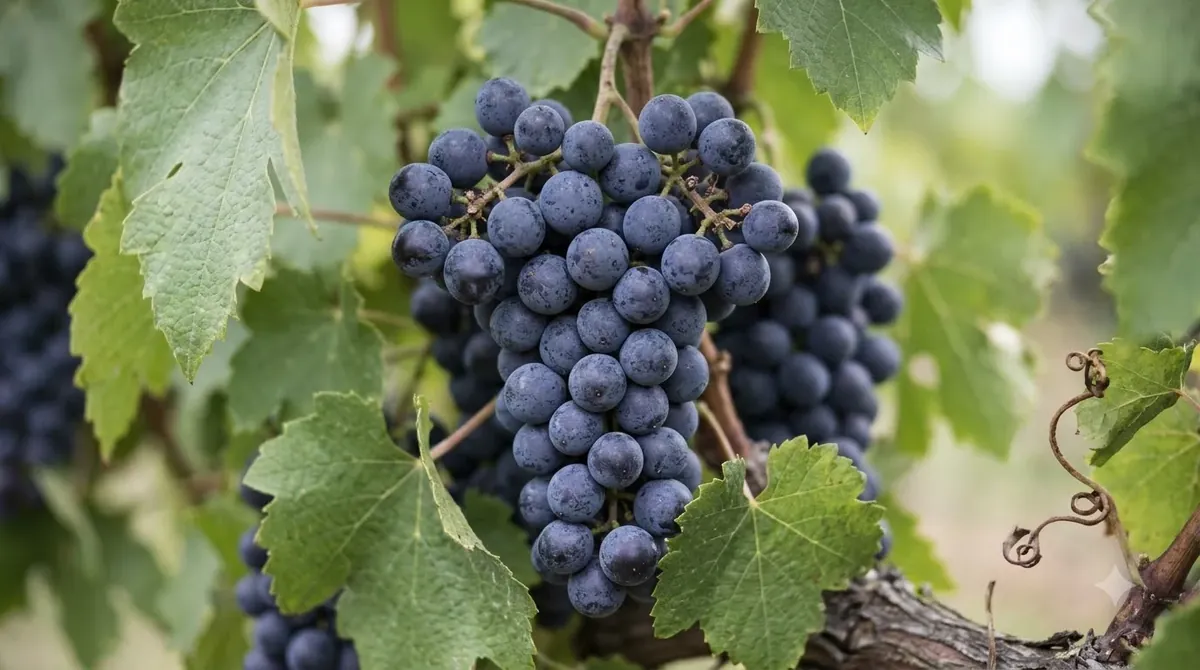
The aromas are often more recognizable than those of other white wines. The Alsace wine authority’s tasting profile describes lychee, passion fruit, pineapple, mango, roses, citrus, and spice; Decanter’s overview of the grape adds rose, apricot kernel, tropical fruit, pepper, and sweet spices. Aroma is not a reliable measurement of residual sugar: a dry Gewurztraminer may smell lavishly fruity, while a sweet version has sugar remaining after fermentation. The floral character can be intense enough to fill the room before the first sip, which is why the grape is easy to recognize in a blind tasting.
On the palate, the grape is usually broad and full-bodied rather than lean and crisp. Its acidity is generally less pronounced than Riesling’s, so the best sweet examples need balance from freshness, bitterness, and aromatic detail. A pleasant finish may show ginger, clove, white pepper, or citrus peel. Gewurztraminer grapes have pinkish skins, while the wine is commonly golden yellow, but color is not a dependable sweetness scale.
How Sweetness Changes From Dry to Dessert Style
Gewurztraminer is made in several sweetness levels, from bone-dry to intensely sweet. For a buyer seeking sweetness, the most useful distinction is between a dry or off-dry table wine, a noticeably sweet everyday bottling, and a concentrated late-harvest dessert wine.
A dry bottling can smell of rose water, ripe pear, lychee, and tropical fruit; its generous texture may seem softer than a crisp Sauvignon Blanc, but that does not mean it contains much sugar. Off-dry versions add sweetness that can cushion chili heat and echo sweet-sour sauces in Thai, Indian, and Chinese cooking. A sweeter table wine suits fruit-forward dishes, aromatic curries, and assertive cheeses, while late-harvest versions bring concentrated candied citrus, apricot preserve, honey, quince, and dried fruit.
Residual sugar, usually listed in grams per liter (g/L), is the technical measure to look for when a producer publishes it. There is no single number for the variety: acidity, alcohol, fruit concentration, and serving temperature all affect how sweet a wine tastes. A technical sheet or clear sweetness scale is more useful than guessing from the grape name, especially when choosing a bottle for dessert. A wine with noticeable sugar can still finish cleanly if its freshness and slight phenolic bitterness balance the fruit; sweetness alone does not determine quality.
Alsace Labels and Late-Harvest Terms
Alsace is the benchmark region for sweet Gewurztraminer, and two label terms are especially useful: Vendanges Tardives and Sélection de Grains Nobles. Both signal very ripe harvest conditions, but Sélection de Grains Nobles points to a more selective picking of berries affected by noble rot.
Vendanges Tardives translates as “late harvest.” In Alsace, the term refers to wines made from grapes picked in an overripe state, concentrating fruit and sugar. The regional wine authority describes the style as golden, silky, and rich, with aromas that can include quince, caramel, exotic-fruit jam, and honey. The finished wine can be balanced rather than simply sugary, with richness and freshness working together.
Sélection de Grains Nobles, often shortened to SGN, is more selective. Growers make successive picks of grapes affected by noble rot, or Botrytis cinerea, retaining the most desiccated berries. This creates a very rich wine with honey, candied fruit, cooked-fruit character, and a long finish; the berry concentration can make the individual grape character less obvious. Vendanges Tardives signals overripe fruit, while SGN identifies a careful selection of noble-rot-affected berries. Both are produced only when conditions allow, so consider each wine’s balance and serving role. Gewurztraminer is one of the four grape varieties permitted for Alsace Grand Cru wines, alongside Riesling, Muscat, and Pinot Gris.
Where to Look and How to Choose a Bottle
Start with Alsace if you want the classic expression, but do not assume every Gewurztraminer from the region is sweet. Germany’s Pfalz and Italy’s Alto Adige also offer distinctive versions, and the style can vary by producer.
In Alsace, the label may name the grape and appellation without spelling out the sweetness level. Some producers add sweetness information on the back label, and a technical sheet may list residual sugar, acidity, and alcohol. Germany’s Pfalz can offer a more restrained profile: Wine Enthusiast describes its Gewürztraminer as having a slight citrus character and a balance between sweetness and acidity. The term Spätlese indicates a ripeness category, not a guarantee that every bottle will taste equally sweet. Alto Adige, associated with the village of Tramin in northern Italy, is known for many dry examples that emphasize rose, lychee, and spice instead of dessert-like sweetness. Within Alsace, Decanter points to limestone sites such as Hengst and Marckrain for deep, rich, spicy wines, while granite and sandstone at Brand and Kessler can produce aromatic, fruit-led examples.
Use the producer’s stated style over the region name when sweetness is your priority. Compare the exact cuvée and vintage, since one winery may make both a dry bottling and a late-harvest bottling from the same grape. As a quick buying guide:
- For a lightly sweet aperitif: choose an off-dry bottle with fresh fruit and a clean finish.
- For spicy main dishes: choose a softly sweet or medium-sweet wine with enough body for coconut milk, ginger, and aromatic spices.
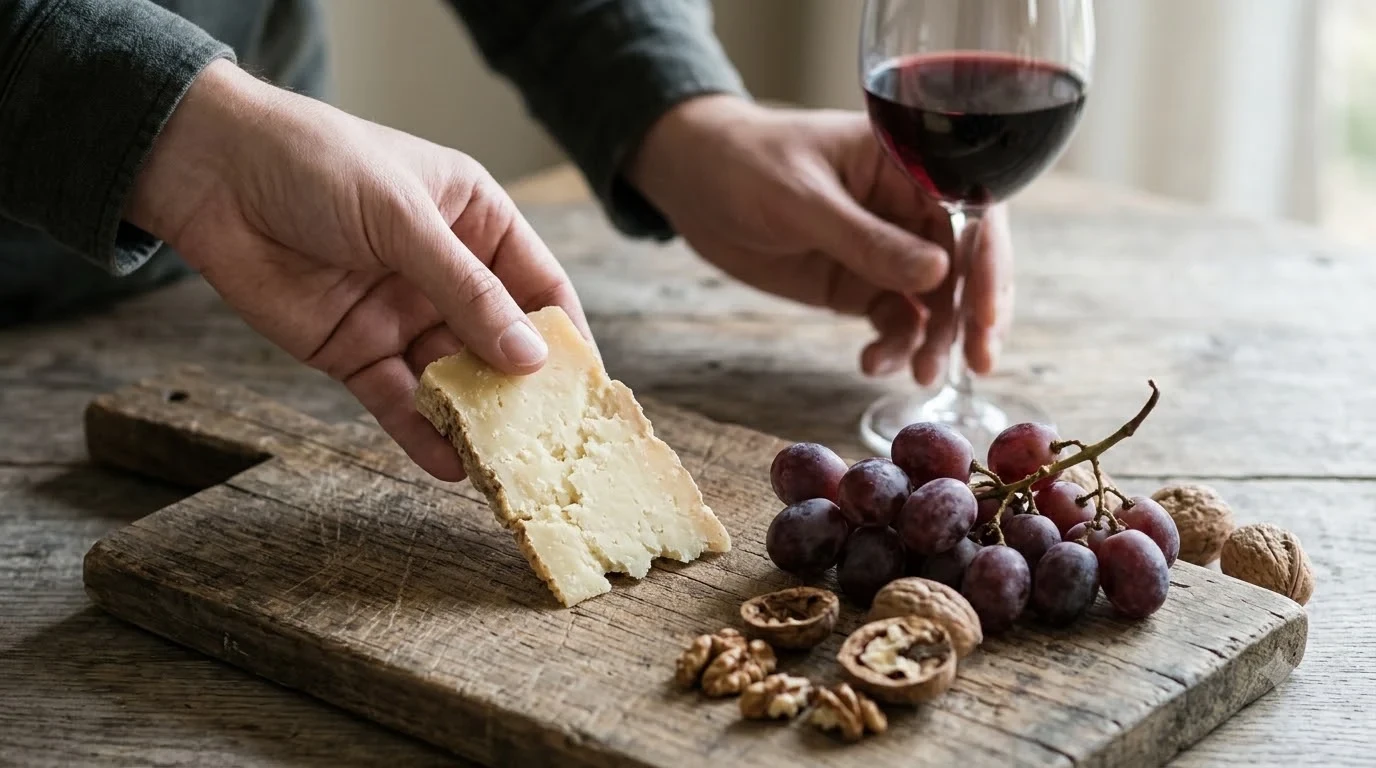
- For a cheese course: choose a richer Alsace bottling for Munster, Roquefort, or Stilton.
- For dessert: look for Vendanges Tardives, SGN, or an explicit sweet/dessert description, and pair it with a dessert no sweeter than the wine.
Food Pairings for Sweet Gewurztraminer
Sweet Gewurztraminer is especially useful with aromatic, spicy, salty, or fruit-accented food. Its sweetness can soften chili, its perfume can meet assertive seasonings, and its full body can stand up to dishes that would overwhelm a lighter white wine.
For Southeast Asian food, try Thai green curry, Vietnamese lemongrass chicken, Indonesian dishes with coconut milk, or stir-fried vegetables with ginger and sweet-sour glaze. A little sweetness can temper chili and echo sugar in the sauce, but keep the heat moderate: alcohol and tannin can amplify chili burn. Indian and North African dishes also suit the grape’s fragrance; pair an off-dry bottle with chicken tikka masala, vegetable korma, or a tagine seasoned with cinnamon, ginger, apricot, and preserved lemon. Sweeter sauces and dried-fruit components can handle a sweeter wine, while sharp lime, vinegar, or tamarind calls for freshness.
Munster is the classic cheese match, while Roquefort and Stilton bring salt and pungency that balance sweetness. For dessert, choose apricot tart, peach galette, mango, poached pear, crème caramel, or cake with ginger and cinnamon; the wine should be at least as sweet as the dessert. Late-harvest wine can also suit lobster with citrus sauce or fish with a citrus emulsion, but a delicate, simply grilled fish may be overwhelmed by a very sweet bottle.
Serving Temperature, Glassware, and Storage
Serve sweet Gewurztraminer cool, but not so cold that its perfume disappears. A useful target for a full-bodied white is 50–55°F; richer late-harvest wines can be poured toward the warmer end of that range so their floral, spice, and honey notes are easier to smell.
Chill the bottle in the refrigerator and take it out shortly before serving. If it is too cold, allow it to warm in the glass for several minutes; the aroma should become more expressive as the temperature rises. Avoid leaving the bottle in an ice bucket for a long stretch, because an excessively cold pour can mute the lychee, rose, and spice that make the grape distinctive. A tulip-shaped white-wine glass with enough room to swirl helps concentrate the aromas without requiring a large pour. Fill the glass only partway, leaving space above the wine so its floral and spice notes can gather rather than disappearing over the rim.
A standard tasting pour is about 5 ounces, and a 750-milliliter bottle provides roughly five such glasses. For a very sweet SGN or late-harvest wine, smaller dessert pours may be more appropriate, especially after a full meal. The wine’s richness means a few ounces can be satisfying alongside a sweet course or strong cheese.
| Serving detail | Practical guide | Why it helps |
|---|---|---|
| Temperature | 50–55°F | Cool enough to stay refreshing while allowing the aromas to show |
| Standard pour | 5 oz | A measured serving leaves room to assess the wine’s aroma and finish |
| Bottle size | 750 ml | Provides about 5 standard 5-oz pours |
| Opened still wine | 3–5 days refrigerated | Reseal promptly and keep the bottle cold between pours |
After opening, reseal the bottle and store it in the refrigerator. Still wines generally keep for about 3–5 days under refrigeration, although the most delicate floral aromas may fade before the wine becomes unpleasant. Late-harvest wines can remain enjoyable over several days, but check their aroma and flavor before serving again. Store unopened bottles on their sides in a cool, dark place near 55°F, away from direct light and temperature swings.
Tip: Chill the bottle to about 50°F, pour a small taste, and let it sit for five minutes. If the aromas open while the finish stays balanced, the wine is ready; if it seems muted, give it a little more time in the glass rather than serving it warmer by guesswork.
Frequently Asked Questions
These quick answers address common buying and serving questions that are easy to miss when comparing bottles. Use them as a final check when deciding whether a Gewurztraminer will work as an aperitif, with dinner, or alongside dessert.
Is Gewurztraminer always sweet?
No. Gewurztraminer can be made bone-dry, off-dry, medium-sweet, or intensely sweet. An Alsace Grand Cru designation identifies a recognized vineyard site and does not, by itself, tell you the wine’s sweetness level. The wine’s aroma can seem sweet even when little residual sugar remains.
What does Gewurztraminer mean?
The German word “Gewürz” means spice, and the name points to the variety’s distinctive spicy fragrance. The grape is associated with Tramin, a village in Alto Adige in northern Italy. The umlaut is often omitted in English and French spelling, so “Gewurztraminer” and “Gewürztraminer” refer to the same variety.
Can sweet Gewurztraminer age?
Some concentrated Alsace examples can develop complexity over many years, especially wines from strong sites and carefully selected late harvests. Decanter notes that top examples can reward 15 to 20 years of cellaring. Most everyday Gewurztraminer is intended to be enjoyed young while its rose, lychee, and spice aromas remain vivid.
What is the difference between Vendanges Tardives and SGN?
Vendanges Tardives identifies a late-harvest wine made from overripe grapes. Sélection de Grains Nobles requires selective picking of berries affected by noble rot, with the most desiccated berries retained. Some SGN bottlings are served on their own rather than with dessert because their concentration and texture can make them a complete final course.
Is Gewurztraminer a white or red grape?
It is classified as a white-wine grape, even though its berries have pink to reddish skins. The juice is not deeply colored, and the resulting wine is commonly pale gold to a deeper golden yellow. That skin color is one reason Gewurztraminer can look slightly more golden than some other aromatic white wines.
Sweet Gewurztraminer is a strong choice when you want a white wine with clear perfume, generous texture, and enough sweetness to accompany spice or fruit-based dessert. For a first purchase, begin with a balanced Alsace bottling, then explore Vendanges Tardives or SGN for a more concentrated finish; once you know whether you prefer bright lychee and spice or honeyed dried-fruit richness, compare sweet Chenin Blanc, sweet Cava, and the broader Wine Buying Guides. The best bottle is the one whose sweetness, freshness, and intensity suit the meal.
More in Wine Buying Guides
 Riesling Gift: Choose a Bottle They’ll LoveUpdated Nov 21, 2026
 Sweet Red Wine Gift: Choose a Bottle They’ll LoveUpdated Nov 21, 2026
 Malbec Gift: How to Choose a Memorable Bottle for Any OccasionUpdated Nov 21, 2026
 Sherry Gift Ideas That Match Every Wine LoverUpdated Nov 21, 2026
 Moscato Gift: How to Choose a Sweet Wine They’ll LoveUpdated Nov 21, 2026
 Merlot Gift: How to Choose a Bottle They’ll AppreciateUpdated Nov 21, 2026