

We may earn a commission when you buy through links on this page, at no extra cost to you. Learn more.
A burgundy food pairing works best when the dish matches the wine’s weight, acidity, and texture: serve Chablis with oysters, richer white Burgundy with roast chicken or creamy seafood, and red Burgundy with duck, mushrooms, or pork. Burgundy is not one single style, so the best match depends on whether the bottle is a lean Chardonnay or a supple Pinot Noir. Start with the wine’s structure, then choose food with compatible richness and seasoning.
Burgundy, or Bourgogne, is a region in east-central France known especially for Chardonnay and Pinot Noir. Its wines can be delicate, mineral, savory, or generous, and the difference between Chablis, Meursault, and a red from the Côte de Nuits can matter more at the table than the word “Burgundy” on the front label. The pairings below are designed for familiar American meals as well as classic Burgundian dishes, with practical guidance for seafood, poultry, red meat, vegetables, cheese, and serving temperature.
Understand Burgundy’s Two Main Wine Styles
The easiest way to build a successful Burgundy food pairing is to identify the grape and the wine’s weight before choosing a dish. White Burgundy is generally Chardonnay, while red Burgundy is generally Pinot Noir; both grapes retain enough freshness to work with food, but they meet different ingredients in different ways.
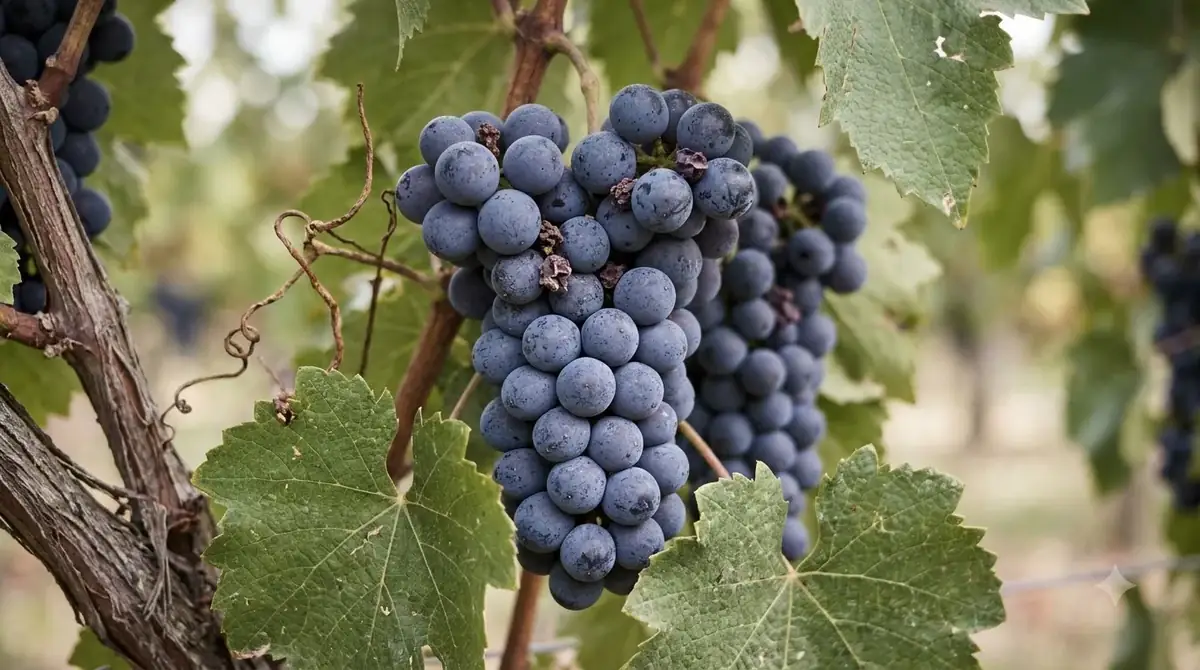
Pinot Noir from Burgundy is usually lighter in color and body than many Cabernet-based reds, with red-fruit and spice notes, high acidity, and low-to-medium tannin. That combination makes it unusually flexible: it can accompany roasted poultry, duck, pork, mushrooms, and even meatier fish without overwhelming the dish. A modest amount of tannin gives the wine shape, but it is not so forceful that every plate needs a large cut of beef. As Pinot Noir ages, its fruit character can become more earthy and savory, making mushroom, herb, and stock-based flavors particularly natural partners.
White Burgundy ranges from crisp, lean Chardonnay to broader wines with a creamy or nutty impression. Chablis often feels taut, citrusy, and mineral, while a richer Côte de Beaune white has more body and can match butter, cream, and roasted flavors. Berry Bros. & Rudd’s Burgundy pairing guide recommends lighter Bourgogne Blanc and Chablis for oysters, and richer Meursault or Pouilly-Fuissé for heavier dishes.
Think of acidity as freshness and body as weight. Match high-acid Chablis to bright or salty food, and fuller Chardonnay to fat or cream. Pinot Noir’s gentle tannin and lively acidity suit meals that need red wine without a heavy protein. The broader Wine Pairing rule is to match intensity first, then consider acidity, tannin, and sweetness.
Choose by Appellation and Bottle Style
Burgundy’s place names offer useful clues about style, which can help narrow the menu before the bottle is opened. Chablis usually points toward a leaner white, the Côte de Beaune is known for important white Burgundy villages such as Meursault and Puligny-Montrachet, and the Côte de Nuits is especially associated with red Pinot Noir.
These are broad guides: producer choices, vintage conditions, and vineyard sites change a wine’s weight and flavor. Wine Enthusiast notes Burgundy’s varied soils and microclimates, and describes Pinot Noir as high in acidity with low-to-medium tannin. Chablis Chardonnay is leaner and more sharply defined than many whites farther south. See Wine Enthusiast’s Burgundy region overview for more on the geography.
Use the village or subregion as a starting point, then look at the wine itself. A basic Bourgogne Blanc may be lighter and more direct than an oak-influenced village Chardonnay; a village-level red may be more approachable than a concentrated Premier Cru or Grand Cru. Higher classification signals a more specific vineyard origin and often greater complexity; it does not automatically mean the wine needs heavier food.
| Wine style or place | Typical structure | Good first pairing |
|---|---|---|
| Chablis | Lean, high-acid Chardonnay | Oysters, mussels, steamed fish |
| Richer Côte de Beaune white | Fuller Chardonnay, sometimes with oak influence | Roast chicken, lobster, mushroom cream sauce |
| Light Bourgogne Rouge | Fresh Pinot Noir, modest tannin | Roast pork, salmon, charcuterie |
| Côte de Nuits red | Pinot Noir that can be more structured | Duck, pheasant, lamb, savory game dishes |
Choose the dish around the wine’s likely style, not prestige words alone. A restrained Volnay may suit roast chicken better than a sauce-heavy stew, while a structured Pommard can welcome a more substantial preparation. Elegant Chablis favors lighter sauces; richer Meursault can meet cream and browned flavors more confidently.
Pair White Burgundy with Seafood and Poultry
White Burgundy is a natural choice for seafood, shellfish, and poultry because Chardonnay’s acidity can cut through richness without erasing delicate flavors. Use a lean Chablis for briny or simply prepared seafood, and choose a fuller Côte de Beaune Chardonnay when the dish includes butter, cream, browned skin, or a richer sauce.
Oysters are a classic match for Chablis: its crisp acidity and stony character keep the pairing clean, while the oysters’ saltiness gives the wine a savory counterpoint. The same bottle works with shrimp cocktail, steamed mussels, scallops, or white fish with lemon and herbs. Keep sauces restrained; a sweet glaze or very spicy sauce can make the wine taste thin or sharp. The crisp, high-acid logic also explains why an albarino food pairing often works well with shellfish, though Burgundy offers a broader range of Chardonnay weights.
For richer white Burgundy, move toward lobster with butter, seared scallops with cauliflower purée, crab cakes with a restrained aioli, or halibut with a cream-and-herb sauce. The texture of a fuller Chardonnay can stand alongside the richness of these dishes, while its acidity prevents the combination from becoming heavy. Roast chicken is another dependable partner, particularly when served with pan juices, mushrooms, tarragon, or a modest cream sauce. A chicken supreme with mushroom sauce is one of the regional pairings highlighted by Québec’s SAQ, alongside Chablis and oysters.
White Burgundy also works with pork when the seasoning stays balanced. Pork tenderloin with apples, roast pork loin with thyme, and pork chops with a mustard cream sauce can all suit a rounder Chardonnay. Choose a brighter Bourgogne Blanc for pork with lemon, fennel, or a fresh herb salad; choose a richer village white for a browned chop with buttery potatoes. If the plate uses a highly acidic vinaigrette, be sure the wine has equal or greater acidity, or the dressing may make the Chardonnay seem flat.
Pair Red Burgundy with Meat, Fish, and Savory Sauces
Red Burgundy is especially good with poultry, duck, pork, and dishes built around mushrooms or light reductions. Pinot Noir has enough acidity to refresh the palate, but its low-to-medium tannin makes it more adaptable than a heavily structured red when the meal includes delicate meat or fish.
Roast chicken is a strong match, whether it is simply seasoned with thyme or served with a pan sauce. Duck breast with cherry or plum sauce can echo Pinot Noir’s red-fruit character, while duck confit brings salt, fat, and crisp skin that soften the wine’s tannin. A roast turkey breast, pork loin, or grilled pork chop can also work, especially when the cooking emphasizes browning, herbs, and savory juices rather than a sweet barbecue glaze. For a richer red from Gevrey-Chambertin or Nuits-Saint-Georges, serve game birds, lamb, or a more deeply flavored roast.
Beef can work, but the preparation matters. A leaner Pinot Noir is often more persuasive with beef tenderloin, steak frites, or a modest mushroom pan sauce than with a huge, heavily charred rib-eye. The wine’s acidity lifts the meat’s richness, while the dish’s protein and fat soften its tannin. For a slow-cooked beef stew, choose a more structured Pinot Noir and keep the sauce savory rather than sweet. Burgundy’s famous boeuf bourguignon is a natural cultural reference, but a stew does not require an expensive bottle to taste satisfying; use a balanced red for cooking and pour a wine of similar style at the table.
Pinot Noir can accompany meatier fish: try seared tuna or grilled salmon with mushrooms, lentils, or roasted vegetables. Avoid pairing a firm, tannic red with oily fish, which can create a metallic or harsh impression. Keep the Pinot light, serve it slightly cool, and avoid assertive chili heat because alcohol and tannin amplify the sensation of spice. For tomato-heavy sauces or bolder grilling, an Italian red such as Barbera may be a better fit.
Build Vegetable, Mushroom, and Cheese Pairings
Mushrooms are among the most reliable foods for both red and white Burgundy because their earthy, savory character complements the wines without demanding excessive tannin or sweetness. Vegetables, lentils, and cheeses can also work beautifully when their seasoning and texture suit the bottle’s body.
For red Burgundy, try roasted mushrooms, mushroom risotto, lentil salad with herbs, beet salad with walnuts, or a savory tart with caramelized onions. Pinot Noir’s acidity balances the richness of butter or cheese in risotto, while its red-fruit and earthy notes connect with mushrooms and root vegetables. A mushroom pâté or lentil loaf can provide enough savory depth for a lighter red without the heaviness of a large cut of meat. Keep strong vinegar modest; a sharp dressing can make even an elegant Pinot Noir taste less lively.
For white Burgundy, choose vegetable dishes with butter, cream, nuts, or gentle browning. A cauliflower gratin, leek tart, roasted squash with hazelnuts, or mushroom toast can complement a richer Chardonnay. A lean Chablis is better with asparagus dressed in lemon, green salads, or vegetables served with a light vinaigrette, provided the acidity of the dressing does not exceed the wine’s. The same principle used for seafood applies here: bright food needs a wine with enough freshness to match it.
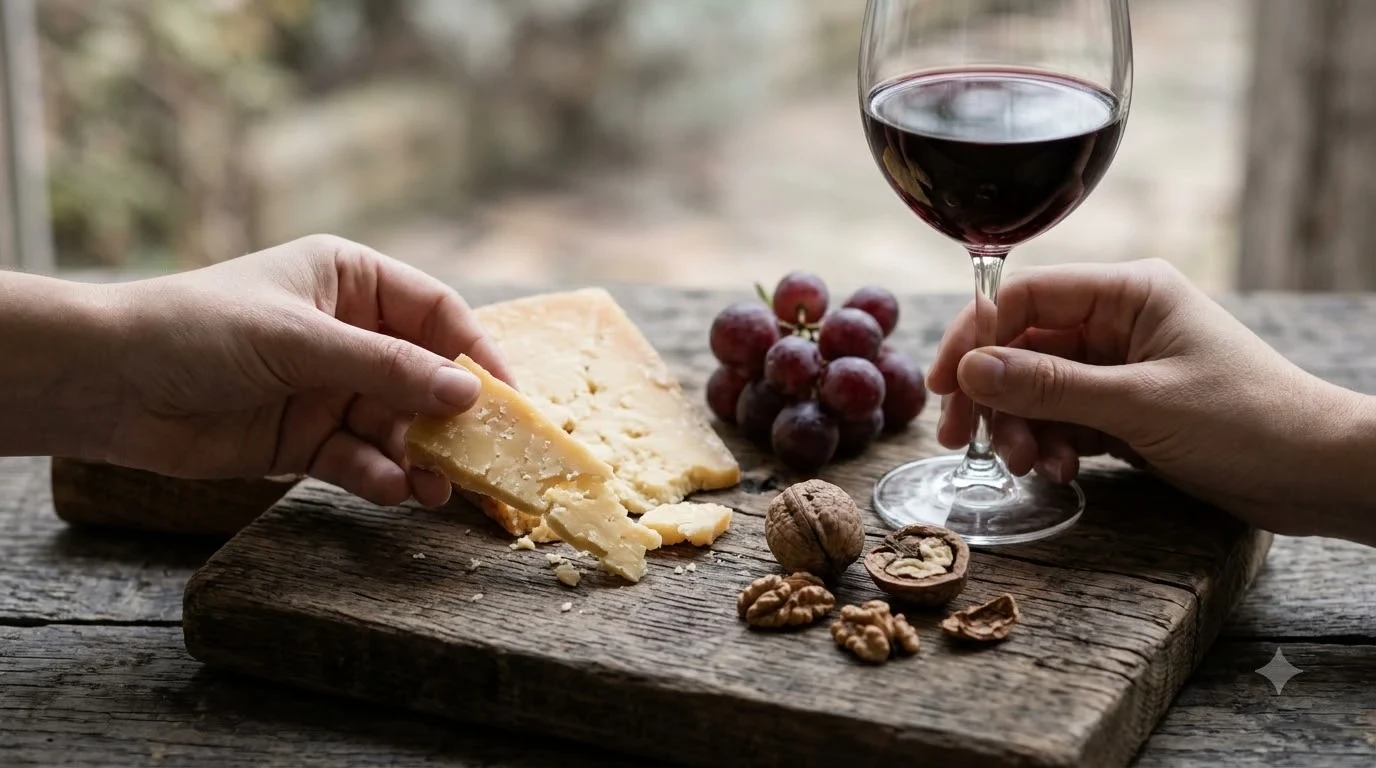
Cheese pairings depend on intensity and texture. Fresh goat cheese suits crisp white Burgundy; Comté, Gruyère, and other nutty firm cheeses can suit fuller Chardonnay. Mild washed-rind or soft cow’s-milk cheese can work with Pinot Noir. Pungent blue cheese may overwhelm delicate Burgundy, while salty hard cheese can make a lean white seem sharper. For a varied board, offer a crisp white and a medium-bodied red.
Serve Burgundy at the Right Temperature
Serving temperature can change the balance of Burgundy: too cold, and aromas and texture become muted; too warm, and alcohol can seem more pronounced while freshness fades. Chill white Burgundy enough to feel refreshing, but do not serve richer Chardonnay straight from a very cold refrigerator, and give red Pinot Noir a light chill rather than letting it grow warm on the counter.
Use these practical starting ranges, adjusted slightly for the wine’s weight and the room temperature. The ranges below follow standard service guidance for light whites, full whites, light reds, and fuller reds.
| Burgundy style | Serving temperature | Pairing example |
|---|---|---|
| Chablis and lighter white Burgundy | 45–50°F | Oysters or poached fish |
| Fuller white Burgundy | 50–55°F | Roast chicken or lobster |
| Light or elegant red Burgundy | 55–60°F | Duck breast or roast pork |
| Fuller, more structured red Burgundy | 60–65°F | Lamb or savory beef stew |
Chill white Burgundy briefly, then let it warm gradually in the glass. If a red bottle feels warm, a short spell in the refrigerator can bring it closer to the light-red range; modern dining rooms are often warmer than traditional cellars. Decanting is optional for young Pinot Noir: the Beaune tourism office says a few minutes of aeration may be enough, while Chardonnay may benefit from 15 to 30 minutes of air. Taste older or delicate bottles before decanting, and serve delicate Chablis before richer Côte de Beaune Chardonnay, or lighter Pinot Noir before a structured Côte de Nuits red.
Tip: Start with a 5-ounce pour and let the wine open in the glass. A 750 ml bottle provides about five standard glasses, leaving room for guests to compare the wine with more than one course.
Keep chili heat modest and sweet glazes restrained: acidic food needs an equally fresh wine, fat and salt soften tannin, and dessert wine should be at least as sweet as the dessert.
Frequently Asked Questions
These quick answers cover common questions that come up when choosing Burgundy for a meal, from regional grapes to sparkling alternatives. They add a few useful details beyond the main food-pairing examples.
Is Aligoté also a Burgundy grape?
Yes. Aligoté is a permitted white grape grown in Burgundy, although Chardonnay is the region’s best-known white variety. Aligoté is often used in the traditional apéritif Kir, where dry white wine is mixed with crème de cassis.
Does Burgundy produce sparkling wine?
Yes. Crémant de Bourgogne is Burgundy’s traditional-method sparkling wine. It can be made from permitted local varieties, including Chardonnay and Pinot Noir, and is a useful alternative when the menu begins with fried appetizers or salty charcuterie.
What does “climat” mean on a Burgundy wine page?
In Burgundy, a climat is a precisely identified vineyard site with its own recognized character and boundaries. The Climats of the Côte de Nuits and Côte de Beaune were added to the UNESCO World Heritage List in July 2015.
Is every Burgundy Chardonnay aged in oak?
No. Chablis is often made in a lean, fresh style and is not automatically aged in oak. Other Chardonnay wines from the Côte de Beaune may have oak influence, but the amount and effect vary by producer and bottling.
Why can two Burgundy wines from nearby vineyards taste different?
Small changes in slope, exposure, soil, and microclimate can influence how grapes ripen. Burgundy’s vineyard holdings are also divided among many growers, so producer choices contribute another layer of variation from one bottle to the next.
The most dependable Burgundy pairing is the one that respects the wine’s weight and freshness: Chablis with seafood, fuller white Burgundy with creamy poultry, and Pinot Noir with duck, pork, mushrooms, or delicately prepared meat. Use the appellation as a clue, season the dish with restraint, and let the bottle’s structure guide the final choice.
More in Food & Wine Pairing
 Risotto With White Wine Recipe: Make a Creamy Dinner at HomeUpdated Nov 20, 2026
 Wassail With Wine Recipe for a Festive Spiced Holiday DrinkUpdated Nov 20, 2026
 Spritz Veneziano Recipe: Make a Classic Venetian Aperitivo at HomeUpdated Nov 20, 2026
 Summer Wine Punch Recipe for Easy Homemade EntertainingUpdated Nov 20, 2026
 Bishop Recipe: How to Make a Bright, Citrus-Forward Red Wine CocktailUpdated Nov 20, 2026
 Wine Cupcakes Recipe: Bake Rich Chocolate Cupcakes at HomeUpdated Nov 20, 2026