

We may earn a commission when you buy through links on this page, at no extra cost to you. Learn more.
Dry Merlot is a still red wine fermented until most of its grape sugar has been converted into alcohol, so it tastes dry rather than sugary. It can still smell and taste richly of ripe plum, cherry, blackberry, cocoa, and vanilla. Most bottles have medium to full body, moderate acidity, and softer tannins than Cabernet Sauvignon, making Merlot a practical choice for weeknight meals and richer dishes alike.
For a shopper, the useful question is not simply whether Merlot is dry; it is which style will suit the meal and the palate. Climate, vineyard site, ripeness, oak, and blending all affect whether a bottle feels juicy and easygoing or savory, firm, and structured. The guide below explains the differences to look for before choosing a bottle.
Is Dry Merlot Actually Dry?
Yes. Most Merlot is made as a dry red wine, meaning fermentation converts nearly all of the grape juice’s fermentable sugar into alcohol. A ripe-fruit aroma can make the wine seem sweet, but that impression is different from measurable residual sugar. Compared with Cabernet Sauvignon, Merlot usually has softer tannins and a rounder feel.
Residual sugar is the small amount of grape sugar that remains after fermentation. It is not automatically a sign that a wine is sweet: according to Wine Enthusiast, a few grams per liter can still fall within the dry category. A winemaker may leave a little sugar to round the texture, or fermentation may stop before every bit of sugar is used. The finished wine can therefore taste generous and soft while still being classified as dry. For the distinction between ripe fruit and actual sweetness, see Wine Enthusiast’s Merlot overview.
When shopping, think about the overall impression rather than treating words such as “plum,” “jammy,” or “rich” as proof of sweetness. Those terms commonly describe fruit ripeness and concentration. A dry Merlot can have an abundance of blackberry and black-cherry flavor without tasting like a sweet red blend. If you prefer a clean, savory finish, look for descriptions mentioning fresh fruit, herbs, earth, or restrained oak rather than a deliberately sweet finish.
What Dry Merlot Tastes Like
Dry Merlot is usually fruit-forward, rounded, and medium to full in body, with moderate acidity and medium, softer tannins. Its familiar flavors include plum, black cherry, blackberry, and sometimes raspberry; oak aging can add vanilla, cedar, clove, coffee, or cocoa.
In the glass, Merlot often shows a deep ruby color, sometimes with violet tones in a young wine. On the nose, ripe plum and black cherry may lead, followed by floral hints such as violet or savory notes such as bay leaf, tobacco, graphite, and dried herbs. The exact mix changes with climate and winemaking. A ripe, warm-climate bottling can emphasize dark fruit and a rounded texture, while a cooler-climate wine may lean toward red cherry, herbal notes, and a firmer finish. Oak can contribute spice and toast, but fruit and place should remain recognizable rather than being buried beneath vanilla.
Merlot’s tannins are generally softer than Cabernet Sauvignon’s, but “soft” does not mean tannin-free or thin. Tannin creates a drying, lightly gripping sensation along the gums, while acidity makes the mouth water. Merlot typically offers enough structure to accompany food without the pronounced grip associated with Cabernet Sauvignon or a strongly extracted Syrah. Compared with Pinot Noir, Merlot is often darker and broader, with more body and a plummier profile; Pinot Noir tends to be more sharply acidic and lighter in tannin. These are general tendencies, not guarantees for every producer or region.
How Region and Climate Shape Merlot
Place is one of the clearest clues to a Merlot’s style. Bordeaux’s Right Bank, California, Chile, Washington, and parts of Italy all produce Merlot, but local conditions can shift the wine from savory and structured to plush and fruit-led.
In Bordeaux, Merlot is especially important in Saint-Émilion and Pomerol, where it often forms a major part of the blend. The Bordeaux wine body describes Merlot as the region’s dominant red grape, accounting for about 60% of Bordeaux AOP plantings, and notes its affinity for clay-limestone and gravel soils. Bordeaux wines may combine Merlot with Cabernet Franc, Cabernet Sauvignon, or Petit Verdot. Merlot contributes rounded fruit and texture; Cabernet Sauvignon can bring firmer tannin and structure. A bottle labeled Saint-Émilion or Pomerol is therefore a regional wine, not necessarily a single-grape Merlot.
In California, especially Napa and Sonoma, Merlot often shows ripe black cherry, blackberry, and plum. Chilean examples can be juicy and supple, while cooler sites in Washington, New York, or other regions may show more herbal character and a firmer line of acidity. Decanter notes that cooler-climate Merlot can show grassy and bell-pepper notes, while ripe grapes can develop blackberry, blueberry, chocolate, and spice; its Merlot grape profile outlines the contrast. Alcohol is a clue to ripeness and weight, though not a complete quality score. Wine Enthusiast gives a useful broad comparison: Merlot from cooler French regions often sits around 13–14% ABV, while warmer-climate examples from California, Chile, and Australia can approach 14.5% ABV.
| Broad style cue | Typical ABV reference | What to expect in the glass |
|---|---|---|
| Cooler-region Merlot, including many French examples | About 13–14% | Often more savory, herbal, and structured |
| Warmer-region Merlot, including examples from California, Chile, and Australia | Can approach 14.5% | Often riper in fruit and fuller in impression |
These figures are broad reference points, not rules that every bottle must follow. Vintage conditions, harvest decisions, vineyard elevation, and cellar choices can shift the result. Use the region and the producer’s description together: a warm-climate bottle can still be balanced, and a cool-climate wine can still have concentrated fruit. For another dry red with a different grape profile, compare the regional and flavor cues in a dry malbec before deciding which direction best fits the meal.
How to Choose a Bottle of Dry Merlot
Start with the kind of wine you want at the table, then use the region, label wording, and alcohol level as practical clues. A straightforward varietal Merlot is often the easiest route to the grape’s familiar plum-and-cherry profile, while a Bordeaux appellation or a named red blend may offer a more layered combination of grapes.
For a softer, fruit-led style, look at Merlot from warmer parts of California or Chile and read for words such as ripe cherry, plum, smooth, or rounded. For a more savory and structured wine, consider Bordeaux, Washington, or a cooler site and descriptions mentioning herbs, graphite, cedar, or firm finish. These are starting points rather than guarantees: producer choices, vintage weather, and oak treatment matter as much as a place name. A note of vanilla or toast points to oak influence, while fresh fruit and herbs suggest the fruit character is more prominent.
Check whether the bottle is a varietal wine or a blend. A varietal label foregrounds Merlot, while a regional name such as Saint-Émilion can refer to a wine built from multiple Bordeaux grapes. Neither format is inherently better. Blending can give Merlot extra acidity, aromatic lift, or tannin structure, while a single-variety bottling lets the grape’s texture and fruit take the lead. If the label says “red blend,” look for Merlot in the grape information when available; a dry red blend may be a good fit when you want Merlot’s softness alongside Cabernet Sauvignon or another variety’s firmer structure.
Use alcohol percentage as one clue, not a shortcut to quality. A bottle around 13–14% ABV may feel more restrained than one near 14.5%, but balance depends on how alcohol, fruit, acidity, and tannin fit together. Scan the back label for a flavor description that matches the occasion, and consider the food before choosing the heaviest style. A weekday tomato-and-turkey pasta may call for fresh, moderate-bodied Merlot; grilled steak or slow-cooked beef can handle a deeper, more concentrated example. For more label-reading basics, browse the broader Wine Buying Guides.
Food Pairings That Work With Merlot
Merlot’s moderate acidity, softer tannins, and fruit-driven flavor make it flexible at the table. The easiest matches are roasted or grilled meats, poultry, mushrooms, burgers, and dishes with savory sauces; the best choice still depends on the wine’s body and the intensity of the recipe.
For a lighter or fruitier Merlot, try roast chicken, turkey, pork tenderloin, mushroom pizza, or a burger with caramelized onions. These foods have enough savory flavor to meet the wine without overwhelming its fruit. Medium-bodied Merlot also works with meatballs, lasagna, and pasta with a mellow tomato sauce. Tomato is naturally acidic, so a very sharp tomato preparation can make a moderate-acid Merlot seem flat. Choose a sauce softened with olive oil, roasted vegetables, or meat, or use a more acidic wine if the dish is particularly tangy.
For a fuller Merlot, move toward grilled steak, lamb chops, braised short ribs, duck, venison, or a mushroom-and-lentil stew. Salt and fat soften the sensation of tannin, so a salted steak or a dish with a little butter can make a structured red feel more supple. Roasted eggplant, portobello mushrooms, lentils, and grilled peppers bring savory depth without requiring meat. Match intensity: delicate roast chicken is easily overwhelmed by a very concentrated, oaky Merlot, while a substantial beef stew can make a lighter bottling seem faint.
Tip: Pair the wine with the main ingredient and the sauce, not just the dish name. A peppery barbecue glaze or chili-heavy marinade can make alcohol and tannin feel hotter, so choose a lower-alcohol, softer Merlot for spicy food and keep the heat moderate.
Merlot is not the best default for every menu. Very spicy dishes can amplify the warmth of alcohol and the grip of tannin. Oily fish such as salmon or mackerel is often a difficult match for tannic reds; a crisp white or a lighter, low-tannin red is usually safer. For dessert, the wine should be at least as sweet as the food. Since most Merlot is dry, a sweet dessert can make its fruit taste less vivid and its tannins more pronounced; serve the wine with the savory course instead.
Serving, Opening, and Storing Merlot
Serve most Merlot slightly cool rather than at a warm room temperature. A range of 60–65°F helps preserve fresh fruit and keeps alcohol from seeming overly hot, while a standard 5-ounce pour gives the wine enough room to show its aroma without filling the glass to the rim.
If the bottle has been stored at room temperature, a short chill can help. Wine Enthusiast suggests roughly 15 minutes in the refrigerator as a practical way to bring Merlot toward its serving range; check the temperature by touch or with a wine thermometer rather than relying on a fixed refrigerator time in every kitchen. If the wine is too cold, allow it to warm in the glass. If it is too warm, the alcohol can seem stronger and the flavors less distinct. Avoid serving every red at the same temperature: a light red may be served cooler, while a fuller Merlot benefits from the 60–65°F range.
Most young, ready-to-drink Merlot can be poured directly after opening. A young, full-bodied bottle may benefit from 30–60 minutes in a decanter, especially if its tannins feel firm or its aromas seem closed. Decanting exposes the wine to oxygen and can help it open, but older bottles do not automatically need a long decant; gentle handling is sensible when sediment may have formed. For a normal weeknight bottle, pour a small taste first, then decide whether the wine needs air rather than assuming every Merlot needs an hour.
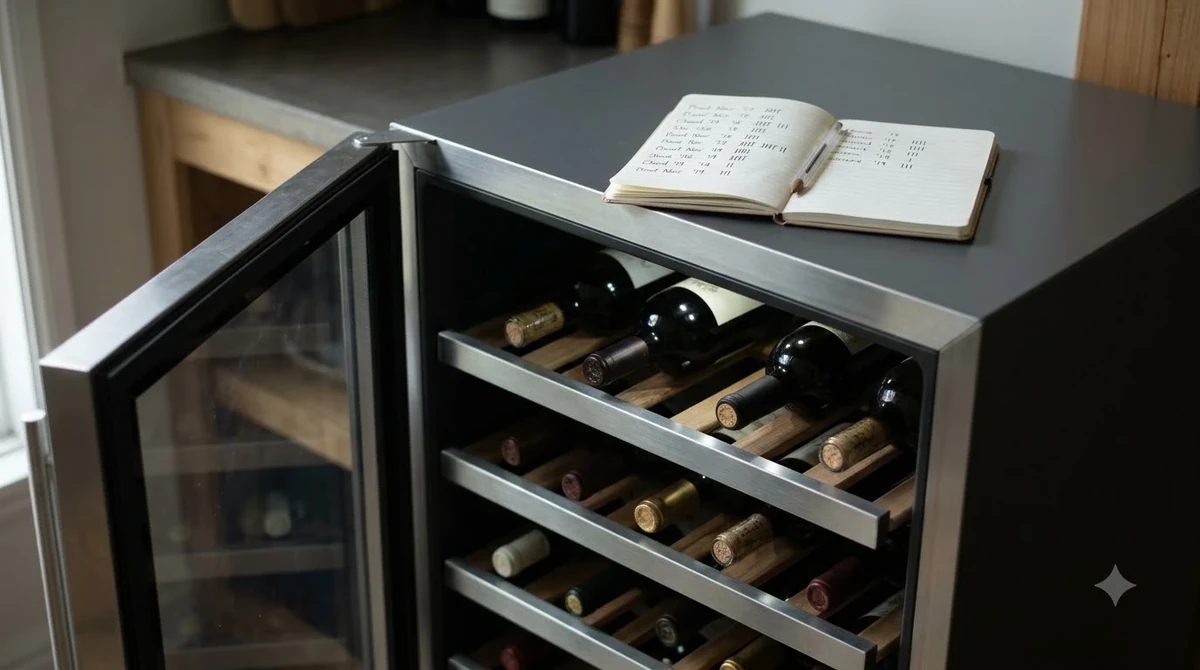
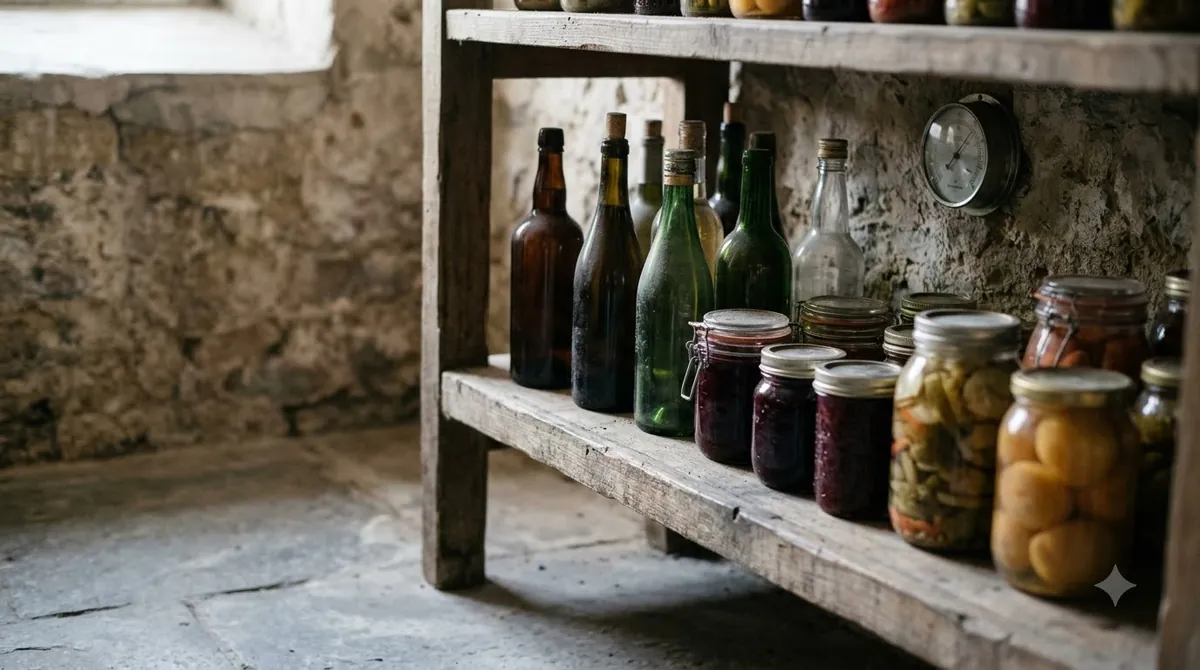
After serving, replace the cork or closure and refrigerate the remaining wine. Opened still wine generally keeps for about 3–5 days in the fridge, with fruit and freshness declining over time; bring the next glass back toward serving temperature before drinking. An unfinished 750-milliliter bottle yields about five standard 5-ounce pours, so the best storage plan is simply to seal it promptly and keep it cold. For unopened bottles intended for longer storage, lay them on their side in a cool, dark place near 55°F, away from sunlight, vibration, and sharp temperature swings.
Frequently Asked Questions
These quick answers cover a few details shoppers often wonder about after comparing styles, labels, and regions. They add useful background beyond the basic dry-versus-sweet distinction.
What does the word Merlot mean?
Merlot comes from the French word merle, meaning “blackbird.” The Bordeaux wine body connects the name with the grape’s dark berries and the bird itself, which is part of the variety’s local history.
Can Merlot be made into wine other than red wine?
Yes. Although still red wine is by far the familiar style, Bordeaux’s official grape-variety profile notes that Merlot can also be used for rosé and, less often, a blanc de noirs Crémant. Those styles are less common than red table wine.
Is Merlot related to Cabernet Sauvignon?
Merlot and Cabernet Sauvignon are related through Cabernet Franc, which is a parent of both grapes. Merlot’s other parent is Magdeleine Noire des Charentes, a much less familiar variety.
Does Merlot change color as it ages?
Yes. Young Merlot is often deep ruby, sometimes with purple or violet highlights. With bottle age, its color can lose brightness and move toward garnet or brick at the rim, so an older bottle may look lighter than it did in its youth.
Can Merlot age for decades?
Some fine Merlot and Merlot-led Bordeaux blends can develop over many years, and certain top examples can last for decades in suitable cellaring conditions. That does not mean every bottle is intended for long aging; many everyday Merlots are made to be enjoyed while their fruit is fresh.
Dry Merlot offers an approachable balance of ripe fruit, moderate acidity, and softer tannin, but bottles can differ substantially by region and producer. Choose a style that fits the dish, serve it around 60–65°F, and give a young, concentrated bottle a little air only when it needs it. That simple approach makes it easier to find a Merlot that belongs at the table you have planned.
More in Wine Buying Guides
 Cheap Red Blend: How to Find a Flavorful Bottle for LessUpdated Nov 20, 2026
 Pinot Grigio Gift: How to Choose a Bottle They’ll EnjoyUpdated Nov 20, 2026
 Best White Wine at Total Wine for Every MealUpdated Nov 20, 2026
 Wine Fridge Replacement Shelves: Find the Right FitUpdated Nov 20, 2026
 Best Sparkling Wine Under 20: Find Bubbles Worth BuyingUpdated Nov 20, 2026
 Best Wine For Birthday Celebrations With Perfect Party PairingsUpdated Nov 20, 2026