

We may earn a commission when you buy through links on this page, at no extra cost to you. Learn more.
Alexander Valley Vineyards wine offers Sonoma County character through estate-grown Cabernet Sauvignon, distinctive Zinfandel, Chardonnay, and Bordeaux-inspired blends. Founded by the Wetzel family in 1975, Alexander Valley Vineyards combines a long family winemaking tradition with the warm growing conditions of northern Sonoma County. Its recognizable bottles include Cabernet Sauvignon, Sin Zin, and CYRUS, each offering a different expression of the estate and surrounding appellation. Understanding the grapes, wine styles, and food pairings makes choosing the right bottle much easier.
Alexander Valley is one of Sonoma County’s important destinations for Cabernet Sauvignon, but its wines offer considerably more variety than powerful reds alone. The region’s combination of warm afternoons, cooling Pacific influences, varied elevations, and distinctive soils supports several grape varieties. Alexander Valley Vineyards brings these characteristics together through traditional estate wines and recognizable bottlings that appeal to both everyday wine drinkers and collectors. Here is what to know about the winery, its signature selections, and how to enjoy its wines.
Alexander Valley Vineyards History and Family Winemaking
Alexander Valley Vineyards has a history closely connected to the development of modern Sonoma County winemaking. The Wetzel family established its winery in 1975 after purchasing property associated with the valley’s historic Cyrus Alexander homestead. Its continued family ownership gives the winery a strong connection to the agricultural traditions and identity of Alexander Valley.
The story began before the first commercial vintage. Harry and Maggie Wetzel purchased their property in 1962, and their family gradually developed vineyards and restored the historic homestead. Their son Hank became increasingly involved in grape growing and winemaking. By 1968, the family had bottled its first Cabernet Sauvignon as a small homemade project. That early wine helped inspire the construction of a working winery.
Hank and Linda Wetzel formally established Alexander Valley Vineyards in 1975. Hank supervised winery construction and became the winemaker, while Linda managed the office and business operations. Their work helped establish the winery’s reputation for estate-grown wines, particularly Cabernet Sauvignon and Chardonnay.
The broader valley also has a long agricultural history. Cyrus Alexander arrived in the area in the nineteenth century, and the region eventually became known by his name. Commercial winemaking developed during the nineteenth century, including the establishment of Lone Pine Vineyard in 1889. However, wine production experienced setbacks during Prohibition and the economic difficulties that followed.
Modern vineyard development accelerated during the 1960s and 1970s. The Wetzel family was part of this renewed interest in premium grape growing, alongside other Sonoma County producers. Their efforts contributed to the region receiving American Viticultural Area recognition in 1984.
Several milestones explain the winery’s identity today:
- 1962: Harry and Maggie Wetzel purchased property on the historic homestead.
- 1963: The family began planting vineyards.
- 1968: The first family Cabernet Sauvignon was bottled.
- 1975: Alexander Valley Vineyards officially began operating as a winery.
- 1978: The first Sin Zin vintage introduced the winery’s recognizable Zinfandel.
- 1984: Alexander Valley received official AVA recognition.
- 1995: CYRUS made its debut as the winery’s flagship Bordeaux-inspired blend.
The winery also invested in its production facilities. Construction of underground aging caves began in 1997, creating approximately 7,000 square feet of naturally cooled barrel storage. The facility subsequently expanded, and the winery completed its fourth cave expansion in 2024, reaching 48,000 square feet of underground aging space. Kevin Hall joined the winery in 1998 and became its winemaker six months later.
Today, Alexander Valley Vineyards represents several generations of family involvement. Its history is useful context when comparing its bottles because the wines reflect a specific estate tradition rather than simply carrying a regional name. The winery’s official family history and winery timeline provide additional details about its development, vineyard replanting, and signature wine milestones.
Alexander Valley Terroir and Its Influence on Wine
Alexander Valley’s wines are shaped by warm sunshine, cooling marine air, and a varied landscape extending from the valley floor to the Mayacamas Mountains. These conditions help Cabernet Sauvignon develop ripe fruit and structured tannins while allowing other grapes, including Chardonnay, to retain freshness.
The appellation sits in northeastern Sonoma County. Its climate follows a Mediterranean pattern, with cool, wet winters and warm, dry summers. According to Alexander Valley Winegrowers, the region receives approximately 30 to 50 inches of precipitation annually, primarily during the cooler months.
Pacific air moves inland through the Petaluma wind gap and Russian River Valley. This cooling influence is particularly important because daytime warmth encourages grape ripening while cooler conditions help preserve acidity. The combination supports wines with ripe fruit character without requiring every variety to become excessively heavy.
Elevation also contributes to differences between vineyard sites. The broader appellation ranges from approximately 400 to 2,500 feet above sea level. Higher vineyards can experience stronger sunlight, thinner soils, and longer ripening periods than some valley-floor locations.
Soil composition varies considerably throughout the region. Gravel, sand, clay, volcanic material, and sedimentary deposits create different growing conditions. The eastern benchlands and western-facing slopes of the Mayacamas Mountains are especially associated with Cabernet Sauvignon production.
These differences influence the character of the finished wine:
- Valley-floor vineyards: Often benefit from deeper soils and different temperature patterns.
- Benchland vineyards: Gravelly and sandy soils can support balanced vine growth and concentrated fruit.
- Mountain vineyards: Higher elevations and well-drained soils can produce grapes with substantial skin development and structured tannins.
Alexander Valley Winegrowers identifies Cabernet Sauvignon as the region’s leading red variety and Chardonnay as its predominant white variety. Zinfandel and Merlot are also important grapes. These varieties explain why the region is particularly suitable for drinkers who enjoy ripe red fruit, structured reds, and balanced California Chardonnay.
For Alexander Valley Vineyards, the estate’s location provides opportunities to work with several vineyard environments. The winery’s historic connection to the valley and its long-term vineyard development make the surrounding terroir central to its identity. The regional organization’s Alexander Valley terroir overview explains how marine influences, soil composition, and elevations affect the area’s grape-growing conditions.
Signature Alexander Valley Vineyards Wines to Know
Alexander Valley Vineyards produces several recognizable wines, with Cabernet Sauvignon, Sin Zin, and CYRUS serving as particularly useful starting points. Chardonnay, Merlot, Sauvignon Blanc, and other selections provide alternatives for people who prefer lighter wines or different flavor profiles.
Cabernet Sauvignon
Cabernet Sauvignon is one of the winery’s most important bottlings. It represents the region’s strengths through concentrated dark fruit, noticeable tannins, and oak-influenced complexity. Typical tasting impressions can include blackberry, black cherry, cassis, plum, vanilla, and earthy notes.
The winery’s 2023 Cabernet Sauvignon provides a useful example of its blending and aging approach. Its composition was 92% Cabernet Sauvignon, 3% Malbec, 2% Petit Verdot, 2% Merlot, and 1% Cabernet Franc. The wine was aged for 14 months in French and American oak barrels, with 25% new oak.
This combination allows Cabernet Sauvignon to remain the dominant flavor while smaller amounts of other grapes contribute additional dimensions. It is a practical choice for people who enjoy structured California reds and want a wine suited to substantial meals.
Sin Zin Zinfandel
Sin Zin is among Alexander Valley Vineyards’ best-known labels. Its first vintage appeared in 1978 after a large second crop of Zinfandel and a family meal inspired the decision to produce a small quantity of homemade wine.
Zinfandel generally offers generous fruit character, often showing blackberry, raspberry, ripe cherry, pepper, and baking spices. Depending on the vintage and winemaking decisions, the wine can feel round and fruit-forward, with noticeable alcohol and moderate tannins.
Sin Zin is a useful alternative to Cabernet Sauvignon for someone who enjoys bold California reds but prefers a different fruit profile. Its approachable fruit character also makes it suitable for casual meals involving grilled meat, barbecue, and tomato-based dishes.
CYRUS
CYRUS is the winery’s flagship Bordeaux-inspired blend. Its inaugural vintage appeared in 1995, marking 20 years of winemaking at the estate. The name honors Cyrus Alexander, the historical figure associated with the valley’s identity.
The wine focuses on estate-grown grapes and combines Cabernet Sauvignon with complementary Bordeaux varieties. Depending on the vintage, the blend can include Merlot, Cabernet Franc, Malbec, and Petit Verdot.
Expect a more layered style than a straightforward varietal bottling. Dark berries, cassis, plum, oak spice, and savory characteristics are useful tasting reference points. CYRUS is particularly interesting for drinkers who enjoy structured blends with the depth to accompany a carefully prepared dinner.
Chardonnay
Alexander Valley Vineyards also has a long connection with Chardonnay. The family began planting the variety on its estate in 1966. The grape’s ability to retain freshness in suitable locations helped establish the winery’s reputation beyond Cabernet Sauvignon.
Typical Chardonnay flavors can include apple, pear, citrus, melon, and subtle oak-derived vanilla or baking spice. The precise balance depends on the vintage, fermentation choices, and barrel treatment.
Other White Wines, Rosé, and Merlot
The winery’s broader portfolio includes Sauvignon Blanc, organically grown Gewürztraminer, and dry Rosé of Sangiovese. These selections offer alternatives to the estate’s more famous reds.
Sauvignon Blanc generally emphasizes acidity and citrus or green-fruit flavors. Gewürztraminer can provide expressive floral aromas and spice, while dry Sangiovese rosé offers refreshing fruit and a lighter structure. Merlot is another useful choice for people who enjoy red wine but prefer softer tannins than Cabernet Sauvignon typically provides.
The following comparison summarizes the main styles:
| Wine | Main Character | Typical Tannin | Best Occasion |
|---|---|---|---|
| Cabernet Sauvignon | Blackberry, cassis, oak, dark plum | High | Steak dinners and aging |
| Sin Zin Zinfandel | Ripe berries, spice, pepper | Medium | Barbecue and casual meals |
| CYRUS | Dark fruit, structured oak, savory notes | Medium-high to high | Special dinners and collecting |
| Chardonnay | Apple, pear, citrus, possible vanilla | None | Roasted poultry and seafood |
| Sauvignon Blanc | Citrus, herbs, fresh fruit | None | Seafood and salads |
| Merlot | Plum, cherry, softer dark fruit | Medium | Roasted meats and pasta |
| Dry Rosé | Red berries and refreshing acidity | Low | Lunch and summer meals |
Vintage differences matter when comparing individual bottles. A Cabernet from one harvest may have more noticeable acidity or firmer tannins than another, while Chardonnay can vary in fruit expression and oak influence. The grape variety provides a starting point, but the specific bottling determines the final experience.
How to Choose the Right Bottle for Your Taste
The easiest way to select Alexander Valley Vineyards wine is to start with your preferred level of body, tannin, and fruit intensity. Cabernet Sauvignon and CYRUS suit drinkers who enjoy structured reds, while Sin Zin offers a fruit-forward alternative and Chardonnay provides a completely different experience.
For Cabernet Sauvignon Lovers
Start with the estate Cabernet Sauvignon if you enjoy classic California red wine. Its combination of dark fruit, oak, and firm tannins makes it a natural choice for people who regularly drink Cabernet from Sonoma, Napa, or other warm-climate regions.
Choose CYRUS if you want a more complex blended wine. Its combination of Bordeaux varieties provides an opportunity to explore how smaller proportions of complementary grapes can change a Cabernet-led wine’s texture and flavor.
For People Who Prefer Fruity Reds
Sin Zin is a logical starting point if you enjoy ripe berry flavors and a generous palate. Zinfandel typically has a more openly fruit-driven profile than Cabernet Sauvignon, although alcohol and spice can still be noticeable.
Merlot is another option for drinkers who want red wine without the firmer tannic structure of Cabernet. Its softer texture can make it easier to enjoy with a wider range of everyday meals.
For White Wine Drinkers
Chardonnay is the natural first choice for someone exploring the winery’s established white-wine tradition. Its combination of fruit, acidity, and possible oak influence works well with poultry, seafood, and creamy dishes.
Choose Sauvignon Blanc if you prefer a fresher, more citrus-driven wine. Gewürztraminer offers a more aromatic direction, especially for people who enjoy floral scents and expressive fruit.
For a Mixed Dinner Party
If several guests have different preferences, consider serving one white wine, one lighter red, and one full-bodied red. A Chardonnay or Sauvignon Blanc can begin the evening, followed by Merlot or Sin Zin, with Cabernet Sauvignon or CYRUS accompanying the main course.
This approach provides variety without requiring every guest to drink the same style. It also creates a natural progression from fresher wines toward more structured bottles.
Tip: If you are choosing between Cabernet Sauvignon and CYRUS, think about the occasion. Cabernet is a straightforward introduction to the estate’s regional identity, while CYRUS is the more distinctive choice for exploring its Bordeaux-inspired blending tradition.
For readers comparing producers across different regions, exploring wine brands can also help clarify how grape selection, climate, and winemaking traditions influence the character of a bottle. Comparing Alexander Valley’s Cabernet with Childress Vineyards wine, for example, provides a useful contrast between California and North Carolina wine production.
Food Pairings for Alexander Valley Vineyards Wine
Alexander Valley Vineyards’ different grape varieties make food pairing straightforward once you consider body, acidity, tannin, and seasoning. Cabernet Sauvignon and CYRUS generally favor protein-rich meals, while Chardonnay and Sauvignon Blanc work well with seafood, poultry, and vegetable dishes.
Cabernet Sauvignon with Beef and Lamb
Cabernet Sauvignon’s high tannin makes it particularly suitable for fatty, protein-rich foods. Grilled ribeye, beef tenderloin, roasted lamb, and slow-braised short ribs are excellent matches because their richness softens the wine’s tannic sensation.
Consider serving Cabernet Sauvignon with:
- Grilled ribeye with rosemary and black pepper.
- Slow-cooked beef short ribs with mushrooms.
- Roasted lamb with garlic and herbs.
- Grilled portobello mushrooms with aged cheese.
- Beef burgers with caramelized onions and sharp cheddar.
The same principle applies to CYRUS. Its structured character can work particularly well with a meal containing substantial fat and savory flavors.
Sin Zin with Barbecue and Grilled Food
Zinfandel’s ripe fruit and spice make it a natural partner for barbecue. Pork ribs, grilled sausages, smoked chicken, and burgers can complement the wine’s generous fruit character.
For tomato-based barbecue sauces, consider the sweetness and acidity of the sauce. A very sweet sauce can make a dry wine seem less fruity, so moderately sweet or savory sauces often create better balance.
Sin Zin can also accompany pizza with sausage, roasted peppers, and mushrooms. The wine’s fruit character works with tomato sauce, while the savory toppings provide enough flavor to stand up to its body.
Chardonnay with Poultry and Seafood
Chardonnay is particularly versatile with roasted chicken, turkey, salmon, and creamy seafood preparations. A fuller-bodied Chardonnay can match buttery sauces and roasted poultry, while a fresher version is more suitable for grilled fish and simple vegetable dishes.
Try these combinations:
- Roasted chicken with lemon and thyme.
- Grilled salmon with herb butter.
- Crab cakes with a light citrus sauce.
- Roasted turkey with creamy mushroom gravy.
- Butternut squash risotto with Parmesan.
Pay attention to sauce intensity. Delicate seafood preparations can be overwhelmed by an overly rich wine, while creamy dishes often benefit from Chardonnay’s acidity.
Sauvignon Blanc and Gewürztraminer with Lighter Dishes
Sauvignon Blanc’s high acidity makes it a natural choice for goat cheese, fresh salads, shellfish, and grilled vegetables. Lemon, herbs, and vinaigrette-based sauces generally complement its fresh character.
Gewürztraminer can work with aromatic dishes, mildly spicy Asian-inspired food, and fruit-based sauces. Its floral character and expressive aromas provide a different pairing experience from Chardonnay or Sauvignon Blanc.
Temperature and Serving Recommendations
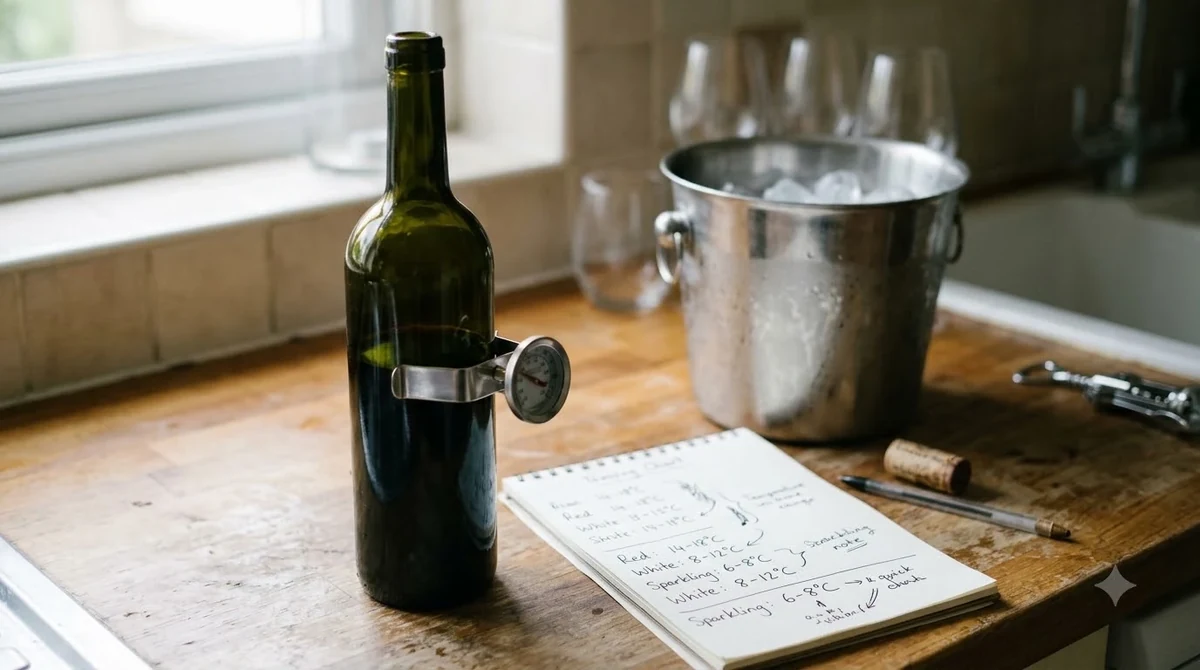
Serving temperature can significantly change how a wine smells and tastes. Reds served too warm can seem alcoholic, while whites served too cold may lose some of their aromatic detail.
Use these general temperature ranges:
- Cabernet Sauvignon and CYRUS: 60–65°F.
- Sin Zin and Merlot: 55–60°F.
- Chardonnay: 50–55°F.
- Sauvignon Blanc: 45–50°F.
- Dry Rosé: 45–50°F.
Young, full-bodied Cabernet Sauvignon and CYRUS may benefit from 30–60 minutes of decanting before serving. This gives the wine time to interact with oxygen and can help its aromas become more expressive.
A standard 750 ml bottle provides approximately five 5-ounce servings. For a dinner with four guests, one bottle may be enough for a modest tasting pour, while two bottles provide more flexibility throughout a longer meal.
Visiting Alexander Valley Vineyards and Exploring the Estate
Visiting Alexander Valley Vineyards offers an opportunity to connect the wines with the landscape and family history behind them. The estate is located at 8644 Highway 128 in Healdsburg, California, making it a convenient destination for visitors exploring northern Sonoma County.
The winery offers several experiences rather than limiting visitors to a standard tasting-room flight. Depending on the selected experience, guests can sample current wines, explore vineyard surroundings, or learn about the property’s underground aging facilities.
Estate and Reserve Tastings
The winery’s tasting program includes estate and reserve options. These experiences allow visitors to compare different selections and discover how grape variety, vineyard origin, and winemaking choices affect the finished wine.
When tasting several wines, begin with the lighter selections and progress toward the fuller reds. A useful order is Sauvignon Blanc, Chardonnay, Merlot, Sin Zin, Cabernet Sauvignon, and CYRUS. This progression helps prevent the stronger tannins and richer flavors of the reds from overwhelming the more delicate wines.
Vineyard Hikes and Lunch
The estate also offers vineyard hikes with lunch. These experiences provide a closer look at the agricultural environment behind the bottles, including the landscape and vineyard conditions that influence grape development.
Walking through vineyard rows gives visitors a better understanding of how terrain, exposure, and soil influence grape growing. It also adds context to the differences between valley-floor vineyards and hillside sites.
Underground Cave Tours
The winery’s underground caves are another attraction. The original approximately 7,000-square-foot barrel-aging facility was developed to provide naturally cooled storage for wine during maturation. Subsequent expansion brought the underground facilities to 48,000 square feet.
A cave experience can help explain why barrel aging matters. Visitors can learn how oak vessels influence aromas, texture, and the integration of tannins, while also seeing the environment used for wine maturation.
Planning a Visit
The tasting room is located along Highway 128 near Healdsburg. The winery’s visitor information provides details about tasting appointments, available experiences, and group arrangements. Larger groups and special experiences may require advance reservations, so checking the winery’s current visitor information before traveling is advisable.
For a more detailed visit, consider arranging a tasting before planning lunch or other winery stops. This allows sufficient time to enjoy the wines without rushing through the experience.
Alexander Valley also offers other wineries worth exploring. Visitors interested in comparing regional styles can investigate Sonoita vineyards wine for an Arizona wine-country contrast or Esk Valley wine for an example of New Zealand winemaking.
The most rewarding visit combines tasting with an appreciation of the property’s history. Understanding the Wetzel family’s involvement, the valley’s Cabernet Sauvignon reputation, and the underground aging caves adds useful context to each glass.
Frequently Asked Questions
Who owns Alexander Valley Vineyards?
Alexander Valley Vineyards remains a family-owned and operated winery associated with the Wetzel family. Its founding family, Harry and Maggie Wetzel, purchased the historic property in 1962, and Hank and Linda Wetzel established the winery in 1975. The family’s third and fourth generations have continued its estate winemaking tradition.
What does AVA mean on an Alexander Valley wine label?
AVA stands for American Viticultural Area, a federally recognized winegrowing region with defined geographic boundaries. Alexander Valley received this designation in 1984. The designation identifies the grapes’ regional origin rather than guaranteeing a particular flavor, quality score, or aging potential.
How many bottles of wine does a standard wine case contain?
A standard wine case contains 12 bottles of 750 ml wine, equivalent to 9 liters. A case therefore provides approximately 60 standard 5-ounce servings. Some wineries also offer half bottles, magnums, and larger formats for different occasions.
What is the difference between estate-grown and vineyard-designated wine?
Estate-grown generally indicates that the winery controls the vineyard and produces and bottles wine from grapes grown on its estate under applicable labeling rules. A vineyard-designated wine identifies grapes from a specific named vineyard. A wine can be estate-grown without carrying a single-vineyard designation.
How long can an opened bottle of Alexander Valley wine remain drinkable?
Most opened still wines retain their best qualities for approximately three to five days when properly recorked and refrigerated. Fortified wines can remain enjoyable for several weeks, depending on their style. Refrigeration slows oxidation even for red wine, and allowing a red to warm slightly before serving restores its intended drinking temperature.
Alexander Valley Vineyards brings together family history, distinctive Sonoma County growing conditions, and a portfolio ranging from Cabernet Sauvignon and CYRUS to Sin Zin and Chardonnay. Cabernet lovers will find plenty to explore, while white-wine drinkers and fans of fruit-forward reds have appealing alternatives. Start with the wine style that suits your palate, pair it with food that complements its structure, and consider visiting the estate to experience the region behind the bottle.
More in Wine Brands
 Underwood Wine Price: Compare Bottles, Cans, and Pack SizesUpdated Nov 21, 2026
 Zenato Wine Price: Compare Styles and Choose the Right BottleUpdated Nov 21, 2026
 Zuccardi Wine Price: Compare Bottles and Find the Right RangeUpdated Nov 21, 2026
 Yellow Tail Moscato Review: Taste, Sweetness and Serving TipsUpdated Nov 21, 2026
 Wolf Blass Yellow Label Review: Choose Your Best StyleUpdated Nov 21, 2026
 Wolffer Estate Rose Review: Choose the Right Bottle for Your TableUpdated Nov 21, 2026