

We may earn a commission when you buy through links on this page, at no extra cost to you. Learn more.
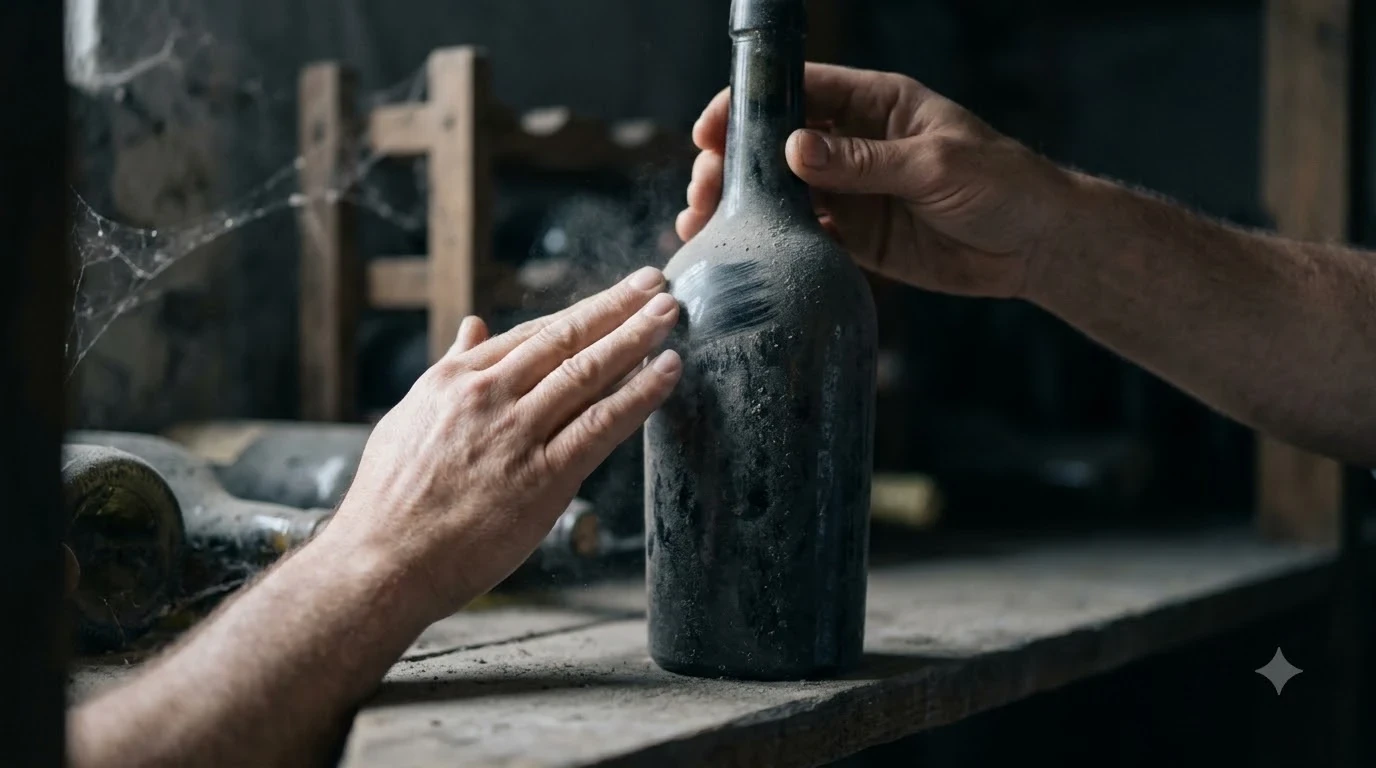
Learning how to store shiraz comes down to keeping unopened bottles in a dark, vibration-free spot at a steady 53°F to 57°F with 50 to 80 percent relative humidity. Lay cork-finished bottles horizontally so the closure stays damp, while screw-cap bottles can stand upright or lie flat without drying out. Once opened, recork or recap the bottle immediately and place it upright in your kitchen refrigerator, where it will stay fresh for three to five days.
Shiraz is famous for concentrated dark fruit, black pepper, and firm tannins, yet those bold qualities do not make a bottle immune to heat, light, or oxygen. Whether you picked up an everyday Australian red for Friday dinner or a flagship Barossa Valley bottling meant for the cellar, a few straightforward storage habits protect the structure and aroma inside the glass.
Ideal Temperature and Humidity for Unopened Shiraz
Unopened bottles of Shiraz thrive in cool, stable conditions around 55°F, paired with moderate moisture in the air to protect natural cork seals. Consistent conditions matter even more than hitting an exact degree on a thermostat.
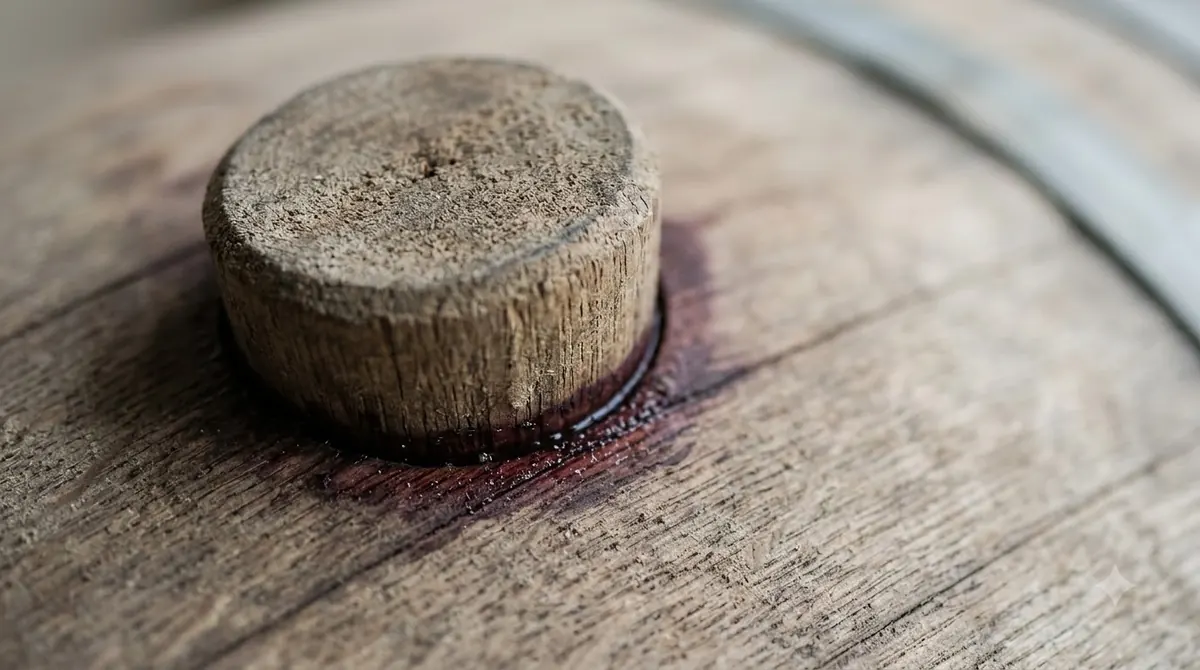
According to Wine Enthusiast, the sweet spot for storing wine is 53°F to 57°F, a range that allows complex reds to evolve gradually without premature aging. Temperatures climbing past 70°F accelerate chemical reactions inside the bottle, flattening bright blackberry and plum notes into stewed fruit. At the opposite extreme, freezing temperatures cause the liquid to expand, which can push a cork upward and compromise the seal.
Temperature swings cause just as much trouble as steady warmth. When a room heats up during the afternoon and cools off overnight, the liquid and trapped air inside the neck expand and contract, gradually pulling oxygen past the closure. Aim for a spot where the thermometer barely moves from week to week, such as an interior closet, an unfinished basement away from the furnace, or a dedicated thermoelectric wine cooler.
Relative humidity should sit between 50 and 80 percent. Air that is too dry shrinks natural corks from the outside in, opening microscopic pathways for air to enter, while damp basements above 80 percent encourage mold growth on paper labels and cardboard cases. Standard kitchen refrigerators run too cold and too dry for long-term storage, so reserve the fridge for chilling bottles shortly before dinner or holding leftovers.
Bottle Position, Light, and Vibration Control
Store cork-sealed Shiraz on its side in complete darkness, and keep racks away from appliances that hum or shake. Screw-cap bottles offer more flexibility because their liners do not rely on liquid contact to stay airtight.

Most Australian and many New World Shiraz producers seal their wines with aluminum screw caps, while traditional estates and Northern Rhône Syrah bottlings often use natural cork. Horizontal racks keep wine pressed against the interior face of a cork so it remains swollen and elastic. Screw-cap bottles can stand upright on a pantry shelf or slide into horizontal racking with equal safety, making them convenient for apartments with limited rack space.
Ultraviolet rays pass right through clear glass and can even penetrate dark green bottles over months of exposure. Light triggers a fault known as light strike, which strips away aromatics and leaves behind dull scents of wet cardboard. Keep bottles inside closed cabinets, original wooden cases, or windowless rooms rather than on sunlit kitchen counters or decorative wall racks near windows.
Constant micro-vibrations from washing machines, dryers, stereo speakers, or the top of a refrigerator disturb the fine sediment that naturally forms as Shiraz matures. Over months and years, agitation keeps those particles suspended and interferes with the slow polymerization of tannins that makes aged reds feel plush on the palate. If you have not explored the grape’s flavor profile in detail yet, reading about what does shiraz taste like helps clarify why preserving those delicate spice and violet aromatics matters so much.
Shiraz Storage Conditions at a Glance
Different stages of a bottle’s life call for different environments, from multi-year cellaring down to overnight preservation after dinner. Use the reference table below to match your storage setup to the state of your bottle.
| Storage Scenario | Target Temperature | Bottle Position | Expected Shelf Life |
|---|---|---|---|
| Short-term pantry or closet (unopened) | 55°F to 65°F (steady) | Horizontal (cork) or upright (screw cap) | Several months to 1 year |
| Long-term cellar or wine fridge (unopened) | 53°F to 57°F | Horizontal (cork) or either (screw cap) | 3 to 15+ years depending on style |
| Opened bottle in kitchen refrigerator | 37°F to 40°F | Upright | 3 to 5 days |
| Opened bottle with vacuum pump in fridge | 37°F to 40°F | Upright | Up to 1 to 2 weeks |
| Decanted wine with airtight stopper | 55°F to 65°F | Upright in decanter | 1 to 2 days maximum |
Notice how quickly timelines compress once air enters the picture. Even a structured, full-bodied Shiraz packed with protective polyphenols loses its vibrant top notes within a few days at room temperature, whereas an unopened bottle resting in cool darkness can reward patience for a decade or more.
How to Store Opened Shiraz
Once you pull the cork or twist off the cap, oxygen becomes the main enemy, so reseal the bottle immediately and chill it upright in your refrigerator. Cold temperatures slow down oxidation dramatically, buying you several extra days of enjoyable drinking.
Many wine drinkers hesitate to put red wine in the fridge, assuming cold ruins the flavor, yet leaving an opened bottle on the counter at 72°F spoils it overnight. As Wine Folly explains, storing a recorked bottle upright inside a standard refrigerator keeps red wine fresh for three to five days because chilling slows chemical reactions and standing the bottle upright minimizes the surface area of wine touching air. Simply pull the bottle out 20 to 30 minutes before pouring your next glass so it warms back up to cellar temperature.
If you routinely drink only one glass at a time, simple preservation tools stretch that window even further. A handheld rubber vacuum pump removes excess air from the headspace and can keep a structured Shiraz tasting lively in the fridge for up to two weeks. Another zero-cost trick is decanting the remaining half of a bottle into a clean 375-milliliter half-bottle with a tight screw cap, which leaves almost no room for oxygen.
Tip: When reinserting a natural cork into an opened bottle, place the wine-stained end back into the neck first so you do not transfer dust or bacteria from the dry top into the remaining Shiraz.
Aging Potential by Shiraz Style
Not every bottle of Shiraz belongs in a decade-long cellar; bright, fruit-driven styles shine within a few years of harvest, while old-vine and cool-climate bottlings develop savory complexity over time. Matching storage duration to winemaking style prevents you from opening a wine past its prime.
Entry-level and mid-tier Shiraz from warm regions like South Australia’s Riverland or California’s Central Valley are crafted for immediate appeal, bursting with juicy blackberry, mocha, and sweet spice. Store these bottles in a cool, dark closet and plan to enjoy them within one to three years of the vintage date. Holding them for eight or ten years will not make them taste like collectible bottles; instead, the fresh fruit will fade.
Reserve bottlings from renowned regions such as Barossa Valley, McLaren Vale, Clare Valley, or Victoria’s Grampians carry higher concentrations of natural tannins, acidity, and oak structure. Under proper cellar conditions at 55°F, these structured wines shed their youthful grip over five to fifteen years, trading primary jammy fruit for notes of leather, dried fig, cedar, and black olive. If you enjoy building a varied home collection across different grapes and beverage styles, our Wine by Type overview outlines how other reds compare, and similar cool, dark habits apply when learning how to store mead or planning how to store mulled wine after winter gatherings.
Common Shiraz Storage Mistakes to Avoid
Even well-intentioned storage spots around the house can quietly damage a bottle in a matter of weeks. Keeping Shiraz away from kitchen heat, decorative racks, and pungent pantry items preserves the wine exactly as the winemaker bottled it.
Storing bottles on a rack above the refrigerator or near a stove is one of the fastest ways to cook a wine. Appliances vent warm air continuously, pushing local temperatures well above 75°F and causing the wine to expand against the closure. If you notice sticky seepage around the capsule or a cork protruding slightly above the glass rim, heat damage has likely already occurred.
Avoid keeping bottles in a garage, attic, or laundry room unless the space is climate-controlled year-round. Seasonal extremes between summer heat and winter chill ruin seals, while laundry detergents and garage chemicals emit strong odors that can permeate natural corks over long periods. Finally, if you decanted a young Shiraz for dinner and have a glass or two left over, funnel the remainder back into the original bottle and recork it rather than leaving it inside a wide-bowled decanter overnight.
Frequently Asked Questions
Can you store unopened Shiraz in a regular kitchen refrigerator?
A standard kitchen refrigerator is fine for chilling Shiraz for 20 to 30 minutes before serving or holding an unopened bottle for a few weeks, but it is poorly suited for long-term storage. At 37°F to 40°F with low humidity, a food fridge dries out natural corks and subjects bottles to constant compressor vibrations.
Should Shiraz with a screw cap be stored upright or on its side?
Shiraz sealed with a screw cap can be stored either upright or horizontally without any risk to the seal. Unlike natural cork, a screw cap uses an inert liner that does not need liquid contact to stay airtight, so you can choose whichever orientation fits your shelves best.
How do you know if a bottle of Shiraz has gone bad from poor storage?
Heat-damaged or oxidized Shiraz often turns brick-brown at the rim and smells flat, nutty, or sharply like vinegar and bruised apples instead of fresh dark berries and pepper. You may also spot dried wine residue around the top of the foil or a cork pushed partway out of the neck.
What temperature should you serve Shiraz after taking it out of storage?
Serve Shiraz slightly cooler than standard room temperature, ideally between 60°F and 65°F. If your bottles rest in a 55°F cellar or wine fridge, let the bottle sit on the counter for about 15 to 20 minutes before pouring so the aromatics open fully.
Storing Shiraz well requires no expensive cellar buildout—just darkness, stillness, and steady cool temperatures around 55°F. Once you finish a glass, recorking the bottle and tucking it upright in the refrigerator keeps every remaining pour bright and balanced for days.
More in Wine Types & Grapes
 Zinfandel Sugar Content: Dry Red vs. White Zinfandel GramsUpdated Nov 21, 2026
 Best Zinfandel Substitute Options for Sipping and CookingUpdated Nov 21, 2026
 Zweigelt Food Pairing: Best Dishes, Cheeses, and Serving TipsUpdated Nov 21, 2026
 Zinfandel Tannins Explained: How Structure Shapes Every BottleUpdated Nov 21, 2026
 Zinfandel Sweetness Level: Dry Red vs. Sweet White Zin ExplainedUpdated Nov 21, 2026
 Xinomavro Food Pairing: Best Dishes, Styles, and Serving TipsUpdated Nov 21, 2026