

We may earn a commission when you buy through links on this page, at no extra cost to you. Learn more.
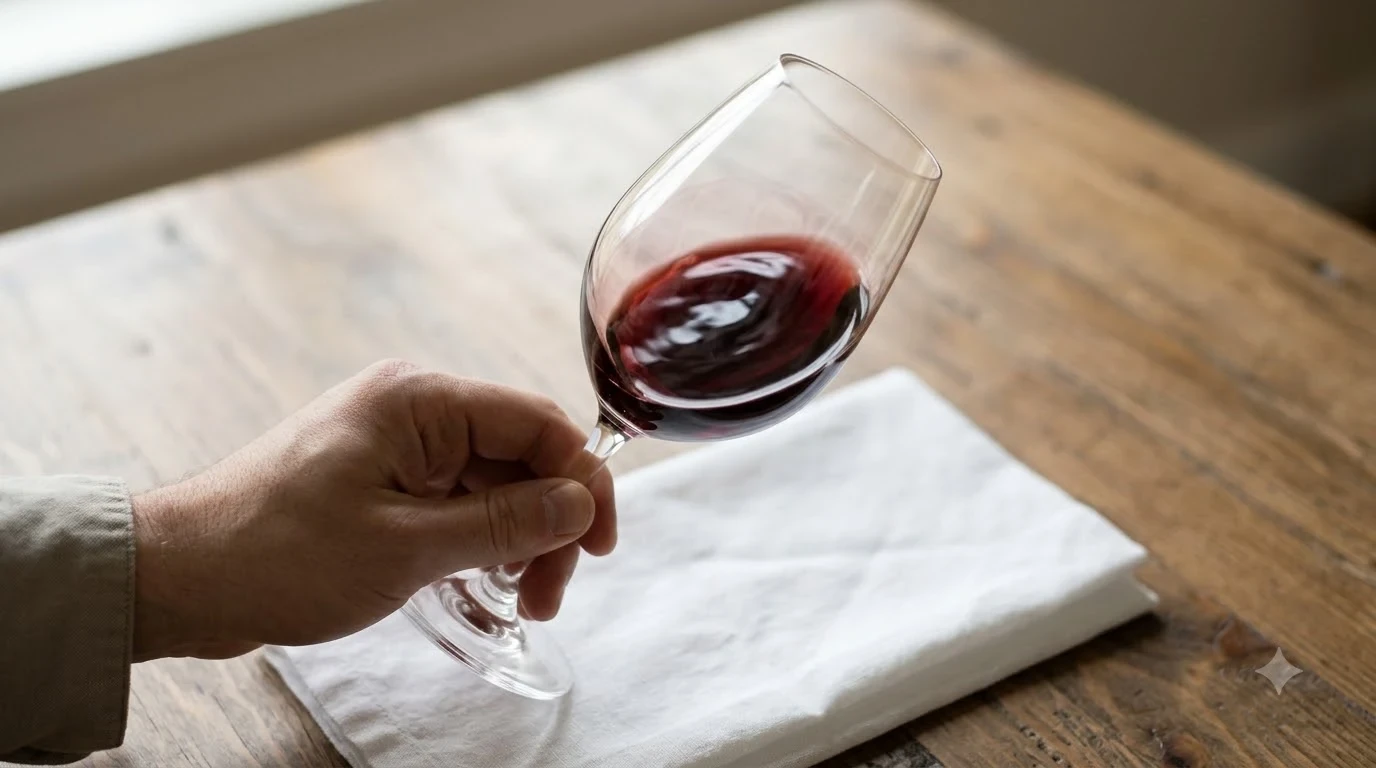
How to keep red wine fresh starts with resealing the bottle immediately after pouring, refrigerating the remaining wine, and limiting its exposure to oxygen. Most opened red wines retain good quality for approximately 3–5 days when stored properly. A suitable wine stopper, a cool storage environment, and careful handling can help preserve their fruit aromas, flavor, and overall character.
Opening a bottle of Cabernet Sauvignon, Merlot, Pinot Noir, or another favorite red does not mean you have to finish it that evening. However, once the cork comes out, oxygen begins changing the wine, and its freshness gradually declines. Understanding how to manage that exposure makes it easier to enjoy another glass without sacrificing too much of the wine’s original character. The same principles apply whether you regularly drink wine at home, entertain guests, or occasionally save a bottle for another dinner. For more practical answers about grapes, storage, and serving, explore our Wine Q&A and wine basics.
Why Opened Red Wine Loses Its Freshness
Oxygen is the main reason an opened bottle of red wine gradually loses its original character. Limiting air exposure and controlling temperature are the two most important steps for preserving the wine over the following several days.
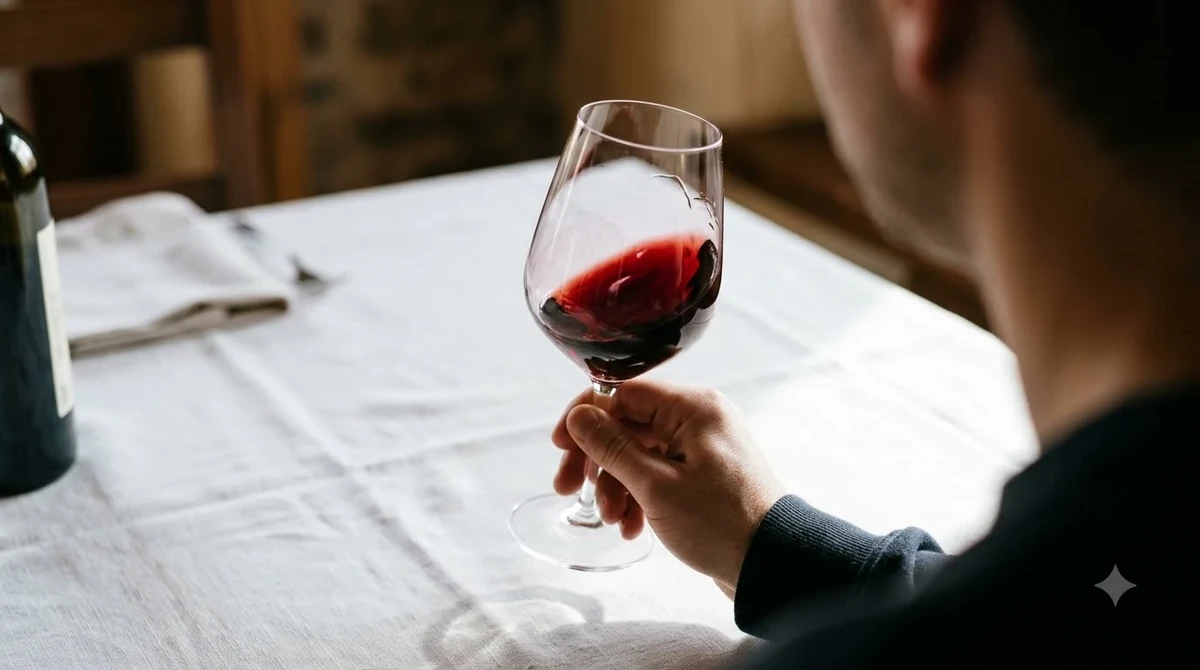
Before opening, wine has very limited contact with atmospheric oxygen. Removing the cork or opening a screwcap changes that environment. Oxygen enters the bottle and interacts with the wine’s chemical compounds, affecting its aromas, flavors, and appearance.
This process is called oxidation. A small amount of oxygen exposure can initially help certain wines release their aromas, which is one reason some young red wines benefit from decanting before serving. However, prolonged exposure has a different effect. Fresh fruit characteristics become less noticeable, aromas grow dull, and the wine can develop unpleasant flavors.
For example, a young Cabernet Sauvignon may initially show blackcurrant, blackberry, and cedar notes. After several days of excessive oxygen exposure, those recognizable fruit characteristics can become muted. A fresh Pinot Noir with cherry and raspberry aromas may similarly lose some of its appealing fruit expression.
Oxygen is not the only factor involved. Temperature also affects how quickly wine changes. Warm conditions accelerate chemical reactions, while cooler storage slows many of these processes. This explains why a bottle left open on a warm kitchen counter generally deteriorates faster than one that has been sealed and refrigerated.
Wine structure also influences how an individual wine develops after opening. Cabernet Sauvignon typically has high tannin, while Merlot generally has softer, medium tannins. Pinot Noir has lower to medium tannin levels and comparatively high acidity. These differences can influence how individual wines respond to oxygen.
However, grape variety alone cannot predict exactly how long a bottle will remain enjoyable. Winemaking decisions, bottle age, acidity, alcohol, and the amount of wine remaining all contribute to its development.
The practical lesson is straightforward: protect the remaining wine from unnecessary oxygen exposure, avoid warm storage, and assess its condition before pouring another glass.
How to Reseal Red Wine Immediately After Pouring
Resealing the bottle immediately after every pour is one of the simplest ways to preserve red wine. A secure closure, minimal handling, and an upright storage position help reduce unnecessary exposure to air.
Start by deciding how much wine you want to serve. A standard 750 ml bottle contains approximately five 5 oz glasses. If you only want one glass, there may be roughly 600 ml remaining, making proper storage particularly important.
Once you have poured your glass, close the bottle rather than leaving it open while preparing food, cleaning the table, or enjoying a conversation. Even a few minutes of unnecessary exposure adds to the wine’s contact with oxygen.
If the bottle has a natural cork, gently reinsert the cork into the neck. If one end is stained from contact with the wine, use that original wine-contact end rather than forcing the cleaner end into the bottle. This avoids introducing unnecessary material from the exposed end of the cork.
For screwcap bottles, simply replace the original cap and tighten it securely. A screwcap is a practical closure and does not require a special wine stopper to function properly.
If the original cork is damaged or difficult to replace, use a reusable wine stopper designed to fit the bottle. A snug stopper is preferable to a loose covering that allows air to move freely through the neck.
Store the bottle upright after opening
Once the bottle has been opened, store it upright rather than horizontally. This position reduces the surface area of wine exposed to the air trapped inside the bottle. The recommendation differs from traditional long-term storage for unopened cork-finished bottles, which are generally stored on their sides to help keep the cork moist.
For an opened bottle, minimizing the wine’s contact with oxygen is the priority. An upright position also makes accidental leakage less likely when a stopper is not perfectly secure.
Do not leave the bottle sitting open on the dining table overnight. Complete the resealing process before putting away the dishes, even if you expect to drink another glass the following evening.
Tip: Keep a reusable wine stopper beside your regular bottle opener. Having one immediately available makes it much easier to reseal the bottle after every pour instead of leaving it exposed while you search for the original cork.
Why Refrigerating Opened Red Wine Works
Refrigerating opened red wine is one of the most effective everyday preservation methods. Lower temperatures slow oxidation and other chemical changes, helping the wine retain its recognizable flavors for approximately 3–5 days.
Many people assume that red wine belongs exclusively at room temperature. That assumption confuses serving temperature with storage temperature. Although a full-bodied red is usually served warmer than a white wine, keeping an opened bottle cool is a sensible way to preserve its remaining contents.
According to the Wine & Spirit Education Trust’s advice on preserving opened wine, refrigeration helps slow chemical processes, including oxidation. Its guidance applies to opened red and white wines, despite their different preferred serving temperatures.
A regular kitchen refrigerator is suitable for short-term storage. Place the securely closed bottle upright on a shelf where it will remain undisturbed. Avoid putting it in the refrigerator door if frequent opening and closing causes unnecessary temperature fluctuations.
For longer-term storage of unopened bottles, a wine refrigerator offers more appropriate conditions than a standard kitchen refrigerator. A dedicated wine cooler can maintain a more suitable cellar-like temperature and may provide better control over vibration and humidity.
How long does refrigerated red wine last?
For most everyday red wines, 3–5 days is a practical guideline after opening. The exact result depends on the wine’s structure, how much remains in the bottle, the effectiveness of the closure, and the temperature at which it is stored.
Decanter gives a general estimate of three to five days for red wine stored with a stopper in a cool, dark environment. VinePair also recommends refrigeration, reporting that leftover wine can remain fresher for approximately two to seven days depending on storage conditions.
These ranges are guidelines rather than guarantees. A delicate, older Pinot Noir may lose its appealing aromas sooner than a structured young red. A bottle that has been left open for several hours before refrigeration may also deteriorate more quickly than one that was closed immediately.
The following table provides practical expectations for different storage situations.
| Storage situation | Typical freshness period | Recommended action |
|---|---|---|
| Opened red, properly resealed and refrigerated | 3–5 days | Keep upright and tightly closed |
| Opened red, left on the counter | Generally shorter than refrigerated storage | Refrigerate promptly |
| Opened red, vacuum-sealed and refrigerated | Approximately 4–7 days as a practical estimate | Remove excess air and keep cool |
| Opened red transferred into a smaller bottle | Several days, depending on conditions | Minimize empty space above the wine |
| Unopened wine stored in suitable cellar conditions | Depends on the wine and its aging potential | Maintain consistent conditions near 55°F |
The preservation estimates for vacuum-sealed and smaller-bottle storage are practical expectations, not guaranteed shelf lives. Wine quality and handling can produce different results.
Remember that refrigeration preserves quality rather than reversing oxidation. A wine that has already become dull or vinegary will not recover simply because it is placed in the refrigerator.
Wine Preservation Tools That Help Reduce Oxygen Exposure
Wine stoppers, vacuum pumps, inert gas systems, and smaller storage bottles can all help preserve opened red wine. The best option depends on how frequently you open bottles and how much wine you usually leave behind.
A basic reusable wine stopper is often sufficient for someone who finishes a bottle within a couple of days. It creates a practical seal and prevents the bottle from remaining unnecessarily exposed to air.
However, a stopper does not remove oxygen already present in the bottle. It limits additional exposure rather than completely preventing the chemical changes that occur after opening.
Vacuum wine pumps
A vacuum wine pump uses a stopper and hand-operated or mechanical pump to remove some of the air from the bottle. Reducing the amount of oxygen above the wine can slow deterioration.
This option is particularly convenient for households that regularly drink one or two glasses at a time. After pouring, insert the compatible stopper and operate the pump according to its instructions.
Decanter explains that a vacuum preservation system can provide approximately one or two additional days compared with simply replacing the original cork or screwcap. The improvement varies with the wine and the effectiveness of the seal.
Vacuum pumps should not be treated as a way to preserve every red wine indefinitely. They help manage oxygen exposure but cannot restore freshness that has already been lost.
Inert gas preservation systems
Some wine preservation systems use inert gases such as argon to reduce the remaining wine’s contact with oxygen. These systems introduce gas into the bottle, creating a protective layer that helps limit oxidation.
One example is the Coravin-style approach described by Decanter. Certain systems use a fine needle to access wine through its cork while introducing argon into the bottle, allowing wine to be poured without removing the original closure.
These systems are especially relevant to people who frequently open expensive or collectible bottles but want to enjoy only a small amount at a time. Their usefulness depends on the specific device, closure, and preservation method.
For everyday drinking, a regular stopper and refrigerator may provide all the preservation needed. Specialized equipment becomes more attractive when bottles are opened repeatedly over extended periods.
Smaller bottles for leftover wine
Transferring leftover wine into a smaller container is another useful technique. A standard 750 ml bottle with only 150 ml remaining contains a substantial amount of empty space above the wine.
A clean 187 ml or 375 ml bottle can provide a closer fit for the remaining quantity. Wine Enthusiast recommends using a 375 ml half bottle to reduce the amount of air left above the wine.
Use a clean glass container with a secure screwcap or stopper. Transfer the wine carefully to avoid unnecessary splashing, then close the smaller bottle immediately and refrigerate it upright.
This technique is particularly useful when sharing a full bottle among several people. Instead of keeping a nearly empty 750 ml bottle, the remaining wine can occupy a smaller container with less empty space.
Regardless of which preservation tool you choose, temperature control and a reliable seal remain important. No stopper or gas system makes proper storage unnecessary.
How to Store Unopened Red Wine Properly
Unopened red wine needs consistent storage conditions to preserve its quality before the cork is removed. A dark, cool location near 55°F, away from direct sunlight and heat sources, is a practical choice for most bottles.
Wine storage is not only about protecting expensive collectible bottles. Even everyday Merlot, Cabernet Sauvignon, and inexpensive table reds can lose freshness if exposed to excessive heat or fluctuating temperatures.
Wine Enthusiast identifies temperature as one of the most important environmental factors affecting wine storage. Excessive heat can change the wine’s flavor and aromatic profile, while freezing conditions can cause expansion and potentially push the cork out of the bottle.
Maintain a consistent temperature
A temperature close to 55°F is a widely used target for general wine storage. Consistency matters because repeated temperature changes can be more damaging than a stable environment that is slightly warmer or cooler than the ideal.
A dedicated wine refrigerator can help maintain suitable conditions. For more information about choosing and using one, see our explanation of how long you can keep wine in a wine fridge.
A regular kitchen refrigerator is colder than the recommended long-term storage temperature for wine. It works well for opened bottles and short-term chilling, but it is not the best permanent location for a collection of unopened reds.
Protect bottles from light and heat
Direct sunlight can damage wine through ultraviolet exposure. This effect, commonly called light strike, can produce unpleasant aromas and alter the wine’s flavor.
Keep bottles away from sunny windows, ovens, radiators, and other heat-producing appliances. A pantry, interior cupboard, or suitable basement storage area is usually preferable to an exposed kitchen counter.
Vibration is another consideration for long-term storage. Avoid placing bottles beside equipment that produces continuous movement or vibration. Keeping the bottles relatively undisturbed helps protect their development.
Store cork-finished bottles on their sides
Traditional long-term storage generally involves placing cork-finished wine bottles horizontally. This allows the wine to remain in contact with the cork and helps prevent the closure from drying out.
Dry corks can shrink and allow unwanted air into the bottle, potentially accelerating oxidation before the wine is opened. Screwcap bottles do not require horizontal positioning for cork hydration and can be stored upright.
Keep the distinction clear: unopened cork-finished bottles are commonly stored horizontally, while opened bottles are better stored upright to reduce the wine’s exposed surface area.
Good storage conditions help protect wine before opening, but they do not guarantee that every bottle will improve with age. Most everyday wines are intended to be enjoyed relatively young rather than kept for many years.
Serving Refrigerated Red Wine and Recognizing Spoilage
Refrigerated red wine should be allowed to warm toward its appropriate serving temperature before drinking. Checking its aroma, flavor, and appearance also helps determine whether the wine has retained its original character.
Taking a bottle directly from the refrigerator and pouring it immediately can make the wine seem less expressive. Cold temperatures suppress the perception of aromas and can make tannins and acidity feel more pronounced.
For a typical full-bodied red, a serving temperature of 60–65°F is a useful target. Cabernet Sauvignon, Syrah, and many structured Bordeaux-style blends generally benefit from being served within this range.
Lighter reds, including some Pinot Noir and Gamay wines, can be served cooler, around 55–60°F. This distinction matters because not every red wine needs the same amount of warming after refrigeration.
VinePair recommends allowing refrigerated red wine to sit on the counter for approximately 20–30 minutes before serving. The exact time depends on the starting temperature, bottle size, and the room’s conditions.
If you are serving both red and white wine at a gathering, storage and serving temperatures require slightly different planning. Our guide to how to keep white wine fresh explains the corresponding approach for white bottles. For entertaining, you can also use the practical advice in how to keep wine cold at a party.
Look for changes in aroma
A fresh red wine should generally retain recognizable fruit aromas and other characteristics associated with its grape variety and production style.
Cabernet Sauvignon may show blackcurrant, plum, or cedar. Merlot often offers plum, cherry, and softer red or dark fruit characteristics. Pinot Noir commonly presents cherry, raspberry, and earthy notes.
If these aromas become noticeably dull or disappear, the wine may have experienced excessive oxidation. A smell resembling bruised fruit, stale nuts, or vinegar can also indicate deterioration.
Examine the wine’s appearance
Color changes can provide another clue. A red wine that has developed an unusually brown or tired appearance may have undergone significant oxidation, particularly when the change accompanies diminished fruit aromas.
However, color alone does not establish that a wine has spoiled. Older red wines naturally develop more garnet, brick, or brownish tones as they mature. The important consideration is whether the appearance is consistent with the wine’s age and style.
Taste a small amount before serving
If the aroma seems acceptable, pour a small amount into a clean glass and assess the flavor. A wine that has lost much of its fruit, feels flat, or has developed an unpleasant vinegary character may no longer offer the experience intended by the producer.
Decanter identifies dulled fruit aromas, tired color, and vinegary notes among the warning signs of wine deterioration. Its explanation also distinguishes initial beneficial oxygen exposure from the later stage of oxidation that damages freshness.
Not every change is necessarily a sign of spoilage. Some wines evolve noticeably after opening, and certain structured reds can reveal additional complexity over the following day. The key is whether the wine remains balanced and enjoyable rather than becoming dominated by stale or unpleasant characteristics.
Decanting should also be distinguished from preservation. A young, full-bodied red may benefit from 30–60 minutes of aeration before serving, but that does not mean an opened bottle should be left in a decanter overnight. Return unused wine to a sealed bottle or suitable storage container instead.
Frequently Asked Questions
Can you freeze leftover red wine?
Yes, leftover red wine can be frozen for later cooking purposes, although its texture and aromatic character may change after thawing. Pour it into an appropriate freezer-safe container or ice cube tray rather than freezing a completely full glass bottle. Frozen wine cubes are useful for adding to sauces, braises, and stews.
Does red wine become stronger after opening?
No, opening a bottle does not increase its alcohol percentage. However, evaporation and changes in aroma can alter how alcohol is perceived when drinking the wine. A wine that loses its fresh fruit character may seem more dominated by its alcohol even though its actual alcohol content has not increased.
Can you mix leftover red wine from two bottles?
You can combine compatible leftover wines in a clean container, but their aromas, acidity, tannin, and flavors will become blended. Mixing different vintages or grape varieties does not automatically produce a balanced result. For the best control, combine wines intended for the same cooking recipe rather than mixing bottles you plan to serve separately.
Does the original cork have to be used after opening?
No, a reusable stopper or compatible screwcap can close an opened bottle just as practically. Synthetic corks, natural corks, and screwcaps all have different physical characteristics, but the important requirement is a secure closure that limits additional air exposure. A dedicated wine stopper is particularly convenient when the original cork breaks during removal.
Does an older vintage always last longer after opening?
No, bottle age does not guarantee a longer preservation period. Mature wines can be particularly delicate because some of their aromas and structural elements have already developed over many years. A mature Burgundy or aged Bordeaux may change noticeably within a shorter period than a youthful, structured red. Handle older bottles carefully and plan to enjoy them soon after opening.
Keeping red wine fresh does not require an elaborate cellar or expensive preservation equipment. Reseal the bottle immediately, store it upright in the refrigerator, and aim to enjoy the remaining wine within approximately 3–5 days. With these straightforward habits, you can preserve more of the character of your favorite Cabernet Sauvignon, Merlot, Pinot Noir, and other red wines while making every remaining glass count.
More in Wine Basics
 Which Rose Is Best for Your Taste, Budget, and Food PairingsUpdated Nov 21, 2026
 Is Cheap Wine Bad? How to Find Bottles Worth DrinkingUpdated Nov 21, 2026
 What To Write On A Wine Gift Tag: Thoughtful Messages For Every OccasionUpdated Nov 21, 2026
 Which Wine Is Best For Weight Loss? Compare Lower-Calorie ChoicesUpdated Nov 21, 2026
 What Is The Best Wine For Mimosas? Choose Bubbly That Balances Orange JuiceUpdated Nov 20, 2026
 Which Prosecco Is Best for Your Taste and OccasionUpdated Nov 20, 2026