

We may earn a commission when you buy through links on this page, at no extra cost to you. Learn more.
Learning how to serve orange wine properly comes down to treating it like a hybrid between a rich white and a light red—chilled lightly to 50–60°F (10–15°C), never ice cold. Serving skin-contact white wine straight from a standard refrigerator mutes its complex stone-fruit aromatics and exaggerates the drying grip of grape tannins. Giving a fuller-bodied bottle 15 to 45 minutes in a decanter and pouring it into a universal or white wine glass allows the structure to soften before your first sip.
Because winemakers ferment white grapes alongside their skins and seeds, orange wine carries phenolic compounds, texture, and subtle astringency that crisp whites simply do not have. When you serve it with the right balance of cool temperature, gentle aeration, and proper stemware, those savory, nutty, and dried-citrus notes open up cleanly on the palate.
Ideal Serving Temperature for Orange Wine
The single biggest mistake people make with skin-contact wine is serving it at the frosty temperatures reserved for sparkling wine or crisp Sauvignon Blanc, which locks up the bouquet and makes the tannins taste bitter.
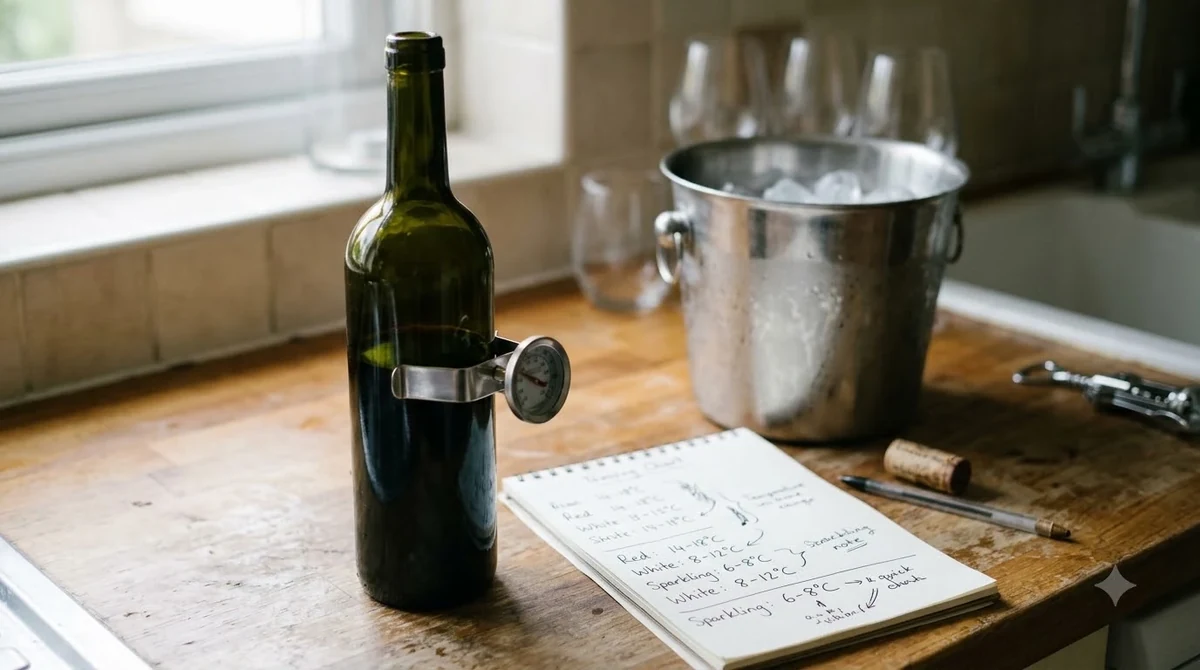
According to wine experts at Wine Folly, the sweet spot for orange wine sits between 55°F and 60°F (12–15°C), whereas lighter, younger bottles perform well slightly cooler around 50°F to 55°F (10–13°C). Think of this range as cool cellar temperature rather than refrigerator cold. A standard household kitchen refrigerator runs around 35°F to 38°F, which is roughly 15 to 20 degrees colder than where an amber wine wants to show its character. If you pull a bottle straight from the fridge and pour immediately, the cold suppresses volatile aroma compounds and amplifies any phenolic bitterness from the grape skins.
To hit the right window from room temperature (around 70°F), place the bottle in a standard refrigerator for about 60 minutes before pouring, or submerge it in an ice-and-water bath for 15 to 20 minutes. Conversely, if the bottle has been chilling in your fridge all afternoon, take it out 20 to 30 minutes before dinner so it can gently warm up on the counter. As reviewers at Wine Enthusiast note, letting a skin-contact wine warm toward cellar temperature lets its layered bouquet and phenolic structure unfold progressively in the glass.
| Orange Wine Style | Skin-Contact Duration | Ideal Temperature | Decanting Time | Recommended Glassware |
|---|---|---|---|---|
| Light & Aromatic (e.g., Pinot Grigio Ramato, Muscat) | 2 to 7 days | 50–54°F (10–12°C) | Optional (10–15 min) | Standard white wine glass |
| Medium-Bodied & Textured (e.g., Ribolla Gialla, Malvasia) | 1 to 3 weeks | 54–57°F (12–14°C) | 15–30 minutes | Universal wine glass |
| Full-Bodied & Extended Maceration (e.g., Qvevri Rkatsiteli) | 3 weeks to several months | 57–60°F (14–15°C) | 30–45 minutes | Universal or Burgundy glass |
Matching Temperature and Aeration to Maceration Style
Not all amber wines spend the same amount of time fermenting on their skins, so adjusting your service based on the bottle’s maceration length brings out the best in every pour.
Short-maceration bottles—wines that spend anywhere from a couple of days to about a week on the skins—behave much closer to structured white wines. Copper-hued styles made from Pinot Grigio, often labeled ramato in northern Italy, carry brisk acidity and modest tannin, meaning they shine closer to 50°F to 54°F. If you enjoy lighter skin-contact styles, our guides on how to serve pinot grigio and how to serve pinot gris break down how subtle differences in grape ripeness and skin contact shift serving temperatures.
Extended-maceration wines, including traditional Georgian qvevri bottlings and long-fermented Friulian whites, stay in contact with skins and pips for weeks or even months. That prolonged extraction creates a deeper amber hue, firmer grip, and oxidative complexity reminiscent of dried apricot, hazelnut, bruised apple, and black tea. Serving these structured bottles closer to 57°F to 60°F prevents the tannins from feeling chalky while keeping the wine refreshed enough so the alcohol never feels heavy.
Tip: Hold your wine glass by the stem rather than the bowl—body heat from your palm can warm a 5-ounce pour past 62°F in just a few minutes, flattening its acidity.
Should You Decant Orange Wine?
Decanting is not exclusively reserved for bold red wines; giving a young or heavily extracted orange wine 15 to 45 minutes of air softens firm tannins and blows off any initial reductive funk.
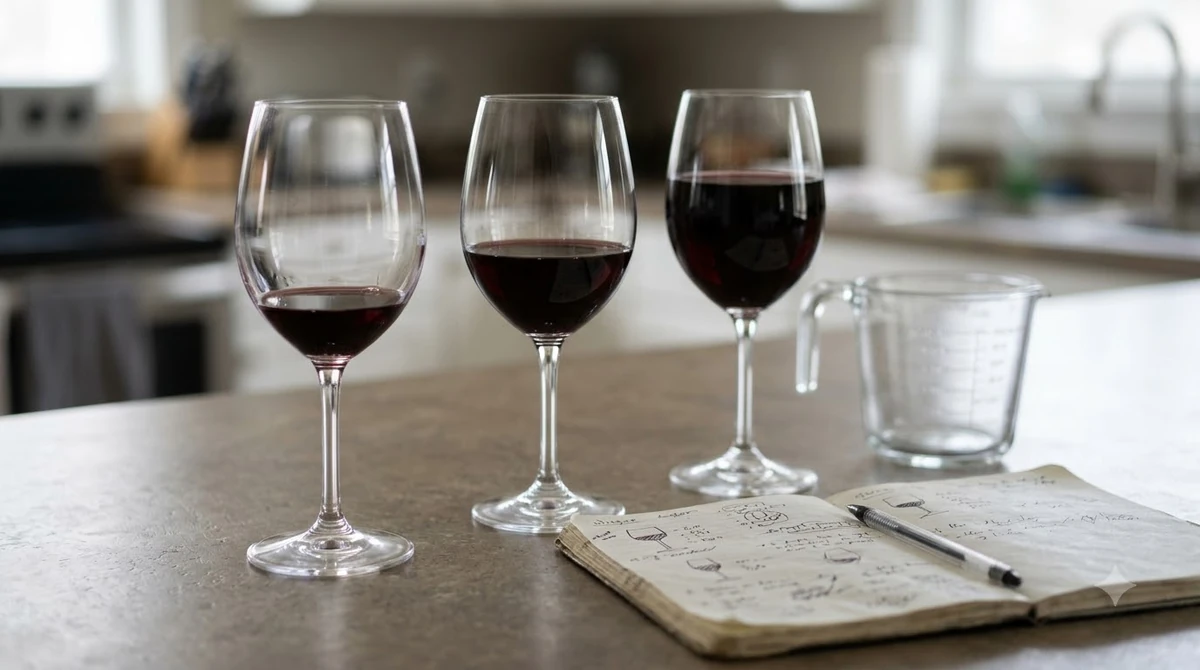
Many skin-contact wines are bottled with minimal intervention, low sulfites, or extended lees aging. When first uncorked, they can smell tight, yeasty, or slightly savory before their floral and orchard-fruit notes emerge. Pouring a medium- or full-bodied orange wine into a wide-base decanter for 15 to 30 minutes allows oxygen to smooth out the grip on your mid-palate. For deeply structured, multi-week macerations, up to 45 minutes of aeration works wonders.
Keep two practical rules in mind when aerating amber wine. First, chill the bottle before decanting rather than after, because wine sitting in a wide decanter at room temperature warms up roughly one to two degrees every 15 minutes. Second, avoid over-decanting past an hour—unlike a massive Cabernet Sauvignon, orange wine has a narrower peak window once exposed to oxygen and can lose its vibrant aromatics if left out too long. If you do not own a decanter, simply pouring into a generous glass and giving it two gentle swirls achieves a similar effect within 10 to 15 minutes.
Choosing the Right Glassware and Pour Size
A universal wine glass or a classic white wine glass with a medium-sized bowl and gently tapered rim gives orange wine enough surface area to breathe without letting its cool temperature slip away.
Because orange wine bridges the aromatic delicacy of white grapes with the structural weight of red wine, stemware choice makes a noticeable difference. A standard white wine glass concentrates herbal, honeyed, and citrus-peel aromatics toward the nose while keeping the liquid volume compact enough to stay cool. For richer, older, or qvevri-aged bottles, a universal glass—or even a medium Burgundy bowl—provides extra headspace for complex tertiary notes like toasted walnut, beeswax, and dried spice to collect.
Stick to a standard 5-ounce pour, filling the glass roughly one-third full. Overfilling a wine glass leaves too little room to swirl without spilling and causes the wine to warm up in the glass before you finish it. If you are serving a group over a two-hour dinner, keep the open bottle in a cool spot away from direct sunlight or stove heat—or place it in an ice bucket filled mostly with cold water and just a handful of ice cubes to maintain a steady cellar temperature.
Food Pairing Principles for Serving Orange Wine
Thanks to its combination of crisp acidity and gentle tannin, orange wine pairs effortlessly with bold, richly spiced, and savory dishes that often overwhelm conventional white wines.
When planning a menu around amber wine, think about how its texture interacts with food on the table. The subtle astringency from grape skins cuts cleanly through rich fats, cured meats, and aged cheeses, while its oxidative, nutty undertones mirror roasted, charred, or fermented ingredients. Dishes featuring turmeric, cumin, saffron, roasted root vegetables, grilled seafood, braised pork, or tahini-based spreads find natural harmony alongside a bottle poured at cellar temperature. You can explore how skin-contact styles compare across the broader spectrum of Wine by Type or see how chilled pink wines handle similar menus in our guide on how to serve rose.
Temperature also plays a direct role at the dining table: if you are serving spicy takeout or vibrant, herb-driven mezze, lean toward the cooler end of the range (50–54°F) so the chill refreshes your palate between bites. If the centerpiece is roasted duck, mushroom risotto, or aged sheep’s milk cheese, pour closer to 56–60°F so the wine’s full body matches the weight of the food.
Storing an Opened Bottle of Orange Wine
Once uncorked, orange wine is remarkably resilient compared to delicate whites because its natural phenolic compounds act as built-in antioxidants.
While a crisp Pinot Grigio can lose its zip overnight, most well-made orange wines stay lively for three to five days—and sometimes up to a week—when properly stored. Re-cork the bottle tightly (or use a vacuum wine stopper) and place it upright in your refrigerator as soon as dinner wraps up. Standing the bottle upright minimizes the surface area of wine exposed to oxygen inside the neck.
When you are ready to pour a second glass the next evening, remember to take the bottle out of the fridge 20 to 30 minutes ahead of time so it climbs back into that 50–60°F window. Interestingly, many drinkers find that tannic, extended-maceration bottles actually taste smoother and more expressive on day two after overnight refrigeration has gently mellowed their grip.
Frequently Asked Questions
Should orange wine be served chilled or at room temperature?
Orange wine should be served lightly chilled between 50°F and 60°F (10–15°C), never at full room temperature. Standard room temperature around 70°F makes the alcohol feel hot and flattens the wine’s fresh acidity, while refrigerator temperatures near 38°F mute the aromas and make tannins taste harsh.
How long should I chill orange wine in the fridge before serving?
If your bottle starts at room temperature, chill it in a standard kitchen refrigerator for about 60 minutes before pouring. If the bottle has already been stored in the fridge long-term, pull it out onto the counter 20 to 30 minutes before serving so it warms up to cellar temperature.
Do you need a special glass for orange wine?
You do not need specialized stemware to enjoy orange wine. A universal wine glass or a standard white wine glass with a medium bowl and tapered rim works well, giving the wine enough room to aerate while keeping your pour cool.
How long does orange wine last after opening?
Thanks to the natural tannins extracted from grape skins, an opened bottle of orange wine typically stays fresh for three to five days when re-corked and stored upright in the refrigerator. Just let it warm up for 20 minutes before pouring your next glass.
Mastering how to serve orange wine comes down to a few simple adjustments: pull the bottle from the fridge early enough to hit cellar temperature, give deeper amber styles a brief spell in a decanter, and pour into a medium-bowled glass. Once you dial in that 50–60°F window, every glass rewards you with layered aromatics, balanced texture, and food-friendly versatility.
More in Wine Types & Grapes
 Zinfandel Sugar Content: Dry Red vs. White Zinfandel GramsUpdated Nov 21, 2026
 Best Zinfandel Substitute Options for Sipping and CookingUpdated Nov 21, 2026
 Zweigelt Food Pairing: Best Dishes, Cheeses, and Serving TipsUpdated Nov 21, 2026
 Zinfandel Tannins Explained: How Structure Shapes Every BottleUpdated Nov 21, 2026
 Zinfandel Sweetness Level: Dry Red vs. Sweet White Zin ExplainedUpdated Nov 21, 2026
 Xinomavro Food Pairing: Best Dishes, Styles, and Serving TipsUpdated Nov 21, 2026