

We may earn a commission when you buy through links on this page, at no extra cost to you. Learn more.
Is zinfandel sweet or dry? Most zinfandel is dry, including the bold red wines that made the grape famous, while the sweet styles are White Zinfandel and dessert-style bottlings made on purpose. The difference comes down to residual sugar, the grape sugar left after fermentation ends. Dry red zinfandel can still taste fruity and smooth, because ripe fruit and high alcohol read as sweetness on the palate. Check the style name on the label and the alcohol level to predict what the bottle will taste like before you open it.
Zinfandel confuses many buyers because one grape produces two very different wines. A shelf can hold a jammy red with 15 percent alcohol right beside a pale pink bottle with a candy-like finish, and both are labeled zinfandel. Once you understand why the styles split apart, choosing the right bottle for dinner, a barbecue, or a dessert course becomes much easier. The answer starts with sugar, but it also depends on ripeness, alcohol, and how a winemaker decides to finish the wine.
What Makes a Zinfandel Taste Sweet or Dry
Sweetness in wine comes from residual sugar, which is the grape sugar that yeast did not convert into alcohol. A dry wine is one where fermentation ran to completion and little sugar remains. Winemakers control this outcome, so two wines made from the same grape can finish at opposite ends of the sweetness scale.
During fermentation, yeast consumes sugar and produces alcohol and carbon dioxide. When the yeast finishes its work, the wine is dry. When a winemaker stops the process early, by chilling the tank, adding sulfur dioxide, or filtering out the yeast, sugar stays behind and the wine tastes sweet. This is the mechanism behind almost every sweet zinfandel on the market, from pink wines to late harvest bottlings.
The grape itself also shapes the outcome. Decanter’s Julien Boulard, MW, notes that ripeness at harvest, vine age, vineyard exposure, and winemaking decisions all influence how zinfandel turns out, which is why the category includes such a wide range of styles. Sweetness is also perceived, not only measured. A dry wine loaded with ripe fruit and high alcohol can feel round or sugary, so a lab measurement does not always match what the mouth reports.
Dry Red Zinfandel Can Still Taste Sweet
Most red zinfandel is made dry, but ripe fruit and high alcohol give many bottles a jammy, almost sweet impression. Knowing the typical alcohol range helps you tell these styles apart.
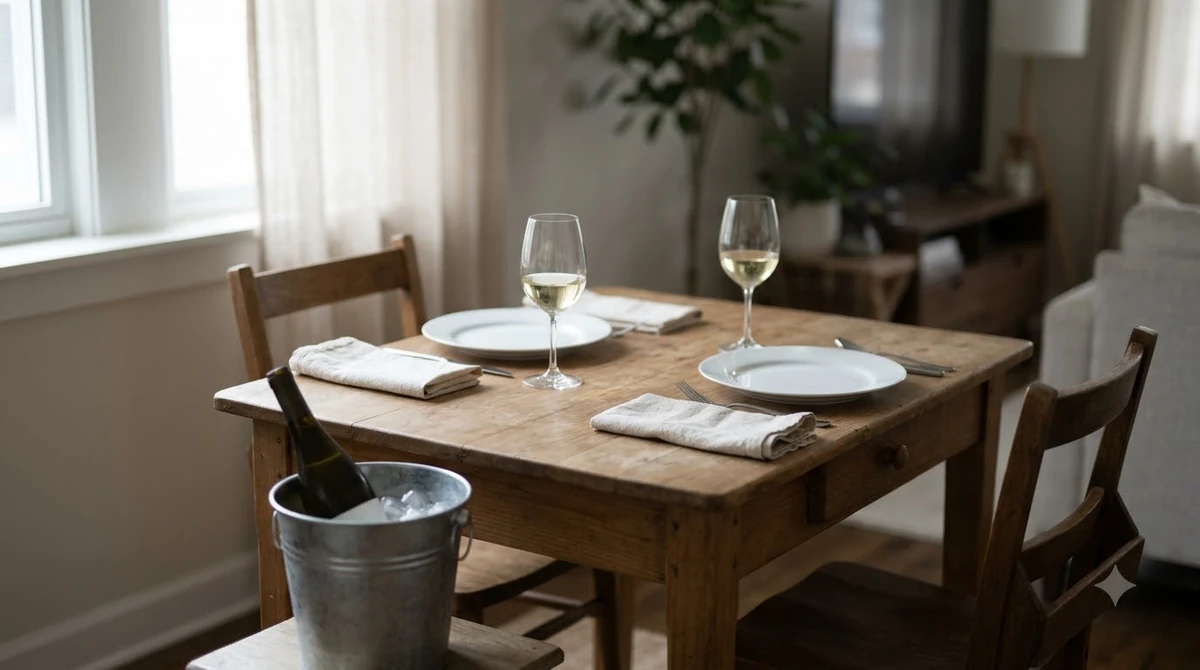
Zinfandel ripens to high sugar levels in warm sun, and that sugar converts into high alcohol. Wine Enthusiast describes zinfandel as typically between 14 and 17 percent alcohol by volume. The industry group Zinfandel Advocates and Producers divides the red styles further: table wines land between 13.5 and 14.5 percent alcohol, while big-style wines run from 14.5 to 16 percent, made from riper grapes with more intense fruit.
Ripe tannins add to the impression. Wine Enthusiast notes that riper tannins give California zinfandel a sweet, glossy polish, and many bottles are described as full-bodied, jammy, and spicy. Decanter goes further and describes the typical red mouthfeel as slightly off-dry, with medium to low tannins coated in an opulent texture. That is a description of texture rather than leftover sugar, and it explains why a dry red can still leave a sweet impression.
Regional style shapes the impression too. Decanter says Napa Valley zinfandels are built with firmer tannins than Sonoma’s, while Lodi’s wines are fleshy, with jammy and chocolaty flavors, and the region produces about one third of California’s zinfandel. Both can be dry in the technical sense and still taste very different in the glass.
Tip: When a red zinfandel tastes sweet but its alcohol is near 14.5 percent or higher, the sweetness is most likely coming from ripe fruit and alcohol rather than leftover sugar.
White Zinfandel: The Sweet Pink Wine
White Zinfandel is a rosé made from red zinfandel grapes, and it is deliberately sweet. It is the style most people have in mind when they ask whether zinfandel is sweet.
The style began largely by accident. Wine Enthusiast reports that Sutter Home created White Zinfandel in the 1970s when a batch of juice, bled from a red-wine fermentation, failed to ferment dry. Zinfandel Advocates and Producers tells a similar story, noting that the yeast died before the wine’s sugar was fully converted. The sweet, pale result sold well and became one of the most recognized pink wines in the United States.
Modern White Zinfandel is made by design. Decanter reports that fermentation is stopped before it finishes, leaving a medium-sweet wine with between 30 and 50 grams of residual sugar per litre and an alcohol level of 8 to 10 percent. Its aromas are simple and fruity, led by strawberry and ripe raspberry. Zinfandel Advocates and Producers adds that these wines typically receive no barrel aging.
Decanter compares the style to Moscato d’Asti for rosé wines, a helpful comparison if you already enjoy sweet, low-alcohol drinks. Wine Enthusiast describes the wines as juicy, fruity, and overtly sweet, with strawberry, watermelon, raspberry, and spice notes. For a closer look at the sugar in this pink style, see our breakdown of is white zinfandel sweet or dry. Serve it cold, as covered in the pairing section below.
Dry Zinfandel Rosé and Other Pink Styles
Zinfandel also makes dry rosé, which is a different product from White Zinfandel. The main differences are how long the juice stays on the skins and whether fermentation is allowed to finish.
Zinfandel Advocates and Producers describes Zinfandel rosé as typically fermented dry. The juice is bled off after very short skin contact, which gives a deeper rose color with light, spicy, berry-led flavors. These wines are usually made from less mature grapes and receive little or no barrel aging, which keeps them light and fresh.
Wine Enthusiast describes the newer dry examples as intentionally made, with grapes picked early and fermented dry in stainless steel. These wines taste of red berries and watermelon, with citrus and herb notes such as mint. Because zinfandel skins carry deep color, a few minutes of contact can turn the juice the color of azaleas, so winemakers can dial in the shade of pink they want.
If you enjoy crisp dry rosé, zinfandel-based bottles are a good way to explore the category. For the broader sweetness question across pink wines, read is rose sweet or dry. The main lesson is that the grape does not decide sweetness on its own; the winemaker’s decision to stop or finish fermentation does.
Late Harvest and Port-Style Zinfandel
Late harvest and port-style zinfandel are the genuinely sweet reds in the family. They are meant for small pours after a meal rather than for a glass with dinner.
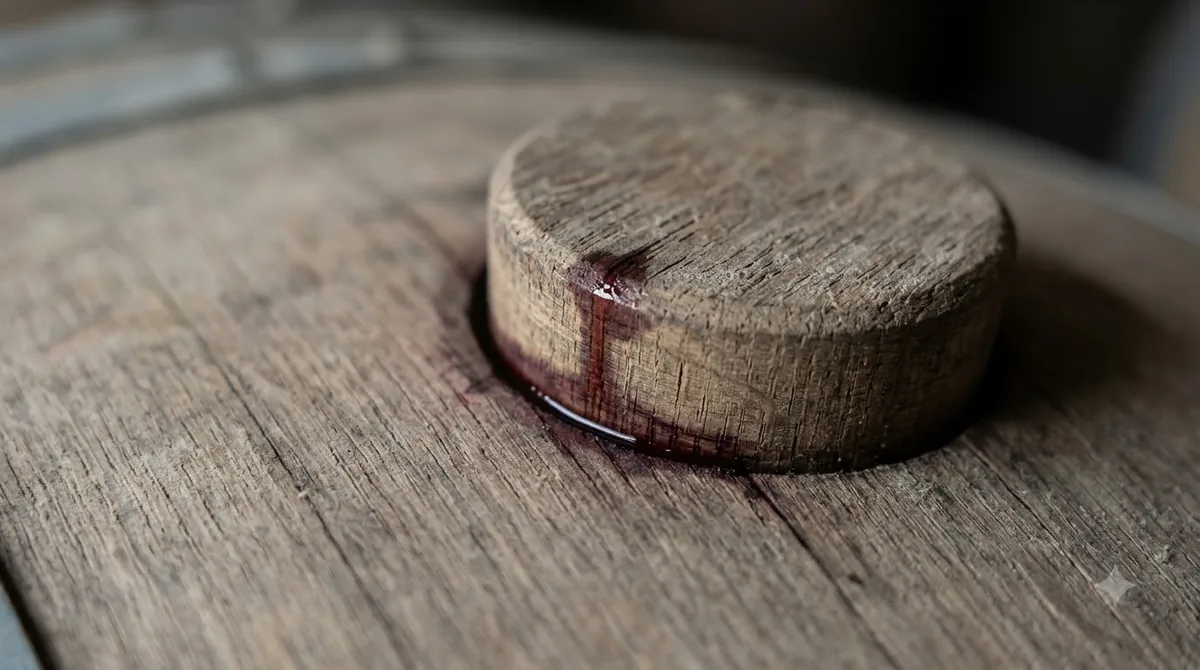
Zinfandel Advocates and Producers describes late harvest zinfandel as a dessert wine made from extremely ripe grapes, often with a noticeable 1 to 3 percent residual sugar. Alcohol is typically above 15.5 percent. Concentrated fruit leads, and flavors of prunes and raisins begin to show as the grapes become overripe. Wine Enthusiast adds that overripened, heavily macerated zinfandel can taste of jammy, baked dark fruit with a glycerin-sweet richness that approaches Port.
Zinfandel Port is a fortified dessert wine. Distilled grape spirits are added to halt fermentation before all the sugar converts to alcohol, so the wine combines sweetness with high alcohol. Its flavors and sweetness resemble late harvest zinfandel, but with more alcohol, which is why a small pour goes a long way.
Pair these sweet reds with desserts that are at least as sweet as the wine. A fruit tart, dark chocolate, or a plate of hard cheese with dried fruit suits the style. A wine should be at least as sweet as the dessert it accompanies, or it will taste thin and sour beside it. Moscato lovers who want a comparison can read is moscato sweet or dry.
Pairing Zinfandel at the Table
Dry zinfandel suits rich, smoky, and spicy food, while sweet zinfandel works best with fruit-forward desserts and sweet pink wines. Temperature and acidity matter more than most people expect.
Dry red zinfandel has the body and alcohol to stand up to barbecue, smoked meats, and rich braises. Salt and fat soften tannin, so a fatty brisket or a salted steak will feel smoother alongside a firm red. Chili heat needs care, because alcohol and tannin both amplify the burn. For very spicy dishes, choose a bottle at the lower end of the alcohol range, or pick a sweeter pink wine that cools the palate.
Acidity is the other half of the match. Acidic food needs a wine with equal or higher acidity, so a tomato-heavy barbecue sauce calls for a zinfandel with bright fruit rather than a heavy, low-acid bottle. Lighter zinfandel-based styles, which Wine Enthusiast describes as fresh at 12 to 14 percent alcohol, fit salads, grilled chicken, and seafood more easily than big reds.
Temperature decides whether the wine shows its best side. Full reds like big zinfandel are best served around 60 to 65 F, while light reds sit slightly cooler at 55 to 60 F. Dry rosé and White Zinfandel belong colder, roughly 45 to 50 F.
How to Read a Zinfandel Label for Sweetness
Labels rarely state sugar levels directly, so style names and alcohol percentages are your best clues. Learn to read both before you buy.
Style words do most of the work. White Zinfandel and blush signal sweet pink wine, while the word “dry” on a rosé signals a crisp style. Late harvest, dessert, and port-style labels point to sweet bottles. A plain zinfandel with no qualifier is almost always a dry red, which makes it a safe default for dinner.
Alcohol is the second clue. Wine Enthusiast describes zinfandel as typically between 14 and 17 percent alcohol, and it notes that fresher, lighter styles can sit between 12 and 14 percent. A bottle at 15 percent or higher usually signals a bold dry red unless it is labeled port-style or late harvest, where high alcohol comes with real sweetness. The table below compares the main styles.
| Zinfandel style | Typical alcohol | Residual sugar | What you will taste |
|---|---|---|---|
| Table red zinfandel | 13.5 to 14.5% | Little to none | Dry, fruit-forward red |
| Big-style red zinfandel | 14.5 to 16% | Little to none | Dry, jammy, full-bodied |
| White Zinfandel | 8 to 10% | 30 to 50 g/L (3 to 5%) | Medium-sweet, strawberry and raspberry |
| Late harvest zinfandel | Over 15.5% | 1 to 3% (10 to 30 g/L) | Sweet, prune and raisin |
Tip: Trust the style name first and the alcohol percentage second. A high number alone does not prove sweetness, and a sweet pink wine can carry a low one.
Frequently Asked Questions
How many glasses of zinfandel are in one bottle?
A standard 750 ml bottle holds about five 5-ounce pours, a useful number when you are hosting. Plan on a second bottle if guests will each want more than one glass.
How long does opened zinfandel keep in the fridge?
Opened still zinfandel typically keeps about 3 to 5 days when refrigerated, and the same window applies to an opened White Zinfandel. Fortified port-style zinfandel lasts several weeks because its added spirits help it hold up longer.
Should young zinfandel be decanted?
Young, full-bodied reds benefit from decanting for 30 to 60 minutes before serving. The air contact helps soften a firm structure and lets the aromas open up. Older, more delicate bottles usually need little or no time.
How should zinfandel be stored at home?
Store bottles on their side near 55 F, which keeps the cork in contact with the wine. Keep them away from heat sources and direct sunlight so the wine ages evenly.
Is Primitivo the same grape as zinfandel?
Wine Enthusiast says Italian Primitivo and California Zinfandel both come from Croatia’s Tribidrag grape, also known as Crljenak Kaštelanski, though terroir and winemaking make them behave differently. Italian Primitivo usually has more vibrant acidity, drier tannins, and an earthier profile. Primitivo di Manduria is the most important appellation for the grape.
Zinfandel is dry in its main red form, and the sweetness on the shelf comes from a few clear styles: White Zinfandel, late harvest, and port-style bottles. Use the style name, the alcohol level, and the food on your table to choose well. For a wider look at how sweetness varies across grape families, explore Wine by Type.
More in Wine Types & Grapes
 Zinfandel Sugar Content: Dry Red vs. White Zinfandel GramsUpdated Nov 21, 2026
 Best Zinfandel Substitute Options for Sipping and CookingUpdated Nov 21, 2026
 Zweigelt Food Pairing: Best Dishes, Cheeses, and Serving TipsUpdated Nov 21, 2026
 Zinfandel Tannins Explained: How Structure Shapes Every BottleUpdated Nov 21, 2026
 Zinfandel Sweetness Level: Dry Red vs. Sweet White Zin ExplainedUpdated Nov 21, 2026
 Xinomavro Food Pairing: Best Dishes, Styles, and Serving TipsUpdated Nov 21, 2026