

We may earn a commission when you buy through links on this page, at no extra cost to you. Learn more.
Learning how to serve fortified wine comes down to three core adjustments: pouring smaller 2- to 3-ounce servings, matching the temperature to the style, and choosing a narrow, tulip-shaped glass. Because distilled grape spirit raises the alcohol by volume to between 15 and 22 percent, serving a full 5-ounce table wine pour at warm room temperature makes the alcohol overpower the fruit and nutty flavors. Dry styles like fino Sherry shine chilled between 45°F and 50°F, while rich styles like Vintage Port open up at a cellar temperature of 60°F to 65°F.
Fortified wines—including Port, Sherry, Madeira, Marsala, and Vermouth—cover a huge spectrum of sweetness, age, and acidity. Treating every bottle the same way leads to flat aromatics or an unpleasant burn on the palate, whereas dialing in the chill, stemware, and decanting brings every nuance into focus.
Serving Temperature by Fortified Wine Style
Temperature controls how volatile alcohol feels on the nose and how clearly sweetness or acidity registers on your tongue. Serving a fortified wine too warm emphasizes ethanol heat, while chilling a rich style too aggressively mutes its dried-fruit and caramel layers.
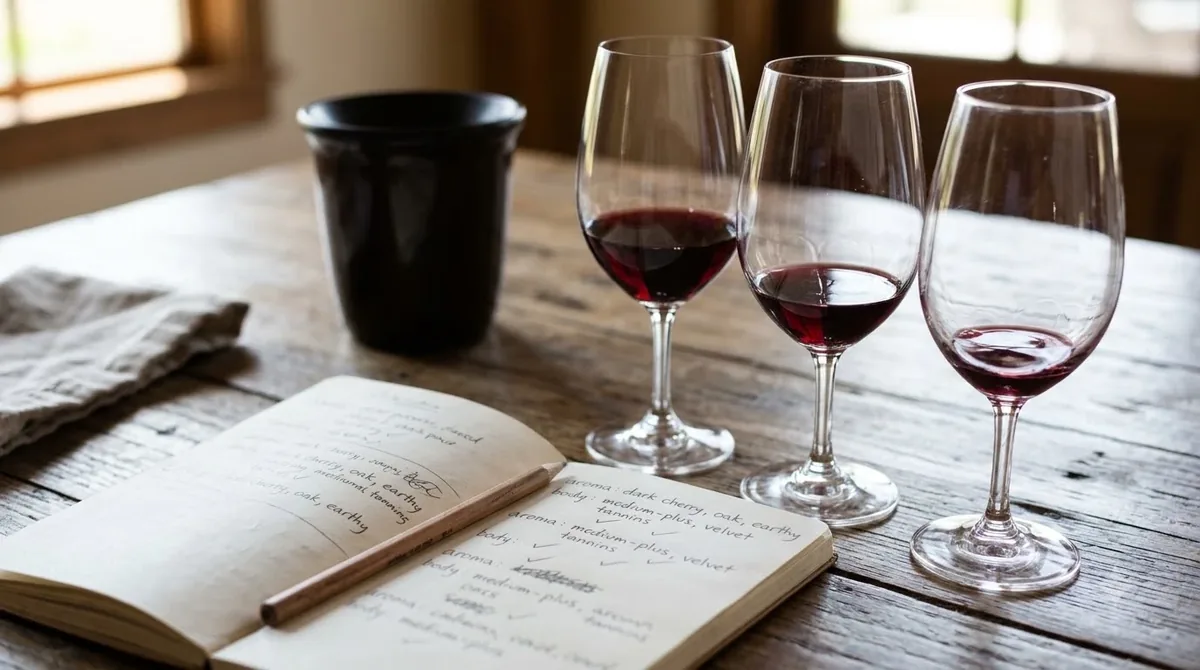
Light, biological-aged Sherries such as Fino and Manzanilla behave much like crisp white wines and taste flat if left on the counter. According to Decanter’s fortified wine service guide, pale and dry styles need a firm chill so their saline, almond, and citrus notes stay razor-sharp. Give them 30 to 45 minutes in a standard kitchen refrigerator before pouring, or let a chilled bottle sit out for 15 minutes so it warms from fridge temperature into the ideal 45°F to 50°F window.
Medium-bodied and oxidative styles sit comfortably in the cellar-cool middle ground. Tawny Port, Amontillado Sherry, and dry or medium-dry Madeira show best between 55°F and 60°F, which takes about 15 to 20 minutes in the fridge if the bottle starts at room temperature. At this range, roasted walnut, dried orange peel, and toffee aromas lift cleanly out of the glass without feeling heavy.
Full-bodied red and sweet fortified wines need slightly more warmth to let their dense textures and spice notes unfold. Vintage Port, Late Bottled Vintage (LBV) Port, and sweet Bual or Malmsey Madeira perform best between 60°F and 65°F—still noticeably cooler than a typical American living room. One playful exception noted by Sherry specialists is Pedro Ximénez (PX), which can be poured directly over crushed ice in a tumbler or drizzled over vanilla ice cream.
| Fortified Wine Style | Serving Temperature | Pour Size | Decanting Needed |
|---|---|---|---|
| Fino & Manzanilla Sherry | 45°F–50°F (Chilled) | 3 oz | No |
| White Port & Dry Vermouth | 45°F–50°F (Chilled) | 3 oz | No |
| Amontillado & Oloroso Sherry | 55°F–60°F (Cellar Cool) | 2.5–3 oz | No |
| Tawny Port & Ruby Port | 55°F–60°F (Cellar Cool) | 2.5–3 oz | No |
| Madeira (Sercial to Malmsey) | 55°F–65°F (Cool to Cellar) | 2–3 oz | No |
| Vintage Port | 60°F–65°F (Cool Room) | 2.5–3 oz | Yes (for sediment) |
Choosing the Right Glassware and Pour Size
A fortified wine glass is noticeably smaller than a standard red wine goblet and features a gentle inward taper at the rim. This tulip silhouette traps complex aromatics inside the bowl while keeping the higher alcohol concentration from overwhelming your senses.
Standard table wines are poured at 5 ounces, which yields five glasses from a 750-milliliter bottle. Because fortified wines carry 15 to 22 percent alcohol by volume, a 2.5- to 3-ounce pour is the practical standard for both dinner parties and quiet after-dinner sipping. That smaller measure stretches a single bottle to eight or ten servings, keeps the liquid from warming up in the glass, and leaves plenty of headspace above the wine for swirling.
Traditional specialty stems include the Spanish copita for Sherry and the classic Port glass, both of which hold around 5 to 7 ounces total so a 3-ounce pour fills the bowl roughly halfway. As Wine Enthusiast notes in its guide to fortified wine, a tall bowl with a narrow opening retains delicate aromas while letting harsh alcohol vapors dissipate. If you do not own dedicated fortified stemware, a smaller universal white wine glass works far better than an oversized Bordeaux bowl, which spreads the wine too thin and amplifies alcohol burn.
Always hold the glass by the stem rather than cupping the bowl in your palm. Body heat transfers quickly through thin crystal, and warming a chilled Fino Sherry or cellar-cool Tawny Port by even five degrees can dull its balance before you finish the glass. For casual apéritifs like White Port and tonic or sweet Vermouth over ice, switch to a stemmed wine glass or a heavy-bottomed rocks glass filled with large ice cubes and a citrus twist.
When and How to Decant Fortified Wine
Most fortified wines are filtered or fined before bottling and are ready to pour the moment you pull the cork or stopper. Only bottle-aged styles that throw natural sediment over decades—most notably Vintage Port—require careful decanting prior to service.
If you are opening a bottle of Vintage Port, stand it upright for at least 24 hours before your meal so fine tartrate crystals and pigment particles settle cleanly to the bottom. When you are ready to decant, remove the capsule cleanly below the lip, ease out the long natural cork gently, and pour the wine in one steady, uninterrupted motion into a clean glass decanter. Shine a small flashlight or smartphone light beneath the shoulder of the bottle as you pour so you can stop the instant cloudy sediment reaches the neck.
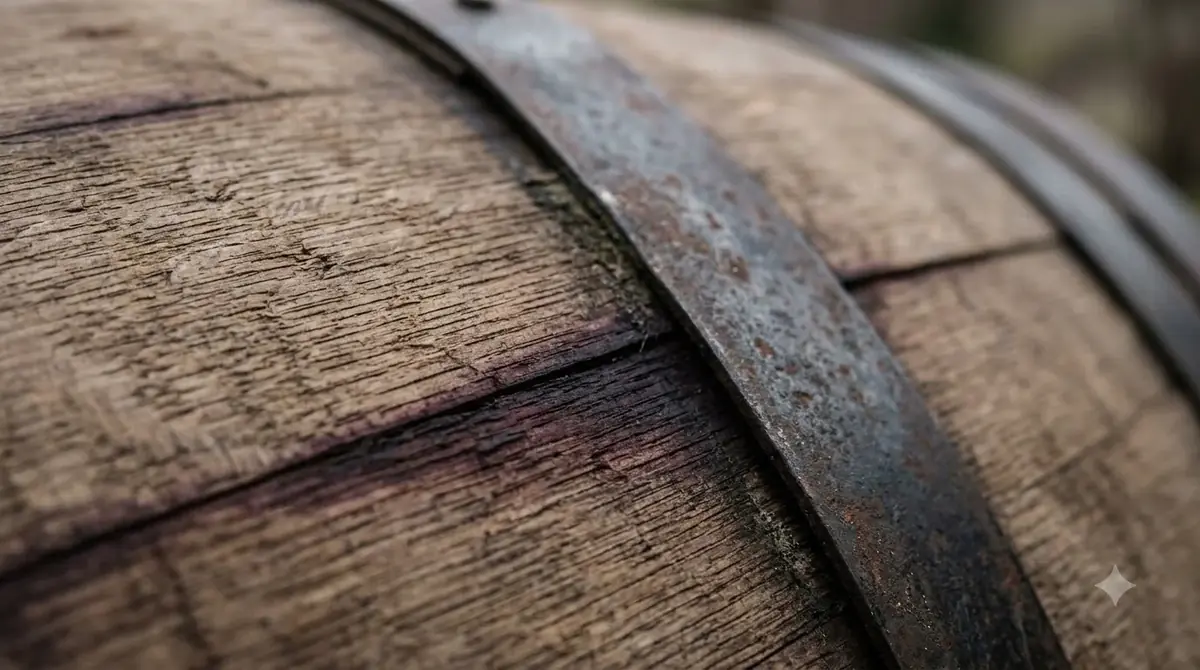
Young Vintage Ports benefit from two to four hours of aeration in the decanter to soften firm tannins and integrate their spirit, whereas fragile bottles older than thirty years should be decanted just thirty minutes to an hour before serving so delicate fruit notes do not fade. By contrast, Tawny Port, Ruby Port, Madeira, and nearly all Sherries have already undergone controlled oxidative aging in wood barrels. Decanting these styles adds unnecessary steps without improving aroma or texture, so you can pour them straight from the bottle.
Tip: Keep a small square of unbleached cheesecloth or a fine mesh strainer over your funnel when decanting older Vintage Port in case a crumbling cork drops fragments into the neck.
Sequencing Pours and Pairing With Food
Serving fortified wines alongside food follows the same progression rules as table wine: move from light and dry to rich and sweet, and pour lower-alcohol bottles before higher-strength ones. Reversing that order coats the palate in sugar and makes drier wines taste thin and sour.
When hosting a multi-course dinner or tasting flight, start with bone-dry Fino or Manzanilla Sherry, chilled White Port, or dry Sercial Madeira as an apéritif alongside salted Marcona almonds, green olives, jamón serrano, or fresh oysters. Their brisk acidity and savory salinity wake up the appetite much like the crisp white wines covered in our guides on how to serve Pinot Grigio and how to serve Pinot Gris.
For savory main courses or intermediate cheese plates, step up to medium-dry Amontillado Sherry, smoky Verdelho Madeira, or nutty Oloroso Sherry. These amber-hued wines pair effortlessly with roasted mushrooms, aged Comté or Manchego cheese, duck, and rich consommés. If you are exploring how these styles fit into the broader spectrum of Wine by Type, think of dry oxidative fortified wines as structural equals to full-bodied whites or light reds at the dinner table.
Save sweet styles for the end of the meal, where sweetness and salt create classic contrast. Aged Tawny Port shines next to pecan pie, crème brûlée, and caramel tarts, while Ruby and Vintage Ports pair naturally with dark chocolate, berry desserts, and pungent blue cheeses like Stilton or Roquefort. Sweet Malmsey Madeira and viscous Pedro Ximénez Sherry also stand alone as liquid desserts when served in small, contemplative pours after the plates are cleared.
Storing and Preserving Opened Bottles
Higher alcohol levels and deliberate oxygen exposure during winemaking give most fortified wines a dramatically longer shelf life after opening than standard table wines. Even so, proper refrigeration and upright storage protect fresh fruit and nutty aromatics from going stale.
Because unfortified reds and whites begin oxidizing rapidly once uncorked—similar to what happens when learning how to serve rosé for warm-weather gatherings—they typically last only three to five days. Fortified wines behave very differently depending on how they were aged in the cellar:
- Fino and Manzanilla Sherry: Treat these biological-aged wines like delicate white wine. Re-stopper tightly, store upright in the refrigerator, and finish within one week.
- Ruby Port and Late Bottled Vintage Port: Keep refrigerated upright with the T-stopper sealed; they hold their vibrant berry fruit for two to three weeks.
- Vintage Port: Because it is bottled unfiltered with minimal oxygen exposure, an opened bottle peaks within two to three days and should be finished quickly.
- Tawny Port, Amontillado, and Oloroso Sherry: Already matured in wood, these styles stay fresh in the refrigerator for four to six weeks, with sweet Oloroso lasting up to two or three months.
- Madeira: Heated and oxidized during production, Madeira is virtually indestructible and keeps its character for months or even years when stored upright in a cool, dark cabinet.
Always store opened fortified wine bottles upright rather than on their side. Standing the bottle up minimizes the surface area exposed to air inside the bottle and prevents high-proof wine from degrading cork stoppers over time. When you want another glass of Tawny Port or Oloroso Sherry from the fridge, simply pull the bottle out 15 to 20 minutes early so it reaches cellar temperature.
Frequently Asked Questions
Should fortified wine be served chilled or at room temperature?
Most fortified wines taste best slightly chilled rather than at warm room temperature. Dry styles like Fino Sherry and White Port should be chilled to 45°F–50°F, while Tawny Port, Amontillado Sherry, and Madeira shine at a cellar-cool 55°F–60°F, and Vintage Port opens up around 60°F–65°F.
What is a standard serving size for fortified wine?
A standard pour for fortified wine is 2.5 to 3 ounces, which is roughly half the size of a normal 5-ounce table wine pour. Because fortified wines range from 15 to 22 percent ABV, smaller pours keep the alcohol balanced on the palate and allow one 750-milliliter bottle to serve eight to ten guests.
Do you have to decant Port before serving it?
You only need to decant unfiltered bottle-aged styles such as Vintage Port or Crusted Port, which develop natural sediment over time. Filtered and wood-aged styles like Ruby Port, Tawny Port, Sherry, and Madeira contain no sediment and can be poured straight from the bottle.
How long does fortified wine last after opening?
Shelf life depends on the style, ranging from two to three days for Vintage Port and one week for Fino Sherry to four to six weeks for Tawny Port and Oloroso Sherry when refrigerated upright. Madeira is the most resilient fortified wine and can remain vibrant for many months after opening if kept tightly stoppered in a cool, dark place.
Mastering how to serve fortified wine comes down to respecting its higher strength and matching temperature and glassware to the style in your bottle. Chill dry Sherries like crisp whites, give rich Ports and Madeiras a brief spell in the fridge to hit cellar temperature, and pour modest 3-ounce measures into tulip-shaped stems so every aroma shines.
More in Wine Types & Grapes
 Zinfandel Sugar Content: Dry Red vs. White Zinfandel GramsUpdated Nov 21, 2026
 Best Zinfandel Substitute Options for Sipping and CookingUpdated Nov 21, 2026
 Zweigelt Food Pairing: Best Dishes, Cheeses, and Serving TipsUpdated Nov 21, 2026
 Zinfandel Tannins Explained: How Structure Shapes Every BottleUpdated Nov 21, 2026
 Zinfandel Sweetness Level: Dry Red vs. Sweet White Zin ExplainedUpdated Nov 21, 2026
 Xinomavro Food Pairing: Best Dishes, Styles, and Serving TipsUpdated Nov 21, 2026