


We may earn a commission when you buy through links on this page, at no extra cost to you. Learn more.
Here is how to pronounce muscat: say “MUSS-kat,” with two syllables and the stress on the first one. The second syllable ends in a short “a” like the one in “cat,” not a long vowel like the one in “cake.” The same spelling also names a city in Oman, where the final vowel shifts, so context matters. Dictionary and wine-guide pronunciations agree on the stress pattern, which is the part that matters most.
If you have ever stalled over a wine list, you are not alone. The Muscat family appears on labels as Moscato, Moscatel, Zibibbo, and several other names, and the pronunciation shifts with the language printed on the bottle. This guide covers the grape name, the Italian and Spanish terms you are most likely to see, and the Oman city that shares the spelling. Once the stress pattern clicks, the rest of the family becomes much easier to order. If you are also working through other tricky names, our guide on how to pronounce chardonnay covers another common white wine that often appears on the same list.
How to Say Muscat Out Loud
Muscat has two syllables, the first one is stressed, and the second ends in a short “a,” so most English speakers can get it right after a few tries.
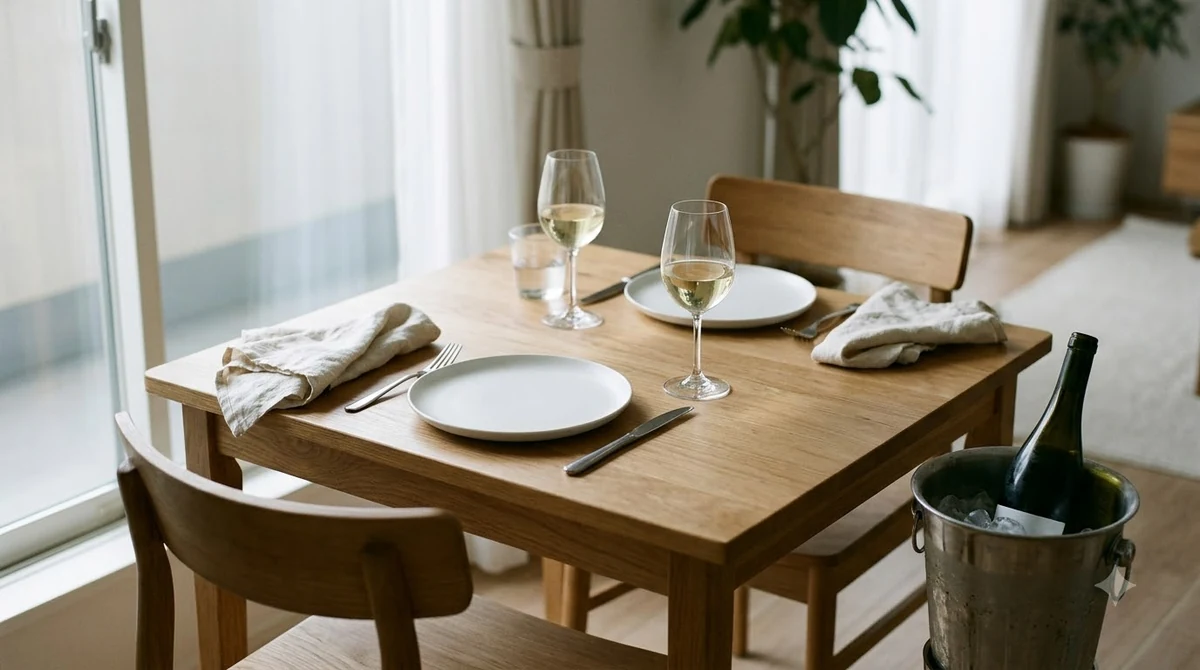
Start with the first syllable, which carries the emphasis. It begins with the same sound as the opening of “muscle,” so the first half sounds like “muss,” and the second half is a quick, clipped “kat.” Do not stretch the middle of the word or insert a pause between the syllables. Two syllables and one clear stress is the whole rule, and the rest of the pronunciation follows from that.
Merriam-Webster marks the grape’s pronunciation as ˈmə-ˌskat, with a primary stress mark on the first syllable and a lighter secondary mark on the second. That layout matches the simple guidance WinePros gives, which describes muscat as two syllables with the emphasis on the first and respells it as muh-skat. The respelling is a good working guide, although the first vowel in your own speech may come out slightly different, and that is fine.
The fastest way to lock the word in is to say it inside a short phrase, such as “a glass of muscat, please.” Speaking it in a sentence keeps the rhythm natural and stops the word from sounding like two separate chunks. Try the phrase three or four times out loud, then use it at the next dinner. Most people find the stress settles quickly once it is spoken in context.
Muscat, Moscato, and Moscatel: Which Name Goes Where
Muscat is the family name, while Moscato and Moscatel are the Italian and Iberian names for two specific grapes inside that family.
According to Decanter, Muscat is the overarching family of grapes, and the term can refer either to the whole group or to the two main varieties within it. Moscato is the Italian term for Muscat Blanc à Petits Grains, the grape behind wines such as Moscato d’Asti. Moscatel is the Iberian term for Muscat of Alexandria, which typically produces sweet wines in Spain and Portugal. You can read the full breakdown in Decanter’s guide to the differences between Muscat, Moscatel and Moscato.
Pronunciation follows the language on the label. Moscato is said mohs-KAH-toh, with the stress on the middle syllable, and Moscatel is mohs-kah-TEL, with the stress on the last syllable. Muscat keeps the English form with the stress at the front. The three names look related, but each one places the emphasis in a different spot, and learning those three patterns makes the family easier to recognize on a menu.
| Name | Respelling | Syllables | Stressed syllable | Usually refers to |
|---|---|---|---|---|
| Muscat | MUSS-kat | 2 | First | The grape family, or the wine made from it |
| Moscato | mohs-KAH-toh | 3 | Middle | Muscat Blanc à Petits Grains, mostly Italian wines |
| Moscatel | mohs-kah-TEL | 3 | Last | Muscat of Alexandria, mostly Spanish and Portuguese wines |
Some labels mix these terms, so do not be surprised if a bottle uses a regional name you have not seen before. The grape name printed on the label still tells you which family you are dealing with, and the stress rule works the same way for each one. If the name looks unfamiliar, check the country and the grape together, then say it with the stress up front.
Why the City of Muscat Sounds Different
The capital of Oman shares the spelling, but the dictionary gives the place name a different vowel in its final syllable, so the two forms can sound noticeably different.
Merriam-Webster lists Muscat as a geographical name for the town and port on the Gulf of Oman, and it notes that Muscat is the capital of Oman. The main pronunciation is ˈmə-ˌskät, with the stress on the first syllable and an open “ah” sound at the end. The entry also lists Masqat as a variant spelling.
That difference explains why the same letters can sound different in two settings. In the grape form, the final syllable uses a short “a,” as in “cat.” In the city form, the same letters take an open “ah” vowel, so some listeners hear the place name as something closer to MUSS-kaht. Neither version is wrong when it refers to the right thing, but mixing them up in a conversation about wine can cause a moment of confusion.
Context usually settles the question before the pronunciation matters. A sentence about a dessert wine, a bottle on the table, or a sommelier describing aromas means the grape. A sentence about flights, ports, or the Gulf means the city. In writing, the place name is capitalized, while dictionary entries show the grape in lowercase, which gives you a second clue when you read a menu or an article.
Where the Name Comes From
The word traces back to a term for musk, and older stories tie the grape to bees, which helps explain why it has such a strong sweet aroma.
Merriam-Webster traces the grape sense of muscat through Middle French and Old Occitan, where the root meant musky, from the word for musk, which came from Late Latin muscus. The dictionary records the first known use of the word in 1548. That places the name centuries after the grape itself was being cultivated, which fits the grape’s reputation as one of the oldest in the world. The name points to a scent people associated with the wine, which is one of the explanations VinePair describes.
VinePair’s Keith Beavers, in his Wine 101 episode, describes the musk explanation and then a second, more playful one. Because the grape is so sweet, it attracts bees, and Pliny the Elder called a wine uva apiana. Beavers points out that ape means bee in Italian, which makes the old name a neat historical link. You can hear the whole story in VinePair’s Wine 101 episode on Muscat and Moscato.
WinePros lists several other proposed roots for the name, including Persian, Greek, and Latin ideas, and it presents them as unresolved. Treat those theories as background rather than settled history. The parts you can rely on are the dictionary chain, the 1548 first use, and the grape family’s age. Those three points give you enough context to explain the name if a friend asks why it sounds the way it does.
Muscat Wine Styles You Will See on a Label
The family makes dry, sweet, sparkling, and fortified wines, so the name tells you about a grape family rather than one fixed style.
WinePros notes that Muscat can be produced in bone-dry, medium, sweet, or sparkling styles, and that grapes picked very late in the season can give a luscious dessert wine. VinePair adds a useful contrast between the two main varieties. Muscat Blanc à Petits Grains is more aromatic, with orange blossom and honeysuckle notes, while Muscat of Alexandria is known mostly for its sweetness and grapey character. Those differences explain why two bottles with similar names can taste quite unlike each other.
The table below shows three styles you are likely to meet, with approximate alcohol levels and serving temperatures for each. The figures are starting points for ordering, not a rule for every bottle.
| Style | Example | Sweetness and texture | Alcohol | Serve at |
|---|---|---|---|---|
| Moscato d’Asti | Asti, Piedmont, Italy | Sweet, lightly fizzy | About 5 to 5.5% | 43 to 50°F |
| Dry aromatic Muscat | Various regions | Dry, floral, clean finish | About 8 to 11% | 45 to 50°F |
| Fortified Muscat | Muscat de Rivesaltes, France | Sweet and rich | 15 to 18.5% or more | Lightly chilled |
Moscato d’Asti sits at the low end of the alcohol range, which is why many people treat it as a light, sweet wine for a relaxed afternoon or a dessert course. Dry Muscat behaves more like a light white, with a floral nose and a fresh finish. Fortified styles are the richest of the three and are usually poured in small glasses, which makes them a good choice after a meal.
If you want a broader overview of how these styles sit alongside reds, sparkling wines, and rosé, browse Wine by Type. Sorting Muscat into the right category first makes the pronunciation question feel smaller, because you will have a rough idea of what the glass will taste like before you order it.
Muscat Mix-Ups: Muscadet, Muscadelle, and Muscardin
Several French names look close to Muscat on a printed list, but none of them belong to the Muscat family, so it helps to keep them separate in your head.
WinePros states plainly that the French Muscardin, Muscadelle, and Muscadet do not relate to the Muscat grape species. Decanter makes the same point about Muscadelle, which it links most closely with Bordeaux. These names are easy to blur when a server reads a list quickly, because they share the same opening sounds and a similar rhythm.
Muscadet is a separate grape and a separate style, so ordering it when you meant Muscat will get you something quite different. A simple check helps. If the menu says Muscat, Moscato, Moscatel, or the Italian name for a specific grape, you are in the Muscat family, and you should expect aromatics, sweetness, or both. If it says Muscadet or Muscadelle, you are in another family, and the flavors will not follow the Muscat pattern.
When you are unsure, look at the grape name and country together, then say the word with the stress on the first syllable. The server will almost always understand what you are pointing to, so your confidence matters more than a perfect accent. Most of the time, the wine in the glass will confirm which family you picked.
Ordering Muscat With Confidence at a Wine Bar
Say the name with the first syllable stressed, serve the wine properly chilled, and the order will sound natural.
A confident order can be short: “I’ll have a glass of the Moscato d’Asti, please,” said with mohs-KAH-toh and no hesitation. If the word still feels awkward, pointing at the label or naming the country works just as well. The goal is clarity rather than a perfect accent, and a steady delivery does more for you than a precise vowel.
Serving matters as much as the name. WinePros says Muscat is best served chilled and does not need decanting, so you can pour it straight from a cold bottle. For lightly fizzy styles such as Moscato d’Asti, keeping the bottle in the 43 to 50°F range suits sweet white wines well. A regular medium-sized white wine glass is the standard choice, so you do not need a special glass to enjoy it.
If you also run into the word cuvée on a sparkling bottle, our guide on how to pronounce cuvee covers that term. Once you know the Muscat family and its main styles, you will find it much easier to read the rest of a wine list, and the pronunciations will start to feel familiar.
Tip: Say “MUSS-kat” with a firm first syllable, then point at the bottle if you need to. A clear stress is the detail that makes the word sound natural in conversation, and it matters far more than getting every vowel exact.
Frequently Asked Questions
Does the final syllable sound like “cat” or “cut”?
The “cat” ending is the standard choice and matches the respelling used in this guide. Merriam-Webster also lists an alternate ending, -skət, which uses a reduced vowel closer to the sound in “cut.” Both forms are recognized, so you do not need to worry about being wrong with the “cat” version.
How long does an opened bottle of Muscat last?
Still Muscat generally stays good for about 3 to 5 days in the fridge, while lightly fizzy styles such as Moscato d’Asti are best within about 1 to 3 days. Fortified Muscat is the most forgiving of the group and can keep for several weeks. Use a tight stopper and keep the bottle cold to slow the loss of freshness.
Can Muscat come in red or pink styles?
Yes, the family includes wines made from white, pink, and black grapes. WinePros notes that Muscat varieties range from whitish-green through pink to deep black-purple, and it describes Muscat of Hamburg as a black variety used for easygoing table wines. VinePair also points out that the grapes can be yellow, pink, or black.
What foods go well with sweet Muscat?
WinePros recommends matching sweet Muscat with desserts of similar sweetness, such as vanilla or caramel ice cream, baked apple pie, or baklava. Dry examples work better with fresh fruit, salads, or sushi, and fortified styles pair well with soft cheeses that have an intense nutty character.
What is Muscat Ottonel?
Muscat Ottonel is a third Muscat-family grape, and Decanter describes it as a 19th century crossing of Chasselas and Muscat that was grown in the Loire valley. Today it is typically found in parts of eastern Europe, including Bulgaria, Romania, and Hungary, as well as Austria and the Alsace region of France.
That covers the pronunciation for the grape, the Oman city, and the Italian and Spanish names you are most likely to see. Once the first syllable feels natural, the rest of the Muscat family becomes far easier to order, from dry styles to sweet sparkling and fortified bottles. Chill the wine well, pour it into a regular white glass, and enjoy a grape family that has been around for a very long time.
More in Wine Types & Grapes
 Zinfandel Sugar Content: Dry Red vs. White Zinfandel GramsUpdated Nov 21, 2026
 Best Zinfandel Substitute Options for Sipping and CookingUpdated Nov 21, 2026
 Zweigelt Food Pairing: Best Dishes, Cheeses, and Serving TipsUpdated Nov 21, 2026
 Zinfandel Tannins Explained: How Structure Shapes Every BottleUpdated Nov 21, 2026
 Zinfandel Sweetness Level: Dry Red vs. Sweet White Zin ExplainedUpdated Nov 21, 2026
 Xinomavro Food Pairing: Best Dishes, Styles, and Serving TipsUpdated Nov 21, 2026