


We may earn a commission when you buy through links on this page, at no extra cost to you. Learn more.
If you are wondering how to pronounce marsanne, say “mahr-SAHN,” with a soft, open “ah” in both syllables and gentle stress on the second half. Despite the double “n” and trailing “e” at the end of the spelling, those final letters remain silent in both French and everyday American wine conversation. Once you drop the trailing vowel sound and keep the second syllable crisp, ordering this classic white Rhône grape at any restaurant or wine shop becomes effortless.
French wine labels often look intimidating on paper, yet the spoken versions are frequently simpler than the spelling suggests. Knowing how to say Marsanne aloud opens up a whole category of textured, food-friendly white wines that rival Chardonnay in richness while offering a distinct personality of their own.
Breaking Down the Pronunciation
Marsanne breaks cleanly into two syllables: mahr-SAHN (IPA: /maʁ.san/). English speakers sometimes hesitate over the French “r” or try to pronounce the final “e,” but keeping both vowels open and clipping the ending cleanly will sound natural to any sommelier or server.
Start with the first syllable, “mahr,” which rhymes with the English word “car.” Even though native French speakers roll or soften the “r” slightly in the back of the throat, an American English “mahr” is universally understood and never sounds out of place at a dinner table. Keep the vowel broad rather than pinching it into a short “a” sound like the word “marry.”
Move directly into the second syllable, “SAHN,” rhyming with “on” or “gone” rather than the English name “Dan.” In French spelling, the double “n” followed by an “e” signals that you should clearly voice the “n” consonant without adding an extra “uh” or “ee” sound afterward. Place a light emphasis on that second syllable, and avoid turning the vowel nasal the way you would in words like “blanc.”
You will frequently see Marsanne paired on wine lists with its sister grape, Roussanne, which follows the exact same phonetic rule. Roussanne is pronounced “roo-SAHN,” rhyming directly with “mahr-SAHN.” Practicing the pair together—”mahr-SAHN and roo-SAHN”—is one of the easiest ways to lock the rhythm into memory, much like mastering how to pronounce chardonnay or how to pronounce cuvee when browsing French sections of a wine shop.
What Marsanne Is and Why It Matters
Marsanne is a white wine grape originating in France’s Northern Rhône Valley, prized for producing medium- to full-bodied wines with rich texture, moderate acidity, and remarkable aging potential. Alongside Roussanne, it serves as the backbone of prestigious white Rhône blends and also shines on its own in single-varietal bottlings.
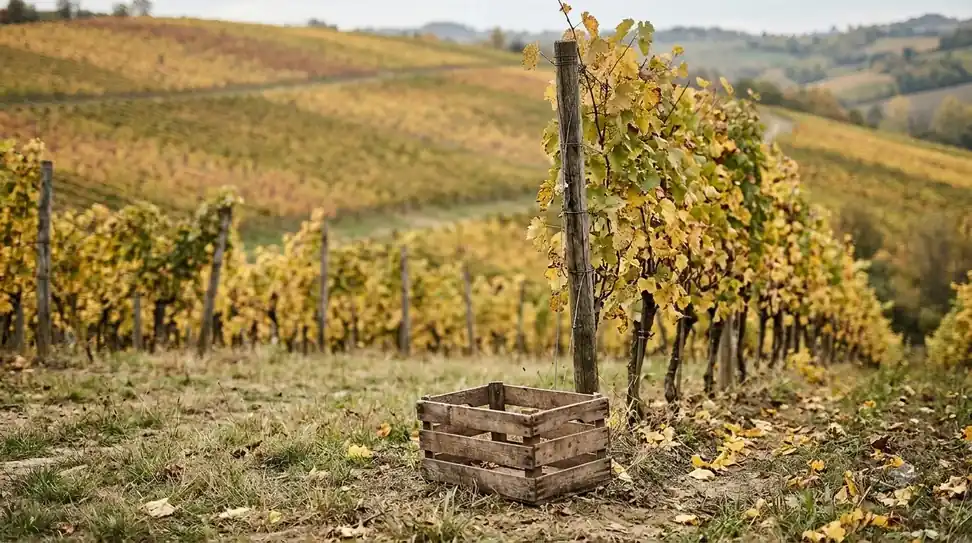
The grape takes its name from the small village of Marsanne, located just east of the Rhône River in southern France. For centuries, growers in the steep hillside vineyards of the Northern Rhône have relied on Marsanne because it ripens reliably and yields generous fruit with sturdy structure. While red Syrah commands much of the fame in that corridor, Marsanne is responsible for the region’s most celebrated white wines.
In the cellar, winemakers value Marsanne for the weight and palate presence it brings to a blend. Left on its own, Marsanne can sometimes come across as broad or understated on the nose, which is why Northern Rhône producers frequently blend it with Roussanne. In those partnerships, Roussanne contributes lifted floral aromatics and brisk acidity, while Marsanne provides body, extract, and mid-palate richness.
For drinkers exploring different Wine by Type, Marsanne occupies a rewarding middle ground between crisp, zesty whites like Sauvignon Blanc and plush, oak-driven Chardonnay. According to Wine Folly’s guide to Marsanne, the grape is widely regarded as a compelling alternative to Chardonnay thanks to its generous mouthfeel and versatile profile at the dinner table.
Flavor Profile and Wine Styles
Young Marsanne typically delivers flavors of quince, mandarin orange, apricot, acacia blossom, and beeswax, supported by medium-plus body and medium-low acidity. As the wine ages in bottle, those bright orchard and citrus notes evolve into deeper layers of toasted hazelnut, almond, honey, and citrus marmalade.
Fresh, unoaked versions fermented in stainless steel highlight the cleaner side of the grape. In these bottlings, you will notice lively pear, lemon pith, white flowers, and a subtle mineral edge that keeps the finish balanced despite the grape’s naturally softer acidity. Many modern producers avoid malolactic fermentation on entry-level bottlings to preserve every bit of natural crispness.
Oak-aged and reserve expressions lean into Marsanne’s natural weight and waxy texture. Spending time in neutral or lightly toasted French oak barrels rounds out the mid-palate, bringing forward hints of spiced pear, honeycomb, and a faintly bitter almond note on the finish that keeps the wine from feeling heavy. Top examples from the Northern Rhône can age gracefully for a decade or more, gaining remarkable savory complexity along the way.
| Style Characteristic | Young / Unoaked Marsanne | Aged / Oak-Influenced Marsanne |
|---|---|---|
| Primary Aromas & Flavors | Quince, pear, mandarin orange, acacia blossom | Honeysuckle, beeswax, toasted almond, citrus marmalade |
| Body & Texture | Medium-bodied, smooth, lightly waxy | Full-bodied, rich, broad, creamy mouthfeel |
| Acidity & Alcohol | Medium-low acidity; typically around 12% to 13.5% ABV | Soft, integrated acidity; often 13.5% to 15% ABV |
| Best Drinking Window | 1 to 3 years from vintage for bright fruit | 5 to 15+ years for nutty, honeyed depth |
Where Marsanne Grows Around the World
While Marsanne’s spiritual home remains the Northern Rhône Valley in France, the grape has also established celebrated roots in Australia, California, and Washington State. Across these regions, climate and winemaking choices shape whether the wine leans crisp and citrus-driven or plush and honeyed.
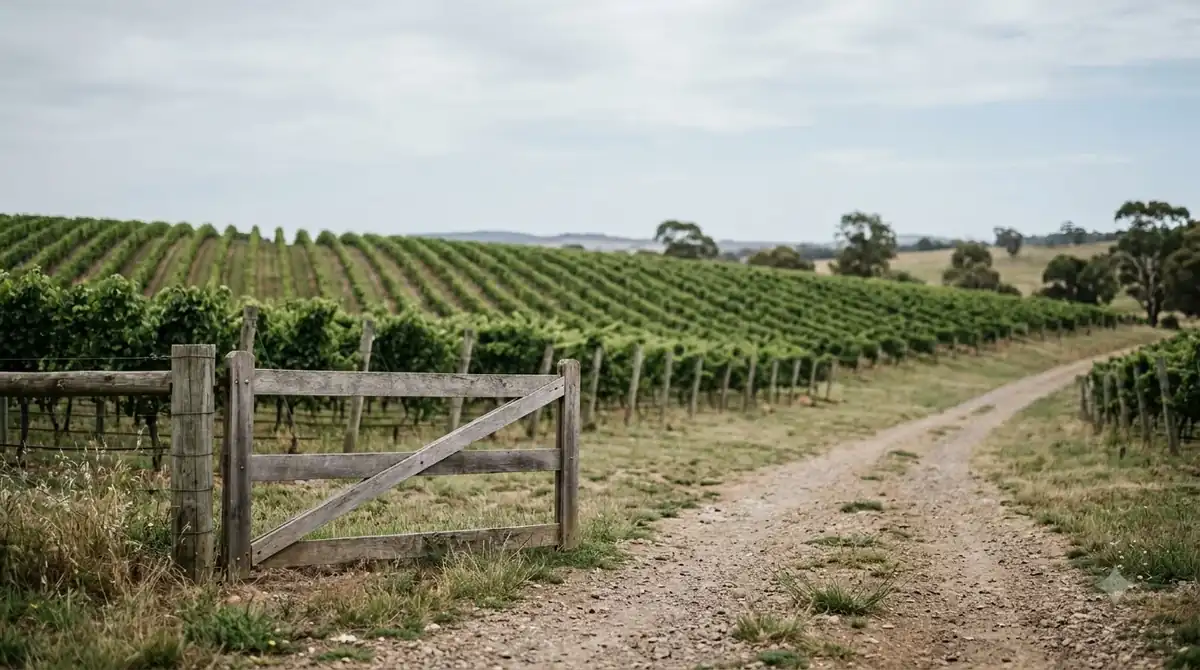
In France, Marsanne anchors the white wines of four key Northern Rhône appellations: Hermitage, Crozes-Hermitage, Saint-Joseph, and Saint-Péray. Hermitage Blanc represents the pinnacle of the grape, capable of extraordinary longevity and depth, while Crozes-Hermitage and Saint-Joseph offer more accessible, early-drinking expressions. Further south in Saint-Péray, producers craft both still whites and traditional-method sparkling wines from Marsanne and Roussanne, and growers across the Languedoc-Roussillon also bottle single-varietal Marsanne under the Pays d’Oc designation.
Outside Europe, Australia holds one of the most historic Marsanne legacies in the world. According to Tahbilk Winery in Victoria’s Nagambie Lakes, the estate traces its Marsanne heritage back to cuttings sourced in the 1860s and still harvests fruit from vines planted in 1927, representing some of the oldest Marsanne plantings on earth. Australian examples often show zesty lemon and mineral drive in their youth before developing rich honeysuckle and marmalade character with bottle age.
In the United States, Rhône-inspired winemakers in California’s Central Coast—including Paso Robles and Santa Barbara County—as well as Washington’s Columbia Valley have embraced Marsanne. Warm days and cool coastal or desert nights allow American growers to achieve ripe stone-fruit flavors while retaining enough natural tension to keep the wines lively.
How to Serve and Pair Marsanne
Serve Marsanne lightly chilled between 50°F and 55°F (10°C to 13°C) in a standard white wine glass so its waxy texture and subtle floral aromas can open up. Unlike razor-sharp white wines that taste best straight out of the refrigerator, Marsanne loses much of its nuance if served ice-cold.
If your bottle has been chilling in a standard kitchen refrigerator, pull it out roughly 15 to 20 minutes before pouring. Younger, stainless-steel bottlings shine closer to 50°F, where their mandarin and pear notes feel crisp and refreshing. Fuller-bodied, oak-aged, or mature bottles benefit from warming closer to 55°F, allowing beeswax, honey, and toasted nut aromatics to emerge in the glass.
At the table, Marsanne’s broad palate and moderate acidity make it remarkably adaptable with rich, savory, and gently spiced dishes. Because it lacks aggressive tartness, it will not clash with creamy sauces or sweet roasted vegetables, while its subtle bitter-almond finish cuts through butter and oil cleanly.
- Rich Shellfish and Seafood: Seared sea scallops in brown butter, grilled shrimp, lobster rolls, and crab cakes match Marsanne’s medium-full weight without overwhelming its delicate floral notes.
- Roast Poultry and Pork: Herb-roasted chicken, turkey breast, or pork tenderloin with apples and sage echo the wine’s orchard fruit and savory depth.
- South Asian Cuisine: Dishes featuring coconut milk, lemongrass, ginger, or mild curry—such as Thai green curry or Vietnamese grilled lemongrass chicken—pair naturally with Marsanne’s mandarin orange and honeysuckle character.
- Nutty Cheeses and Autumn Vegetables: Aged Comté, Gruyère, roasted butternut squash, and wild mushroom risotto complement mature Marsanne’s toasted hazelnut and beeswax notes.
Tip: When browsing a wine list or shop shelf, look for bottles labeled “White Rhône Blend” or “Hermitage Blanc”—even when Marsanne is not printed on the front label, it is frequently the primary grape inside.
Frequently Asked Questions
Is Marsanne pronounced with a silent E at the end?
Yes, the final “e” in Marsanne is completely silent, so the word ends cleanly on the “n” sound in “mahr-SAHN.” In French phonetics, adding an “e” after a double consonant signals that you pronounce the consonant itself rather than adding an extra vowel syllable at the end.
How do you pronounce Marsanne and Roussanne together?
Say “mahr-SAHN and roo-SAHN,” giving both grape names the exact same ending rhyme and second-syllable stress. Because these two white Rhône varieties are blended together so often, practicing them as a rhyming pair makes ordering white Rhône wines much easier.
Does Marsanne taste like Chardonnay?
Marsanne shares Chardonnay’s medium-to-full body and smooth, rounded texture, making it an appealing alternative for Chardonnay fans. However, Marsanne typically has lower acidity and leans toward quince, mandarin orange, beeswax, and toasted almond rather than Chardonnay’s green apple and lemon curd profile.
Is Marsanne a dry or sweet wine?
Almost all still and sparkling Marsanne wines are fermented completely dry, even though their ripe apricot, honeysuckle, and beeswax aromas can give an impression of richness. That broad, honeyed texture comes from the grape’s natural extract and lower acidity rather than residual sugar.
Now that you know how to pronounce Marsanne with confidence, keep an eye out for it the next time you want a textured white wine that steps outside the usual Chardonnay routine. Whether you pick up a crisp Pays d’Oc bottling for weeknight seafood or a classic Northern Rhône blend for a special dinner, you can order your bottle like a seasoned regular, just as easily as knowing how to pronounce claret at a steakhouse.
More in Wine Types & Grapes
 Zinfandel Sugar Content: Dry Red vs. White Zinfandel GramsUpdated Nov 21, 2026
 Best Zinfandel Substitute Options for Sipping and CookingUpdated Nov 21, 2026
 Zweigelt Food Pairing: Best Dishes, Cheeses, and Serving TipsUpdated Nov 21, 2026
 Zinfandel Tannins Explained: How Structure Shapes Every BottleUpdated Nov 21, 2026
 Zinfandel Sweetness Level: Dry Red vs. Sweet White Zin ExplainedUpdated Nov 21, 2026
 Xinomavro Food Pairing: Best Dishes, Styles, and Serving TipsUpdated Nov 21, 2026