

We may earn a commission when you buy through links on this page, at no extra cost to you. Learn more.
Chablis wine tasting is a way to recognize how Chardonnay can express citrus, green apple, lively acidity, and a stony impression in a dry white wine. The classic profile is lean and precise, but the appellation’s four levels range from bright, early-drinking Petit Chablis to layered, age-worthy Grand Cru. Learning the differences in aroma, texture, serving temperature, and vineyard name makes it easier to identify the style in your glass.
Chablis comes from the northern part of Burgundy in France, where Chardonnay grows in a cool, semi-continental climate. Its identity is linked to the River Serein, Jurassic-era limestone and marl, and a tradition of making wines that show freshness rather than overt ripeness or heavy oak. The notes below provide a practical way to taste a bottle, compare the four appellations, and choose food that works with its acidity.
Chablis Flavor Profile and Structure
Most Chablis is dry, high in acidity, and light to medium in body, with citrus, green fruit, white flowers, and a mineral impression. The familiar combination is lemon or grapefruit, green apple, a clean finish, and a mouthwatering line of acidity.
Start with fruit. Young Chablis commonly suggests lemon, lime, green apple, pear, and sometimes white peach, rather than tropical or jammy fruit. Acacia, hawthorn, mint, and fresh hay can add detail; bottle age may bring spice and savory notes without making the wine sweet.
The word mineral is often used for Chablis, but it describes a sensory impression rather than a literal flavor of limestone. Tasters may call it chalky, stony, saline, flinty, or like wet stone. A struck-match or gunflint note can appear in some wines, particularly where winemaking preserves a more reductive character. Wine Enthusiast explains that these matchstick and wet-stone descriptors can relate to cellar conditions and the cool-climate character associated with Chablis, rather than being identical aromas in every bottle. Its explanation of Chardonnay’s flint, wet-stone, and lees descriptors is useful when a tasting note seems abstract.
Acidity is the backbone: it gives Chablis its crisp attack and refreshing finish, even when lees contact adds creaminess. Village bottlings can feel lean and linear, while Premier Cru and Grand Cru wines are often broader and more layered. Ripeness, lees, and oak explain why bottles from one appellation can differ.
Kimmeridgian Limestone, the River Serein, and Climate
Chablis sits in northern Burgundy around the River Serein, and its cool, semi-continental conditions help Chardonnay retain acidity as it ripens. Much of the region’s signature geology dates to the Jurassic period, around 150 million years ago, and includes Kimmeridgian limestone and marl with fossilized oyster shells.
The fossil-rich bedrock is part of the region’s identity, but it is not a simple flavor formula. Slope, aspect, elevation, drainage, sunlight, and seasonal weather also shape the grapes. Grand Cru vineyards sit on the right bank of the Serein, roughly 100 to 250 meters above sea level; Petit Chablis parcels tend to occupy higher slopes and plateau edges around 230 to 280 meters, with harder limestone, silt, and sand in some sites.
The climate is a practical part of the tasting story. Chablis has cold winters and can face damaging spring frost, so a growing season’s conditions can affect both yield and ripeness. In cooler conditions, wines may show sharper citrus, green fruit, and a tauter texture. Warmer conditions can bring riper orchard and stone-fruit notes and a fuller impression, while acidity remains an important point of balance.
Terroir is a set of interacting factors, not a claim that fossil shells can literally be tasted. A higher or cooler parcel may ripen differently from a warmer exposed slope, and producers also make choices about fermentation and aging. This is why a named vineyard, or Climat, matters when comparing Premier Cru and Grand Cru. The Wine Regions overview places Chablis within Burgundy and the wider French wine map.
Four Chablis Appellations and How They Differ
Chablis has four appellations: Petit Chablis, Chablis, Chablis Premier Cru, and Chablis Grand Cru. All are dry whites made from Chardonnay, but their permitted vineyard areas, site conditions, and typical structure create a useful progression in concentration and aging potential.
Petit Chablis is often the briskest and most immediately approachable, with citrus, white blossom, light body, and a stony edge; it is generally enjoyed young, around two years after harvest. Village Chablis usually offers more depth while retaining lemon, green apple, flint, herbs, and a dry finish. Bourgogne’s wine organization notes its pale gold color and fresh mineral, citrus, apple, and floral aromas.
Premier Cru comes from 40 named Climats, with 17 principal names that commonly appear on labels. The wines tend to have more structure and length, and their aromas may be reserved when young. Allowing air in the glass can reveal floral, citrus, and savory layers. A five- to 10-year window is a useful general aging reference, although the vintage, producer, and vineyard site matter. The official Chablis appellation overview explains the four-part hierarchy and its single grape variety.
Grand Cru is the most concentrated tier, represented by seven Climats on the right bank of the Serein: Blanchot, Bougros, Les Clos, Grenouilles, Preuses, Valmur, and Vaudésir. Expect flint, nuts, linden, honey, almond, and a fuller palate. Many examples can age 10 to 15 years or longer with sound storage, though not every bottle needs extended aging.
| Appellation | Typical tasting impression | Useful aging guide | Suggested serving range |
|---|---|---|---|
| Petit Chablis | Light, citrus-led, floral, crisp | About 2 years after harvest | 45–50°F |
| Chablis | Green apple, lemon, flint, fresh herbs | About 2–3 years for many bottles | 45–50°F |
| Chablis Premier Cru | More structured, long, mineral or floral | About 5–10 years | 50–55°F |
| Chablis Grand Cru | Layered, fuller, flint, nut, honey, almond | About 10–15 years or longer | 50–55°F |
These are broad guides, not guarantees. A Premier Cru from a cool vintage may stay tightly wound longer, while a village Chablis can remain enjoyable beyond its usual early-drinking window. Comparing two levels side by side is more revealing than tasting one wine alone.
A Step-by-Step Chablis Tasting Method
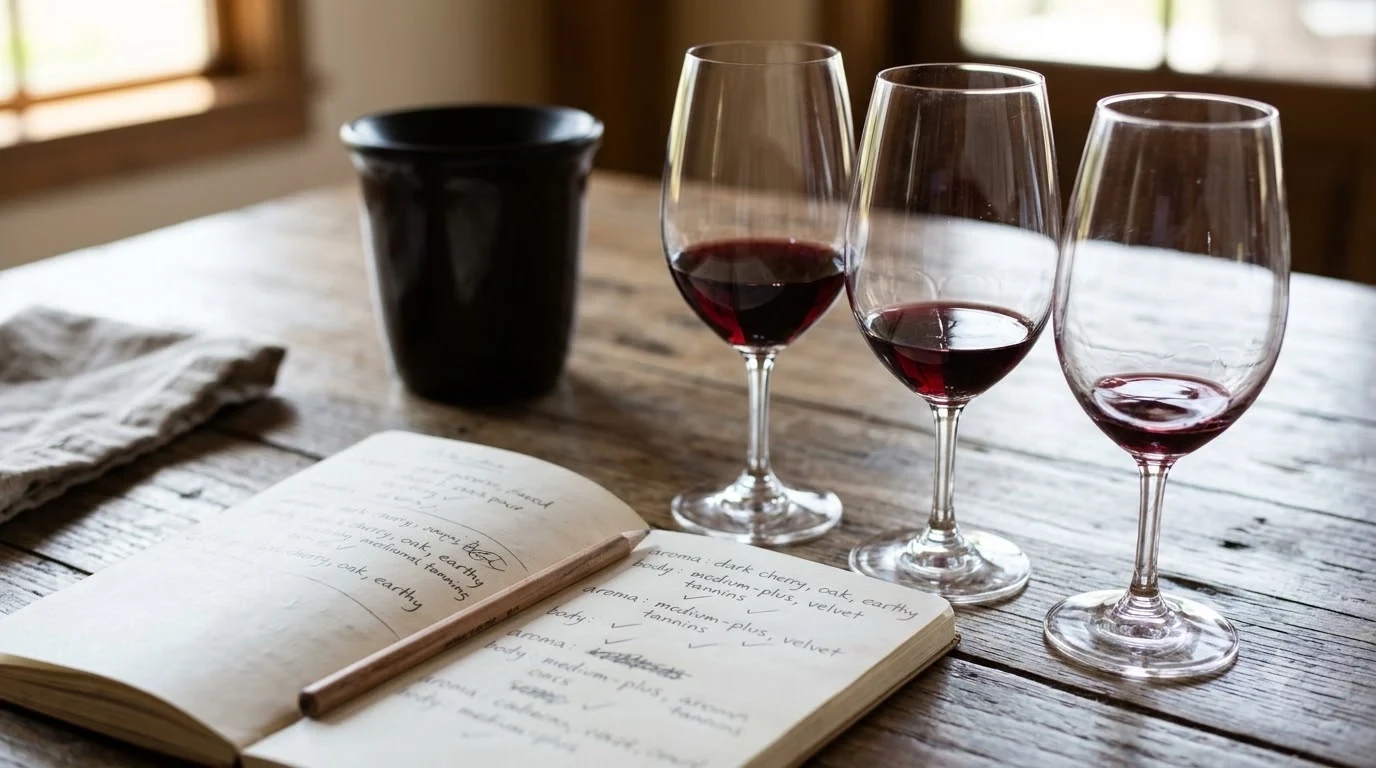
A structured tasting helps separate fruit, acidity, texture, and finish instead of collapsing everything into the word “mineral.” Use a clear glass, a moderate pour of about 5 ounces, and a quiet first minute before judging the wine.
Look at the wine
Hold the glass against a pale background and note its color. Young Chablis is often pale lemon, green-gold, or straw; older wine can deepen toward gold. Color is only a starting clue, not a quality score or reliable age test.
Smell in two passes
Smell before swirling for citrus, apple, white flowers, or a stony impression. Swirl gently and look for pear, peach, mint, hay, mushroom, struck match, or nuts. If a Premier Cru seems quiet, give it a few minutes in the glass before judging it.
Taste for balance and finish
Take a small sip and assess dryness, acidity, body, and finish. Fruitiness is not sweetness: Chablis is dry. Notice whether the acidity makes the mouth water, whether the texture feels crisp or creamy, and whether the finish is direct or layered.
A useful note might read: “Dry, high-acid Chardonnay with lemon, green apple, a chalky impression, and a clean, medium-length finish.” Add the Climat, floral or nutty notes, and texture for more detail. “Minerality” is most useful when supported by specific aromas or a description of the finish.
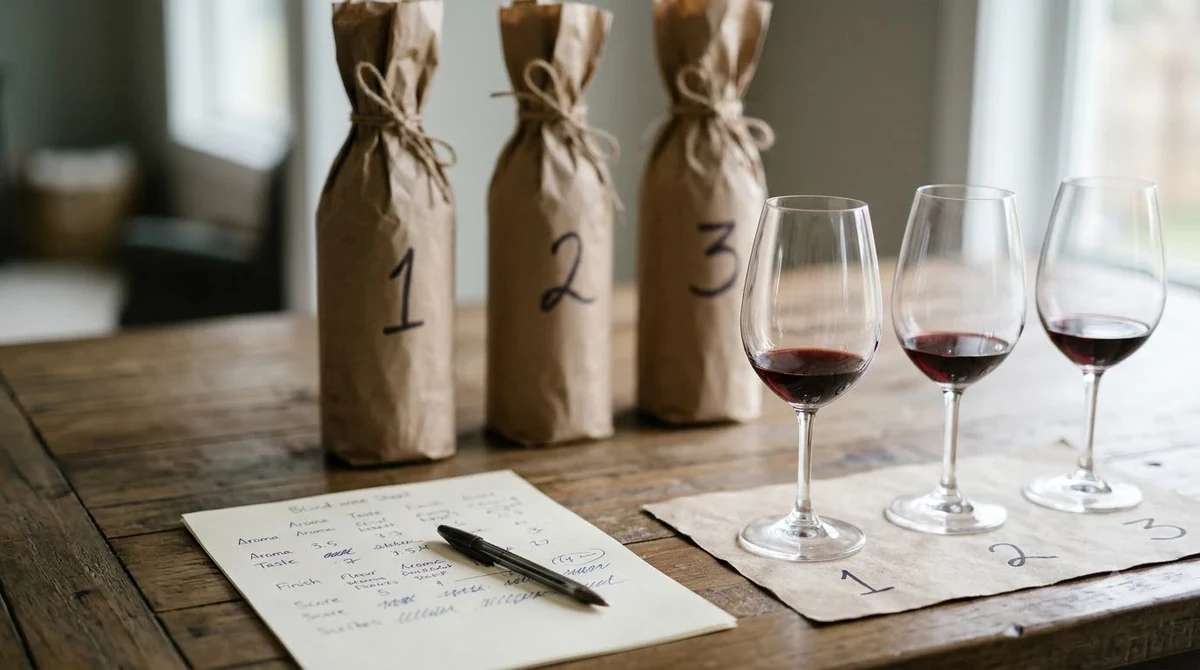
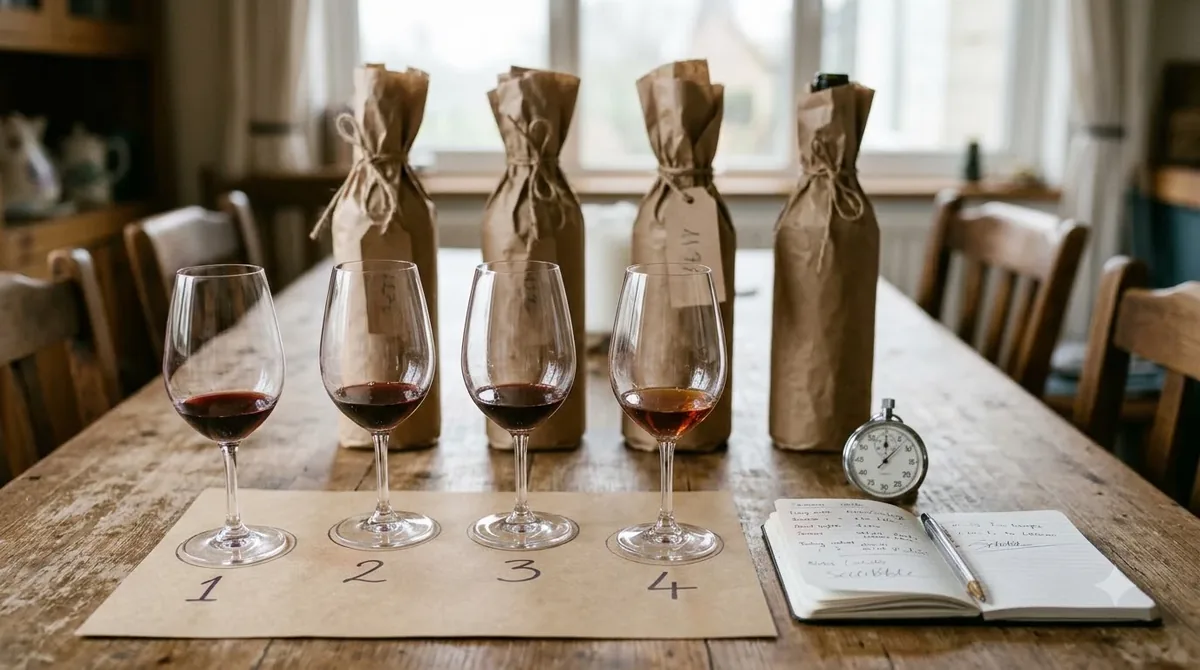
For a flight, begin with Petit Chablis or village Chablis, then move to Premier Cru and Grand Cru. This progression lets the more layered wines show their detail. Compare producers at similar temperatures and in similar glassware.
Winemaking, Oak, and Bottle Age
Chablis is always Chardonnay, but it is not made in one uniform cellar style. Stainless steel is common and can preserve a direct, crisp profile, while barrel fermentation or aging may add texture, spice, and a broader impression without erasing the wine’s acidity.
Oak is not a quality test. Some producers avoid obvious wood to keep lemon, apple, and mineral notes in front; others use older or larger barrels to add texture without strong vanilla or toast. Notice whether oak contributes spice and flavor or mainly a broader feel. Neither approach guarantees higher quality.
Lees aging can add texture. After fermentation, dead yeast cells settle; leaving wine on these lees, sometimes with stirring, can bring a rounder mouthfeel and bread-dough notes. Wine Enthusiast distinguishes lees character from wet-stone and matchstick impressions. Malolactic conversion may add a creamy or buttery note, but it is not required in Chablis.
Bottle age shifts primary fruit toward developed aromas. Petit Chablis is usually enjoyed for direct citrus and floral notes; Premier Cru can gain complexity over five to 10 years, while Grand Cru may develop nut, honey, mushroom, and savory notes over 10 to 15 years. Store bottles on their sides near 55°F, away from light and temperature swings. Age is not a contest: drink when the wine is enjoyable.
Serving Temperature, Glassware, and Food Pairings
Serve lighter Chablis cool enough to feel crisp but not so cold that its aromas disappear; fuller Premier Cru and Grand Cru benefit from slightly more warmth. A useful starting point is 45–50°F for Petit Chablis and village Chablis, and 50–55°F for more structured Premier Cru and Grand Cru.
Use a standard white-wine glass with room to gather aromas and swirl. A 5-ounce pour leaves space in the glass, and a 750-milliliter bottle provides about five servings. Let an overly cold glass warm briefly; return a warm bottle to the refrigerator rather than adding ice.
Seafood and shellfish
Oysters, clams, shrimp, crab, scallops, and simply prepared white fish are classic partners: acidity cuts through richness while citrus complements delicate seafood. Raw oysters suit lean village Chablis; grilled fish or buttered scallops can call for a more textured Premier Cru.
Chicken, vegetables, and cheese
Roast chicken, turkey, and pork loin pair well with restrained seasoning and sauces that are not sweet. Fuller Chablis or Premier Cru can refresh the palate alongside cream or butter. Asparagus, mushrooms, and green vegetables work best with lemon, salt, or savory herbs.
For cheese, try fresh goat cheese, Comté, Beaufort, or other firm, nutty cow’s-milk cheeses. The salt and savory depth of aged cheese can make the wine seem softer and bring out its fruit. Avoid very sweet desserts with dry Chablis: a dessert should generally be no sweeter than the wine, so a pastry with only a little sweetness is a safer choice than a sugary cake. High-acid dishes also call for a wine with equal or higher acidity, which is one reason Chablis works so well with lemon-seasoned seafood.
Tip: For a simple tasting flight, pour Petit Chablis, village Chablis, and Premier Cru in that order at their recommended temperatures. Pair them with a plain oyster, a lemon-seasoned scallop, and a small piece of Comté so the food changes gradually rather than masking the wine.
Use contrast as well as similarity: crisp Chablis refreshes a butter sauce, while lemon in a dish echoes the wine. Heavy chili or smoke can overwhelm a delicate bottling. Strongly flavored fish may call for a more assertive wine than Petit Chablis.
If exploring other white-wine regions, an Alsace wine tasting can show a contrasting range of Riesling and aromatic varieties, often with a different balance of fruit and floral character. A Willcox wine tasting can offer another comparison, with Arizona’s high-desert growing conditions and a broader mix of grape varieties. Tasting side by side makes the role of climate and grape variety easier to recognize.
Frequently Asked Questions
These quick answers clarify label terms, vineyard geography, and a few details that help distinguish the Chablis appellations.
What local name is used for Chardonnay in Chablis?
Chardonnay is also known locally as Beaunois in Chablis. The name refers to the same grape variety, not a separate white grape.
What does the word Climat mean on a Chablis label?
In Burgundy, a Climat is a precisely delimited vineyard site with a recognized name and its own combination of geology, exposure, slope, and local conditions. It does not mean the weather forecast. Some Chablis Premier Cru Climat names were already in use before 1429.
Does the Grand Cru appellation include vineyards outside the village of Chablis?
Yes. Grand Cru is mainly produced in the commune of Chablis, but the appellation also extends to Fyé and Poinchy. These locations are part of the same Grand Cru designation on the right bank of the Serein.
When were the Petit Chablis and Grand Cru appellations created?
The Petit Chablis AOC was created in 1944, while the Chablis Grand Cru AOC dates to 1938. The different dates reflect the separate histories of the appellation designations, not the age of the vineyards themselves.
How large is the Chablis Grand Cru appellation?
The Grand Cru production area covers 99 hectares and represents about 1 percent of Chablis wines. Its small share helps explain why Grand Cru is a distinct, relatively limited tier within the region.
A memorable Chablis tasting does not depend on finding one perfect flavor word. Start with the wine’s citrus fruit and acidity, then consider its texture, mineral impression, vineyard classification, and finish. With those details in mind, it becomes easier to choose a bottle for seafood tonight or to recognize how a Premier Cru or Grand Cru can develop with time.
More in Wine Regions
 Willcox Wine Trail: Discover Arizona’s High-Elevation Wine CountryUpdated Nov 20, 2026
 Yakima Valley Wine Region: Find the Best Styles to TryUpdated Nov 20, 2026
 Vosne Romanee Wine Tasting: Identify Aromas and Choose Better PairingsUpdated Nov 20, 2026
 Yakima Valley Wine Festival: Find the Best Seasonal Wine EventsUpdated Nov 20, 2026
 Wales Vineyards: Discover Cool-Climate Wines and Where to VisitUpdated Nov 20, 2026
 Yountville Wine Festival: Discover Napa Wines and Local FoodUpdated Nov 20, 2026