
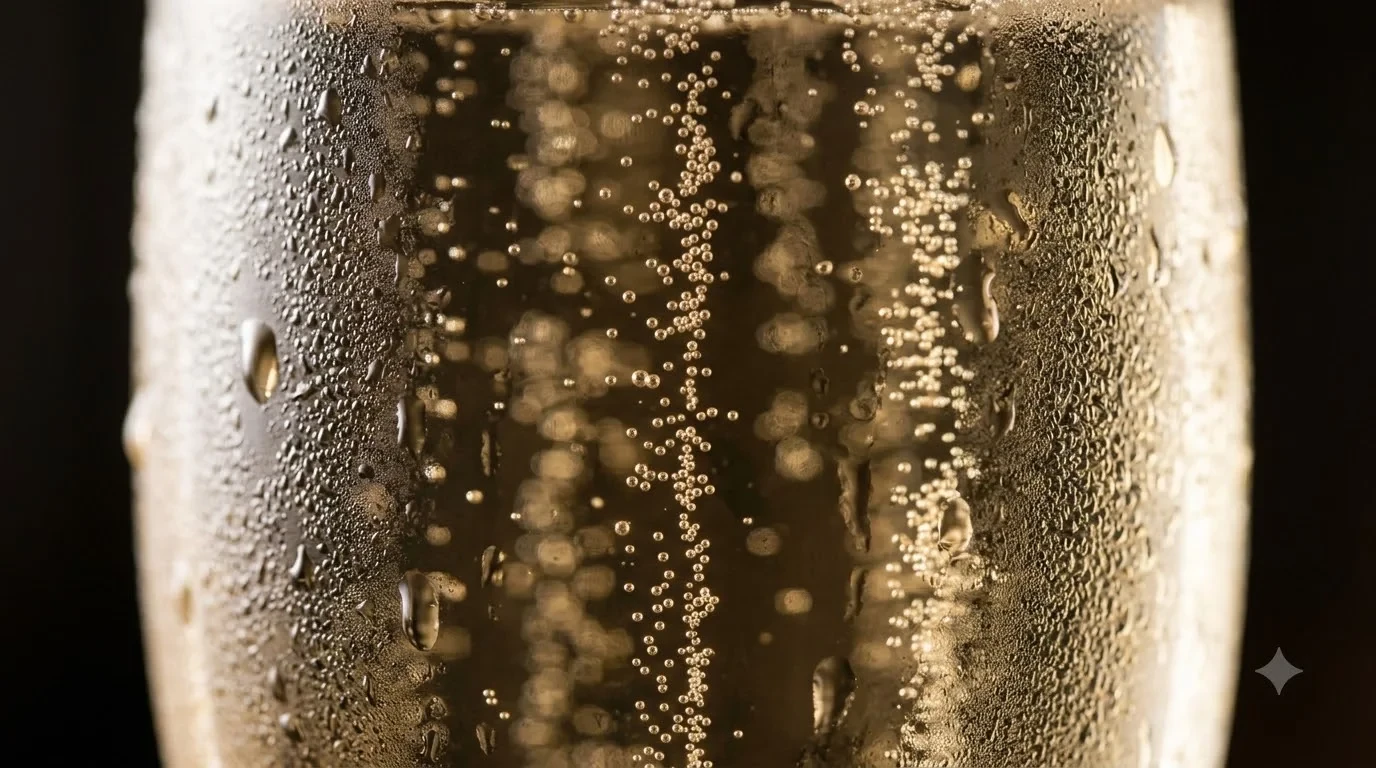

We may earn a commission when you buy through links on this page, at no extra cost to you. Learn more.
What is cava? It is a Spanish sparkling wine with denominación de origen status, made by the traditional method used for Champagne and most often produced in the Penedès region of Catalonia. It is made from native Spanish grapes such as Macabeo, Xarel·lo and Parellada, and it comes in styles from bone-dry brut nature to sweet dulce. Cava is an affordable, widely available alternative to Champagne, and it suits celebrations, aperitifs and everyday sparkling wine. This guide explains what cava is, how it is made, which grapes it uses and how to choose and serve it.
Many people encounter cava at a party or on a restaurant list without knowing much about it. The name is simply the Catalan word for cellar, and the wine has become one of the best-known sparkling wines in the world. Understanding its method, grapes and styles makes it easier to choose a bottle that matches what you want from a sparkler.
What Cava Is
Cava is a Spanish sparkling wine that holds denominación de origen, or DO, status. According to the Cava entry on Wikipedia, it is made by the traditional method, also called the champagne method. That method is central to the wine’s identity, because only sparkling wines made this way can be labeled cava.
The wine is legally defined as a quality sparkling wine produced in a designated region. Cava can come from several areas in Spain, but most of it is made in the Penedès region in Catalonia. The result is a crisp, bubbly wine that often offers good value compared with Champagne.

How Cava Is Made
Cava follows the traditional method, in which a base wine goes through a second fermentation inside the bottle. That second fermentation creates the bubbles. Afterward the wine rests in contact with its lees, the spent yeast cells, which add texture and bready, toasty notes as it ages.
The Wikipedia entry describes how the lees are gathered in the neck of the bottle before disgorgement, the step that removes them, and then the bottle is corked. Cava producers also pioneered the gyropallet, a mechanized device that replaced hand riddling. Riddling is the process of slowly turning and tilting bottles so the lees settle in the neck, and the machine made that work faster and more consistent.
The Main Grapes Used in Cava
Cava is built on a small group of traditional white varieties. Macabeo, which is also called Viura in parts of Spain, Parellada and Xarel·lo are the most popular and traditional choices. Each adds something different: Macabeo brings softness and fruit, Xarel·lo adds structure and savory character, and Parellada contributes freshness and floral aromas.
Other grapes are permitted too. Chardonnay and Malvasia can be used in white cava. Red grapes including Garnacha tinta, Monastrell, Trepat and Pinot Noir are allowed for rosé styles. The entry notes that rosé cava must be made by saignée, which means drawing off juice from red grape must, rather than by blending red and white wine.
| Grape | Role in cava | Typical contribution |
|---|---|---|
| Macabeo (Viura) | Traditional white base | Softness, fruit and body |
| Xarel·lo | Traditional white base | Structure and savory, nutty notes |
| Parellada | Traditional white base | Freshness and floral aromas |
| Chardonnay, Malvasia | Permitted in white styles | Extra richness or aroma |
| Garnacha tinta, Monastrell, Trepat, Pinot Noir | Permitted for rosé | Color and red fruit |
Where Cava Is Made
Penedès, in Catalonia, produces about 95 percent of cava, according to the Wikipedia entry. The town of Sant Sadurní d’Anoia is home to many of the largest producers, and visitors to the region often tour cellars cut into the local limestone. Other areas in Spain are also allowed to make cava, though they account for a much smaller share.
Because the wine is tied to a designated region, a label that says cava signals a specific set of production rules. That makes it easier to compare bottles, since the method and grape pool stay consistent even as producers vary in style.
Cava Styles and Sweetness Levels
Cava ranges from dry to sweet, and the label tells you where a bottle falls. The Wikipedia entry lists sweetness levels running from brut nature, which is the driest style, through brut, extra dry, dry and demi-sec to dulce, which is the sweetest. Most cava on the shelf is brut, which is dry enough to pair with many foods but still has ripe fruit.
Drier styles suit aperitifs and seafood, while sweeter cava works with desserts and fruit. Rosé cava gives a fruity, colorful option that suits casual gatherings. If you are unsure, look for brut on the label as a balanced starting point.
Cava Compared With Champagne
Cava and Champagne share a method, but they differ in grapes, region and price. Champagne is made in France from a different set of grapes and holds its own protected appellation. Cava uses Spanish grapes and is made in Spain. The entry notes that “Spanish champagne” marketing is no longer permitted under EU law, so the name cava is the correct term for the Spanish wine.
For most drinkers, the difference is in style. Champagne often shows more bready, toasted character from long ageing, while cava tends to be fresher and more fruit-driven. Both can be excellent, and cava gives a lot of sparkling wine for the money.
How to Serve and Choose Cava
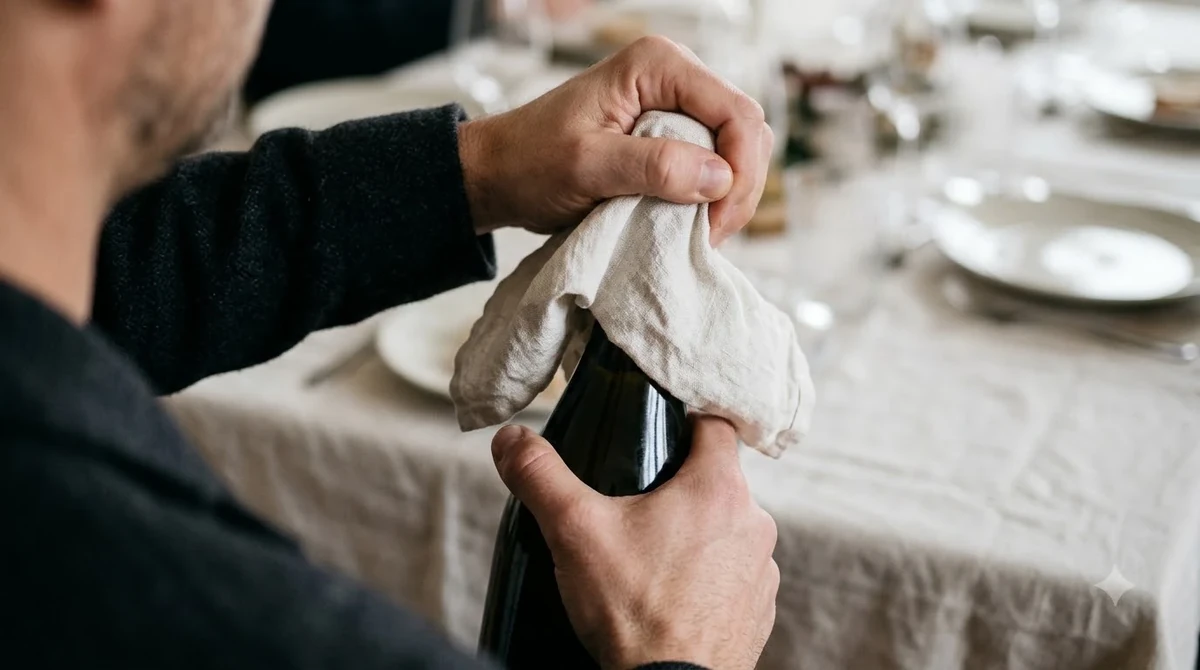
Serve cava well chilled, at about 38 to 45°F (3 to 7°C), and in a tulip-shaped glass or a flute, which helps the bubbles last and keeps the aromas focused. Wine Folly’s cava guide gives the same range and describes most cava as dry, light-bodied and around 10 to 11.5 percent ABV, with no tannins and high acidity. Open the bottle carefully and pour slowly to control the foam. Cava is best drunk within a day or two of opening, though a sealed bottle kept cold can hold its fizz for a while with a proper stopper.
When choosing a bottle, check the sweetness level on the label first. Brut is the safest choice for most occasions. Read the producer’s notes if you want more detail on the blend, and look for a reserva or gran reserva on the label if you prefer a wine that has spent longer on lees and has more complexity.
Frequently Asked Questions
What is cava made from?
Cava is made mainly from the white grapes Macabeo, Xarel·lo and Parellada, and it can also include Chardonnay and Malvasia. Red grapes such as Garnacha tinta, Monastrell, Trepat and Pinot Noir are permitted for rosé styles.
Is cava the same as Champagne?
No. Both are sparkling wines made by the traditional method, but cava is from Spain and uses Spanish grapes, while Champagne is from France. The two have different grapes, regions and legal rules.
What does brut mean on a cava label?
Brut describes a dry style of cava, though it is not as dry as brut nature. It is the most common sweetness level on the shelf and pairs with a wide range of foods.
Where does most cava come from?
About 95 percent of cava is produced in the Penedès region of Catalonia, with many producers based in Sant Sadurní d’Anoia. Other Spanish areas are also allowed to make cava.
Cava is a practical, flavorful sparkling wine that deserves more attention than it sometimes gets. Choose a brut bottle for an easy start, serve it cold, and enjoy it at a party or with a simple meal. For more on the style, the cava wine guide goes deeper into the wine, and the calories in cava page covers a common question for those watching their intake. The wine by type overview places cava alongside other sparkling and still wines.
More in Wine Types & Grapes
 Zinfandel Sugar Content: Dry Red vs. White Zinfandel GramsUpdated Nov 21, 2026
 Best Zinfandel Substitute Options for Sipping and CookingUpdated Nov 21, 2026
 Zweigelt Food Pairing: Best Dishes, Cheeses, and Serving TipsUpdated Nov 21, 2026
 Zinfandel Tannins Explained: How Structure Shapes Every BottleUpdated Nov 21, 2026
 Zinfandel Sweetness Level: Dry Red vs. Sweet White Zin ExplainedUpdated Nov 21, 2026
 Xinomavro Food Pairing: Best Dishes, Styles, and Serving TipsUpdated Nov 21, 2026