

We may earn a commission when you buy through links on this page, at no extra cost to you. Learn more.
yellow tail wine alcohol content ranges from 7.5% ABV for Moscato to 13.5% for many of the brand’s classic red wines. Most of the core white wines sit between 11.5% and 13%, while rosé and selected blends are around 12%. The right number depends on the specific style, so Yellow Tail does not have one alcohol percentage that applies to every bottle.
Yellow Tail’s range includes dry whites, sweet and lightly fizzy Moscato, rosé, familiar red varietals, and lower-alcohol Pure Bright wines. The figures below focus on the U.S. range and explain what those percentages mean in an ordinary pour, without confusing sweetness, body, or flavor with alcohol strength.
Yellow Tail Wine Alcohol Content by Style
The main Yellow Tail range covers a relatively broad 7.5% to 13.5% alcohol by volume (ABV), depending on the wine. Moscato is at the low end, while many familiar reds, including Shiraz and Cabernet Sauvignon, are at 13.5%.

The brand’s U.S. nutrition chart lists the alcohol percentage for individual wines rather than giving one figure for the whole label. In that chart, Moscato is 7.5%, Pinot Grigio and Sauvignon Blanc are 11.5%, Rosé is 12%, Chardonnay is 13%, and several red wines are 13.5%. These distinctions matter because a shopper comparing a Yellow Tail Moscato with a Yellow Tail Shiraz is comparing two very different alcohol levels, even though both are sold under the same brand.
There are also wines outside the best-known varietal group. The chart includes Sangria and selected Pure Bright wines at lower levels than their standard counterparts. Those figures show why the bottle name matters: the same brand has traditional wines, sweet styles, blends, and lighter-alcohol alternatives. For the full set of listed U.S. figures, consult the Yellow Tail U.S. nutrition and wine information.
Think of 7.5% to 13.5% as a useful overview, not as a promise that every store carries every listed style. Availability can vary, and the product range can differ by country. A U.S. bottle and an Australian-market bottle with a similar name may not carry identical details, so use the information for the market in which the wine is sold.
The Main Yellow Tail Bottles and Their ABV
The clearest way to compare the range is to look at each style beside its published alcohol figure. The table below summarizes commonly recognized Yellow Tail wines in the U.S. lineup, using the percentages published by the brand.
| Yellow Tail wine | Alcohol by volume | General style |
|---|---|---|
| Moscato | 7.5% | Sweet, lightly fizzy white |
| Pinot Grigio | 11.5% | Light-bodied white |
| Sauvignon Blanc | 11.5% | Fresh, crisp white |
| Riesling | 11.5% | Aromatic white |
| Rosé | 12% | Fresh pink wine |
| Chardonnay | 13% | Richer white |
| Shiraz | 13.5% | Fuller-bodied red |
| Merlot | 13.5% | Soft, medium-bodied red |
| Cabernet Sauvignon | 13.5% | Structured red |
| Jammy Red Roo | 12% | Fruit-forward red blend |
The table makes the main contrast easy to see. A bottle of Moscato at 7.5% contains considerably less alcohol by volume than a bottle of Cabernet Sauvignon at 13.5%; Chardonnay at 13% sits close to the red wines, even though it is white. The listed 12% for Jammy Red Roo also shows that a red blend does not automatically have the same alcohol level as a varietal red such as Shiraz.
Independent wine reviews can provide a useful cross-check for a particular bottling. Wine Enthusiast lists a Yellow Tail Chardonnay from South Eastern Australia at 13% ABV in a 750-milliliter bottle, consistent with the brand’s U.S. chart; its Yellow Tail Chardonnay review also describes peach and melon aromas. That is a review of a specific bottling, not proof that every Chardonnay sold under the name in every market will be identical.
Lower-Alcohol Whites, Moscato, and Pure Bright
Shoppers looking for the lower end of Yellow Tail’s range should start with Moscato, then compare Pinot Grigio and Sauvignon Blanc with the Pure Bright wines. The published figures run from 7.5% for Moscato to 11.5% for the standard Pinot Grigio and Sauvignon Blanc, with Pure Bright versions lower still.
Yellow Tail Moscato is listed at 7.5% ABV and is described by the producer as lightly fizzy, fruit-forward, and suited to serving chilled. That makes it a different proposition from the brand’s standard whites: its softer, sweeter profile and lower alcohol level are both part of the style. Sweetness and alcohol are separate characteristics; a wine’s sweetness alone does not tell you its ABV, and two wines can taste similarly fruity while having different alcohol levels. For more detail on this particular bottle, see the separate guide to Yellow Tail Moscato alcohol content, which focuses on that wine rather than the wider portfolio.
Standard Pinot Grigio and Sauvignon Blanc are each listed at 11.5%. The Pure Bright Pinot Grigio and Pure Bright Sauvignon Blanc are both listed at 8.5%, creating a three-percentage-point difference from the standard versions. This is a meaningful distinction for anyone comparing two bottles that share a grape name but belong to different product lines. The dedicated article on Yellow Tail Pinot Grigio alcohol content explains the standard Pinot Grigio figure in more depth.
Pure Bright Chardonnay is listed at 9.6%, compared with 13% for the standard Chardonnay. That difference is larger than the gap between standard and Pure Bright Pinot Grigio or Sauvignon Blanc. A shopper comparing Chardonnay should therefore pay attention to the full product name, not just the grape variety. The companion page on Yellow Tail Chardonnay alcohol content covers the standard and related Chardonnay styles in more detail. A wine that tastes dry can still be close to 13% ABV; the grape variety, fermentation choices, and finished style all matter.
Red Wines, Rosé, and Blended Styles
Many of Yellow Tail’s familiar red varietals are listed at 13.5% ABV, while its Rosé and some fruit-forward blends are closer to 12%. In practical terms, Shiraz, Merlot, Pinot Noir, Cabernet Sauvignon, and the Shiraz-based blends sit toward the higher end of the brand’s core range.
The U.S. chart lists Pinot Noir, Merlot, Shiraz, Shiraz Cabernet, Cabernet Sauvignon, and Cabernet Merlot at 13.5%. Big Bold Red and Smooth Red Blend are also listed at 13.5%. That concentration of red wines at the same figure makes the range straightforward to compare, but it does not mean they taste alike. Cabernet Sauvignon generally has firmer tannin, Merlot tends to feel softer, Pinot Noir usually has lower-to-medium tannin and brighter acidity, and Shiraz can show a fuller, more spice-driven profile.
There are useful exceptions within the red and pink categories. Jammy Red Roo is listed at 12%, rather than 13.5%, and Rosé is also 12%. So a person who prefers a red-fruit profile but wants a lower ABV than the classic red varietals can compare the blend rather than assuming all red wines are alike. Rosé offers another 12% option with a different color and serving context.
Alcohol percentage is only one part of how a red feels. Tannin, acidity, fruit intensity, sweetness, and serving temperature shape the overall impression. A 13.5% Cabernet Sauvignon may feel firmer and more structured than a 13.5% Merlot because their tannin levels differ, while a wine at 12% can still taste rich or fruit-forward. ABV is a measurement of alcohol concentration, not a rating of body, quality, or intensity.
What ABV Means in a Glass or Bottle
ABV means alcohol by volume: the percentage of a drink’s volume that is pure alcohol. A 13.5% wine contains 13.5 parts alcohol for every 100 parts of wine by volume, so the number makes it possible to compare the alcohol concentration of different bottles.
The difference becomes easier to picture when the serving size stays the same. In a 5-fluid-ounce pour, a 7.5% wine contains about 0.375 fluid ounces of alcohol, an 11.5% wine contains about 0.575 fluid ounces, and a 13.5% wine contains about 0.675 fluid ounces. These are arithmetic comparisons based on the stated ABV, not separate tasting or serving recommendations. A standard 750-milliliter bottle holds just over 25 U.S. fluid ounces, or about five 5-ounce glasses. At 7.5% ABV, the full bottle contains about 56 milliliters of pure alcohol; at 11.5%, about 86 milliliters; at 13.5%, about 101 milliliters.
Compare bottles on a like-for-like basis. A 750-milliliter bottle at 13.5% has a higher alcohol concentration than a 750-milliliter bottle at 7.5%, while a small 187-milliliter bottle of the same wine simply contains less total wine. Bottle size tells you how much liquid is in the package; ABV tells you how concentrated the alcohol is. For a particular bottle, the printed alcohol-by-volume figure is the most useful reference. Product names can be similar across a standard range and a lighter-alcohol range, and comparing the full name and ABV avoids mistaking Pure Bright Pinot Grigio for standard Pinot Grigio.
Alcohol levels also reflect production choices. As Dan Murphy’s explanation of wine alcohol notes, the sugar level in grapes at harvest can affect the alcohol that fermentation produces: riper grapes generally have more sugar available to convert into alcohol. Fermentation choices and the finished wine style also help explain why Moscato, Pinot Grigio, Chardonnay, and Cabernet Sauvignon can end up at different percentages.
Choosing a Yellow Tail Wine by Strength and Style
Use ABV to compare alcohol concentration, then choose the wine by flavor, acidity, sweetness, and the food on the table. A 7.5% Moscato, an 11.5% Sauvignon Blanc, and a 13.5% Shiraz serve different preferences and pair with different dishes.
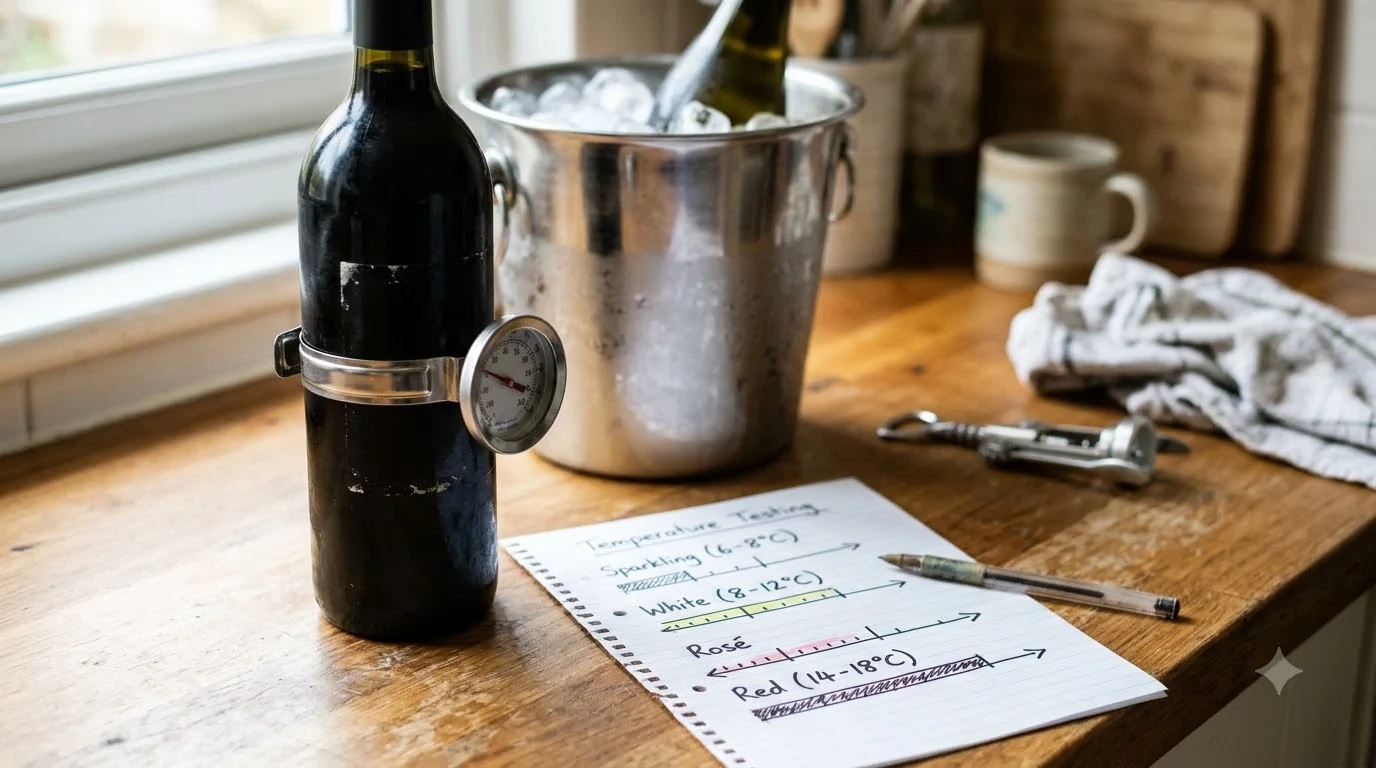
For seafood, salads, or simple appetizers, Pinot Grigio or Sauvignon Blanc at 11.5% offers a fresher alternative to Chardonnay at 13%. Serve light whites around 45–50°F; Sauvignon Blanc’s high acidity can work well with citrus or vinaigrette, where the food’s acidity should be met by a wine with equal or higher acidity. Chardonnay suits roast chicken, buttery fish, or creamy pasta, and a fuller white is commonly served around 50–55°F. Pure Bright Chardonnay at 9.6% is a lower-alcohol alternative within the same grape family, so compare the full product name as well as the variety.
For red meat, grilled vegetables, or savory sauces, consider a 13.5% Shiraz or Cabernet Sauvignon. Full-bodied reds are generally served around 60–65°F, while lighter reds suit 55–60°F. Cabernet Sauvignon’s higher tannin can feel firm alongside lean food, while salt and fat soften tannin; Merlot is usually softer, and Pinot Noir tends to have lower-to-medium tannin and brighter acidity. Oily fish is usually a poor match for tannic reds, and chili heat can be amplified by alcohol and tannin, making a crisp white or lower-alcohol Moscato easier with spicy food.
Moscato at 7.5% suits drinkers who enjoy a sweeter white with lively fruit. Serve sweet whites around 43–50°F and pair them with fruit desserts or spicy dishes; a useful rule is to choose a wine at least as sweet as the dessert, or the wine can taste thin or overly tart beside the food. ABV cannot tell you whether a wine is sweet, acidic, tannic, creamy, or fruit-driven, so read the style description alongside the percentage.
Tip: When comparing two Yellow Tail bottles, keep bottle size and serving size the same, then compare ABV. A 7.5% Moscato and a 13.5% Shiraz are both available in 750-milliliter bottles, but a 5-ounce pour of the Shiraz contains about 0.3 more fluid ounces of alcohol than the same pour of Moscato.
Frequently Asked Questions
These answers cover additional Yellow Tail products and label figures that are useful when comparing bottles across the range.
What is the alcohol content of Yellow Tail Sangria Blanco?
Yellow Tail’s U.S. chart lists Sangria Blanco at 10% ABV. The standard Sangria is listed at 11.5%, so the two similarly named products are not interchangeable when comparing alcohol concentration.
Is Yellow Tail Pink Moscato the same strength as its Moscato?
Yes. The U.S. nutrition chart lists both Pink Moscato and Moscato at 7.5% ABV. They are shown as separate wines in the lineup, even though their published alcohol figures match.
How much alcohol is in Yellow Tail Fresh Twist?
The chart lists three Fresh Twist wines at 7.5% ABV: Strawberry & Lime, Peach & Mango, and Tropical Pineapple. These fruit-flavored options share the same listed percentage, so flavor name does not change the published ABV in this group.
What is the alcohol percentage of Yellow Tail Super Crisp Chardonnay?
Yellow Tail Super Crisp Chardonnay is listed at 12.5% ABV. That is half a percentage point below the standard Chardonnay listing of 13%, making it a separate option rather than simply another label for the same wine.
What is the alcohol content of Yellow Tail Buttery Chardonnay?
Yellow Tail Buttery Chardonnay is listed at 13% ABV. The U.S. chart lists it separately from the standard Chardonnay, even though both carry the same published alcohol percentage.
Yellow Tail does not have one universal alcohol percentage: its U.S. range stretches from 7.5% Moscato to 13.5% for many classic reds. Compare the exact wine name and ABV together, especially when choosing between standard and Pure Bright styles or between sweet wines and dry varietals.
More in Wine Brands
 Underwood Wine Price: Compare Bottles, Cans, and Pack SizesUpdated Nov 21, 2026
 Zenato Wine Price: Compare Styles and Choose the Right BottleUpdated Nov 21, 2026
 Zuccardi Wine Price: Compare Bottles and Find the Right RangeUpdated Nov 21, 2026
 Yellow Tail Moscato Review: Taste, Sweetness and Serving TipsUpdated Nov 21, 2026
 Wolf Blass Yellow Label Review: Choose Your Best StyleUpdated Nov 21, 2026
 Wolffer Estate Rose Review: Choose the Right Bottle for Your TableUpdated Nov 21, 2026