

We may earn a commission when you buy through links on this page, at no extra cost to you. Learn more.
For an approachable Tuscan bottle, santa cristina red wine is a fruit-forward red blend with cherry and berry flavors, a smooth texture, and the flexibility to pair with pizza, pasta, grilled meat, and everyday meals. It is labeled Toscana IGT and comes from a wine whose history reaches back to 1946. The exact grape mix, alcohol level, and flavor profile can shift by vintage, so it is best understood as an approachable house style rather than one unchanging formula.
Santa Cristina is a useful bottle to know if you enjoy Italian reds but do not always want the weight or firm tannins of a more structured Tuscan wine. Its appeal is the combination of ripe red fruit, savory hints, and a supple finish. Here is what the label means, how the wine is made, what to expect in the glass, and how to serve it well.
What Santa Cristina Red Wine Is
Santa Cristina Rosso is a red wine from Tuscany, central Italy, carrying the Toscana Indicazione Geografica Tipica (IGT) designation. The producer’s 2022 technical sheet identifies the wine as Toscana IGT, while the current Santa Cristina website presents Rosso as one of the winery’s core wines alongside Bianco and Giardino Rosé. In practical terms, the label tells you to expect a Tuscan red, not a Chianti Classico DOCG or a single-variety wine with a fixed recipe.
The name has a long history. A 2012 U.S. launch announcement from Ste. Michelle Wine Estates says Niccolò Antinori introduced the first Santa Cristina wine in 1946. It began as a Chianti Classico, then moved away from that designation with the 1987 vintage. The same historical account explains that the 1994 vintage introduced 10% Merlot to the blend, a change intended to bring softer fruit to the wine. Those details describe the wine’s evolution, not a guarantee that every later vintage uses that exact percentage.
The winery and the wine also have separate dates in their history. The producer’s 2022 sheet says the Santa Cristina winery in Cortona was established in 2006 to continue and renew the tradition of the wine, whose first vintage was more than 60 years earlier. Cortona sits in Tuscany between the broader areas associated with Siena and Perugia. That location gives the wine a clear Tuscan identity, while the IGT designation leaves room for a blend that can draw on both native and international grapes.
Grapes and Winemaking Behind the Blend
Santa Cristina Rosso is a blend rather than a single-grape red, and its composition should be read by vintage. The official 2022 technical sheet records Merlot, Syrah, Petit Verdot, Sangiovese, and Cabernet in the harvest sequence. It does not publish a percentage breakdown, so it is more accurate to describe those as the varieties recorded for that vintage than to assign a fixed recipe to every bottle.
Sangiovese is the key Tuscan reference point in this lineup. It is known for bright acidity and flavors often associated with sour cherry, red plum, and dried herbs. Merlot can contribute a rounder texture and softer fruit, while Syrah and Cabernet can add darker fruit, spice, and a firmer frame. Petit Verdot is commonly used in blends in smaller proportions for color and structure, but the published Santa Cristina sheet does not state how much of any variety goes into the final wine. The style is therefore best described from the producer’s vintage notes and independent reviews, rather than by guessing its exact formula.
The 2022 technical sheet describes a careful, separated approach in the cellar. Each variety was vinified on its own after destemming and gentle crushing, then fermented in stainless-steel tanks at no more than 25°C (77°F). Maceration lasted about one week, allowing the juice to remain in contact with the grape skins while color and tannin were extracted. After malolactic fermentation finished in the fall, the wine aged for several months before bottling began in late April 2023. This process helps explain the wine’s combination of fruit, color, and rounded texture without requiring a long period in new oak.
Aroma, Flavor, Body, and Vintage Differences
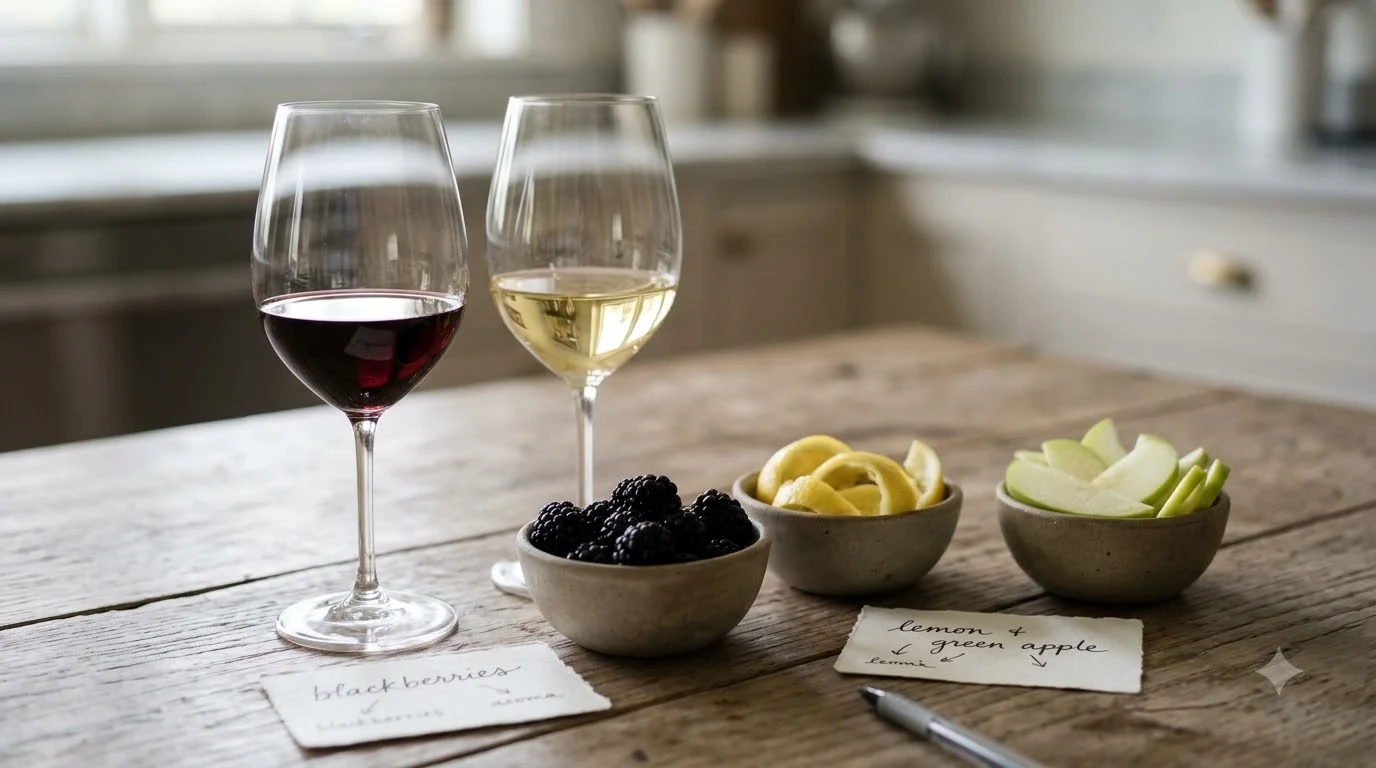
Expect a ruby-red wine with a youthful, sometimes violet edge, followed by cherry and mixed-berry aromas. The producer’s 2022 notes also mention violet, vanilla, cocoa, and coffee, while Wine Enthusiast’s reviews of the 2023 and 2024 vintages describe a more savory side, including wild herbs, pepper, earth, hibiscus, and woodsy notes. The common thread is ripe fruit supported by herbal or lightly earthy detail.
The wine is generally more approachable than a heavily extracted, high-tannin red. Santa Cristina’s own description of the 2022 vintage emphasizes a soft, enveloping palate and a fruity aftertaste. Wine Enthusiast’s 2024 review describes the bottling as having juicy cherry, hibiscus, and woody character with mild but noticeable tannins. Its 2023 review noted wild strawberry and cherry, herbs, soil, pepper, and lively acidity. These impressions are not contradictory: the weather, grape proportions, and decisions in the cellar can shift the balance from one year to the next.
| Vintage | Published alcohol | Reported profile |
|---|---|---|
| 2022 | 13.5% ABV | Ruby red; cherry, forest berries, violet, vanilla, cocoa, and coffee |
| 2023 | 13% ABV | Wild strawberry, cherry, raspberry, herbs, earth, pepper, and lively acidity; 88 points from Wine Enthusiast |
| 2024 | 13% ABV | Dark and juicy cherry, hibiscus, woody notes, and mild tannins; 89 points from Wine Enthusiast |
Use those entries as vintage-specific reference points, not as a promise that every bottle will smell or taste identical. For example, the 2022 producer sheet reports 13.5% alcohol, while Wine Enthusiast lists 13% for both the 2023 and 2024 bottlings. A difference of half a percentage point is noticeable on paper but does not, by itself, tell you whether one vintage will taste sweeter, fuller, or better balanced. Serving temperature and the food on the table can have just as much influence on how the wine feels.
Alcohol, Serving Temperature, and Glassware
Published alcohol levels give a useful sense of the wine’s strength: the producer lists 13.5% ABV for 2022, and Wine Enthusiast lists 13% for 2023 and 2024. That places these bottlings in a moderate range for a red blend. Alcohol contributes warmth and body, but it should not be confused with sweetness.
Serve it slightly cool, around 55–60°F. This range helps keep the cherry and berry flavors fresh and prevents alcohol warmth from taking over. A room that is 70°F or warmer can make a red wine feel hotter and less precise, especially after the bottle has been sitting on the table. If the bottle has been stored at ordinary room temperature, give it 15–20 minutes in the refrigerator before pouring, then let the wine open in the glass.
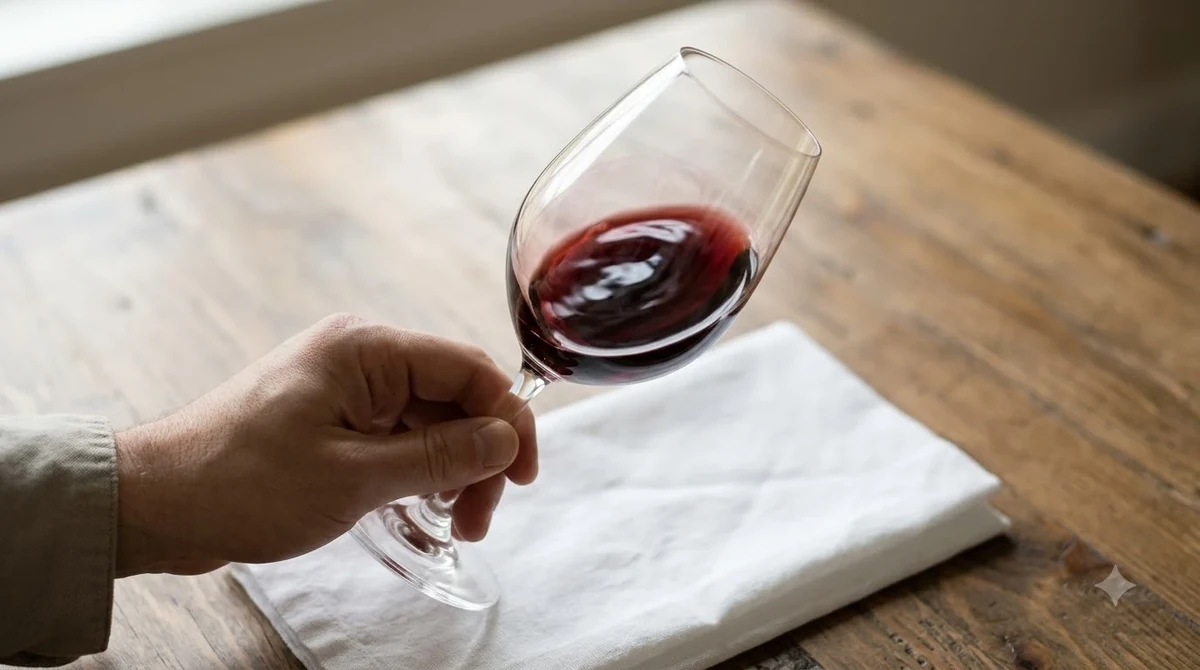
A standard red-wine glass with a bowl wide enough to swirl is all you need. Pour about 5 ounces at a time; a 750 ml bottle provides roughly five standard glasses. You do not need to decant every bottle of Santa Cristina. For a young, fruit-forward vintage, opening it 15–30 minutes before dinner is usually enough. If the wine seems closed or unusually firm, pour a small taste first and give it another 10–15 minutes rather than automatically leaving it in a decanter for an hour.
Tip: Start Santa Cristina at 55–60°F, not warm room temperature. If the fruit seems muted straight from the refrigerator, give the glass 5–10 minutes to warm before deciding the wine lacks aroma.
Keep the serving setup simple and consistent. Avoid chilling the bottle until it is cold like a white wine, because very low temperatures can mute the scent of cherry, berry, and herbs. On the other hand, a warm bottle can emphasize alcohol and make the finish seem shorter. A modest chill is the easiest adjustment to make when the wine will be served outdoors, with grilled food, or in a warm dining room.
Food Pairings for Santa Cristina Rosso
Pair Santa Cristina with food that echoes its fruit and Tuscan character without overwhelming its moderate tannins. Tomato-based pasta, Margherita pizza, sausage pizza, grilled chicken, pork chops, and antipasti are dependable matches. Acidity in tomato sauce works best with a red wine that has enough freshness to keep pace, while the wine’s cherry and herb notes complement basil, oregano, rosemary, and roasted vegetables.
For a casual meal, try it with lasagna, baked ziti, mushroom pizza, or salami, prosciutto, olives, and firm cheeses. Salt and fat soften tannin, so cured meats and savory cheeses can make the wine feel rounder. Grilled burgers, meatballs, roast turkey, and herbed pork tenderloin are also sensible choices. For short ribs, choose a sauce with herbs or tomato rather than an overly sweet glaze.
Vegetarian dishes work, too. Eggplant Parmesan, lentil stew, roasted mushrooms, white beans with sage, and grilled peppers bring savory depth beside the wine’s fruit. Tomato-and-olive pasta connects its freshness with salty ingredients. The aim is to balance acidity, fruit, and gentle tannin with food that has enough flavor of its own.
Be cautious with very spicy food and oily fish. Alcohol can amplify chili heat, so hot peppers may make the wine seem hotter and more bitter. Oily fish such as salmon or mackerel can also clash with tannic reds. For seafood, choose a white wine such as Santa Cristina white wine instead. Readers comparing lighter Italian bottles may also find it useful to review Santa Margherita Pinot Grigio alcohol content and Santa Margherita Pinot Grigio tasting notes.
Buying, Storing, and Enjoying the Bottle
Choose Santa Cristina by vintage rather than assuming a single permanent blend. The 2022 producer sheet lists 13.5% ABV and cherry, berry, floral, and cocoa notes; Wine Enthusiast lists 13% ABV for both 2023 and 2024, with more herbal, earthy, or woody accents. Compare the vintage notes if you prefer one profile over another.
The front label identifies Santa Cristina and Toscana IGT. The vintage tells you which harvest the wine comes from, while the alcohol statement helps you compare releases. Check the label for the actual bottle’s alcohol percentage rather than assuming every vintage matches a review. The wine is a blend, not a bottle labeled Chianti Classico.
Store an unopened bottle away from light and temperature swings, ideally near 55°F. Keep a cork-finished bottle on its side for longer storage. Santa Cristina is made in an accessible, fruit-forward style, so it need not be reserved for a special occasion or held for many years. After opening, reseal it and refrigerate; most still wines keep for about 3–5 days. Bring the remaining wine back toward 55–60°F before serving. One 750 ml bottle provides about five 5-ounce pours, so two bottles cover ten standard servings.
Santa Cristina also gives readers a point of comparison within the broader producer range. The white bottling offers a different food-pairing direction. For a wider overview of producers and styles, browse the site’s Wine Brands coverage. The goal is to choose the bottle that fits the dish and drinking occasion, not to assume that every wine carrying a familiar Italian name tastes alike.
Frequently Asked Questions
These quick answers cover the most common points shoppers ask about Santa Cristina Rosso, from its grape identity to the difference between the wine’s history and its present-day classification.
What wine did Santa Cristina Rosso replace in the U.S. lineup?
The 2010 Santa Cristina Rosso took the place of the earlier Santa Cristina Sangiovese in the U.S. range. The change was part of a broader effort to refresh the presentation and style while keeping the brand’s Tuscan identity.
When were the grapes for the 2022 vintage harvested?
The producer’s sheet says picking began in the second week of September with Merlot. Syrah and Petit Verdot followed, while Sangiovese and Cabernet were harvested by the end of September.
Why did Santa Cristina stop using the Chianti Classico designation?
A U.S. launch announcement links the change to Chianti’s 1984 DOCG rules, which required lower vineyard yields and led to grapes that were richer and needed more aging. The producer wanted to preserve Santa Cristina’s fresher, fruit-forward style, so the wine moved away from the designation with the 1987 vintage.
Which white wine was introduced alongside Santa Cristina Rosso in the U.S.?
The 2012 U.S. announcement introduced the 2010 Santa Cristina Rosso together with the 2011 Santa Cristina Bianco, classified as Umbria IGT. The two releases were presented as companion wines from the label.
Who introduced Santa Cristina to wine drinkers in 1946?
Niccolò Antinori, father of Piero Antinori, produced the first vintage. The U.S. launch history identifies him as the person who introduced the wine, rather than attributing the original release to the later winery established in Cortona.
Santa Cristina Rosso is best approached as a flexible Tuscan red: fruity, savory, and easy to bring to the dinner table. Choose the vintage that suits your preferred flavor profile, serve it modestly cool, and pair it with food that has enough acidity and savory character to meet the wine on equal terms.
More in Wine Brands
 Underwood Wine Price: Compare Bottles, Cans, and Pack SizesUpdated Nov 21, 2026
 Zenato Wine Price: Compare Styles and Choose the Right BottleUpdated Nov 21, 2026
 Zuccardi Wine Price: Compare Bottles and Find the Right RangeUpdated Nov 21, 2026
 Yellow Tail Moscato Review: Taste, Sweetness and Serving TipsUpdated Nov 21, 2026
 Wolf Blass Yellow Label Review: Choose Your Best StyleUpdated Nov 21, 2026
 Wolffer Estate Rose Review: Choose the Right Bottle for Your TableUpdated Nov 21, 2026