

We may earn a commission when you buy through links on this page, at no extra cost to you. Learn more.
Santa Cristina white wine is a fresh, fruit-forward Italian white made as Santa Cristina Bianco from vineyards in Umbria, with a bright, easygoing style that suits seafood, tomato-based pasta, and casual meals. Its aromas can include citrus, tropical fruit, pear, apple, and white flowers, while the palate balances freshness with a rounded texture. Alcohol levels vary by vintage: producer and review records show 12% for the 2022 bottling and 10.5% for the 2024 bottling.
Santa Cristina Bianco is a useful bottle to know if you enjoy crisp white wine but want more than a simple lemon-and-green-apple profile. Its identity comes from an Umbrian origin, a blend-based approach, and cool stainless-steel winemaking designed to preserve fresh fruit rather than add obvious oak flavor.
What Is Santa Cristina Bianco?
Santa Cristina Bianco is the white wine in the Santa Cristina range that carries the Umbria IGT designation. It is made in central Italy and is generally presented as a fresh white blend, rather than as a single-variety wine such as Pinot Grigio or Chardonnay.
The producer’s 2022 technical information identifies the wine as Umbria IGT and describes vineyards in Umbria, even though the Santa Cristina winery’s historical account places the cellar on a Tuscan hillside near Cortona, between the wider areas associated with Siena and Perugia. That distinction matters: the brand’s name and winery setting do not make this particular white a Toscana IGT wine. Its stated wine origin is Umbria. For readers scanning an Italian wine list, that regional designation is the most useful clue: look for “Bianco” and “Umbria IGT” together, rather than assuming every wine with Santa Cristina on the label comes from the same appellation. The distinction also explains why the Bianco is a different choice from the brand’s Toscana red and rosé bottlings.
Santa Cristina is a wine range rather than one bottle style. The label is used for different wines, including a red and other whites, so the word “Santa Cristina” by itself does not tell you whether a bottle is Bianco, Vermentino, or Rosso. The Bianco designation is the clearest way to identify the fresh Umbrian white discussed here. Readers comparing the range can use this overview of Wine Brands to understand why a producer name may appear across several styles.
Grapes, Region, and Winemaking
The producer names Procanico and Grechetto as the grapes harvested for the 2022 Santa Cristina Bianco. Those varieties connect the wine to central Italian white-wine traditions, and their separate fermentation allows the cellar team to work with each grape according to its own ripeness.

For that 2022 vintage, the harvest of Procanico and Grechetto began around September 21 and continued to the end of the month. The producer says the grapes were destemmed and gently pressed, with the must chilled to 10°C (50°F) to encourage natural clarification. Fermentation then took place in stainless-steel tanks at no more than 17°C (63°F), a controlled environment that helps retain fresh fruit and floral notes.
The wine remained in stainless steel at 10°C (50°F) until bottling began in January 2023. This approach is significant for the style: it does not rely on new oak barrels to supply vanilla, toast, or smoky flavors. Instead, it aims to keep the wine clean and aromatic, with the fruit and natural freshness of the grapes at the center. Stainless steel also makes it easier to hold a steady temperature during fermentation and storage. That matters for an aromatic white because excessive warmth during fermentation can make the profile feel broader and less focused. The producer’s 10°C storage figure is a cellar-management detail, not a recommended serving temperature; the finished wine should be served warmer, in the 45–50°F range. The producer’s Santa Cristina Bianco technical sheet gives the detailed figures for that vintage.
Vintage details should not be mistaken for a permanent recipe. A separate importer listing describes Grechetto, Procanico, and Viognier, while the producer’s 2022 document specifically discusses Procanico and Grechetto. The safest description is therefore “white blend”; exact grape proportions are not established by the cited producer information, and the blend may differ by release.
Tasting Notes: Fruit, Flowers, and Freshness
Expect a straw-yellow appearance and an aromatic profile built around fresh fruit, citrus, and floral notes. The precise balance shifts with the vintage, but the broad style is approachable and refreshing rather than heavily oaked, tannic, or weighty.
The producer describes the 2022 wine with tropical-fruit aromas, citrus, lemon zest, and orange blossom. On the palate, it is balanced, soft, and fresh, with mineral notes and a fruity finish that echoes the aromas. Earlier producer notes also mention pear, banana, and yellow peach, which gives a useful sense of the ripe-fruit side of the wine.
Independent reviews add a more specific snapshot of individual releases. Wine Enthusiast’s 2024 listing records green apple, white almond, and white flowers, with a bright, crunchy palate. Falstaff’s review of the 2024 Bianco describes elderberry, green apple, and mint, followed by a clean, precise palate with plenty of acidity. Those notes are not contradictory: green apple and citrus suggest freshness, while tropical fruit, pear, and floral aromas supply a softer, rounder dimension.
In practical terms, Santa Cristina Bianco sits between a very lean, austere white and a rich, creamy Chardonnay. It can feel rounded through the middle of the palate, but its acidity keeps the finish lively. It is a good match for drinkers who like aromatic whites but do not want strong oak or heavy buttery notes.
Alcohol Content and Vintage Differences
Santa Cristina Bianco does not have one alcohol figure that applies to every release. The producer lists 12% alcohol by volume for the 2022 Bianco, while Wine Enthusiast and Falstaff both report 10.5% for the 2024 wine, so the vintage is important when comparing bottles.
The figures below keep the published values attached to the specific vintage and source. They should not be combined into an assumed average or treated as a fixed specification for every bottle carrying the Santa Cristina name.
| Release | Reported alcohol | Source detail |
|---|---|---|
| 2022 Santa Cristina Bianco | 12% ABV | Producer technical sheet |
| 2024 Santa Cristina Bianco | 10.5% ABV | Wine Enthusiast and Falstaff reviews |
These two entries show why a broad statement such as “Santa Cristina white wine is always 12% alcohol” would be misleading. Alcohol can change with growing conditions, harvest timing, grape balance, and the wine’s final fermentation profile. The best comparison is between bottles of the same vintage, with the printed alcohol figure treated as the value for that particular release.
For context, a 750 ml bottle contains about five standard 5-ounce pours. At 10.5% ABV, the 2024 wine is a relatively moderate-alcohol option among still whites, while the 12% 2022 bottling is still within a familiar range for a fresh Italian white. The difference may be noticeable alongside food, but aroma, acidity, and serving temperature also shape the overall impression. A review score is another vintage-specific detail, not a permanent grade for the label: Falstaff awarded the 2024 Bianco 90 points, describing it as clean and precise. That assessment applies to the wine reviewed, not automatically to every earlier or later release. Readers who want the source’s exact vintage notes can consult Falstaff’s review of the 2024 Santa Cristina Bianco.
Serving Temperature and Storage
Serve Santa Cristina Bianco well chilled but not ice-cold: 45–50°F is a suitable range for a light, fresh white. This temperature keeps the wine refreshing while allowing its citrus, apple, floral, and mineral notes to remain easy to smell and recognize.
If the bottle has been stored in a refrigerator, take it out briefly before pouring if it feels extremely cold. A very low temperature can mute the aroma and make the texture seem harder than it is. If it has been sitting at room temperature, chill it before serving rather than relying on ice in the glass, which can dilute the wine. Keep an unopened bottle away from direct sunlight and large temperature swings; a cool space around 55°F is a useful target for storage. Once opened, reseal the bottle and keep it in the refrigerator, where a fresh still white is generally best within 3–5 days.
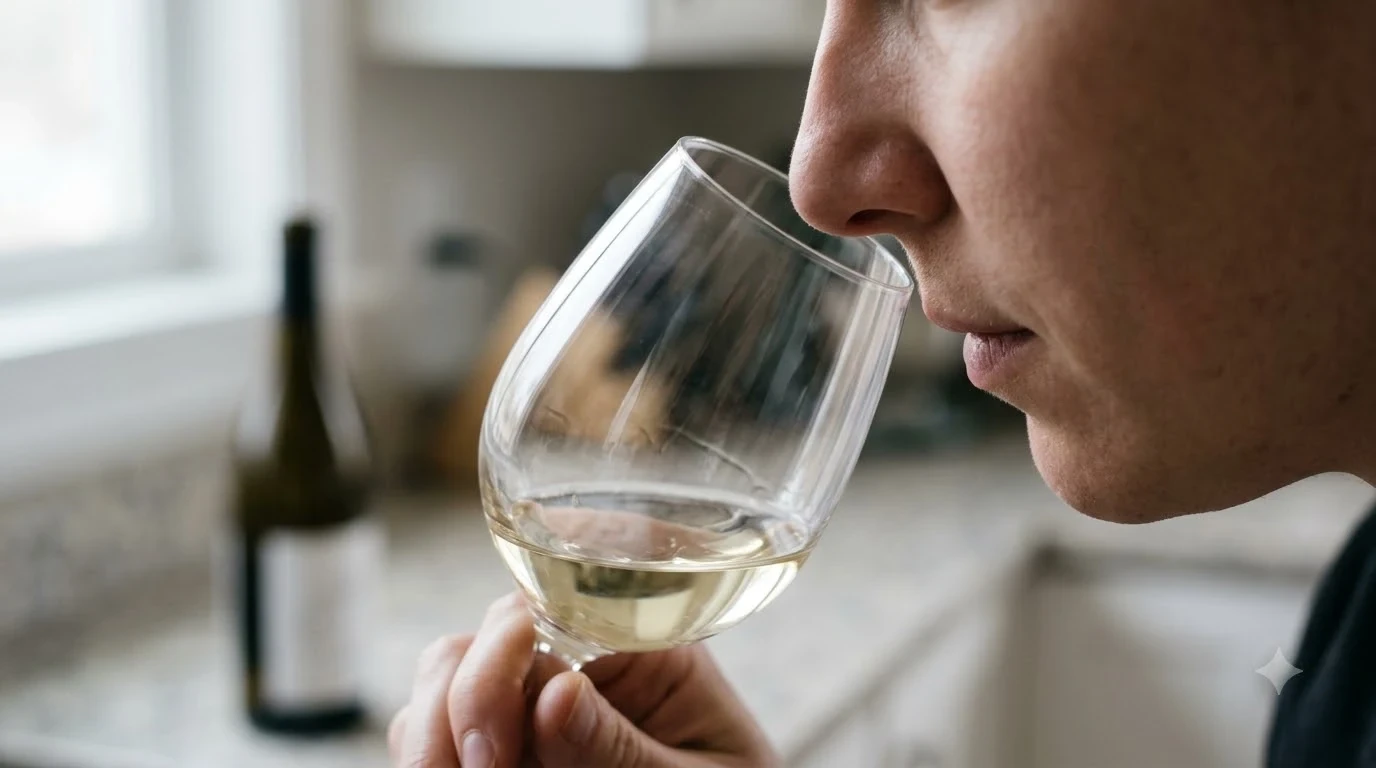
Use a standard white-wine glass with enough room to swirl a small pour. A 5-ounce serving is a practical measure, and a 750 ml bottle provides roughly five such glasses. There is no need to decant a young, fresh white like this; open it, pour, and allow a few minutes in the glass for the aromas to develop. If the first sip seems subdued straight from the refrigerator, let the wine warm slightly before deciding that it lacks fragrance.
Tip: Chill the bottle to about 45–50°F, then pour a small first glass. Let that pour sit for 5–10 minutes while you prepare food; a modest rise in temperature can make the pear, citrus, and white-flower aromas easier to detect.
Food Pairings for Santa Cristina White Wine
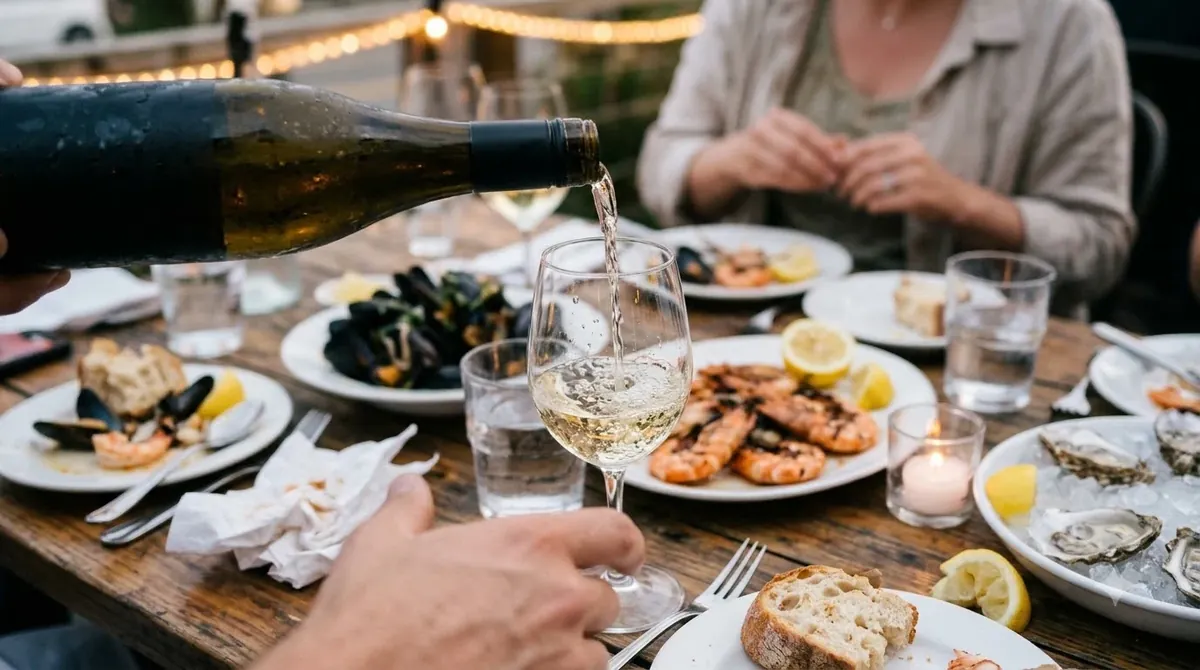
Pair this wine with foods that match its freshness and moderate body. Seafood, simply prepared chicken, salads, fresh cheeses, and tomato-based pasta are natural starting points because they do not overwhelm the wine’s fruit or acidity.
For seafood, try grilled shrimp, white fish with lemon, scallops, or a light seafood pasta. Citrus and herbs echo the wine’s lemon and floral notes, while the wine’s acidity refreshes the palate between bites. Avoid serving it with heavily charred fish covered in strong smoke or a very rich cream sauce, which can bury its more delicate aromas.
Tomato-based dishes are also worth considering. An importer pairing note recommends Santa Cristina Bianco with pasta in red sauce and pizza with red sauce; that works because the 2024 review from Falstaff describes plenty of acidity. Acidic food is best paired with a wine that has equal or greater freshness, otherwise the wine can seem flat beside the dish. A simple marinara, margherita pizza, or pasta with tomato, basil, and olive oil is a better fit than a very sweet tomato glaze.
For lighter meals, match it with roast chicken, turkey, vegetable frittata, grilled zucchini, asparagus, or a salad with a lemon vinaigrette. Fresh mozzarella, ricotta, and mild goat cheese can also work because their creaminess softens the wine’s acidity without overwhelming its fruit. Keep spicy heat moderate: chili can make alcohol and acidity feel more pronounced, so a heavily hot dish is less reliable than a gently seasoned one. Santa Cristina Bianco also works as an aperitif with olives, salted almonds, crostini, or mild antipasti; salt can soften the impression of acidity and make the fruit seem more expressive. For a useful style comparison, the Santa Margherita Pinot Grigio tasting notes offer a reference point for another familiar Italian white, while the separate Santa Cristina red wine is the more suitable direction for meals built around grilled red meat or richer, savory flavors.
Frequently Asked Questions
These answers cover label details and practical comparisons that often come up when choosing Santa Cristina Bianco. They distinguish Umbria IGT Bianco from the producer’s Toscana Vermentino and clarify the 2024 screw-cap detail.
Is Santa Cristina Bianco the same wine as Santa Cristina Vermentino?
No. Falstaff lists Santa Cristina Vermentino Toscana IGT as a separate white wine from the producer, distinct from Santa Cristina Bianco Umbria IGT. The Toscana designation places that Vermentino in a different regional category from the Umbria Bianco.
Does the 2024 bottle require a corkscrew?
Falstaff records a screwcap closure for the 2024 Santa Cristina Bianco, so that listed bottling does not require a corkscrew. Closure details can vary between releases and markets, so the 2024 listing should not be treated as a guarantee for every bottle.
What does Umbria IGT mean on the label?
IGT stands for Indicazione Geografica Tipica, Italy’s traditional term for a wine with a geographic indication. Decanter explains that IGT offers broader production flexibility than the more restrictive DOC and DOCG categories; “Umbria” still identifies the region associated with this Bianco. Read Decanter’s explanation of Italian wine labels for the wider classification context.
What does “Bianco” mean on the bottle?
“Bianco” is the Italian word for white. It identifies the wine’s color category, not a specific grape variety, sweetness level, or single winemaking method.
Can Santa Cristina Bianco pair with basil pesto?
Yes. Basil pesto with pasta or chicken is a suitable match because the herbal notes echo the wine’s aromatic side, while olive oil and cheese provide enough richness for its rounded texture. Keep garlic moderate so it does not cover the wine’s softer fruit notes.
Santa Cristina Bianco is a refreshing Umbrian white for drinkers who enjoy bright fruit, floral notes, and a clean finish without prominent oak. Serve it at 45–50°F with seafood, fresh cheeses, tomato-based pasta, or a simple weeknight meal, and compare the vintage-specific alcohol information before choosing a bottle.
More in Wine Brands
 Louis Latour Wine Price: Compare Bottles by Style and TierUpdated Nov 20, 2026
 Yellow Tail Moscato Price: What to Expect Before You BuyUpdated Nov 20, 2026
 Sutter Home Sweet Red Review: Find the Right Food PairingsUpdated Nov 20, 2026
 Franzia Chillable Red Review: Find the Right Serving StyleUpdated Nov 20, 2026
 Veuve Clicquot Rose Review: Flavor, Food Pairings and Buying AdviceUpdated Nov 20, 2026
 Rombauer Wine Price: Compare Bottles Before You BuyUpdated Nov 20, 2026