

We may earn a commission when you buy through links on this page, at no extra cost to you. Learn more.
Chardonnay with salmon works best when the wine’s body, acidity, and oak character match the fish’s preparation and sauce. Choose a fresher, lightly oaked style for lemon and herbs, or a rounder barrel-aged Chardonnay for butter, cream, and cedar smoke. The right match complements salmon’s rich texture without masking its flavor.
Salmon is rich enough to pair naturally with Chardonnay, but there is no single bottle style for every recipe. A simple roasted fillet, a cedar-plank dinner, and smoked salmon with capers create different pairing conditions. Start with the cooking method and strongest accompanying flavor, then select a Chardonnay with similar weight and enough freshness to keep each bite lively.
Why Chardonnay Works With Salmon
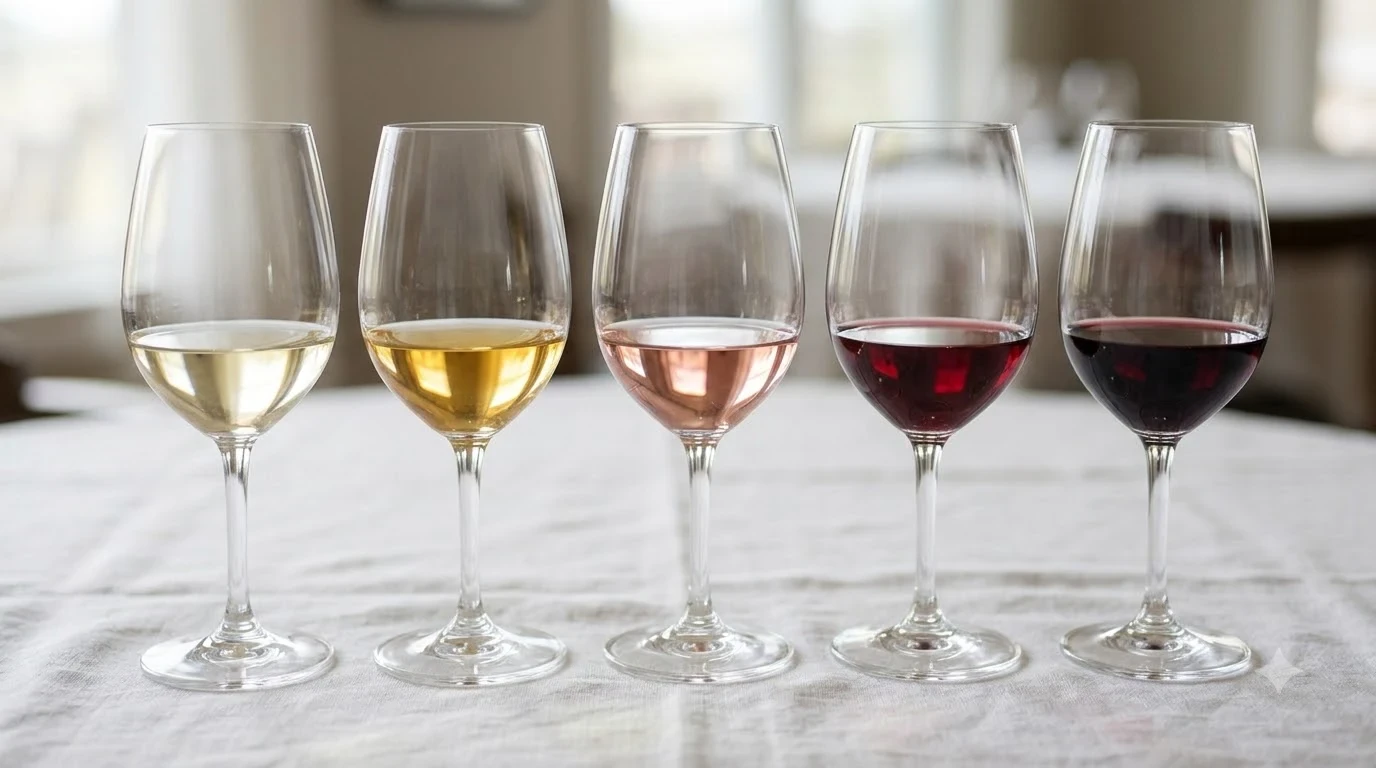
Chardonnay has enough body to stand beside salmon’s substantial, naturally oily flesh, while its acidity can keep a rich meal from feeling heavy. The grape also comes in a wide range of styles, from lean and citrus-driven to textured and oak-influenced, so it can meet several salmon preparations.
Salmon’s fat and tender texture are the first reasons the combination works. A very light white can seem thin beside a thick roasted or pan-seared fillet, while a medium-bodied Chardonnay has enough presence to remain noticeable. At the same time, salmon is not a steak: a wine with excessive oak, alcohol, or weight can overwhelm a delicate preparation. Aim for balance rather than maximum richness.
Acidity is the second part of the match. A fresh Chardonnay lifts butter, olive oil, and the natural richness of the fish, much as a squeeze of lemon does. This is especially useful when the plate includes a buttery pan sauce or a spoonful of crème fraîche. For a dish with sharp lemon juice, vinegar, or pickled ingredients, choose a wine with clear, lively acidity; acidic food can make a softer wine taste flat.
Oak can provide a bridge between the wine and the cooking method. Toasted, nutty, or subtly smoky notes in barrel-aged Chardonnay can echo the browned surface of seared salmon or the smoke from a cedar plank. Wine Enthusiast’s salmon-pairing advice specifically recommends an oak-aged Chardonnay with higher acidity for cedar-plank grilled salmon, noting the link between barrel toast and cedar smoke. Its salmon pairing recommendations are useful when comparing the dish with other wine options.
Choose the Chardonnay Style for the Dish
Choose a leaner Chardonnay when freshness, citrus, or herbs lead the plate; move toward oak and texture when butter, cream, or browned flavors take center stage. Climate and winemaking both influence the wine’s weight, acidity, and flavor.
Cool-climate regions tend to produce Chardonnay with lighter body, higher acidity, and more restrained fruit. Wine Australia describes that contrast with warmer-climate versions, which are generally fuller-bodied and richer in ripe fruit. A cooler-climate bottle from the Adelaide Hills, Mornington Peninsula, or Chablis is a natural starting point for salmon with lemon, dill, parsley, or a light vinaigrette. These wines can keep the fish in the foreground instead of adding another heavy layer.
Warmer-climate Chardonnay can be a better match for a richer recipe. A fuller style from Margaret River or a well-balanced California region can bring ripe pear, peach, or tropical-fruit character, plus barrel-derived toast or vanilla. The goal is not to seek the most heavily oaked wine available. Look for a wine whose acidity is still apparent, because freshness is what keeps salmon, butter, and cream from becoming monotonous. The serving targets below are practical guides based on the wine’s weight: use the cooler end for a fresher, lighter expression and the warmer end for a fuller wine.
| Chardonnay style | Best salmon preparation | Serving temperature |
|---|---|---|
| Lean, unoaked, citrus-driven | Poached salmon with lemon, dill, or cucumber | 45–50°F |
| Medium-bodied, lightly oaked | Oven-roasted or simply pan-seared salmon | 50–55°F |
| Fuller-bodied, barrel-aged | Cedar-plank salmon, butter sauce, or cream | 50–55°F |
Wine Australia notes that Chardonnay can be made with different levels of oak influence and malolactic fermentation, and that lees contact can add texture. Those choices matter more than a label that simply says “California” or “Burgundy.” For a food-first approach to selecting a style, the site’s Grape x Food pairing basics explain why weight, acidity, and seasoning should be considered together.
Match the Wine to the Cooking Method
Cooking changes salmon’s texture and flavor, so it should guide the Chardonnay choice. Roasting and grilling create deeper flavors that can support oak, while poaching and gentle steaming usually call for more restraint.
For oven-roasted or gently poached salmon, choose a medium-bodied Chardonnay with fresh acidity and restrained oak—or an even leaner unoaked style for the gentlest preparation. A fillet roasted with olive oil, salt, pepper, and lemon has a firm, moist texture without the concentrated char of a grill. Apple, pear, and citrus notes complement the fish without covering its flavor; roasted fennel, potatoes, or carrots make useful accompaniments. Poaching and steaming preserve the salmon’s soft texture, so avoid a very ripe, heavily oaked wine. A little dill, cucumber, or mild yogurt dressing keeps the plate fresh.
Pan-seared salmon develops a browned crust and a richer impression, particularly when cooked in butter. This is a good setting for a lightly or moderately oaked Chardonnay with notes of toast or hazelnut. The browned surface connects with the wine’s barrel character, while acidity balances the buttery finish. Keep the garnish simple: parsley, chives, or a little lemon zest lets the salmon and wine remain clear.
Cedar-plank and charcoal-grilled salmon can stand up to a more assertive Chardonnay. Smoke, char, and the savory edge of the fish form a natural link with toasted oak, especially when the wine still has enough acidity to refresh the palate. A Napa Valley Chardonnay with measured oak is one example of the style recommended for cedar-plank salmon by Wine Enthusiast. For salmon cooked directly over a hot grill, a medium-bodied wine is usually safer than an intensely buttery one, because heavy toast can compete with the char.
Balance Sauces, Herbs, and Seasonings
The sauce can matter as much as the salmon itself. Match creamy and buttery finishes with Chardonnay that has a little more body, but preserve enough acidity to cut through the fat; pair lemon and herbs with fresher, less oaky styles.
Salmon with beurre blanc, browned butter, or a cream sauce is a natural match for a textured Chardonnay. Oak aging and lees contact can add a rounded mouthfeel that meets the sauce’s richness, while acidity keeps the combination from feeling heavy. Decanter’s pairing guide notes that salmon served with butter and cream can suit a Chardonnay with some oak, and also identifies unoaked Chablis as a reliable alternative. Read its salmon and wine pairing guide for examples across cooking styles.
For salmon with lemon, dill, parsley, tarragon, or a sharp herb vinaigrette, choose a Chardonnay with crisp acidity and limited new-oak flavor. Citrus and herbs already supply strong aromatic signals; vanilla, toast, and butter can make the plate feel crowded. A restrained Chardonnay from a cool site can support the fish while leaving the herbs easy to recognize. If the recipe includes a large amount of lemon juice or vinegar, avoid a low-acid, very soft wine.
Mustard, maple, honey, miso, and chile need a little more thought. A thin layer of Dijon adds savory pungency, which a medium-bodied Chardonnay can handle, especially if the sauce includes butter or cream. Maple or honey introduces sweetness, so choose a fruit-forward Chardonnay rather than one with pronounced bitterness from heavy toast. Soy sauce and miso bring salt and umami; a wine with ripe fruit and freshness is generally more flexible than an austere, very lean bottle. With chile, keep alcohol and oak in check: alcohol can amplify chili heat, so a fresher Chardonnay suits mild ginger or pepper flakes better than a bold, high-alcohol version. When the sauce is genuinely hot, an off-dry Riesling may be more comfortable, especially alongside gochujang or a spicy salmon taco.
Handle Smoked Salmon and Other Special Preparations
Smoked salmon is a different pairing challenge because salt, smoke, and sometimes curing spices become the main flavors. Chardonnay can work, but the most dependable choice depends on whether the salmon is cold-smoked, hot-smoked, or served as gravlax.
Cold-smoked salmon is silky, salty, and delicate; hot-smoked salmon has a firmer texture and deeper smoke flavor. A lean Chardonnay with bright acidity can work with cold-smoked fish, crème fraîche, cucumber, red onion, capers, and lemon, especially when the wine has little obvious oak. Hot-smoked salmon can take a medium-bodied Chardonnay with modest oak, particularly with potatoes, mustard dressing, or a creamy dip. Avoid stacking heavy smoke in both the wine and food. For either style, sparkling wine can be more refreshing: Decanter highlights blanc de blancs sparkling wines made from Chardonnay as a particularly good match for smoked salmon.
Gravlax is cured rather than smoked and often includes dill, salt, sugar, citrus, or spices. Its herbal and lightly sweet profile usually favors a fresh Chardonnay with restrained oak. For a broader look at alternatives for cured fish, see what wine goes with smoked salmon. For a celebration plate with smoked salmon canapés, Champagne with smoked salmon is another route: the bubbles and brisk acidity provide a different kind of contrast.
Salmon sushi and sashimi are usually more delicate than grilled or smoked versions. Choose a taut, unoaked Chardonnay and keep the pour modest if the plate includes soy sauce, wasabi, or pickled ginger. Strong oak can obscure the clean flavor of raw fish, while excess wasabi heat can make a higher-alcohol wine feel more aggressive. For salmon cakes or croquettes, a crisp Chardonnay can work, but sparkling wine has an advantage with fried coating because bubbles and acidity refresh the palate.
Serve and Store Chardonnay at the Right Temperature
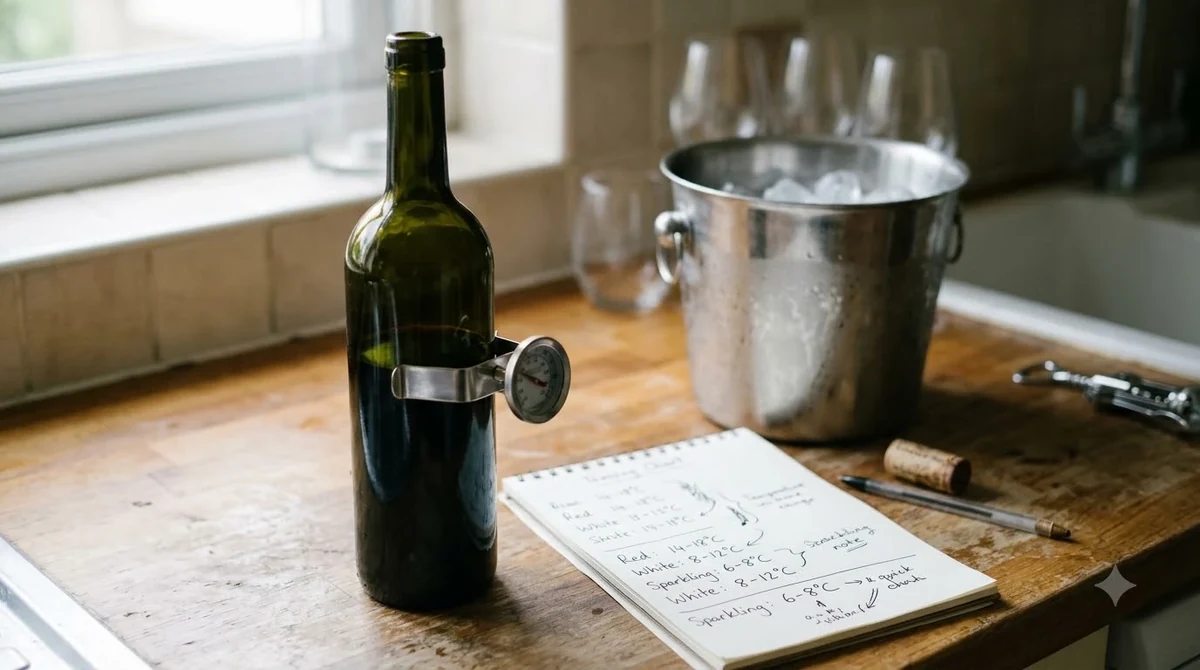
Temperature affects how Chardonnay’s fruit, acidity, and oak register beside salmon. Serve most full-bodied Chardonnay at 50–55°F, and chill lighter, fresher styles closer to 45–50°F.
A refrigerator is usually colder than the ideal serving range, so remove the bottle before dinner and let it warm slightly in the glass if its aromas seem muted. A wine served too cold can seem tight and less expressive; one served too warm may emphasize alcohol and make buttery or oaky notes feel heavy. For a richer salmon dish, the 50–55°F range gives the wine enough room to show its texture while maintaining freshness. Use a simple wine thermometer when precision matters, or allow a chilled bottle a short rest on the counter.
Plan portions around the meal: a standard pour is 5 ounces, and a 750 ml bottle provides about five glasses. That is enough for a small dinner pairing, though a larger group or a meal with a second course may call for another bottle. Pour smaller tastes first when comparing two Chardonnays with the same salmon recipe; the difference in oak and acidity is easier to judge side by side. Once opened, keep leftover still Chardonnay in the refrigerator and aim to finish it within 3–5 days. Re-cork the bottle or use a wine stopper promptly to limit oxygen exposure. For longer storage before opening, keep bottles on their sides in a cool, dark place near 55°F, away from direct sunlight and frequent temperature swings. These habits protect the wine’s freshness so the next glass remains suitable for food.
Tip: Chill Chardonnay before serving, then let it warm slightly in the glass. Start at 45–50°F for a lighter style or 50–55°F for a fuller, oak-aged bottle.
Frequently Asked Questions
Is Chardonnay always aged in oak?
No. Chardonnay can be fermented and aged in stainless steel, oak, or a combination of vessels. Some winemakers also use old barrels or larger-format casks to add texture with less obvious wood flavor.
What does malolactic fermentation do in Chardonnay?
Malolactic fermentation converts sharper malic acid into softer lactic acid, often making the wine seem rounder or creamier. Winemakers can allow all, some, or none of this process, so two Chardonnays from the same region can have different textures.
What does “sur lie” mean on a Chardonnay label?
“Sur lie” means the wine has spent time resting on its lees, the spent yeast cells left after fermentation. Lees contact can contribute a broader texture and subtle bread-dough or pastry-like notes without requiring strong new-oak flavors.
Is Chablis made from the Chardonnay grape?
Yes. Chablis is a wine region in northern Burgundy, France, and its white wines are made from Chardonnay. The name refers to a place and regional style, not a separate grape variety.
Can the same Chardonnay pair with salmon and poultry?
Yes. A medium-bodied Chardonnay can suit salmon with butter or herbs and poultry dishes with similar sauces. For another example of matching Chardonnay to a main course, see Chardonnay with turkey, where the preparation and accompaniments also guide the choice.
Chardonnay and salmon are a flexible pairing because both can be rich without being heavy, provided the wine keeps enough freshness. Use leaner styles for herbs and citrus, and fuller, lightly to moderately oaked bottles for butter, cream, and smoke. Matching the wine to the complete plate—not only the fish—will give you the most reliable result.
More in Food & Wine Pairing
 Risotto With White Wine Recipe: Make a Creamy Dinner at HomeUpdated Nov 20, 2026
 Wassail With Wine Recipe for a Festive Spiced Holiday DrinkUpdated Nov 20, 2026
 Spritz Veneziano Recipe: Make a Classic Venetian Aperitivo at HomeUpdated Nov 20, 2026
 Summer Wine Punch Recipe for Easy Homemade EntertainingUpdated Nov 20, 2026
 Bishop Recipe: How to Make a Bright, Citrus-Forward Red Wine CocktailUpdated Nov 20, 2026
 Wine Cupcakes Recipe: Bake Rich Chocolate Cupcakes at HomeUpdated Nov 20, 2026