

We may earn a commission when you buy through links on this page, at no extra cost to you. Learn more.
To make sweet red wine sangria, combine a fruity red wine with citrus, other fresh fruit, and a measured amount of sweetener, then chill it before serving. For a balanced pitcher, start with a red that is dry or only slightly sweet, then adjust the sweetness with juice or syrup. If your red wine is already sweet, use less added sugar and more tart citrus so the finished drink stays lively rather than syrupy.
A good pitcher should taste like wine and fresh fruit working together, not like fruit punch with a splash of wine. The practical steps are simple: choose a red with enough acidity, give sliced fruit time to infuse, chill the mixture, and add any sparkling mixer just before serving.
Choose a Red Wine That Balances Sweetness
The best base for sweet sangria is usually a fruit-forward red with bright acidity and moderate or low tannin. Spanish Rioja and Garnacha are classic starting points, while Pinot Noir, Gamay, and Barbera can make lighter, fresher pitchers.
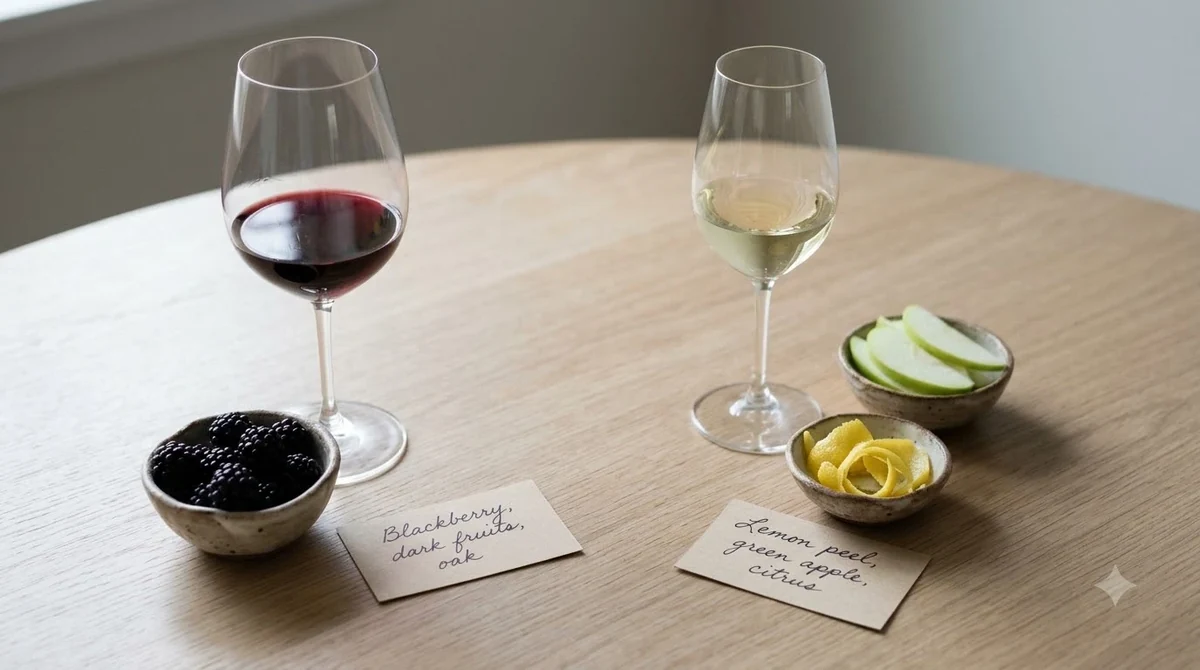
Wine choice matters because sweetener and ripe fruit add more sugar to a drink that already has fruit aromas. Liquor.com’s classic sangria guidance recommends a dry red with high acidity, low tannin, and fresh red-fruit character for classic sangria; that structure gives orange, apple, and berries room to show without turning the finish heavy. A wine that is too tannic can taste bitter after it is mixed with fruit and spirits, while a very soft, low-acid red can seem flat once sugar is added.
For a Spanish-style pitcher, look for Tempranillo from Rioja or a Garnacha from a region such as Calatayud or Campo de Borja. Tempranillo tends to bring darker cherry, plum, and spice notes, while Garnacha often gives a rounder, fruit-led profile. If you prefer a lighter result, Pinot Noir or Gamay brings cherry and strawberry flavors without the weight of a heavily extracted red. Barbera is another useful choice because its acidity can cut through orange juice and syrup.
For readers comparing red varieties beyond sangria, our overview of Wine by Type explains how grape varieties differ in body, acidity, tannin, and typical flavor. Those differences are useful when choosing a bottle for a mixed drink because the wine’s character remains part of the finished pitcher. A light Pinot Noir will produce a different result from a structured Tempranillo, even when both are combined with the same orange, apple, and sweetener.
For a broader explanation of whether sangria is sweet or dry, remember that the sweetness depends on the ingredients and proportions. Using a sweet red wine is possible, but the recipe needs a different starting point. Choose one whose sweetness you enjoy on its own, then leave out the sugar at first and add lemon juice, orange slices, or unsweetened soda for balance. A semi-sweet wine can work well with tart berries and lemon; a very sweet wine needs more restraint with juice, liqueur, and syrup. The goal is a clear fruit flavor and a refreshing finish, not the highest possible sugar level.
Match the Fruit to the Wine
Orange, lemon, and apple make a dependable base for red sangria, and berries or stone fruit add a second layer of flavor. Choose two or three fruits rather than filling the pitcher with every option in the produce section.
Start with one orange for its juice and aromatic peel, then add a lemon for acidity and an apple for crisp texture. This combination suits Rioja and Tempranillo because citrus lifts the wine’s cherry and plum notes, while apple gives each glass something to bite into. Thin half-moons or small wedges release flavor but remain easy to scoop from a pitcher. Remove seeds before adding citrus, and wash fruit well because the peel sits in the wine.
For a sweeter, berry-driven style, add strawberries, blackberries, or blueberries. These fruits echo the red and dark berry notes found in many Garnacha and Pinot Noir wines. Peaches and nectarines work especially well with a softer red, while cherries reinforce the tart fruit character of Gamay or Barbera. One useful rule is to choose fruit that reflects aromas already present in the wine: strawberries with strawberry-scented wine, cherries with cherry-scented wine, or apple with a crisp, green-apple note.
Fresh fruit should flavor the liquid without disintegrating into it. Cut apples and pears into bite-size pieces, slice citrus thinly, and halve larger strawberries. Very ripe fruit can make the pitcher sweeter and softer, so taste it before adding syrup. If the fruit is not especially ripe, a small amount of orange juice or simple syrup can fill out the flavor without requiring a large quantity of sugar.
Build a Sweet Red Sangria Recipe With Measured Ingredients
A one-bottle pitcher is easy to scale and gives you control over sweetness. The quantities below create a fruit-forward, gently sweet starting point; reduce or omit the sugar when using an already-sweet red wine.
The base follows the ingredient pattern in Liquor.com’s classic sangria recipe, which combines red wine, citrus, apple, orange juice, sugar, and brandy. Use a wine you would drink on its own rather than treating the pitcher as a way to disguise a faulty bottle. One 750-milliliter bottle is the standard starting amount for this batch, and the fruit and mixer expand the total volume.
| Ingredient | Amount | Purpose |
|---|---|---|
| Fruity red wine | 1 bottle (750 ml) | Provides the wine base |
| Orange | 1, sliced; reserve a little juice if desired | Fresh citrus aroma and sweetness |
| Apple | 1, cored and diced | Crisp fruit texture |
| Lemon | 1, sliced or cut into wedges | Balances the fruit sweetness |
| Brandy | 1/2 cup | Adds warmth and depth |
| Orange juice | 1/2 cup | Softens the citrus and wine |
| Sugar | 2 tablespoons, or less to taste | Sets the sweetness level |
| Soda water | Optional, added at serving | Lightens the drink with fizz |
Tip: When your red wine is already sweet, start with no added sugar. Let the citrus and fruit infuse first, then add sweetener only in small increments after the pitcher is cold.
For a sweeter version, keep the full 2 tablespoons of sugar as a starting point, then taste after chilling. If the wine itself is sweet, begin with no sugar and add only a teaspoon at a time if the citrus makes the pitcher seem too sharp. For a less sweet, brighter pitcher, use a dry Rioja or Garnacha, keep the lemon, and omit the sugar until the final adjustment. This gradual method is more reliable than adding a large amount at the beginning. Brandy is common in red sangria, but it is not mandatory: a smaller pour gives the wine and fruit more emphasis, while omitting it makes a lighter pitcher with less spirit character. If you add an orange liqueur as well, treat it as another sweetening ingredient and reduce the sugar accordingly.
The finished pitcher contains several ingredients beyond the wine itself, so its serving composition differs from a plain glass of red. Readers comparing the calories in sweet red wine should remember that fruit juice, sugar, brandy, and the size of each pour also affect the total for a sangria serving. A 5-ounce pour of wine is a useful reference when estimating how much wine goes into each glass, but the finished drink is a mixture rather than a standard wine serving.
Mix the Pitcher in the Right Order
Build the flavor in stages: first soften the fruit with the sweetener and spirit, then add wine, and finally give the pitcher time to chill. A minimum rest of 2 hours gives citrus, apple, and wine time to mingle.
Begin by placing the sliced orange, diced apple, lemon, and sugar in a large pitcher. Press the fruit gently with a muddler or the back of a wooden spoon for about 20 to 30 seconds. The aim is to release some juice and dissolve the sugar, not to crush the peel into tiny pieces. Add the brandy and orange juice, stir, and let the mixture sit for a few minutes so the sugar can dissolve fully.
Pour in the bottle of red wine and stir until the fruit is distributed. Cover the pitcher and refrigerate it for at least 2 hours; an overnight rest is also practical when preparing for a gathering the next day. Taste a spoonful after chilling. If the mix is too sweet, add lemon juice or a little more dry red wine. If it is too tart, add a small measure of simple syrup or orange juice, stir, and taste again.
Keep carbonated ingredients out of the pitcher until the last moment. Soda water or another sparkling mixer loses its bubbles during a long chill, so add it to the pitcher immediately before pouring or top each glass separately. This also lets guests choose a still or fizzy glass. The fruit can stay in the pitcher for serving, but use a long spoon so every glass gets some without splashing.
Chill, Pour, and Keep the Texture Fresh
Serve red sangria cold over ice, with a little fruit in each glass. Refrigerate the pitcher until serving and avoid leaving it in direct sun or warm outdoor air for an extended stretch.
Chilling before serving is more than a convenience: it keeps the drink refreshing and gives the fruit time to season the wine. VinePair’s sangria guidance recommends at least 2 hours in the refrigerator, or an overnight rest, and adding soda water just before serving. If you are short on time, even a brief rest of around 15 minutes lets the first wave of flavors meet, although a longer chill produces a more integrated pitcher.
Use ice in individual glasses rather than packing the pitcher with it. Ice in the pitcher melts gradually and dilutes every serving, including the last one. A small handful of ice in each glass gives guests control over dilution. Add a fresh orange wheel or a few berries as a garnish, and use a spoon to include a piece or two of the infused fruit. A typical 750 ml bottle contains about five 5-ounce pours before the fruit, brandy, or soda is counted, so plan the number of bottles around the size of the gathering.
Keep leftovers covered in the refrigerator. Sangria can remain enjoyable for several days when chilled, but the fruit gradually softens and the citrus peel can become more prominent as it sits. For the freshest texture, remove the fruit once it has given enough flavor, then store the liquid separately. Keep any extra soda water sealed and add it only to the glasses you are serving. Discard the mixture if it has been left warm for a prolonged period or develops an unpleasant smell or appearance.
Pair Sweet Red Sangria With Food
Sweet red sangria works best with food that can meet its fruitiness without making the drink taste cloying. Salty tapas, grilled meats, roasted vegetables, and moderately spiced dishes are reliable choices.
Try it with Manchego, Marcona almonds, olives, Spanish tortilla, grilled chicken, or pork skewers. Salt and fat soften the perception of tannin, which helps a red-wine pitcher feel smoother beside cured meats and cheese. Roasted peppers, tomato dishes, and grilled vegetables also bring savory notes that balance orange and berry flavors. For a simple spread, combine one salty cheese, one cured meat, crusty bread, and a bowl of olives rather than building a menu around several rich dishes.
Acidity matters as much as sweetness in a pairing. A dish with tomatoes, vinaigrette, or citrus should meet a sangria with enough acidity of its own; otherwise, the food can make the drink seem flat. Add lemon or use a naturally high-acid red such as Barbera when the menu includes bright sauces. The wine should not be noticeably less acidic than the dish. For a creamy or fatty plate, the fruit and citrus can refresh the palate between bites. With dessert, match sweetness as well: pair sangria with a less-sweet fruit tart or almond cookie rather than a dessert that is much sweeter than the drink.
Be thoughtful with chili heat. Alcohol and tannin can make spicy food feel hotter, so a sangria made with a generous pour of brandy and a firm, tannic red may exaggerate the burn in hot wings or fiery sausage. Choose milder seasoning, use a softer red such as Pinot Noir or Garnacha, and keep the spirit addition modest. Avoid pairing a tannic red-wine pitcher with oily fish; a white sangria or a crisp white wine is usually a better direction for that plate.
Frequently Asked Questions
These quick answers cover common serving and preparation questions that come up after the recipe is set. They focus on small practical choices that can change how the pitcher looks and feels at the table.
Can I use frozen fruit in red sangria?
Yes. Frozen berries can be added straight from the freezer and will help cool the drink as they thaw. They may soften more than fresh berries, so use them when you want extra berry flavor and do not need every piece of fruit to stay firm.
Should I remove the citrus peel before serving?
You can leave thin orange slices in the pitcher for color, but remove thick pieces of lemon or orange peel if the drink develops a bitter edge. The white pith is more likely to contribute bitterness than the colored zest. For a long overnight infusion, taste before serving and lift out any citrus pieces that dominate.
Can I make just one glass instead of a pitcher?
Yes. Start with about 5 ounces of red wine, add a small splash of orange juice and brandy, and use a few thin slices of fruit. Stir with a little sweetener, chill briefly, and pour over ice; keep the additions restrained because a single glass has less time and volume to blend.
Why is sangria called sangria?
The name comes from the Spanish word sangre, meaning blood, and refers to the drink’s traditional red color. The name is a reminder of its red-wine roots, even though modern versions can use other wine colors.
Can I use white or rosé wine instead?
Yes. White-wine sangria often works with cucumber and lemon, while rosé sangria pairs naturally with peaches, melon, and citrus. For a different pitcher style, see our guide to sweet white wine sangria. These versions use the same pitcher approach, but their fruit choices are usually lighter than those in a red-wine batch.
Sweet red sangria is easy to adapt once the wine, fruit, and acidity are in balance. Start with a restrained amount of sugar, chill the pitcher for at least 2 hours, and make the final sweetness and fizz adjustments just before serving. That approach keeps the wine recognizable and gives every batch room to suit the fruit and the food.
More in Wine Types & Grapes
 Zinfandel Sugar Content: Dry Red vs. White Zinfandel GramsUpdated Nov 21, 2026
 Best Zinfandel Substitute Options for Sipping and CookingUpdated Nov 21, 2026
 Zweigelt Food Pairing: Best Dishes, Cheeses, and Serving TipsUpdated Nov 21, 2026
 Zinfandel Tannins Explained: How Structure Shapes Every BottleUpdated Nov 21, 2026
 Zinfandel Sweetness Level: Dry Red vs. Sweet White Zin ExplainedUpdated Nov 21, 2026
 Xinomavro Food Pairing: Best Dishes, Styles, and Serving TipsUpdated Nov 21, 2026