

We may earn a commission when you buy through links on this page, at no extra cost to you. Learn more.
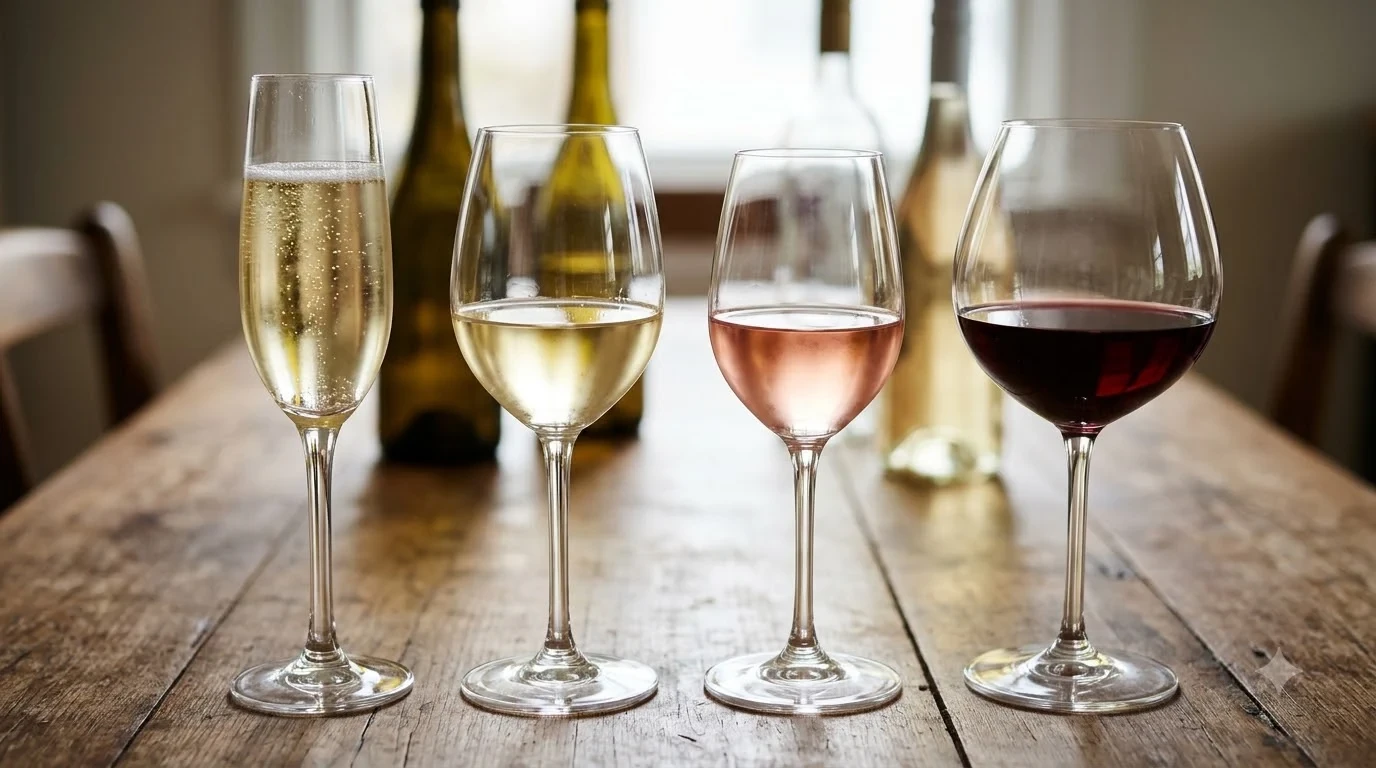
The best wine for sangria is a dry, fruity red such as a Spanish Tempranillo or Garnacha, with a white or sparkling option for lighter batches. The wine forms most of the drink, so a bottle with good acidity and clean fruit makes a better pitcher than a sweet or dull one. Sugar, citrus and fruit are added on top, so start with a wine you would be willing to sip on its own.
Sangria is simple to make, and that is why the wine matters so much. There are few other ingredients to hide behind, and the fruit, juice and sweetener will amplify whatever the base wine tastes like. This guide covers the styles that work best, how to balance a pitcher, and the mistakes that leave sangria tasting flat or syrupy.
Why Sangria Starts with a Dry Base
Traditional sangria begins with red wine, and Spanish Rioja is the classic base. Sangria comes from Spain and Portugal, and its earliest versions were wine drinks flavored with citrus, sugar and spices, long before the fruit-filled pitcher became common in American bars. A dry base keeps the drink balanced, because sugar and orange juice are added later.
Starting with a sweet wine is the most common mistake. Sweet wine, plus added sugar, plus fruit juice can produce a syrupy drink that hides the wine entirely. A dry red or white lets the fruit and citrus show through, and it gives you room to adjust sweetness at the end.
Red Wines That Work Best
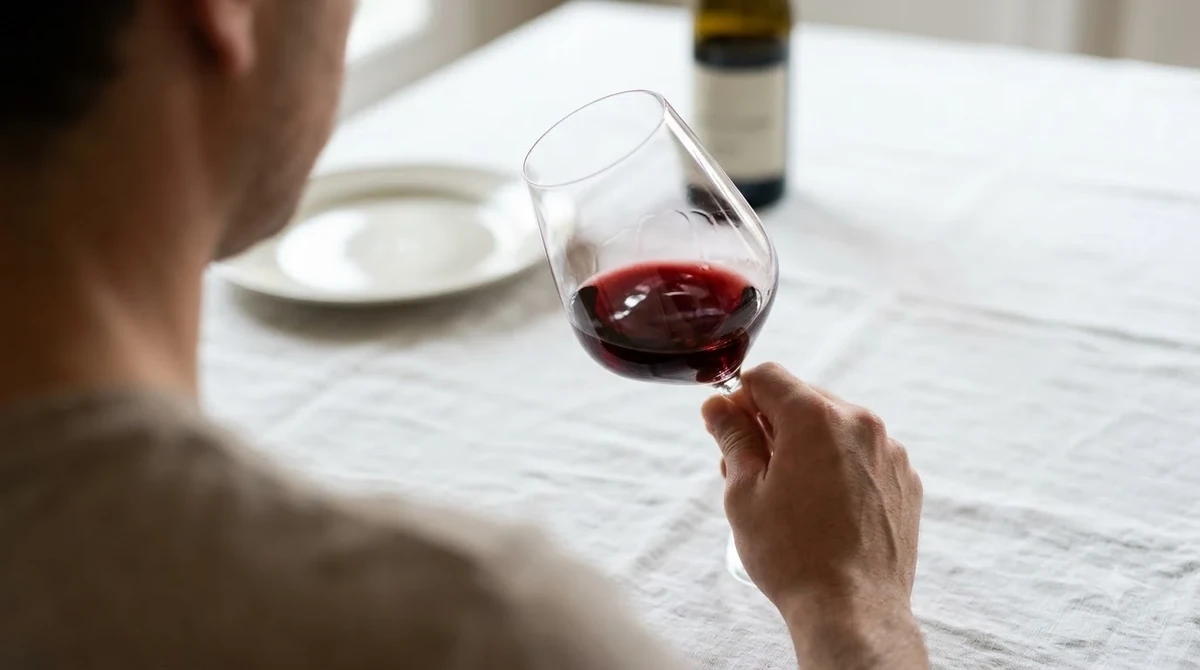
Red sangria is the most familiar version, and Spanish reds are the natural fit. Tempranillo, the main grape of Rioja, has medium-high acidity and medium-high tannins, with cherry and dried fig flavors. Wine Folly’s Tempranillo guide describes it as a dry red with enough structure to stand up to fruit and citrus, which makes it a reliable base for a pitcher. Garnacha, known as Grenache in France, is softer and fruitier, and it pairs well with berries and peach.
Avoid heavily oaked reds, such as big Cabernet Sauvignon, which can taste bitter once it sits with citrus. Light, fruity reds can also work, but very delicate wines may disappear behind the fruit. Choose a medium-bodied red with moderate tannins and bright acidity, and you will get a pitcher that tastes like wine rather than juice.
White and Sparkling Options
White sangria, often called sangria blanca, uses a dry white as the base. Dry Spanish whites, Pinot Grigio and Sauvignon Blanc all work well, especially with stone fruit, melon and herbs. Their crisp acidity keeps the drink fresh on a hot day, and a white base is a good choice when you want a lighter glass.
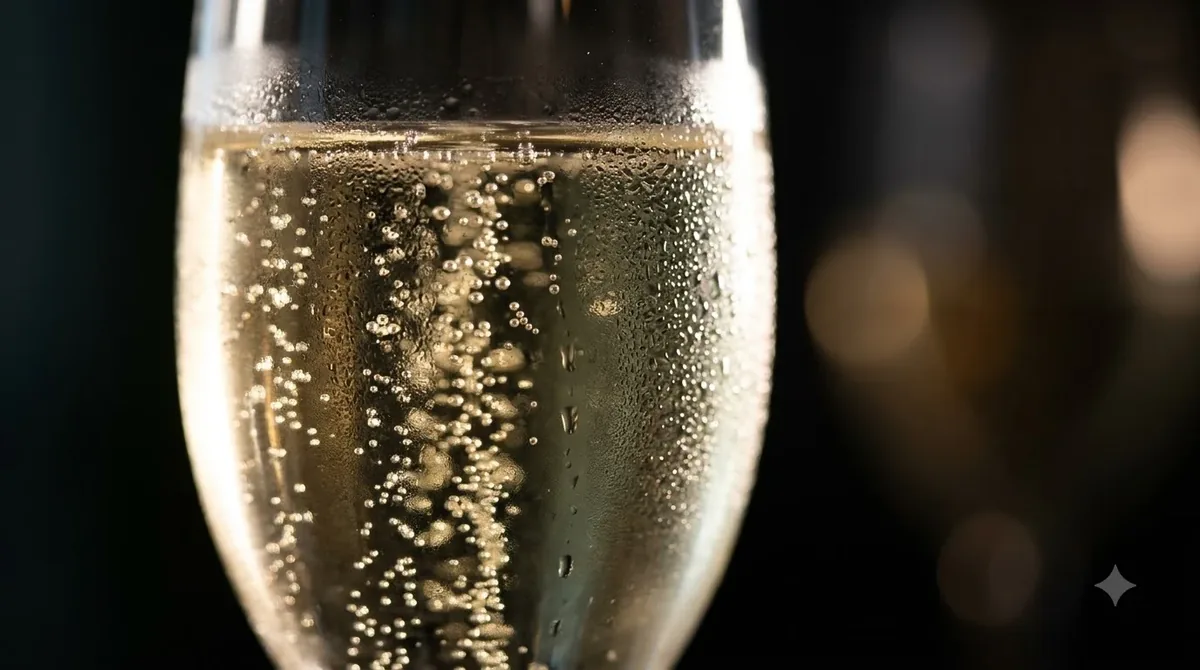
Sparkling sangria, sometimes called sangria de cava, uses a dry sparkling wine. Add it just before serving so the bubbles stay lively. Prosecco and Cava are common choices. Because bubbles fade quickly, do not mix sparkling wine into a pitcher that will sit for hours.
Quick Comparison of Sangria Bases
The table below compares the three main bases so you can choose one based on the fruit you plan to use and how the pitcher will be served.
| Base wine | Flavor profile | Best fruit | Best for |
|---|---|---|---|
| Dry red (Tempranillo, Garnacha) | Cherry, berry, medium structure | Orange, apple, berries | Classic pitchers and dinner parties |
| Dry white (Sauvignon Blanc, Pinot Grigio) | Crisp, citrusy, light | Peach, melon, citrus | Warm weather and lighter drinkers |
| Dry sparkling (Cava, Prosecco) | Lively bubbles, fresh acidity | Berries, pear, citrus peel | Serving on the spot, celebrations |
Fruit, Sweetener and Extras
Traditional recipes use local fruit such as peaches, nectarines, berries, apples and pears, along with pineapple or lime in some regions. Orange juice and sugar are the usual sweeteners, though a small amount of honey or simple syrup works just as well. Add the sweetener gradually and taste as you go, because the fruit will also release sugar as it sits.
Some recipes add a splash of brandy, a flavored liqueur or sparkling water. A spirit can add warmth, and sparkling water adds lift. Use these sparingly. Each addition changes the balance, and a pitcher with too many extras can taste more like punch than sangria.
Tip: Macerate the fruit in the sweetener and a little juice for 30 minutes before adding the wine. The fruit will release flavor and the pitcher will taste more integrated.
How Strong Is Sangria?
Sangria’s strength depends on the base wine and how much fruit juice, spirit or sparkling water goes in. A glass of plain table wine is already a moderate drink, and the fruit, ice and any sparkling water dilute it further. The EU legal definition of sangria requires an actual alcoholic strength of at least 4.5 percent by volume and less than 12 percent by volume, which is a useful reference point when you compare recipes.
If you are serving a crowd, count the pitcher as a wine drink rather than a juice. Offer water and a non-alcoholic option alongside it, and keep track of how many glasses each guest has had.
Common Mistakes to Avoid
The biggest mistake is making sangria too far in advance. Fruit left in wine for a full day can turn soft and bitter, and citrus peel can release harsh oils. For best results, prepare the pitcher a few hours ahead and keep it chilled, then add ice and sparkling wine just before serving.
Another common error is adding too much sugar at the start. Taste the wine and fruit before adjusting, because the flavor changes as the sangria rests. Finally, avoid cheap, overly sweet wine. It will make the drink cloying no matter what you add.
Serving Sangria Well
Serving temperature makes a bigger difference than most people expect. Sangria tastes best well chilled, so keep the pitcher in the refrigerator until guests arrive. If you add ice, use large cubes or a frozen fruit garnish, which dilute the drink more slowly than small ice cubes do.
Serve sangria in wide glasses so guests can get a piece of fruit with each pour. Ladle some fruit into each glass, and offer a small spoon for the softer pieces. A pitcher that is refilled with fresh fruit halfway through an event will taste brighter than one that has been sitting since the start.
For a party, make a base pitcher without the sparkling wine and keep a second bottle of Cava or Prosecco nearby. Pour the base into glasses, top each one with sparkling wine, and serve immediately. This keeps the bubbles lively and lets you make a second batch later without waste.
Frequently Asked Questions
What is the best wine for sangria if I want a classic taste?
A dry Spanish red such as Tempranillo or Garnacha is the classic choice. Its cherry and berry flavors work with orange and apple, and its acidity keeps the pitcher balanced.
Can I make sangria with white wine?
Yes. White sangria uses a dry white such as Sauvignon Blanc or Pinot Grigio and pairs well with peach, melon and herbs. It is a good option for warm days and guests who prefer lighter drinks.
How long can sangria sit before serving?
Most sangria tastes best after a few hours in the fridge. Beyond about a day, soft fruit can turn bitter, so it is best to prepare it the same day and add sparkling wine or ice only when you serve.
Should I use expensive wine for sangria?
You do not need a premium bottle, but avoid the cheapest sweet wines. A dry, fresh wine with clean fruit gives the best results, and the added fruit and sweetener will carry the rest of the flavor.
The best wine for sangria is a dry base that tastes good on its own, whether red, white or sparkling. Start with that, add fruit and sweetener in small amounts, and serve it cold. For more on choosing bottles for home drinks, see our wine buying guide, and for a region-by-region look at where many of these grapes are grown, see our Temecula winery guide.
More in Wine Buying Guides
 Riesling Gift: Choose a Bottle They’ll LoveUpdated Nov 21, 2026
 Sweet Red Wine Gift: Choose a Bottle They’ll LoveUpdated Nov 21, 2026
 Malbec Gift: How to Choose a Memorable Bottle for Any OccasionUpdated Nov 21, 2026
 Sherry Gift Ideas That Match Every Wine LoverUpdated Nov 21, 2026
 Moscato Gift: How to Choose a Sweet Wine They’ll LoveUpdated Nov 21, 2026
 Merlot Gift: How to Choose a Bottle They’ll AppreciateUpdated Nov 21, 2026