

We may earn a commission when you buy through links on this page, at no extra cost to you. Learn more.
The Savoie Wine Region in eastern France is known for fresh Alpine whites made from Jacquère and Altesse, structured Mondeuse reds, and distinctive village-designated wines shaped by mountain slopes and nearby lakes. Its vineyards are scattered between Lake Geneva and Chambéry, rather than forming one continuous block. Start with a crisp Apremont or Les Abymes for the classic white style, then explore Roussette de Savoie, Chignin-Bergeron, and Arbin Mondeuse for more depth.
Savoie is a small wine-producing area with a large range of local grapes and place names. Understanding the landscape and the label terminology makes it easier to choose bottles that suit a meal, a season, or a preference for lively whites and characterful reds.
An Alpine Region of Scattered Vineyards
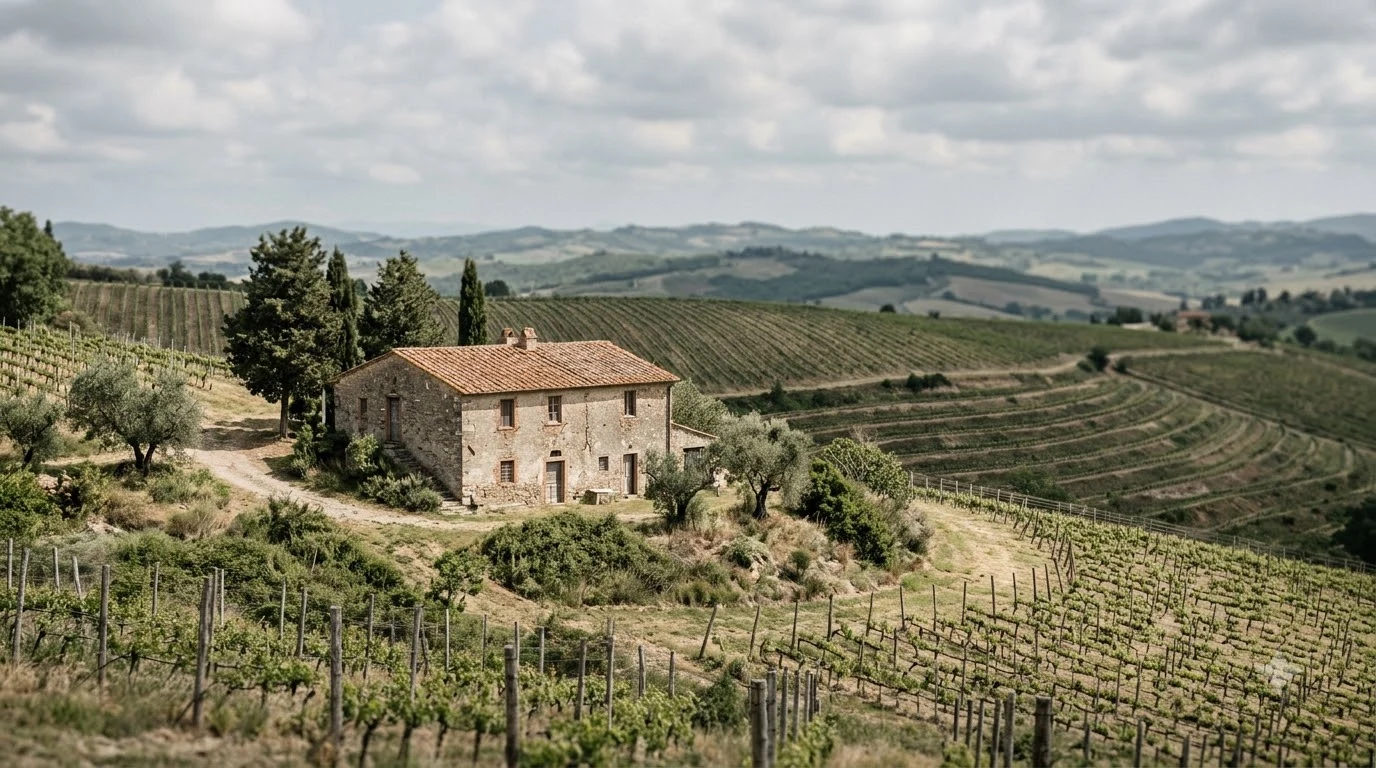
Savoie’s vineyards occupy pockets of eastern France, running from the southern shore of Lake Geneva toward the area just south of Chambéry. Decanter describes about 2,100 hectares of vines, most between 250 and 440 meters above sea level, with relatively few vineyards reaching 500 meters.
Limestone-based soils are common, while glacial deposits, schist, and other stony materials contribute to local variation. Large Alpine lakes, especially Lake Geneva and Lac du Bourget, moderate nearby conditions. They can soften temperature extremes, while cool mountain nights help preserve acidity during the growing season. The same mountain weather can bring storms and spring frost, so growers work with a climate that can be both helpful and demanding. A south-facing slope near Chignin, for example, has a different ripening pattern from a cooler parcel closer to the lake shore.
That fragmented geography helps explain Savoie’s range of grapes. Jacquère thrives on cooler sites, while Roussanne, known locally as Bergeron, is associated with warmer south-facing slopes around Chignin. Mondeuse is linked to Arbin and Saint-Jean-de-la-Porte. For a wider view of the country’s regional diversity, the Wine Regions overview provides a useful starting point; Savoie’s position near the French-Swiss border also makes it an interesting neighbor to the Switzerland wine region.
How Savoie Appellations and Crus Work
The main Savoie wine identity is geographic: an appellation name may be followed by a village or cru name that points to a more specific place and style. Regional winegrowing received AOC recognition in 1973, and the Chambéry Montagnes guide to Savoie wine describes 25 grape varieties and 21 distinct geographical designations across the industry.
Vin de Savoie is the broad regional appellation. Names such as Apremont, Les Abymes, Chignin, Cruet, Jongieux, Montmélian, Arbin, and Saint-Jean-de-la-Porte identify local designations within that wider framework. Many of the best-known white crus are associated with Jacquère, while Arbin and Saint-Jean-de-la-Porte are especially useful names to recognize when looking for Mondeuse. Chignin-Bergeron identifies a distinctive white wine made from Roussanne, not a separate grape variety.
Roussette de Savoie is a separate appellation for white wine made from Altesse. It tends to offer more structure than the lightest Jacquère bottlings, and the name is a dependable clue for shoppers seeking Altesse. Savoie also makes sparkling wines, including Crémant de Savoie and Seyssel styles. Do not assume every bottle labeled Savoie will taste alike: the grape, village name, producer’s approach, and vintage all shape the result.
Jacquère and Altesse Define the White Wines
Jacquère is the signature grape for Savoie’s brisk, easy-drinking whites, while Altesse makes a richer and more layered style under the Roussette name. These two grapes are the most useful starting points for understanding the region’s white wines, from simple aperitif bottles to whites with enough structure for a full meal.
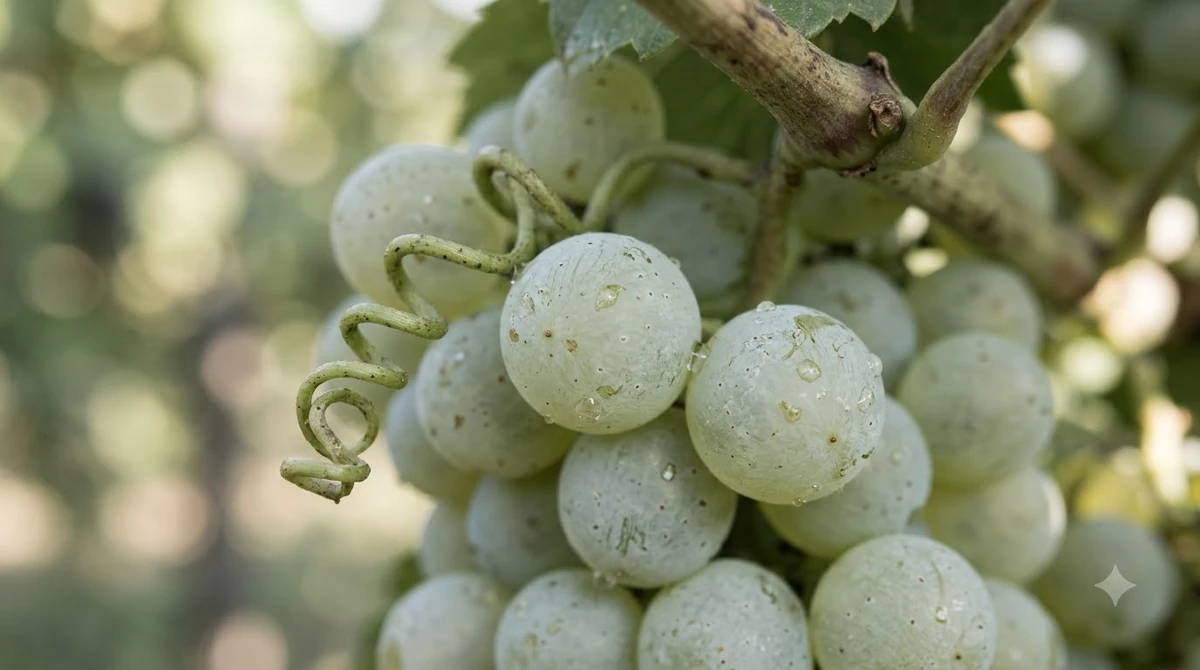
According to the Chambéry Montagnes regional tourism authority, Jacquère accounts for about 50 percent of Savoie’s vineyard area. It is commonly associated with Apremont, Les Abymes, Chignin, Cruet, Jongieux, Montmélian, and Saint-Jeoire-Prieuré. The wines are generally pale, light in body, and marked by fresh acidity, delicate white-flower aromas, and a slight spritz in some examples. Typical flavors include green apple, lemon, citrus peel, fresh herbs, and a stony impression. Their relatively modest weight makes them refreshing before a meal, but good examples can also hold their own at the table because the acidity cuts through rich food.
Altesse accounts for roughly 10 percent of the vineyard area in the same regional overview. It is also known as Roussette, and the Roussette de Savoie appellation is devoted to wines made from this grape. Compared with Jacquère, Altesse usually has more body and a more pronounced aromatic range: pear, ripe orchard fruit, alpine flowers, crushed stone, and sometimes almond, hazelnut, or beeswax with bottle age. It can retain lively acidity while developing a broader texture, which is why it works with poultry, creamy dishes, and firmer mountain cheeses rather than only as a casual aperitif.
These two white grapes make a useful side-by-side tasting. Pour a young Apremont or Les Abymes first, then a Roussette de Savoie, and notice the difference in weight and finish. Jacquère tends to emphasize freshness and a quick, clean finish; Altesse often shows a longer, more layered aftertaste. Both are dry styles in their classic forms, but they do not taste interchangeable. Wine Enthusiast’s overview of Savoie’s five notable grapes offers additional aroma cues for comparing the varieties.
Chignin-Bergeron, Gringet, and Other Local Grapes
Beyond Jacquère and Altesse, Savoie has several local varieties that reward a closer look. Chignin-Bergeron is the region’s richer white reference, while Gringet brings a rare, delicate expression to still and sparkling wines around Ayze.
Roussanne is called Bergeron in Savoie and represents about 4 percent of the vineyard area in the Chambéry Montagnes account. It is grown in the communes of Chignin, Francin, and Montmélian, where it produces Chignin-Bergeron as a single-variety wine. Expect a fuller body than in a typical Jacquère, with aromas of apricot, quince, ripe stone fruit, flowers, honey, and sometimes roasted nuts. Despite the broader texture, good examples retain mountain freshness. A Chignin-Bergeron can be a better choice than a very lean white when the plate includes roast chicken, cream sauce, mushrooms, or a savory cheese tart.
Gringet is a rare white grape associated with the Aravis Mountains near Ayze. Wine writers describe citrus peel, green apple, fresh-cut herbs, and a stony or mineral character; some producers also use it for traditional-method sparkling wine. Chasselas is important closer to Lake Geneva, where it gives a gentler lakeside style. The region also has historic grapes that are receiving renewed attention, including Persan, a red variety native to Maurienne and being replanted in the Combe de Savoie. These wines may be harder to find outside France, but they show why Savoie offers more than its best-known village whites.
For a tasting flight, compare a Jacquère-based Apremont with Chignin-Bergeron and a Gringet-based sparkling wine. The progression moves from light-bodied and sharply refreshing, to broader and more textured, then to brisk bubbles with delicate aromatics. If you enjoy cool-climate wines from elsewhere, the Tasmania wine region offers a different point of comparison for freshness and sparkling-wine character, though its maritime setting and varieties are distinct from Savoie’s Alpine vineyards.
Mondeuse and the Red Wines of Savoie
Savoie is best known for white wine, but its reds are an important part of the region’s identity. Mondeuse is the signature local red grape, producing dark, spicy wines with firm tannins and enough acidity to pair with substantial food.
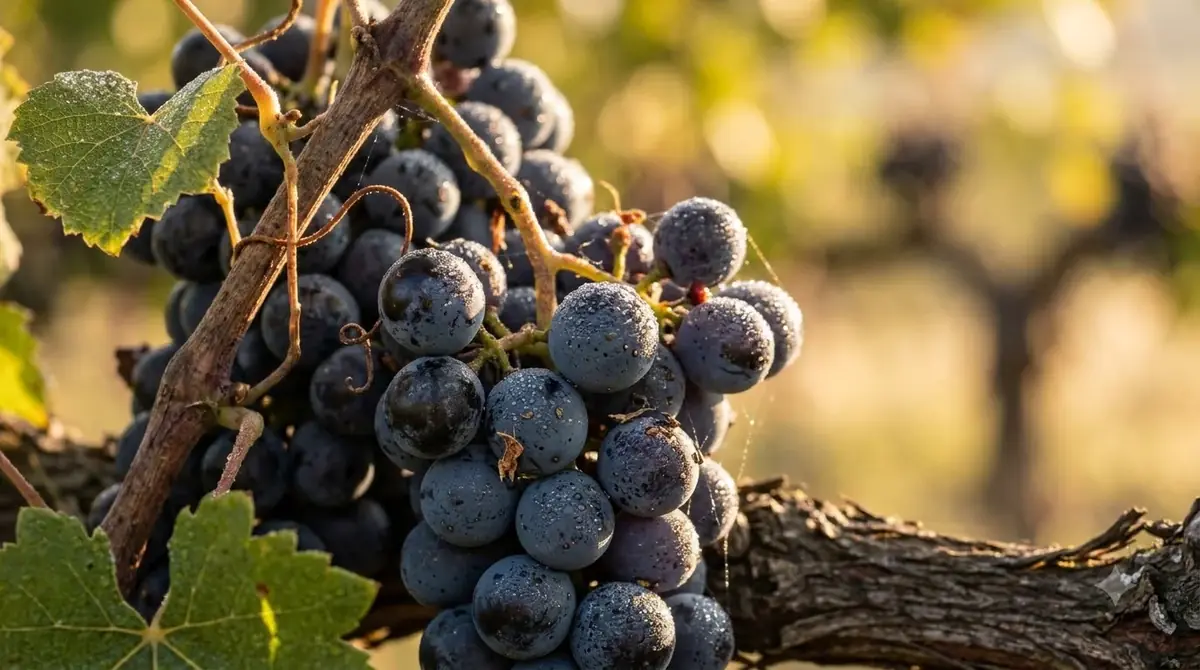
The Chambéry Montagnes tourism authority estimates that Mondeuse accounts for about 12 percent of the vineyard area and identifies Arbin and Saint-Jean-de-la-Porte as key designations. In the glass, it often shows blackcurrant, blackberry, violet, cracked pepper, and savory spice. The color can be deep, the acidity lively, and the tannins noticeable, especially in younger bottles. This is not usually a soft, plush red; it has structure and a distinctly savory edge. Some examples become more nuanced with time in bottle, gaining earthy notes as the fruit and pepper integrate.
Decanter describes reds as about one-third of Savoie production, with Gamay, Pinot Noir, and Mondeuse among the main varieties. Gamay tends toward juicy, lighter-bodied fruit, while Pinot Noir can show a more delicate red-fruit profile. Mondeuse is the more substantial choice, especially from Arbin, and is often compared with Syrah because of its peppery character. That comparison is a useful flavor reference, but Mondeuse has its own local identity and should not be mistaken for a small-scale version of a Rhône wine.
Serve a lighter Gamay or Pinot Noir slightly cool, around 55 to 60°F. A more structured Mondeuse is better closer to 60 to 65°F, and a young, full-bodied bottle may benefit from 30 to 60 minutes of decanting. Mondeuse can accompany roast pork, duck, sausages, grilled lamb, mushroom dishes, or a board of cured meats. Its acidity helps with rich meat and its tannins are softened by protein and fat. For a comparison with a more famous, tannin-led Italian red, the Barbaresco wine region provides a useful contrast: Nebbiolo from Barbaresco tends toward a different structure and aromatic profile, even though both regions reward attention to place and food pairing.
Food Pairing, Serving Temperature, and Buying
Savoie wines make the most sense alongside Alpine food, especially dishes built around cheese, potatoes, cured meat, and freshwater fish. Match the wine’s weight and acidity to the richness of the dish rather than choosing a bottle solely by color.
Jacquère is a natural partner for fondue, raclette, tartiflette, oysters, shellfish, grilled trout, and salads because its acidity refreshes the palate between bites. Altesse has more texture for roast chicken, pork loin, creamy mushroom dishes, and firmer cheeses such as Tomme de Savoie; Chignin-Bergeron can handle roast poultry with herbs or a mushroom cream sauce. Mondeuse suits sausages, charcuterie, roast pork, duck, and grilled meats. Salt and fat soften its tannins, helping the wine feel balanced beside savory food. Avoid pairing firm, tannic Mondeuse with oily fish, which can make the combination taste harsh. Very hot chili dishes can also make alcoholic or tannic wines seem more aggressive, so a lower-alcohol, fruit-forward style is usually a better choice when spice is central.
Serve sparkling Savoie wines at 40 to 50°F, light whites such as Jacquère at 45 to 50°F, and fuller whites such as Chignin-Bergeron or structured Altesse at 50 to 55°F. Light reds are most appealing around 55 to 60°F. Use a standard 5-ounce pour; a 750-milliliter bottle gives about five glasses. Keep opened still wine in the refrigerator and aim to finish it within three to five days.
| Grape or style | Approximate vineyard share | Typical profile | Useful place name |
|---|---|---|---|
| Jacquère | 50% | Light, crisp, floral, green apple and citrus | Apremont, Les Abymes |
| Altesse | 10% | Medium-bodied, floral, pear, almond and mineral notes | Roussette de Savoie |
| Mondeuse | 12% | Deep color, black fruit, pepper and firm tannin | Arbin, Saint-Jean-de-la-Porte |
| Roussanne (Bergeron) | 4% | Fuller texture, apricot, quince and honeyed notes | Chignin-Bergeron |
The percentages are approximate vineyard shares reported by the Chambéry Montagnes regional tourism authority; they describe plantings, not the percentage of wine produced or the proportions in a blend. These four grapes do not account for all Savoie plantings, which also include Gamay, Pinot Noir, Chasselas, Gringet, and Persan. When buying, start with the place name: Apremont or Les Abymes points toward Jacquère, Roussette de Savoie toward Altesse, Chignin-Bergeron toward Roussanne, and Arbin toward Mondeuse. For a first purchase, choose Apremont for a crisp white, Roussette for more body, or Arbin Mondeuse for a structured red.
Tip: For a first Savoie purchase, choose an Apremont or Les Abymes if you want a crisp, lighter white; choose Roussette de Savoie for more body and complexity; and choose Arbin Mondeuse if you want a structured red with peppery character.
Frequently Asked Questions
These answers cover a few extra details that help put Savoie’s wine culture and labels into context.
How long has Savoie made wine?
The Chambéry Montagnes tourism authority traces local vine growing back more than 2,600 years. During the Middle Ages, monks organized vineyards and helped establish a more sustained winemaking tradition in the area.
Did Savoie vineyards once grow at higher elevations?
Yes. The Chambéry Montagnes history notes that vineyards expanded between the 16th and 18th centuries and at times reached elevations above 1,000 meters. The modern vineyard landscape is concentrated at lower elevations, with most sites described by Decanter between 250 and 440 meters.
Which grape is associated with the Lake Geneva shore?
Chasselas is a focus in the part of Savoie near Lake Geneva. It tends to make gentler, less forceful whites than the brisk Jacquère wines associated with the Chambéry area.
Can Savoie wines be labeled without naming the grape?
Yes. Decanter notes that labels do not always state the grape variety, even though certain village designations have a strong connection to a particular variety. Learning the place names, such as Apremont, Roussette de Savoie, and Chignin-Bergeron, can therefore be more useful than looking only for a grape name.
What can visitors find beyond cellar tastings?
The Cœur de Savoie–Chambéry Montagnes destination has held the Vignobles & Découvertes recognition since 2011. Its tourism authority describes nearly 100 participating providers, including cellar visits, tastings, accommodations, restaurants, and events.
The Savoie Wine Region is easiest to understand by tasting across its place names: begin with Jacquère, move to Altesse or Chignin-Bergeron, and finish with Mondeuse. Those wines show how a compact Alpine area can produce a broad range of styles while keeping freshness, local grapes, and food at the center of its identity.
More in Wine Regions
 Willcox Wine Trail: Discover Arizona’s High-Elevation Wine CountryUpdated Nov 20, 2026
 Yakima Valley Wine Region: Find the Best Styles to TryUpdated Nov 20, 2026
 Vosne Romanee Wine Tasting: Identify Aromas and Choose Better PairingsUpdated Nov 20, 2026
 Yakima Valley Wine Festival: Find the Best Seasonal Wine EventsUpdated Nov 20, 2026
 Wales Vineyards: Discover Cool-Climate Wines and Where to VisitUpdated Nov 20, 2026
 Yountville Wine Festival: Discover Napa Wines and Local FoodUpdated Nov 20, 2026