

We may earn a commission when you buy through links on this page, at no extra cost to you. Learn more.
The tasmania wine region is Australia’s southern cool-climate wine area, best known for traditional-method sparkling wine, fragrant Pinot Noir, and bright, high-acid Chardonnay. Its maritime conditions and long ripening season favor wines with freshness, detail, and moderate body rather than heavy, sun-baked flavors. Riesling, Pinot Gris, and Sauvignon Blanc add variety, while seven growing areas give the island distinct local expressions.
Separated from mainland Australia by Bass Strait, Tasmania has built an international reputation through a relatively small vineyard area and a strong focus on quality. Understanding its geography, climate, grapes, and subregions makes it easier to recognize what is distinctive about a bottle labeled Tasmania and how to serve it well.
Where Tasmania Fits in Australian Wine
The tasmania wine region sits off the southeastern coast of mainland Australia, around the 41st and 43rd parallels south. It is the country’s southernmost major wine area, and the island’s cool maritime setting makes it markedly different from warmer mainland regions such as the Barossa Valley or Riverland.
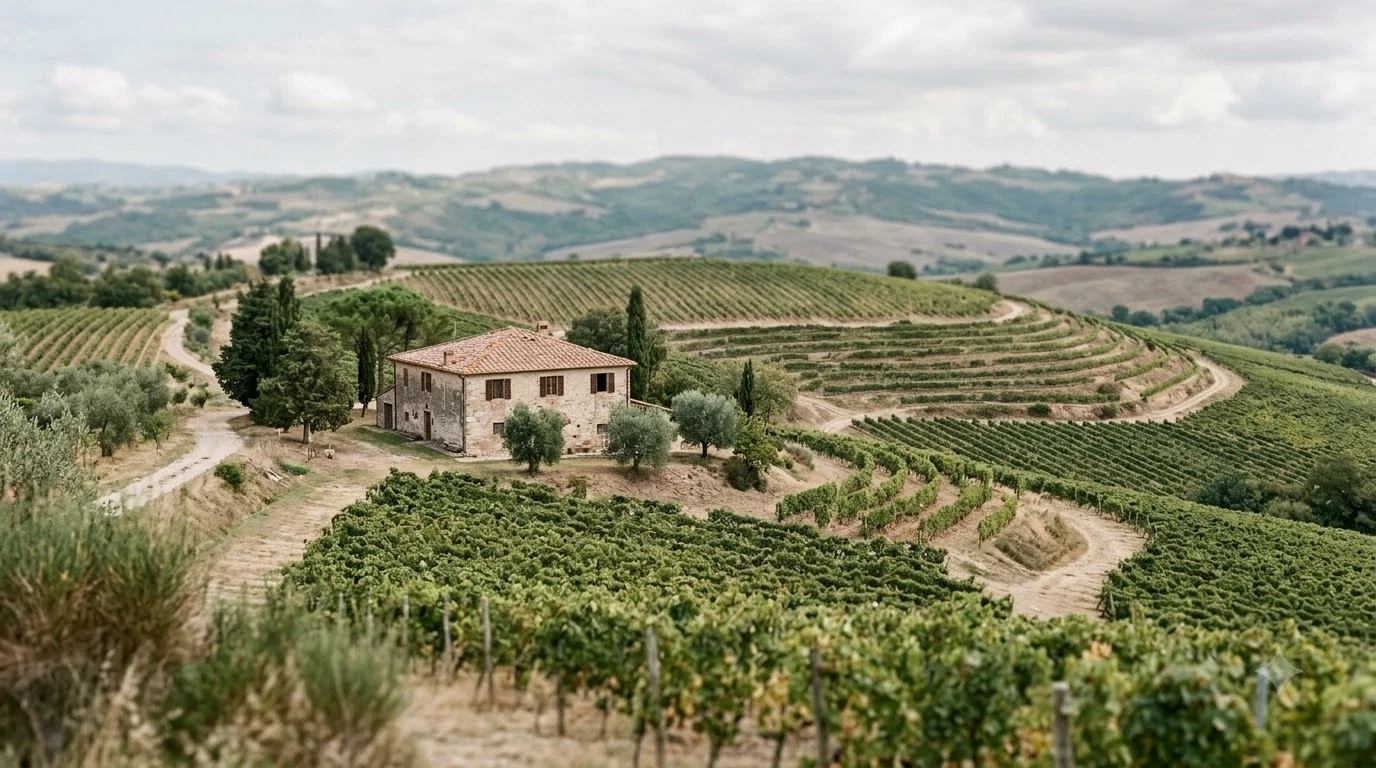
Wine Australia identifies Tasmania as a single Geographical Indication (GI), covering 68,582 square kilometers, with 2,084 hectares of vineyards in its regional snapshot. Those figures describe a large island with a comparatively compact wine industry: vineyard land is scattered rather than forming one continuous belt. Vineyards appear in the north around the Tamar River and Pipers River, along the east coast, and in valleys and coastal pockets around Hobart and farther south.
A Tasmania label can represent fruit from more than one part of the island, while a place name such as Tamar Valley or Coal River Valley points to a narrower origin. Wine Tasmania explains that the island’s vineyards are grouped into seven growing areas, but these are not seven separate legal GIs. Like the Savoie wine region or the Switzerland wine region, Tasmania shows how cooler conditions can shape freshness and site expression, although its grapes and wine rules differ.
Maritime Climate, Long Ripening, and Varied Soils
Tasmania’s wine identity begins with cool maritime conditions, long hours of sunshine, and a growing season that can be both measured and changeable. Wine Australia’s regional snapshot lists 68,582 square kilometers (26,480 square miles) for the GI, 2,084 hectares (5,149 acres) of vineyards, an altitude range of 0–1,264 meters (0–4,147 feet), a mean January temperature of 15.6°C (60°F), and 477 millimeters (18.8 inches) of growing-season rainfall.
| Measure | Regional figure | Why it matters |
|---|---|---|
| GI area | 68,582 km² (26,480 sq mi) | The island-wide Geographical Indication |
| Vineyard area | 2,084 ha (5,149 acres) | A compact, dispersed wine industry |
| Mean January temperature | 15.6°C (60°F) | A cool summer growing environment |
| Growing-season rainfall | 477 mm (18.8 in) | Water and disease pressure vary by site |
| Altitude range | 0–1,264 m (0–4,147 ft) | Elevation contributes to local variation |
The Southern Ocean, Bass Strait, and Tasman Sea moderate the island’s temperatures. Prevailing westerly winds bring cool maritime air, while long summer days and dry autumn spells allow gradual ripening without the intense heat of many Australian wine districts. Cool nights help retain acidity, contributing to moderate body, aromatic detail, and a crisp finish.
Cool conditions bring risks as well as advantages. Spring frost, humidity, wind, and seasonal rainfall can affect flowering and harvest; a cool, wet year may give firmer acidity, while a warmer, drier season can bring riper fruit and a broader palate. Growers manage canopies and disease pressure, then choose picking dates parcel by parcel.
Soils vary over short distances: sandstone and schist occur in the Derwent Valley, peaty alluvial and sandy low-humus soils in Coal River Valley, and deep, free-draining soils around Pipers River. Tamar Valley has gravelly basalt over clay and limestone. These differences affect drainage and vine vigor, helping explain why Pinot Noir can differ from one valley to another.
Seven Growing Areas and Their Local Character
Tasmania’s seven commonly recognized growing areas stretch from the northwestern coast to the southern valleys. The names help readers locate vineyards and understand local conditions, although the island’s climate and soil patterns do not stop neatly at administrative lines.

In the north, the Tamar Valley follows the Tamar River toward Launceston, while Pipers River lies farther northeast. Their soils differ—gravelly basalt over clay and limestone in the Tamar Valley, deep and free-draining around Pipers River—but both suit Chardonnay, Pinot Noir, and sparkling wine. The North West growing area adds exposed coastal sites. The East Coast stretches past St Helens toward the Freycinet Peninsula, where maritime influence, exposure, and elevation shape Pinot Noir, Chardonnay, and aromatic whites.
South of the island, Coal River Valley lies northeast of Hobart around historic Richmond, and is known for Pinot Noir, Chardonnay, and Riesling. The Derwent Valley follows the river from New Norfolk toward Hobart, with Chardonnay, Sauvignon Blanc, Riesling, and Pinot Noir. Farther south, the Huon Valley and D’Entrecasteaux Channel combine rolling hills and waterways with elegant Chardonnay and Pinot Noir.
A regional name is a starting point, not a flavor formula. Slope, elevation, soil depth, and distance from the sea can matter as much as the district; a producer may also blend vineyards to build balance. Explore the island’s Tasmania vineyards by area to see how far apart these growing sites are.
Pinot Noir, Chardonnay, Riesling, and Other Key Grapes
Pinot Noir and Chardonnay are Tasmania’s signature grapes, appearing as both still wines and the foundations of many sparkling bottlings. Riesling, Pinot Gris, and Sauvignon Blanc are also well suited to the island’s slow ripening and natural acidity, giving the region a wider range than its sparkling reputation alone might suggest.
Pinot Noir is the leading red variety. In a cool climate it tends toward light- to medium-bodied structure, delicate tannins, fragrant red fruit, and lively acidity. Strawberry, cherry, raspberry, and earthy or savory details can appear, depending on vineyard site, ripeness, and winemaking. The best examples balance ripe fruit with freshness rather than relying on weight or overt oak. Pinot Noir is also an important sparkling base grape, where it contributes structure and red-fruit character even when the finished wine is pale.
Chardonnay is a natural partner to the island’s climate. Expect crisp apple, lemon, and stone-fruit notes, supported by high natural acidity. Some wines emphasize citrus, mineral impressions, and tension; others gain texture through lees contact, barrel fermentation, or maturation in oak. Oak is a winemaking choice, not a regional requirement, so Tasmanian Chardonnay can range from lean and finely drawn to broader and more layered.
Riesling shows lime, lemon, green apple, and floral notes, with high acidity in dry or off-dry styles. Pinot Gris and Pinot Grigio are expressions of the same grape: Gris is often more textural, while Grigio tends to be lighter and citrus-driven. Sauvignon Blanc brings citrus, herbs, or grassy notes. Syrah and Cabernet Sauvignon appear in selected sites, but Pinot Noir, Chardonnay, Riesling, and sparkling wine are the best starting points for a first tasting.
Traditional-Method Sparkling and Still Wines
Tasmania is one of Australia’s most closely associated regions with traditional-method sparkling wine. More than 40% of the island’s wine is sparkling according to the Australian Wine regional profile, and the cool climate helps preserve the acidity needed for wines that undergo a second fermentation in the bottle.
Chardonnay and Pinot Noir are the principal grapes in these blends. Chardonnay contributes citrus, freshness, and fine structure; Pinot Noir can add body, red-fruit notes, and depth. Some wines use only Chardonnay, known as blanc de blancs, while blanc de noirs is made from black grapes such as Pinot Noir vinified to produce a white wine. Rosé sparkling wines may include a measured amount of red wine or use skin contact to build color and flavor, depending on the producer’s method.
Traditional-method production begins with a base wine, followed by a second fermentation in the bottle. Time on the lees can add bread dough, pastry, nut, or cream notes alongside citrus and orchard fruit; lees aging and dosage shape texture and perceived sweetness. The best examples balance those developed flavors with a lively finish.
Still wines also deserve attention: Pinot Noir is fragrant and light to medium in body, Chardonnay ranges from citrus-led to textural, and Riesling is high-acid and aromatic. Tasting one of each alongside sparkling wine gives a fuller introduction than focusing on bubbles alone.
Food Pairing and Serving Temperatures
Tasmanian wines are especially useful at the table because freshness and moderate weight suit seafood, poultry, vegetables, and lighter meat dishes. The best match depends on acidity, tannin, richness, and sweetness, rather than simply matching a wine to the region where the food comes from.
Traditional-method sparkling wine suits oysters, fried seafood, scallops, salty cheese, and crisp appetizers. Its acidity cuts through richness, while mature bottles with pastry notes can complement roast chicken or mushrooms. Serve it at 40–50°F; extreme cold can mute aroma.
Pinot Noir pairs with roast chicken, duck, mushrooms, grilled salmon, and pork. Its low-to-medium tannin is more accommodating with oily fish than a heavily tannic red; serve light reds at 55–60°F. Chardonnay suits lobster, crab, scallops, and roast poultry. Serve lighter examples at 45–50°F and fuller, oak-influenced versions at 50–55°F.
Riesling suits citrus, ginger, aromatic herbs, and moderate chili heat, especially with a little residual sweetness. Sauvignon Blanc works with goat cheese, green vegetables, and herb-driven seafood; Pinot Gris suits pork and mild curries. Match acidic foods such as vinaigrette with a wine of equal or higher acidity, and serve dessert with a wine at least as sweet as the dish.
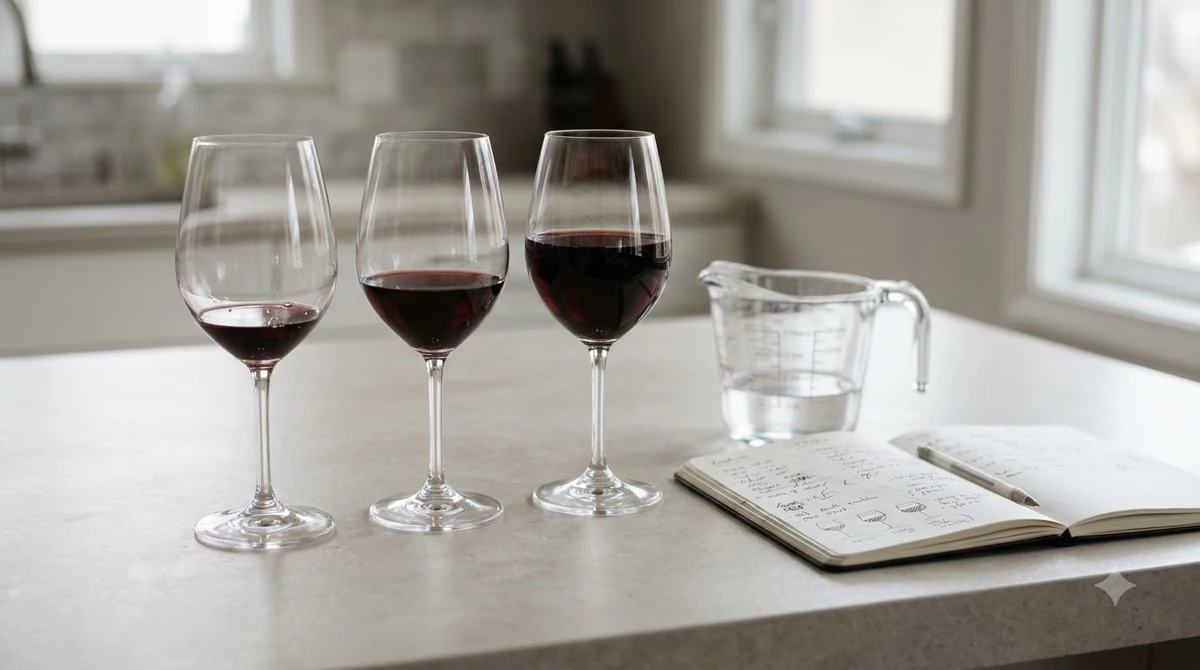
Tip: When serving a Tasmanian tasting flight, pour sparkling wine first at 40–50°F, then move to Riesling or Sauvignon Blanc at 45–50°F, Chardonnay at 50–55°F, and Pinot Noir at 55–60°F. A 5-ounce pour lets guests compare several styles without overwhelming the food or palate.
Choosing, Storing, and Exploring Tasmanian Bottles
Begin with traditional-method sparkling wine or still Pinot Noir from a producer that names its growing area; sparkling wine shows the island’s acidity and lees-derived complexity, while Pinot Noir gives a clear expression of its cool climate. Chardonnay is a useful next comparison, especially across different oak treatments.
Check the grape, wine style, vintage, and named growing area. A Tasmania-wide label may blend districts, while Tamar Valley, Pipers River, or Coal River Valley signals a more focused origin. Seasonal conditions can shift ripeness, structure, and aroma from one vintage to the next.
Store unopened bottles on their sides near 55°F, away from light and temperature swings. Refrigerate opened still wines and finish them within 3–5 days; sparkling wine is best within 1–3 days with a proper stopper. A young, concentrated red may benefit from 30–60 minutes of decanting, though many lighter Pinot Noirs need little aeration.
Plan visits by area. Coal River Valley, Derwent Valley, and Huon Valley make a practical southern itinerary around Hobart; Tamar Valley and Pipers River suit a northern trip near Launceston. Treat the East Coast as a separate coastal leg. Wine South Tasmania’s regional directory can help organize southern stops, while the site’s Wine Regions collection explains how place shapes wine style.
Frequently Asked Questions
These answers add historical and geographic context to the grapes, styles, and growing areas covered above. They also explain why the island’s wine calendar and vintage character can differ from mainland Australia.
When was Tasmania’s first recorded vineyard planted?
Wine Tasmania records the first vineyard in 1823, and it notes that Australia’s first sparkling wine was made on the island in 1826. A Tasmanian wine was also shown at an exhibition in Paris in 1848, decades before the modern industry took shape.
When did modern Tasmanian winemaking return?
Wine Tasmania describes a revival beginning in the 1950s, when European migrants recognized similarities between the island’s climate and soils and those of established cool-climate wine areas. Wine Australia characterizes renewed commercial interest as gathering pace again in the late 1970s, an important step toward the modern industry.
How many vineyards and cellar doors are in Tasmania?
Wine Tasmania’s published overview gives approximate figures of 414 individual vineyards and 90 cellar door outlets. It also lists about 156 licensed wine producers, showing how many small and medium-sized businesses make up the island’s wine community.
When does the Tasmanian grape harvest usually take place?
Wine Tasmania says vintage usually starts around mid-March and can continue into late May. The exact timing varies by season, site, and grape, so Chardonnay for sparkling wine and later-ripening red parcels do not necessarily reach picking maturity together.
Why can two vintages from the same Tasmanian winery taste different?
The island’s maritime conditions create marked seasonal variation, including changes in spring frost risk, rainfall, temperature, and harvest weather. Wine Tasmania notes that vintage variation is greater here than in any other Australian wine region, which is why tasting the same producer across several years can be especially revealing.
Tasmania rewards drinkers who value freshness, fine detail, and a clear sense of place. Begin with traditional-method sparkling wine, Pinot Noir, and Chardonnay, then compare Riesling and wines from different growing areas to see how a small island can produce a wide range of cool-climate expressions.
More in Wine Regions
 Willcox Wine Trail: Discover Arizona’s High-Elevation Wine CountryUpdated Nov 20, 2026
 Yakima Valley Wine Region: Find the Best Styles to TryUpdated Nov 20, 2026
 Vosne Romanee Wine Tasting: Identify Aromas and Choose Better PairingsUpdated Nov 20, 2026
 Yakima Valley Wine Festival: Find the Best Seasonal Wine EventsUpdated Nov 20, 2026
 Wales Vineyards: Discover Cool-Climate Wines and Where to VisitUpdated Nov 20, 2026
 Yountville Wine Festival: Discover Napa Wines and Local FoodUpdated Nov 20, 2026