

We may earn a commission when you buy through links on this page, at no extra cost to you. Learn more.
Tasmania wine comes from a cool maritime island at the southern edge of Australia, and it is best known for pinot noir, chardonnay and sparkling wine. Pinot noir is the largest single variety in the state’s vineyards, followed by chardonnay and sauvignon blanc. The region’s reputation rests on its cool climate, which gives the grapes long, even ripening and keeps acidity high.
This guide explains where Tasmania’s vineyards are, which grapes dominate, how the climate shapes the wines, and what to look for when you visit the cellar doors or buy a bottle. It is written for readers who are new to the region and want a clear starting point.
What Makes Tasmania Wine Different
Tasmania is one of the oldest wine regions in Australia. According to the Wikipedia overview of Tasmanian wine, vines were planted there early in the colonial period, and Tasmanian cuttings helped start vineyards in Victoria and South Australia. Its early plantings were among the first Australian vineyards to be planted, and the island’s sites have since been developed for cool-climate varieties.
The island’s wine identity is closely tied to its latitude and sea influence. Vineyards are spread across valleys and coastal fringes rather than one large flat plain, so each site has its own exposure, soil and wind pattern. That variety is why Tasmania is often described as a patchwork of small sub-regions rather than a single wine area.
Climate and Growing Conditions
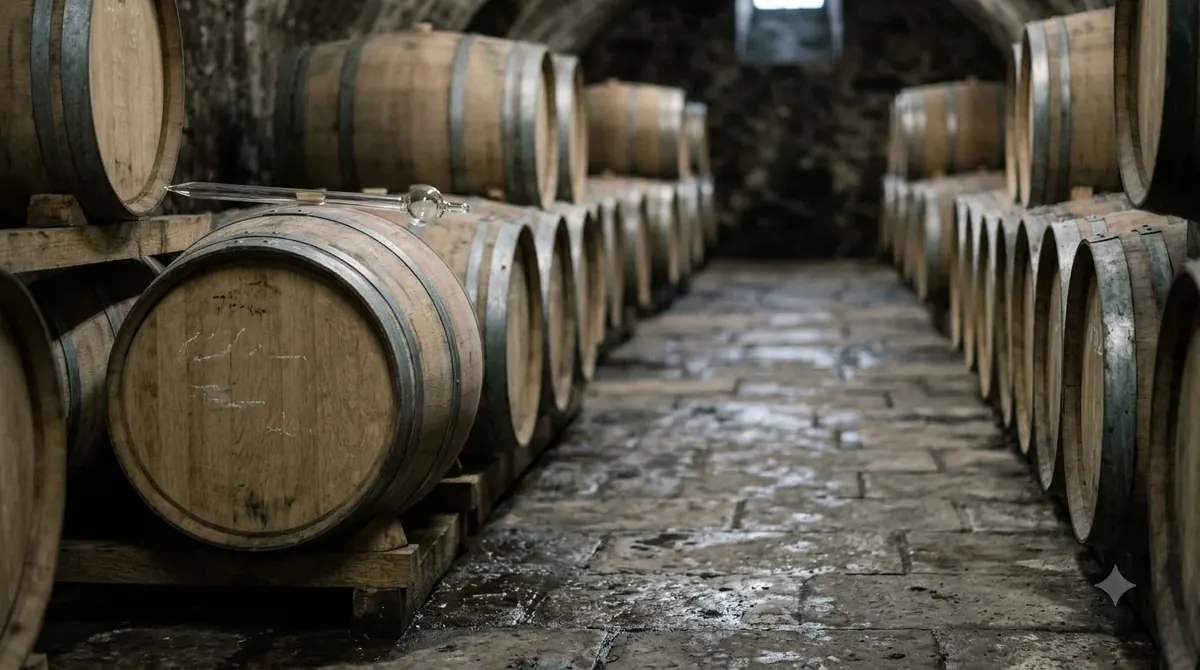
Tasmania has a cool maritime climate with strong winds, and many vineyards use windbreaks or shelter screens to protect the vines. The harvest usually starts around April, which is later in the calendar than in many mainland Australian regions. Wine Tasmania, the state industry body, describes the island as a leading producer of premium cool-climate wines and notes that growers plant along waterways where the water moderates temperatures and helps protect vines from frost.
Cool conditions slow ripening, so grapes keep more natural acidity and develop flavor over a longer season. Growers have also reported that warmer seasons in recent decades have helped fruit ripen fully, which has improved the consistency of some vintages. Rocky outcrops and windy hilltops can make vineyard work harder, and that tends to produce smaller crops of concentrated fruit.
Main Grape Varieties
Pinot noir and chardonnay lead the plantings, and they account for the bulk of the state’s still wine and sparkling base wine. Sauvignon blanc, pinot gris and riesling follow, with smaller plantings of cabernet sauvignon, merlot and gewurztraminer. The table below gives the approximate share of production for the main varieties, based on the figures reported for the state.
| Variety | Approximate share of production | Typical style in Tasmania |
|---|---|---|
| Pinot noir | About 44% | Red with red fruit, fine structure and savory notes |
| Chardonnay | About 23% | White, from crisp and lean to creamy when barrel aged |
| Sauvignon blanc | About 12% | Aromatic white with citrus and herbal character |
| Pinot gris | About 11% | Textural white with pear and spice notes |
| Riesling | About 5% | Dry to off-dry white with high acidity and lime flavors |
Sparkling wine deserves its own mention. Tasmania supplies grapes to several sparkling houses, and the cool climate suits the high acidity needed for traditional-method bottlings. Because much of the base fruit is pinot noir and chardonnay, Tasmanian sparkling wines often share a crisp, fine-bubbled profile with the best cool-climate examples from elsewhere.
Sub-regions to Know
Tasmania is usually described through a set of named sub-regions. Each has a different feel, and knowing them helps when you read a label or plan a trip. The North West, Tamar Valley, Pipers River, East Coast, Coal River Valley, Derwent Valley and Huon Valley are the names most often used in regional descriptions.
The Tamar Valley and Pipers River sit in the north of the island. The Coal River Valley and the Freycinet Peninsula on the East Coast are noted for their potential for red wine. The Derwent Valley, closer to Hobart, and the Huon Valley in the south add to the island’s range of sites. Sub-regional labels are not always printed on bottles, so check the back label or the producer’s website for the vineyard location.
Wine Trails and Cellar Doors
Tasmania organizes its cellar doors into regional trails, and the Tamar Valley Wine Trail is one of the best known. Wine Tasmania notes that the state has four wine trails, and cellar doors range from converted heritage stables to ultra-modern tasting rooms. Visitors can usually speak directly with the people who grow the grapes and make the wine, which is one of the main reasons people plan a visit around the island’s wine country.
Wine Tasmania also reports that its voluntary members represent more than 95 percent of the island’s wine production, so a visit to a member cellar door covers most of what the region makes. Stanley, on the north-west coast, is home to a wine bar that won a 2026 Tasmanian wine list award, a sign of how the island’s dining scene has grown alongside its cellar doors. If you plan a trip, group cellar doors by trail to save driving time, and book ahead for small producers that run limited tastings.
How to Choose a Tasmanian Wine
Tasmania’s wines suit several kinds of drinkers, and the best starting point depends on what you already enjoy. Readers who like light to medium red wines with bright fruit and fine tannins will usually find pinot noir a comfortable entry point. Readers who prefer dry white wines with a clean finish can start with chardonnay or sauvignon blanc, while readers who want something for a celebration can look at sparkling wine made from the same cool-climate fruit.
Serving temperature matters for these styles. Pinot noir is generally served a little cooler than a warm-climate red, which helps keep its fruit lively, and white wines are usually poured chilled rather than ice cold so that aromas can open. Sparkling wine works well as an aperitif and pairs with simple foods such as oysters, soft cheese and fried dishes, though pairing preferences are personal and the best match is the one you enjoy.
Start with the variety you already know. A bottle of Tasmanian pinot noir shows how the cool climate changes a familiar grape, while a Tasmanian chardonnay can show more tension than many warm-climate versions. Sparkling wine is a good entry point for people who want something celebratory and crisp.
Read the label for the vintage, the variety and the vineyard or region. Many Tasmanian producers list the sub-region because it signals the site’s climate. Stock varies between producers and between seasons, so a bottle you enjoy may not be on the shelf every year. Specialist shops and the producer’s own cellar door or mailing list are the most reliable places to find a specific wine.
Tip: If you are new to Tasmanian wine, try a pinot noir and a sparkling wine from different sub-regions in the same tasting. The contrast shows how much the site changes the finished wine.
Frequently Asked Questions
What is Tasmania best known for in wine?
Tasmania is best known for cool-climate pinot noir, chardonnay and sparkling wine. Its cool maritime climate keeps acidity high and gives the grapes a long, even ripening period.
Which grape is grown most in Tasmania?
Pinot noir is the most planted variety, accounting for roughly 44 percent of production according to the figures summarized on Wikipedia. Chardonnay is second.
When is the harvest in Tasmania?
The harvest typically begins around April. Because the climate is cool, the season tends to run later than in many mainland Australian regions.
Is Tasmanian wine easy to find outside the island?
Availability depends on the producer and the vintage. Many Tasmanian wines are sold through specialist retailers and direct from the cellar door, so checking a producer’s own website is often the most direct route.
Tasmania offers a clear window into cool-climate winemaking. Start with pinot noir or sparkling wine, look for the sub-region on the label, and use a visit to the cellar doors to compare sites. For a wider view of how regions differ, see the guide to Wine Regions, or compare a cooler island trail with the Illinois wine trail to see how climate changes the approach to visiting a wine region.
More in Wine Regions
 Willcox Wine Trail: Discover Arizona’s High-Elevation Wine CountryUpdated Nov 20, 2026
 Yakima Valley Wine Region: Find the Best Styles to TryUpdated Nov 20, 2026
 Vosne Romanee Wine Tasting: Identify Aromas and Choose Better PairingsUpdated Nov 20, 2026
 Yakima Valley Wine Festival: Find the Best Seasonal Wine EventsUpdated Nov 20, 2026
 Wales Vineyards: Discover Cool-Climate Wines and Where to VisitUpdated Nov 20, 2026
 Yountville Wine Festival: Discover Napa Wines and Local FoodUpdated Nov 20, 2026