

We may earn a commission when you buy through links on this page, at no extra cost to you. Learn more.
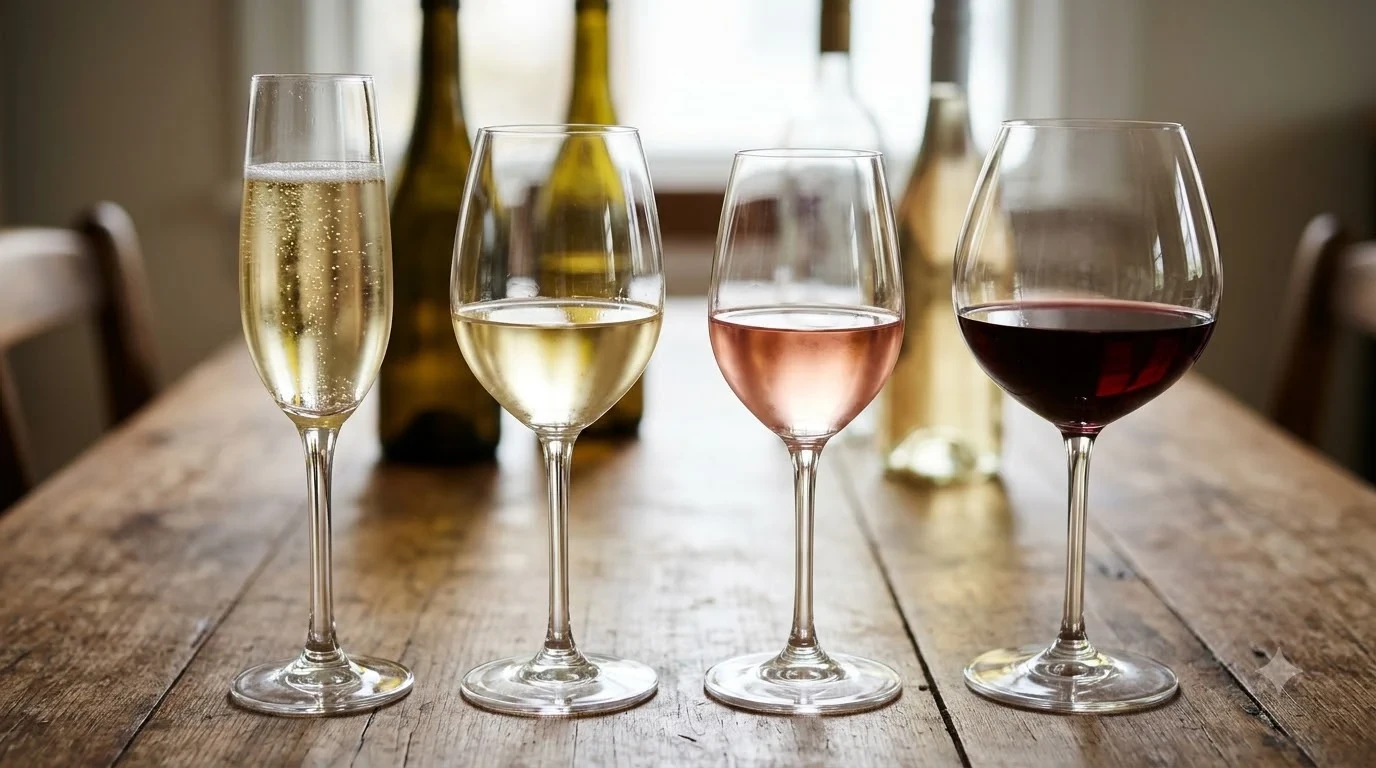
Snake River Valley wine is high-desert wine from southwestern Idaho and a small part of eastern Oregon, shaped by sunny days, cool nights, and a wide mix of red and white grapes. The region is best known for expressive Riesling, Syrah, Merlot, Cabernet Sauvignon, and Rhône-inspired blends, but it also produces Viognier, Chardonnay, Tempranillo, and other varieties. Its altitude and dry continental climate help preserve freshness while allowing grapes to reach ripe, concentrated flavors.
For wine drinkers, the appeal is variety rather than one rigid house style. A bottle from the Snake River Valley can be crisp and aromatic, deeply colored and structured, or generous and softly textured. Learning a little about the landscape, grapes, and subregions makes it easier to choose a bottle and understand why Idaho has become an important part of the Pacific Northwest wine map.
A Large AVA Across Idaho and Eastern Oregon
The Snake River Valley American Viticultural Area (AVA) is a large, high-elevation wine region whose boundaries cross southwestern Idaho and eastern Oregon. It was approved in April 2007, covers approximately 8,000 square miles, and includes vineyards commonly situated between 2,500 and 3,000 feet above sea level, according to Oregon Wine.
The AVA follows a broad landscape rather than a single riverbank. Idaho contains the densest concentration of vineyards and wineries within the designation; Oregon’s portion has comparatively few vineyards. A bottle labeled Snake River Valley may come from either side of the state line, although most of the region’s wine activity is centered in Idaho.
Wine growing in Idaho has deeper roots than the AVA’s relatively recent designation suggests. The Idaho Wine Commission records grape plantings in Lewiston in 1864, followed by a long interruption associated with Prohibition. Wine grapes were planted again in southern Idaho in 1970, and the Snake River Valley became the state’s first AVA in 2007. The designation gave growers and wineries a recognized regional identity, but it did not create the area’s wine culture from scratch.
An AVA identifies a defined grape-growing area; it does not prescribe one grape or flavor profile. For more on American appellations, see our introduction to Wine Regions.
High Desert Weather and Ancient Geology Shape the Grapes
Warm, sunny growing days and cool nights are the defining climatic combination in the Snake River Valley. Oregon Wine describes a typical day-to-night temperature swing of 30 to 40 degrees Fahrenheit, while the Idaho Wine Commission notes that nighttime temperatures in some growing areas can fall 20 to 30 degrees after hot days.
That daily change helps explain how the region can produce ripe fruit without losing all of its natural acidity. Sunlight supports sugar development, while cooler nights slow acid loss and help maintain aromatic detail. Vineyard exposure, harvest timing, grape variety, and cellar decisions still determine the final style.
Vineyards at roughly 2,500 to 3,000 feet experience strong sun and temperature changes. The region sits more than 400 miles from the Pacific Ocean’s moderating influence, according to Oregon Wine, and has a four-season continental climate. Cold winters allow vines to become dormant, while the shorter growing season makes site and variety choice important.
The soils reflect a long geological history. The Idaho Wine Commission describes ancient volcanic sediment associated with former Lake Idaho; Wine Enthusiast traces the valley’s dark, loamy soils to volcanic activity and later floodwaters. Soil changes across this large AVA, so vineyard drainage, slope, and local geology vary rather than forming one uniform terroir.
The Grapes That Define the Valley
The Snake River Valley grows familiar international varieties alongside grapes less common in many American regions. Start with Riesling, Chardonnay, Viognier, Syrah, Merlot, and Cabernet Sauvignon; Tempranillo and Rhône grapes show the range growers are exploring. The Idaho Wine Commission’s guide to Idaho’s top wine varieties has more detail.
Viognier suits drinkers who like aromatic whites with a fuller texture. It needs warmth to ripen without becoming heavy, and Idaho’s growing conditions can support a lush, soft style. Together, Riesling, Chardonnay, and Viognier offer high-acid aromatics, fruit-forward versatility, and a perfumed, broad texture. Riesling is one of Idaho’s most prolific white grapes, with 105 acres devoted to it statewide in the commission’s figures; cool nights help retain acidity, and wines can show rose and honeysuckle aromas with peach and lime flavors. Some late-harvest fruit becomes ice wine. Chardonnay is Idaho’s fourth-most-planted variety overall, with local examples showing citrus, peach, and melon; it is also used for sparkling wine.
Among reds, Merlot is Idaho’s most planted red grape, with more than 90 acres statewide. Its profile can include black cherry, cedar, and vanilla, with softer tannins than Cabernet Sauvignon. Cabernet Sauvignon brings more structure and acidity; Syrah, Idaho’s third-most-planted red variety, can show black pepper and violet. Cabernet Franc adds a brighter, often herbal option, while Tempranillo connects the region’s varieties with Spain.
Some producers blend Grenache and Mourvèdre with Syrah in GSM wines. A Wine Enthusiast profile of the region describes these Rhône-inspired blends as popular and names Telaya, Cinder, and Split Rail among wineries associated with them. The variety is the point: warm sites ripen later grapes, while elevation and cool nights support whites and preserve structure in reds.
From Aromatic Whites to Structured Reds
No single flavor defines every Snake River Valley bottle. Expect a balance of ripe fruit and freshness, with the details shaped by grape, site, and winemaking choices.
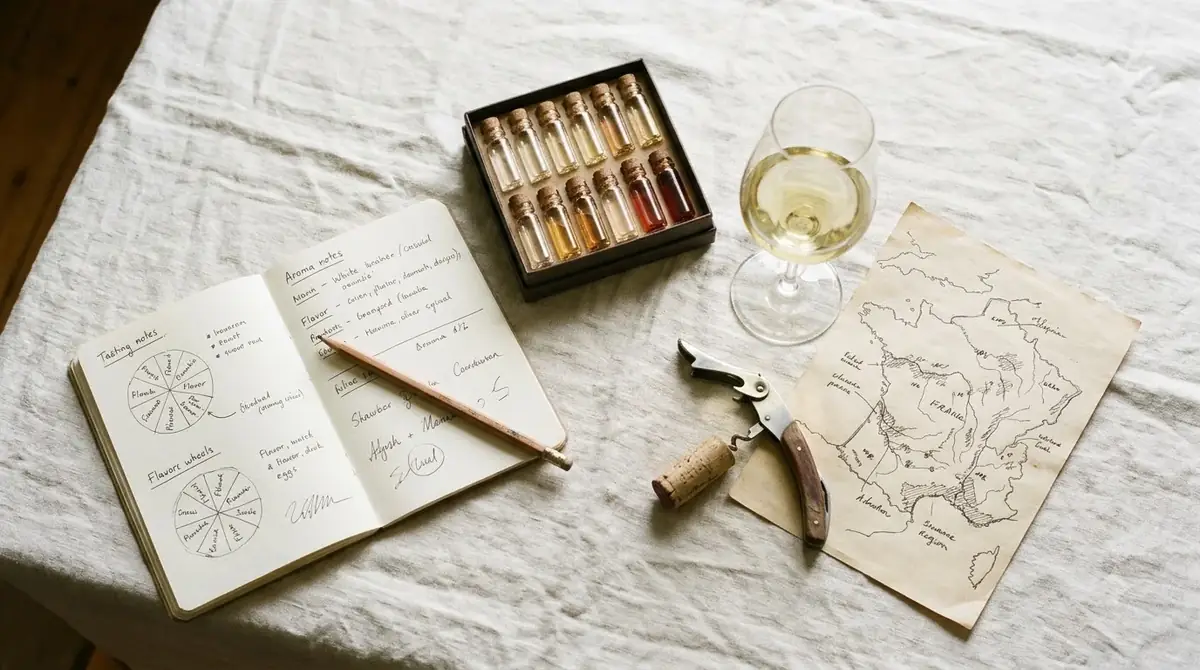
White wines often show orchard and stone fruit. Riesling may bring lime, peach, floral notes, and lively acidity; Chardonnay ranges from crisp citrus to rounder melon and peach; Viognier is more aromatic and full in texture. Dry Riesling works as an aperitif or with spicy food, while off-dry or late-harvest examples suit sweeter dishes and dessert.
Reds are just as varied. Merlot is softer and fruit-led; Cabernet Sauvignon is firmer and more tannic. Syrah can show dark fruit with pepper or floral accents. GSM blends combine Grenache fruit, Syrah structure and spice, and Mourvèdre’s savory character. Tempranillo often works with grilled meats and paprika-seasoned dishes. Oak and extraction also shape the result: stainless-steel fermentation can preserve fresh fruit, while barrel aging adds spice, toast, and texture. A warmer vintage or later harvest may give a wine a rounder feel; a cooler site or earlier picking can emphasize freshness. Compare two wines from the same grape rather than assuming every regional example tastes alike.
That range can make Snake River Valley wines a useful discovery for people who already enjoy wines from other regions. Someone who likes Russian River Valley wine tasting for expressive Pinot Noir and Chardonnay might find Idaho Chardonnay an interesting point of comparison, although the inland climate produces a different balance. Fans of Santa Ynez Valley wine may also recognize the appeal of Rhône varieties, while finding a distinct high-desert expression in Idaho.
Subregions, Wine Trails, and Tasting Stops
Most visitors use Boise as a starting point before heading toward the western Treasure Valley and Sunnyslope. The route offers two distinct ways to taste: urban rooms close to the city and vineyard stops farther west.
Garden City offers a different rhythm: its tasting rooms are close to Boise and the Boise Greenbelt, with several wineries pouring Snake River Valley wines in an urban setting. It is practical for a short visit or for comparing producers in one district. Combining city and vineyard visits gives a fuller picture than choosing only one setting. The Sunnyslope area sits along the western edge of the Snake River Valley AVA and is recognized by the Idaho Wine Commission as a regional wine destination. Caldwell and nearby communities are useful bases for visiting tasting rooms, farm wineries, and vineyards. The landscape is part of the experience, with open high-desert terrain, the Snake River corridor, and views toward the Owyhee Mountains.
For a first itinerary, plan two or three tasting appointments in one area rather than trying to cover the entire AVA. Driving distances can be longer than a map suggests, so check opening arrangements with each tasting room, especially small producers that require appointments. Leave time for food and a relaxed drive between stops. Ask whether a wine is made from estate fruit or sourced elsewhere in Idaho, and whether the producer has a current Riesling, Syrah, or Rhône blend; these questions connect the glass to a vineyard or winemaking decision. Readers comparing emerging American wine areas may also enjoy Yadkin Valley wine country, where a different climate shapes another regional identity.
Food Pairings That Work With Snake River Valley Wines
Pair food and wine at similar levels of intensity. Match sweetness with sweetness, use crisp acidity to balance rich or acidic dishes, and remember that salt and fat soften red-wine tannin.
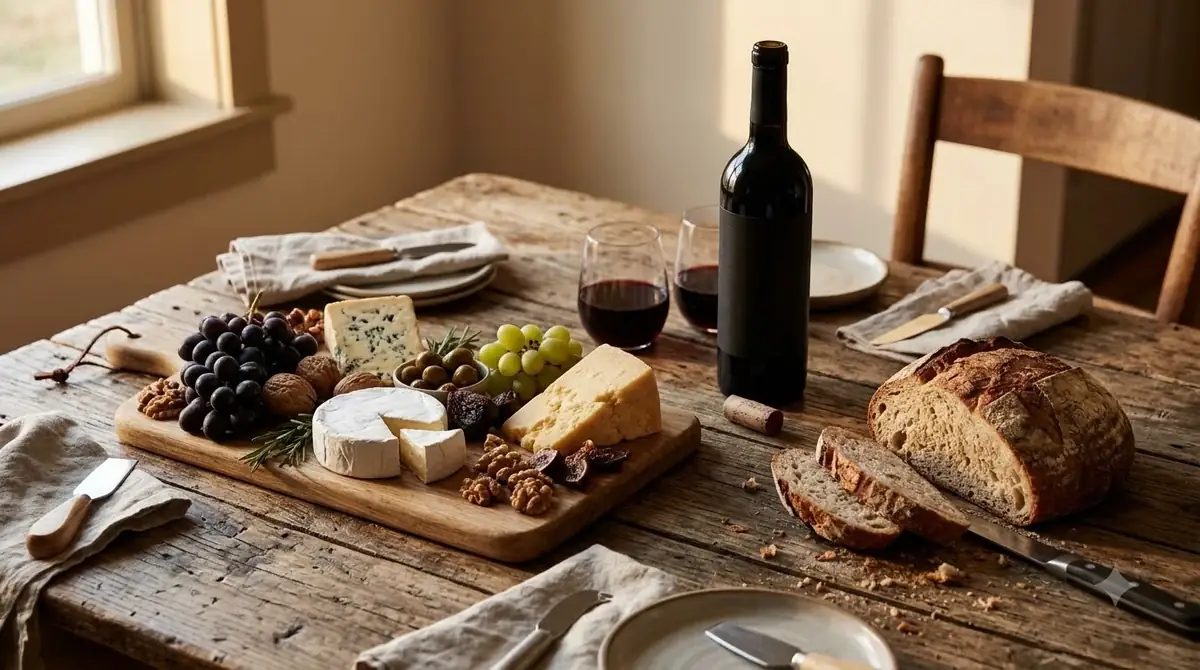
Riesling suits spicy fish tacos, glazed salmon, or dishes with ginger and a touch of sweetness. A dry, high-acid style cuts through richness, while an off-dry version can balance heat. Chardonnay pairs with roasted poultry, baked Brie, or simply prepared fish; a barrel-aged style can stand up to creamier sauces. Viognier’s aromatics work with grilled pork, coconut shrimp, and mildly spiced dishes. Merlot suits smoked ribs, mushrooms, and roast chicken. Cabernet Sauvignon needs flavorful, fatty foods such as grilled beef, while Syrah and GSM blends pair with lamb, grilled vegetables, and savory herbs.
| Wine style | Pairing idea | Serving range | Why it works |
|---|---|---|---|
| Dry Riesling | Spicy fish tacos | 45–50°F | High acidity refreshes the palate; a touch of residual sweetness can soften heat |
| Chardonnay | Roast chicken or baked Brie | 50–55°F | Medium acidity and a broad texture suit savory, creamy foods |
| Viognier | Apricot-glazed pork | 50–55°F | Aromatic fruit complements the glaze and the wine’s fuller body meets the dish |
| Merlot | Smoked ribs or mushroom ravioli | 55–60°F | Softer tannins work with savory flavors without overwhelming them |
| Cabernet Sauvignon | Grilled ribeye | 60–65°F | Protein and fat soften firm tannins; deep flavors match the wine’s structure |
| Syrah or GSM | Herb-roasted lamb | 60–65°F | Dark fruit, spice, and savory notes echo the herbs and browned meat |
Very hot chili can feel hotter with alcoholic, tannic reds. Oily fish can clash with tannic red wine, so choose a crisp white or lighter red. With a sweet sauce, select wine at least as sweet as the dish or it may taste thin.
Serving, Choosing, and Storing a Bottle
Serve wine cool enough to show freshness without suppressing its aromas. Light whites and rosé suit 45 to 50 degrees Fahrenheit, fuller whites 50 to 55 degrees, lighter reds 55 to 60 degrees, and full-bodied reds 60 to 65 degrees.
For Snake River Valley bottles, Riesling generally suits 45 to 50 degrees; fuller Chardonnay and Viognier, 50 to 55 degrees; Merlot and Pinot Noir, 55 to 60 degrees; and Cabernet Sauvignon and Syrah, 60 to 65 degrees. Sparkling wines are best at 40 to 50 degrees and sweet whites around 43 to 50 degrees. Choose by grape and preferred style: start with Riesling for crisp whites, Merlot for softer reds, Cabernet Sauvignon for more grip, or Syrah for savory spice. A blend can show how several varieties work together.
Tip: For a first comparison, open a Snake River Valley Riesling and a Syrah at the same meal. Serve the Riesling at 45 to 50 degrees Fahrenheit and the Syrah at 60 to 65 degrees, then notice how acidity, tannin, and serving temperature change the experience.
Store bottles on their sides in a cool, dark place near 55 degrees Fahrenheit. Refrigerate opened still wines and finish them within three to five days; sparkling wine generally keeps for one to three days with a stopper. A 750-milliliter bottle yields about five 5-ounce pours. Young, full-bodied reds such as Cabernet Sauvignon or firm Syrah may benefit from 30 to 60 minutes in a decanter; lighter reds and aromatic whites usually need less air. Pour a sample, let it settle, and return to the glass after a few minutes.
Frequently Asked Questions
What does AVA mean on a Snake River Valley wine label?
AVA stands for American Viticultural Area, a federally recognized grape-growing region defined by geographic or climatic features. The designation helps identify where grapes were grown; it does not guarantee a particular grape variety, production method, or quality level. It is a geographic indication rather than a style classification.
Are there own-rooted grapevines in the Snake River Valley?
Yes. Wine Enthusiast reports that some Idaho vines remain on their own roots rather than being grafted onto phylloxera-resistant rootstock. Cold winters can suppress phylloxera, the root-feeding pest that led many other wine regions to rely on grafted vines. Own-rooted plantings are unusual in many established wine-growing areas, although they are not universal across Idaho.
Is Eagle Foothills a separate AVA?
Yes. Eagle Foothills was established in 2015 and sits entirely within the larger Snake River Valley AVA. It is the only Idaho AVA located completely inside the state, and its foothill slopes are valued for sunlight exposure and cold-air drainage. Its separate boundary recognizes local conditions within the much larger parent region.
How does the region’s latitude compare with European wine areas?
The Snake River Valley is commonly compared with wine regions between 43 and 46 degrees north latitude. Idaho Wine Commission materials compare its latitude with the Rhône region in France and Rioja in Spain. Latitude is only one influence on climate, so altitude, continental weather, soils, and distance from the ocean still create a distinctly inland growing environment.
Which Idaho winery first opened after Prohibition?
The Idaho Wine Commission’s history timeline identifies Garden of Eaves, owned and operated by Gregory Eaves, as the state’s first winery to open after Prohibition, in 1935. Chateau Juliaetta followed in 1972 in Troy, producing wine from the hybrid grape Chelois and purchasing fruit from local growers. These dates show that Idaho’s modern wine revival began well before the Snake River Valley received AVA status.
Snake River Valley wine rewards curiosity: its high-desert setting supports crisp whites, aromatic varieties, structured reds, and blends with real regional character. Start with Riesling, Merlot, or Syrah, then compare producers and vineyard areas to find the styles that suit your table.
More in Wine Regions
 Willcox Wine Trail: Discover Arizona’s High-Elevation Wine CountryUpdated Nov 20, 2026
 Yakima Valley Wine Region: Find the Best Styles to TryUpdated Nov 20, 2026
 Vosne Romanee Wine Tasting: Identify Aromas and Choose Better PairingsUpdated Nov 20, 2026
 Yakima Valley Wine Festival: Find the Best Seasonal Wine EventsUpdated Nov 20, 2026
 Wales Vineyards: Discover Cool-Climate Wines and Where to VisitUpdated Nov 20, 2026
 Yountville Wine Festival: Discover Napa Wines and Local FoodUpdated Nov 20, 2026