

We may earn a commission when you buy through links on this page, at no extra cost to you. Learn more.
The hondarrabi zuri grape is a high-acid white wine variety native to Spain’s Basque Country, where it serves as the primary grape behind crisp, lightly sparkling Txakoli wines. Grown almost exclusively along the cool, rain-soaked coastline of northern Spain, it produces pale, citrus-driven wines with low alcohol levels typically ranging from 9.5% to 12% ABV. Most bottles are meant to be drunk young, chilled to 38°F to 45°F, and paired with fresh seafood or salty small plates.
Pronounced roughly “ohn-dah-RAH-bee ZOO-ree,” this historic Atlantic variety nearly vanished in the twentieth century before a wave of modern Basque winemakers revived it. Today, it anchors one of Spain’s most distinctive regional wine styles, prized for its bracing freshness, subtle spritz, and unmistakable coastal minerality. Whether you encounter it poured from a height in a San Sebastián tapas bar or listed on a local wine shop shelf, understanding what makes this grape tick helps you pick and serve the right bottle.
What Is the Hondarrabi Zuri Grape?
The hondarrabi zuri grape is an indigenous Vitis vinifera white variety cultivated in northern Spain’s Basque Country, genetically identical to the French variety Courbu Blanc. Its name translates from the Basque language as “white grape of Hondarribia,” referencing a historic coastal town near the French border where vines have grown for centuries.
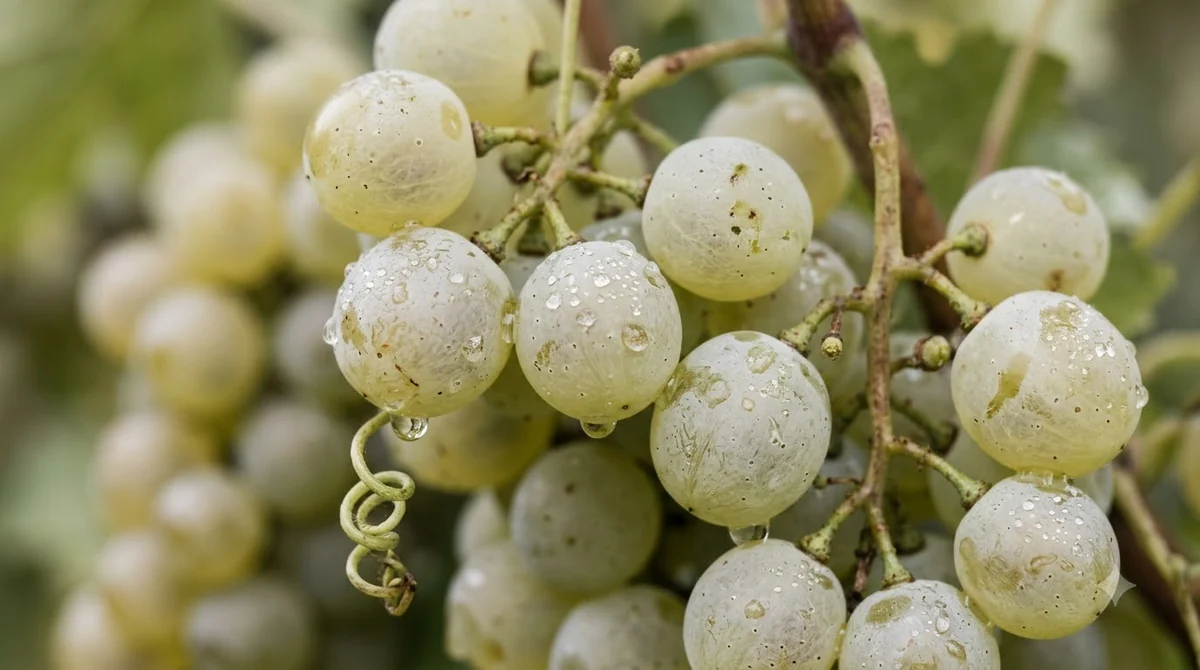
In the vineyard, the vine produces small, compact bunches of thick-skinned, golden-green berries that bud relatively late in the spring, helping protect the crop from early frosts. Despite reliable fertility, the small berries yield comparatively low volumes of juice upon pressing, which concentrates their tart malic and tartaric acids. Because the Basque coast receives heavy annual rainfall and cool ocean breezes from the Bay of Biscay, the grape ripens slowly and retains sharp natural acidity even at full maturity.
While the grape suffered a steep decline in the mid-1900s—shrinking to a small fraction of its historical plantings—the establishment of protected Denominations of Origin starting in the late 1980s sparked a major comeback. Worldwide cultivation remains remarkably compact, totaling roughly 700 hectares centered almost entirely in northern Spain. Unlike widely traveled Spanish varieties such as the airen grape, which covers vast stretches of central Spain, this coastal specialist stays firmly rooted in its maritime homeland.
Flavor Profile and Wine Styles
Wines made from the hondarrabi zuri grape are bone-dry, light-bodied, and defined by vibrant citrus, green apple, and saline mineral flavors balanced by a gentle effervescence. Reviewers at Wine-Searcher note that these citrus-tinged whites carry distinct herbal and mineral inflections alongside subtle petillance.
In its classic, young expression, the wine pours a pale straw color with faint greenish glints and releases aromas of Meyer lemon, underripe pear, white blossoms, and wet stone. Winemakers typically ferment the juice in temperature-controlled stainless steel tanks and bottle it early to trap a small amount of natural dissolved carbon dioxide. That residual gas gives the wine a delicate prickle on the tongue without turning it into a full-fledged sparkling wine, setting it apart from sweeter, fully frizzante reds like the brachetto grape.
A growing number of Basque estates also craft more ambitious, cellar-worthy styles that showcase the grape’s structural depth. By aging the wine on its fine lees in stainless steel, concrete eggs, or neutral oak foudres—and skipping the traditional spritz—producers create textured, medium-bodied whites with notes of baked pineapple, white peach, dried herbs, and crushed oyster shell. Rare traditional-method sparkling bottlings and late-harvest expressions also exist in small quantities, proving the variety can perform beyond simple café pours.
Where Hondarrabi Zuri Grows
Nearly all commercial plantings of the hondarrabi zuri grape sit within three official Basque wine appellations in northern Spain: Getariako Txakolina, Bizkaiko Txakolina, and Arabako Txakolina. Each Denomination of Origin (DO) shapes the grape’s character through subtle shifts in elevation, coastal exposure, and permitted blending partners.
Getariako Txakolina, hugging the steep coastal hillsides of Gipuzkoa province between San Sebastián and Bilbao, is the oldest and most famous of the three zones. Here, vineyards trained on high pergolas or trellises face the Cantabrian Sea, capturing cooling winds that yield the lightest, most saline, and spritziest expressions, typically bottled at 10.5% to 11.5% ABV. Producers such as Txomin Etxaniz, Ameztoi, Bodega K5, and Bodega Hiruzta lead this coastal appellation, often bottling pure varietal wines or blending in small amounts of red Hondarrabi Beltza.
Further west around Bilbao lies Bizkaiko Txakolina, where slightly warmer inland valleys and varied clay-limestone soils allow the grape to reach slightly higher ripeness and fuller body. Winemakers here frequently blend it with Hondarrabi Zuri Zerratia (Petit Courbu) and Mune Mahatsa (Folle Blanche), with estates like Bodegas Itsasmendi and Gorka Izagirre earning acclaim for structured, lees-aged styles. The youngest appellation, Arabako Txakolina, lies further inland in Álava province at higher elevations, producing crisp, floral whites with bright acidity from estates such as Señorío de Astobiza.
| Appellation (DO) | Location & Climate | Typical Wine Style | Notable Producers |
|---|---|---|---|
| Getariako Txakolina | Steep coastal slopes on the Bay of Biscay; cool and wet | Lightest, high-acid, noticeably spritzy, marked sea-spray salinity | Txomin Etxaniz, Ameztoi, Bodega Hiruzta, Bodega K5 |
| Bizkaiko Txakolina | Coastal hills and warmer valleys around Bilbao | Slightly richer and rounder, often still or lees-aged | Bodegas Itsasmendi, Gorka Izagirre, Doniene Gorrondona |
| Arabako Txakolina | Inland, higher-elevation vineyards in northern Álava | Crisp, aromatic, orchard-fruit driven, moderate body | Señorío de Astobiza, Bat Gara |
How to Serve Hondarrabi Zuri
Serve wines made from the hondarrabi zuri grape well chilled, ideally between 38°F and 45°F (3°C to 7°C), in a standard white wine glass with no decanting required. According to Wine Folly, keeping young Txakoli cold preserves its snappy acidity and delicate effervescence right up to the final sip.
In the Basque Country, bartenders famously pour young Getariako Txakolina from several inches above the glass—a technique known as escanciar—using a special perforated stopper. Dropping the wine from a height aerates the liquid, wakes up shy citrus and floral aromatics, and whips the dissolved carbon dioxide into a lively, short-lived foam. At home, you do not need acrobatic bar skills; pouring cleanly from six to eight inches above a wide-bowled glass achieves the same aromatic lift without spilling a drop.
If you open a still, lees-aged, or barrel-fermented bottling from Bizkaiko or Arabako Txakolina, treat it closer to a fine white Burgundy or dry Riesling. Let the bottle warm slightly toward 46°F to 50°F (8°C to 10°C) so its riper stone-fruit, herbal, and savory notes can open up in the glass. Exploring how serving temperature transforms different Wine by Type will help you get the most out of both crisp coastal styles and richer cellar selections.
Tip: Chill the bottle in an ice-and-water bath for 20 minutes before opening, and pour only half a glass at a time so the wine stays cold and fizzy while you eat.
Food Pairing Ideas
The grape’s razor-sharp acidity, low alcohol, and gentle fizz make it a natural match for raw shellfish, oily fish, fried snacks, and briny small plates. In its native Basque Country, it is the classic companion to pintxos—bite-sized bar snacks skewered on crusty bread.
Raw and lightly cured seafood stand at the top of the pairing list. Fresh oysters on the half shell, scallop crudo, sea bass ceviche, and marinated white anchovies (boquerones) mirror the wine’s oceanic salinity while its citrusy bite cleanses the palate. The signature Basque skewer called a gilda—combining a salty anchovy fillet, a briny green olive, and a pickled guindilla pepper—demonstrates how effortlessly the grape cuts through salt, oil, and mild heat.
Beyond seafood, the wine handles rich, fried, or creamy dishes with ease. Crispy calamari, tempura vegetables, salt cod croquettes, and mild sheep’s-milk cheeses such as young Idiazabal all benefit from its palate-scrubbing freshness. Because it stays light on its feet, you can also pour it alongside herb-roasted chicken, pan-seared trout, or vegetable-forward rice dishes without overwhelming delicate flavors.
How to Choose a Bottle
When shopping for a bottle made with the hondarrabi zuri grape, check the front label for the word “Txakoli” or “Txakolina” alongside the vintage year, as the grape name itself often appears only on the back label. Choosing the freshest available vintage is the single best way to guarantee vibrant fruit and lively spritz.
For classic, everyday drinking, look for bottles from Getariako Txakolina from the most recent harvest or within two years of vintage. Producers typically bottle these young wines under screw caps or technical corks to lock in natural carbonation and prevent premature oxidation. If you prefer a fuller, still white wine with more complexity and aging potential of three to five years, seek out single-vineyard or lees-aged selections from Bizkaiko Txakolina or Arabako Txakolina, where winemakers list terms like “sobre lías” (on the lees) or specialty cuvée names.
Check the alcohol percentage printed on the label as a quick clue to style. Bottlings listed between 9.5% and 11.5% ABV deliver the featherlight, high-acid, spritzy profile ideal for afternoon sipping and raw seafood. Bottles reaching 12% to 13% ABV signal riper fruit, lower effervescence, and enough mid-palate weight to stand up to richer roasted fish or poultry dishes—much like stepping up from a light rosé to a fuller-bodied red such as the dornfelder grape when heartier food hits the table.
Frequently Asked Questions
What does hondarrabi zuri taste like?
Wines made from the hondarrabi zuri grape taste bone-dry, tart, and intensely refreshing, with prominent flavors of Meyer lemon, green apple, white peach, and sea spray. Young bottlings also feature a delicate, natural spritz and subtle herbal or wet-stone notes on the finish.
Is hondarrabi zuri the same wine as Txakoli?
Hondarrabi zuri is the name of the white grape variety, while Txakoli (or Txakolina) is the traditional Basque wine style made primarily from that grape. Most white Txakoli wines consist of 85% to 100% hondarrabi zuri, sometimes blended with small proportions of local varieties like Petit Courbu or Folle Blanche.
How long can you age wine made from hondarrabi zuri?
Standard, spritzy bottlings are crafted for immediate enjoyment and taste best within one to two years of the vintage date while their fresh citrus aromatics and effervescence remain intact. However, still, lees-aged, or oak-fermented versions from top Basque estates can develop savory complexity over three to five years in a cool cellar.
Why is Txakoli poured from a height?
Pouring young hondarrabi zuri wine from several inches above the glass aerates the chilled liquid, releasing locked-in citrus and floral aromas. The drop also agitates the wine’s natural dissolved carbon dioxide, creating a lively, refreshing prickle on the palate.
From breezy coastal cafés in San Sebastián to warm-weather dinner tables anywhere, the hondarrabi zuri grape offers an invigorating alternative to standard Sauvignon Blanc or Pinot Grigio. Keep a young bottle chilled in the refrigerator for spontaneous seafood nights, or seek out a lees-aged expression to experience the quieter, textural side of Basque winemaking.
More in Wine Types & Grapes
 Zinfandel Sugar Content: Dry Red vs. White Zinfandel GramsUpdated Nov 21, 2026
 Best Zinfandel Substitute Options for Sipping and CookingUpdated Nov 21, 2026
 Zweigelt Food Pairing: Best Dishes, Cheeses, and Serving TipsUpdated Nov 21, 2026
 Zinfandel Tannins Explained: How Structure Shapes Every BottleUpdated Nov 21, 2026
 Zinfandel Sweetness Level: Dry Red vs. Sweet White Zin ExplainedUpdated Nov 21, 2026
 Xinomavro Food Pairing: Best Dishes, Styles, and Serving TipsUpdated Nov 21, 2026