

We may earn a commission when you buy through links on this page, at no extra cost to you. Learn more.
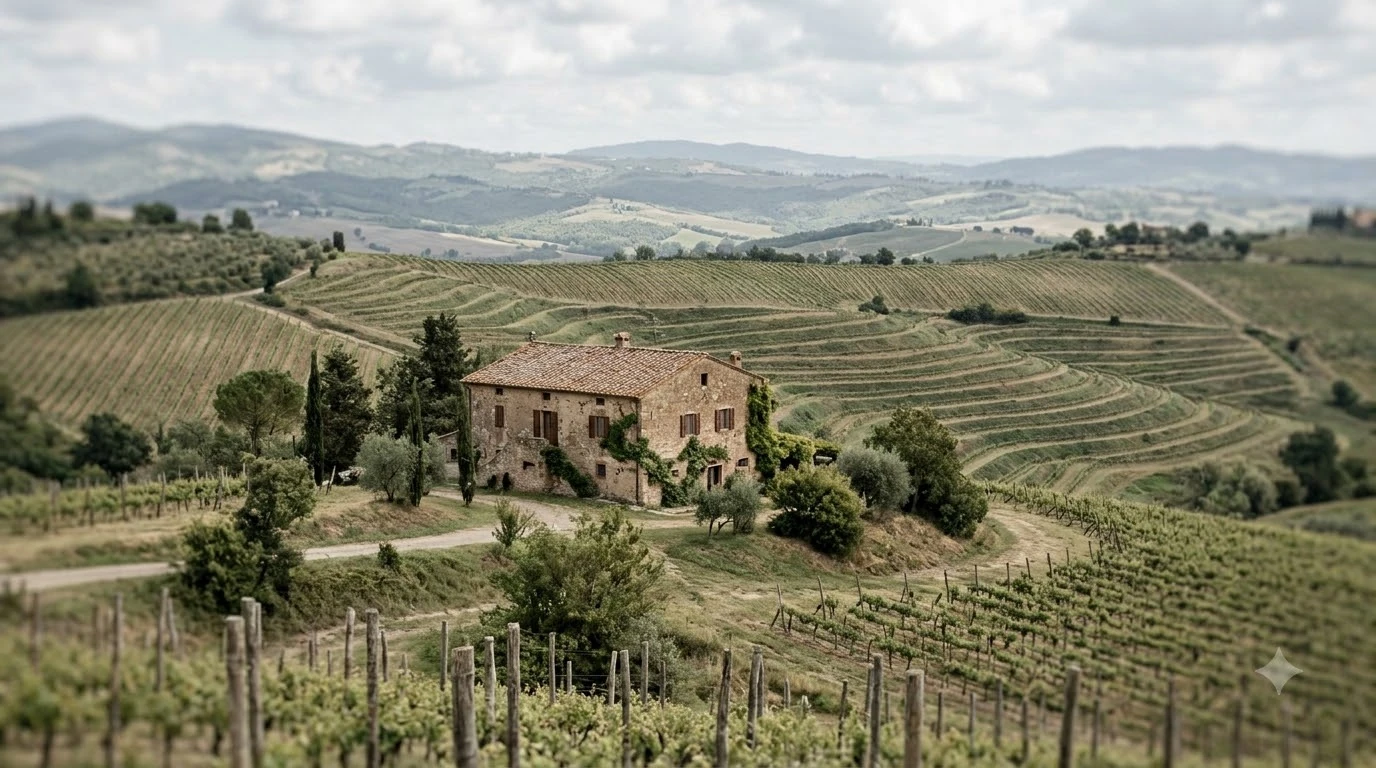
The pomerol wine region is a prestigious, tiny red wine appellation on the Right Bank of Bordeaux, France, famed for crafting plush, age-worthy Merlot-dominant wines without an official classification system. Spanning roughly 800 hectares (about 1,977 acres) just north of Saint-Émilion, it accounts for less than one percent of Bordeaux’s total vineyard area. Despite its modest footprint and lack of grand châteaux, Pomerol produces some of the rarest and most sought-after bottles in the wine world.
Unlike the sprawling estates of the Médoc across the Gironde estuary, Pomerol is a patchwork of small, family-run properties averaging around six hectares each. Its reputation rests entirely on an extraordinary geological quirk beneath its plateau and the market-driven prestige of iconic labels like Pétrus and Le Pin. Understanding how soil, grape selection, and tradition interact here makes exploring other acclaimed Wine Regions far more rewarding.
Overview of the Pomerol Wine Region
Established as an Appellation d’Origine Contrôlée (AOC) in 1936, Pomerol sits on a gentle plateau above the town of Libourne on the right bank of the Dordogne River. It is strictly a red-wine appellation, and its vineyards represent only 0.7 percent of Bordeaux’s total plantings.
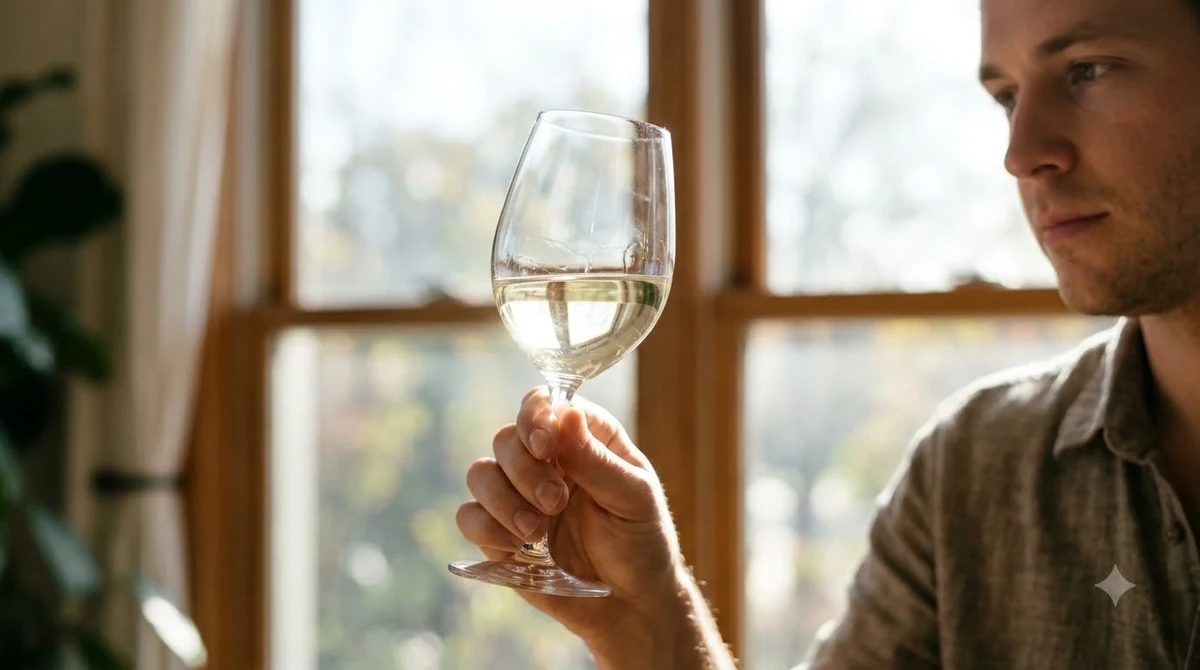
What truly sets Pomerol apart from its famous neighbors is the complete absence of a formal ranking system. While the Médoc relies on the historic 1855 Classification and neighboring Saint-Émilion updates its Grand Cru rankings regularly, Pomerol has never instituted a cru classé hierarchy. According to Wine Folly’s Bordeaux region guide, most local growers have no desire to create one, letting collector demand and critical acclaim dictate each estate’s standing instead.
Because land on the Pomerol plateau is scarce and fiercely held by multi-generational families, production remains tiny across roughly 135 to 140 growers. You will rarely encounter ornate, fairytale castles here; the landscape is defined instead by modest farmhouses, stone walls, and garage-style wineries where attentive vineyard farming takes center stage. Global recognition surged after critics praised the landmark 1982 vintage, cementing Pomerol’s place alongside Bordeaux’s First Growths.
Terroir and Sub-Regions of the Plateau
Although Pomerol has no legal sub-appellations, winemakers divide the territory into distinct soil zones that dramatically shape how the wines taste and age. The appellation’s highest point rises to just 39 meters above sea level on the eastern plateau bordering Saint-Émilion, sloping gradually downward toward the west and south.
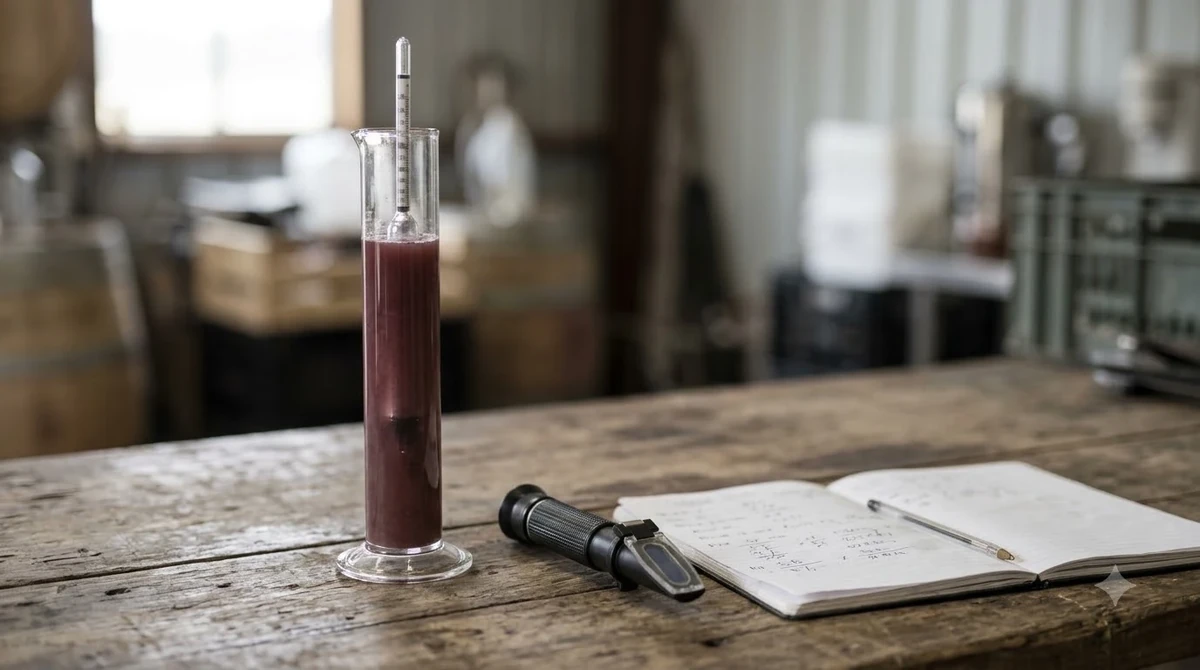
At the heart of the plateau lies a celebrated 20-hectare pocket—known locally as a boutonnière or buttonhole—of dense, smectite blue clay resting over an iron-rich subsoil called crasse de fer. This blue clay expands when wet and contracts during dry spells, acting like a subterranean sponge that supplies vines with steady moisture during hot summers without waterlogging their roots. Because clay warms slowly and stays cool, it prevents early-ripening Merlot from developing jammy, overripe flavors, preserving tension and fine tannic grip.
Moving away from the central clay dome toward the church of Pomerol and the southern border, the topsoil shifts to bands of gravel, pebbles, and sand laid down by ancient glacial rivers. Estates situated on these warmer, freer-draining gravel terraces produce wines with brighter aromatic lift, floral perfume, and firmer structural framing, while sandier plots near the western fringes yield lighter, earlier-drinking reds.
| Pomerol Soil Zone | Primary Location | Key Geological Trait | Resulting Wine Style |
|---|---|---|---|
| Blue Clay (Buttonhole) | Central and eastern high plateau | Moisture-retentive smectite clay over iron-rich crasse de fer | Deep, concentrated, velvety texture with decades of aging potential |
| Clay-Gravel Mix | Mid-plateau slopes surrounding the core | Combines water retention with natural surface drainage | Balanced power and finesse, pairing dark fruit with structured tannins |
| Sandy Gravel | Southern and western terraces near Libourne | Warm, fast-draining alluvial pebbles and sand | Fragrant, medium-to-full-bodied reds approachable earlier in youth |
Key Grapes and Wine Styles
Merlot is the undisputed star of Pomerol, accounting for roughly 80 to 85 percent of all vineyard plantings across the appellation. Cabernet Franc makes up most of the remaining 15 percent, alongside tiny supporting parcels of Cabernet Sauvignon and Malbec.
Pomerol’s cool, water-retentive clay soils are naturally ill-suited for late-ripening Cabernet Sauvignon, which struggles to reach full phenolic maturity here in cooler years. Merlot, by contrast, buds and ripens roughly two weeks earlier, thriving in the clay and developing thick, flavor-packed skins. Under appellation rules, the minimum natural alcohol level is 11 percent, though modern ripe vintages typically finish higher while maintaining balance.
In the glass, classic Pomerol offers a sensual, plush texture built on fine-grained tannins rather than the austere, gripping frame typical of Left Bank Cabernet blends. Young bottles burst with aromas of black plum, blackberry, damson, and floral notes of violet and peony. As the wines mature over 10 to 30 years in bottle, primary fruit gives way to savory layers of black truffle, dark chocolate, leather, cedar, and iron-like minerality. While distinct in grape makeup, wine lovers who appreciate the plush dark fruit of Spain’s jumilla wine region or the aromatic, velvety reds of the bierzo wine region often gravitate toward Right Bank Merlot blends for their generous mid-palate.
Notable Producers in Pomerol
Because Pomerol lacks a formal classification, wine enthusiasts rely on estate reputation, vineyard location on the plateau, and vintage consistency to identify top producers. Many of the finest properties farm fewer than 12 hectares, resulting in minuscule annual allocations.
Several iconic estates sit directly on or adjacent to the coveted blue clay and gravel core of the plateau:
- Pétrus: Spanning roughly 11 hectares directly over the blue clay buttonhole, Pétrus produces a nearly 100 percent Merlot wine that ranks among the rarest collectibles on earth.
- Le Pin: Owned by the Thienpont family, this tiny micro-estate rarely produces more than 500 cases per year, delivering exotic, silky Merlot from gravelly clay parcels.
- Vieux Château Certan: Situated between Pétrus and Le Pin and managed by the same family behind Le Pin, VCC holds some of Pomerol’s oldest vines and incorporates a higher share of Cabernet Franc for aromatic precision.
- Château Lafleur: Known for an unusually high proportion of Cabernet Franc alongside Merlot, Lafleur crafts intensely structured, long-lived wines with remarkable floral complexity.
- Château Trotanoy: Located on dense clay and gravel soils, Trotanoy is celebrated by reviewers at Wine Enthusiast for its dark concentration, firm structure, and serious cellaring potential.
- Château L’Évangile and Château La Conseillante: Positioned along the southern border abutting Saint-Émilion, both estates blend clay richness with gravel elegance to achieve smooth, perfumed depth.
Beyond these blue-chip icons, estates such as Château Clinet, Château Gazin, Château Hosanna, Château Nénin, and Clos du Clocher regularly earn high critical praise while offering a clearer window into the appellation’s diverse microclimates.
Tip: When exploring Pomerol on a tighter budget, look for neighboring satellite appellations like Lalande-de-Pomerol just across the Barbanne stream, or seek out second labels from established Pomerol châteaux, which share winemaking teams and vineyard pedigrees at a fraction of the rarity.
Visiting and Buying Tips
Visiting Pomerol feels remarkably different from touring the grand avenues of Pauillac or Margaux. Because almost every property is a working family farm with limited staff and tiny cellars, drop-in tastings are virtually nonexistent.
If you plan to travel to the Right Bank, book appointments directly with individual estates several months in advance, or work with a specialized Bordeaux wine tour operator. Many travelers base themselves in the nearby medieval town of Saint-Émilion, just a 10-minute drive away, where local wine merchants in town stock a wide selection of Pomerol bottles by the glass or bottle for casual tasting.
When buying Pomerol at retail or auction, vintage selection matters enormously because Merlot responds quickly to seasonal weather shifts. Warm, dry summers with cool nights—such as 2015, 2016, 2018, 2019, 2020, and 2022—tend to yield rich, concentrated wines with supple tannins, whereas cooler, wetter years reward careful producer selection. Always verify proper cellar provenance for older bottles, as Pomerol’s scarcity makes it a frequent target on the secondary market. For further contrast in European regional styles, compare Bordeaux’s barrel-aged structure with the crisp, coastal whites and reds of Italy’s marche wine region.
Frequently Asked Questions
Why does the Pomerol wine region have no official classification?
Pomerol was largely overlooked during the 1855 Bordeaux Classification, which focused almost exclusively on Left Bank estates in the Médoc and Graves. By the time Pomerol’s reputation skyrocketed in the mid-twentieth century, local growers saw no need to establish a government hierarchy, preferring to let vineyard terroir and open market demand determine prestige.
What grape is Pomerol wine made from?
Pomerol is overwhelmingly made from Merlot, which accounts for roughly 80 to 85 percent of the appellation’s vineyard plantings. Most producers blend in smaller amounts of Cabernet Franc (around 15 percent) for floral aromatics and structure, along with occasional touches of Cabernet Sauvignon or Malbec.
How does Pomerol differ from Saint-Émilion?
Although the two Right Bank neighbors border each other directly, Pomerol is much smaller, produces only red wine, and operates without a classification system. Geologically, Pomerol is defined by iron-rich clay and gravel terraces, whereas Saint-Émilion features prominent limestone plateaus and escarpments that give its wines a chalkier mineral tension.
How long should you age Pomerol wine before drinking?
Entry-level Pomerols from sandier western plots can be enjoyed within 5 to 8 years of the vintage thanks to Merlot’s naturally plush tannins. Top plateau estates built on blue clay and dense gravel often need 10 to 15 years to shed their youthful tightness and can evolve gracefully for 25 to 40 years in a temperature-controlled cellar.
Small in acreage yet towering in reputation, Pomerol proves that extraordinary terroir needs no official title to command respect. Whether you are uncorking a mature plateau classic or discovering a modest family estate from a stellar vintage, this Right Bank enclave delivers some of the most expressive Merlot on earth.
More in Wine Regions
 Willcox Wine Trail: Discover Arizona’s High-Elevation Wine CountryUpdated Nov 20, 2026
 Yakima Valley Wine Region: Find the Best Styles to TryUpdated Nov 20, 2026
 Vosne Romanee Wine Tasting: Identify Aromas and Choose Better PairingsUpdated Nov 20, 2026
 Yakima Valley Wine Festival: Find the Best Seasonal Wine EventsUpdated Nov 20, 2026
 Wales Vineyards: Discover Cool-Climate Wines and Where to VisitUpdated Nov 20, 2026
 Yountville Wine Festival: Discover Napa Wines and Local FoodUpdated Nov 20, 2026