

We may earn a commission when you buy through links on this page, at no extra cost to you. Learn more.
Idaho wine country encompasses more than 1,300 planted vineyard acres and over 65 wineries spread across three federally recognized American Viticultural Areas: Snake River Valley, Eagle Foothills, and Lewis-Clark Valley. Positioned along a similar latitude to Rioja and Southern France, Idaho combines high-desert elevation, ancient volcanic and granitic soils, and dramatic diurnal temperature swings to produce crisp aromatic whites and structured reds. Riesling leads all plantings, while Merlot, Syrah, Cabernet Sauvignon, and Tempranillo anchor the state’s red wine portfolio.
Bordered by Washington and Oregon, Idaho quietly planted some of the Pacific Northwest’s earliest wine grapes in 1864 before Prohibition halted commercial production for decades. Modern viticulture returned in the 1970s, and today the state supports over 20 wine grape varieties grown across high-elevation river basins and steep canyon slopes. Whether exploring urban tasting rooms in Boise and Garden City or touring estate vineyards overlooking the Snake River, visitors find an unpretentious, grower-driven wine scene shaped by mountain geography and desert sunshine.
Overview of Idaho Wine Country
Idaho wine country sits at the intersection of high-desert aridity and Rocky Mountain elevation, with vineyard elevations ranging from roughly 600 feet in the north to 3,000 feet in the southwest. According to the Idaho Wine Commission, the state includes more than 1,300 acres of planted wine grapes and over 65 wineries distributed across six distinct wine regions.
Climate defines the character of Idaho grapes more than any other single factor. During summer, long, sun-drenched days push fruit toward full physiological ripeness, while cool desert nights cause temperatures to drop sharply after sunset. This pronounced diurnal shift slows respiration in the grape skins, locking in natural malic and tartaric acidity alongside concentrated aromatics. Unlike warmer, lower-elevation coastal valleys, Idaho vineyards rarely struggle with sluggish, overly jammy fruit; instead, wines retain a brisk structural backbone even in warm vintages.
Soil diversity further distinguishes the state’s vineyards from neighboring Wine Regions. Millions of years ago, massive basalt lava flows and the draining of ancient Lake Idaho left behind layered deposits of volcanic ash, sandy loam, river cobbles, and decomposed granite. Because the high-desert climate brings low annual rainfall and low humidity, fungal diseases like powdery mildew are relatively rare, allowing growers to farm sustainably while controlling vigor precisely through drip irrigation fed by mountain snowmelt and the Snake River Aquifer.
Sub-Regions and American Viticultural Areas
Idaho is home to three official American Viticultural Areas (AVAs)—Snake River Valley, Eagle Foothills, and Lewis-Clark Valley—alongside urban tasting corridors in Boise, Garden City, and northern lake towns.
The Snake River Valley AVA, established in 2007, forms the backbone of the industry and accounts for roughly 85 percent of Idaho’s vineyard acreage. Spanning 8,263 square miles across southwestern Idaho and extending slightly into eastern Oregon, its boundaries follow the ancient shoreline of Lake Idaho. Within this expansive basin, the Sunnyslope Wine Trail near Caldwell and Wilder concentrates over a dozen estate wineries on sun-exposed slopes above the Snake River, where volcanic soils and warm summer afternoons ripen both Bordeaux and Rhône varieties.
Carved entirely within the northern edge of the Snake River Valley, the Eagle Foothills AVA became Idaho’s first sub-appellation in late 2015. Covering 49,815 acres north of Boise at elevations between 2,490 and 3,412 feet, this sub-region differs markedly from the valley floor below. Steep hillsides encourage cold air drainage that protects vines from spring and fall frosts, while decomposed granite soils and slightly higher rainfall favor expressive Rhône reds, Tempranillo, Chardonnay, and traditional-method sparkling wines.
Farther north, the Lewis-Clark Valley AVA—approved in 2016 and shared with southeastern Washington—marks the historical birthplace of Pacific Northwest winemaking, where immigrants first planted vines in 1864. Situated in the steep river canyons of the Clearwater and Snake Rivers around Lewiston, this appellation sits at the lowest elevation in Idaho. Known locally as the “banana belt” of the inland Northwest for its milder, longer growing season, it produces nuanced Pinot Noir on cooler exposures and plush Grenache and Syrah on sun-baked canyon benches.
| AVA / Region | Year Established | Key Soils | Signature Grapes |
|---|---|---|---|
| Snake River Valley AVA | 2007 | Volcanic ash, sandy loam, river cobbles | Riesling, Merlot, Syrah, Cabernet Sauvignon |
| Eagle Foothills AVA | 2015 | Decomposed granite, volcanic sandy loam | Syrah, Tempranillo, Cabernet Sauvignon, Chardonnay |
| Lewis-Clark Valley AVA | 2016 | Alluvial silt, loess, basalt gravel | Pinot Noir, Grenache, Syrah, Riesling |
| Boise & Garden City | Urban Trail | Sourced primarily from Snake River Valley | Bordeaux blends, Rhône blends, Rosé |
Key Grapes and Wine Styles
More than 20 grape varieties grow across Idaho’s vineyards, led by cold-hardy aromatic whites and sun-loving red grapes that thrive in arid conditions.
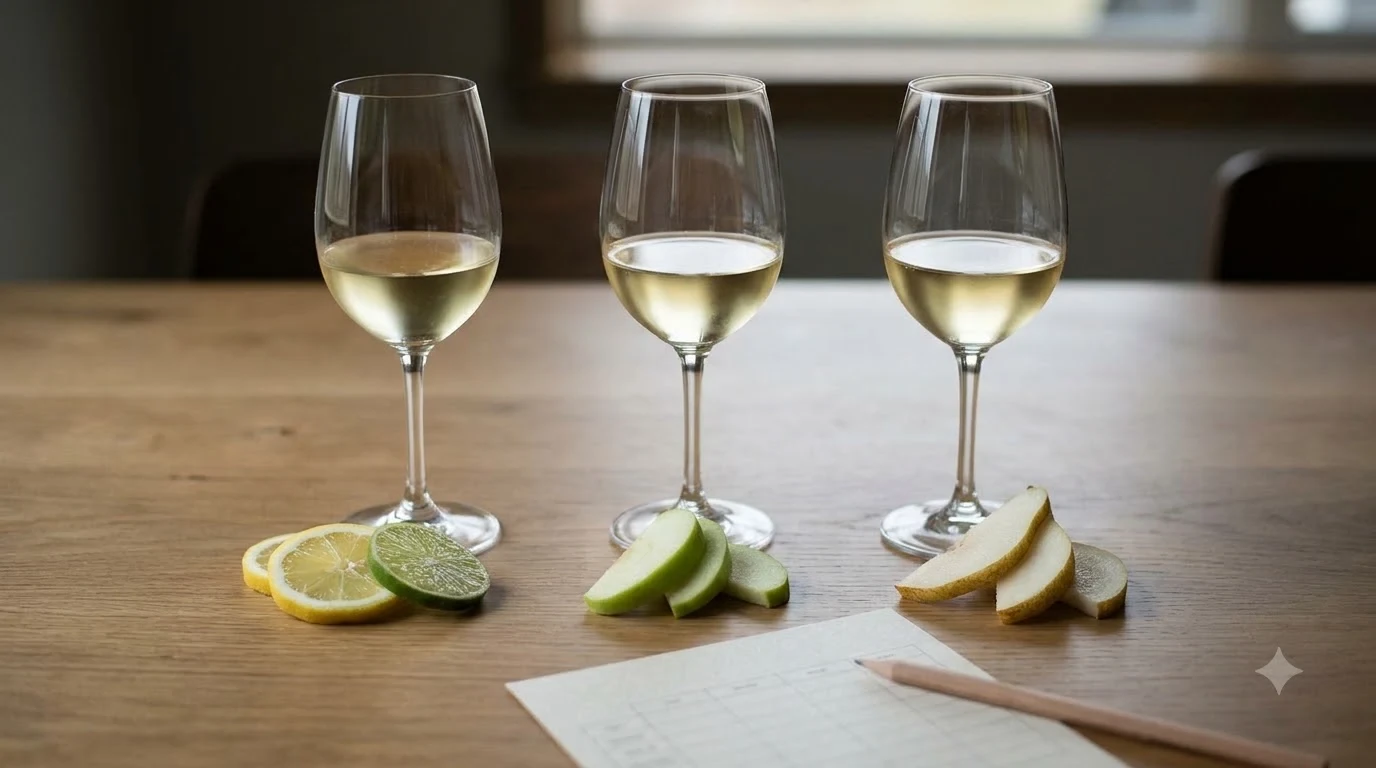
Riesling stands as Idaho’s most widely planted grape variety, thriving in cold winter temperatures that keep vines dormant until spring frost risks pass. According to Wine Folly’s Idaho Wine Guide, the sharp contrast between warm daytime sunshine and chilly nights allows Riesling to develop ripe orchard fruit flavors—crisp green apple, white peach, and Meyer lemon—while preserving electric acidity. Winemakers bottle it across the sweetness spectrum, from bone-dry, mineral-driven expressions to off-dry styles and rare late-harvest ice wines.
Among red grapes, Merlot holds the top spot by acreage, followed closely by Syrah and Cabernet Sauvignon. Idaho Merlot avoids the soft, one-dimensional profile sometimes seen in warmer climates, offering bright red plum, cherry, and cocoa notes framed by firm tannins. Syrah finds an ideal match in the state’s dry, rocky terrain, yielding deeply colored, full-bodied wines layered with blackberry, smoked meat, and cracked black pepper. Cabernet Sauvignon frequently anchors structured Bordeaux-style blends alongside Merlot and Cabernet Franc, pairing ripe cassis fruit with a subtle savory herbal edge.
Spanish and alternative varieties have also gained traction across southwestern Idaho. Tempranillo performs remarkably well in the high-desert heat and granitic slopes of the Eagle Foothills and Sunnyslope, delivering savory leather, dried fig, and red cherry flavors. On the white side, Chardonnay spans both crisp, stainless-steel fermentations and richer barrel-aged bottlings, consistently distinguished by a bright vein of natural acidity.
Notable Producers
Idaho’s winemaking community blends multi-generation estate farms with small, experimental urban cellars operating out of warehouse districts.
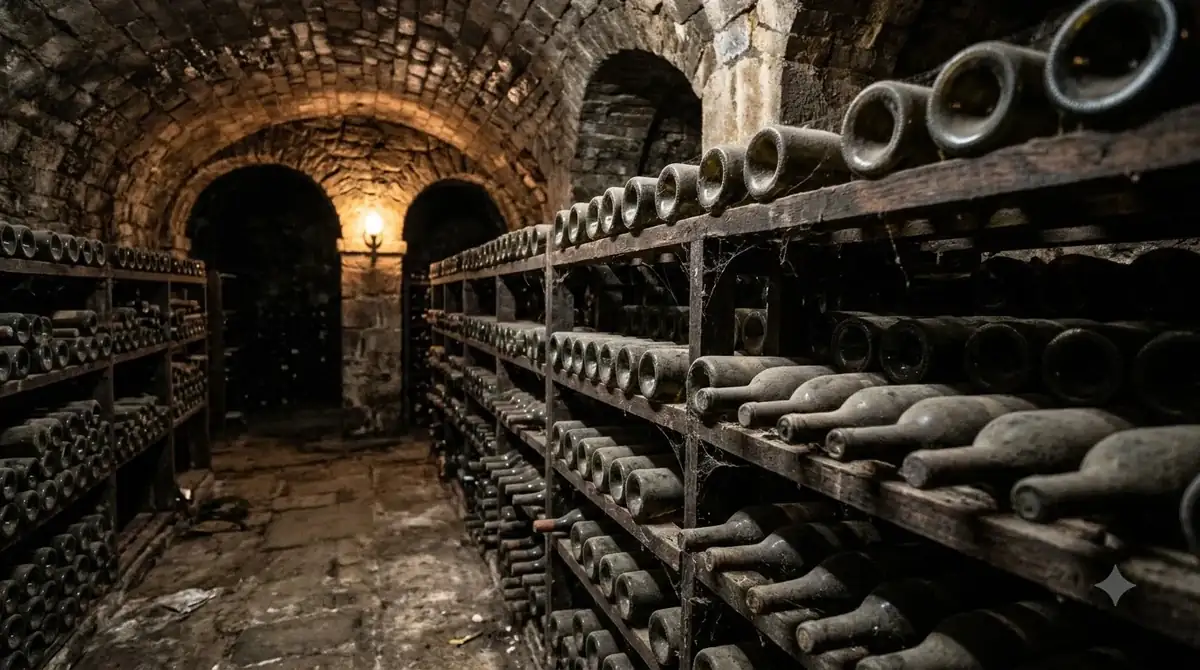
In the Eagle Foothills AVA, 3 Horse Ranch Vineyards operates as a flagship estate winery, farming extensive hillside blocks and running an underground barrel cellar alongside its on-site restaurant. Nearby in Eagle, 3100 Cellars—named for Idaho’s 3,100 miles of whitewater rivers—specializes exclusively in traditional-method sparkling wines crafted from local Chardonnay and Pinot Noir. Also in the Eagle area, Dude DeWalt Cellars and Sol Invictus Vineyard focus on small-lot estate reds, Chardonnay, and mountain-view tastings.
Along the Sunnyslope Wine Trail and in the Boise-Garden City urban corridor, several producers highlight the breadth of Snake River Valley fruit. Indian Creek Winery ranks among the region’s early modern pioneers, building a reputation for crisp Riesling, Pinot Noir, and estate reds. In Garden City, Telaya Wine Co., Split Rail Winery, and VEER Wine Project source fruit from top Snake River Valley sites to produce both classic Rhône and Bordeaux varietals and inventive natural-leaning blends, while Kerry Hill Winery and Scoria Vineyards showcase volcanic terroir on the Sunnyslope.
Up north in the Lewis-Clark Valley, Colter’s Creek Vineyard & Winery farms estate vines on steep canyon slopes near Juliaetta, crafting expressive reds and whites that highlight the warmer microclimate of the Clearwater River drainage.
Visiting Tips for Wine Travelers
Planning a trip through Idaho wine country works best when you pair compact urban tasting circuits with half-day drives into the surrounding agricultural valleys.
Start in downtown Boise and neighboring Garden City, where dozens of tasting rooms sit along the Boise River Greenbelt. Because these urban wineries sit close together along flat bike paths and walkable streets, visitors can sample flights from multiple producers in an afternoon without driving. Many tasting rooms host local food trucks, live music, and casual patio seating, keeping the atmosphere relaxed and conversational.
Dedicate a second day to either the Sunnyslope Wine Trail—roughly 35 to 45 minutes west of Boise near Caldwell—or the Eagle Foothills loop just north of the city. Both routes wind through orchards, hop farms, and rolling desert benches with panoramic views of the Owyhee Mountains. Just as travelers planning hill country wine tasting or texas hill country wine tasting itineraries map out rural distances in advance, drivers in southwestern Idaho should arrange a designated driver or local tour van before heading out into the agricultural corridors. Spring (May through June) and autumn harvest (September through October) offer mild daytime temperatures and active vineyard views, while summer afternoons regularly climb into the 90s.
Tip: Check tasting room hours before driving out to Sunnyslope or Eagle Foothills estates, as many smaller family wineries operate Thursday through Sunday or require reservations for seated vineyard flights.
How to Buy Idaho Wines
Because Idaho’s total annual wine production remains relatively small compared to California, Washington, or Oregon, finding bottles outside the Pacific Northwest requires targeted shopping strategies.
Most Idaho wineries produce fewer than 5,000 cases per year and sell the majority of their allocation directly through their tasting rooms and wine clubs. Joining a winery’s seasonal club or ordering directly from producer websites is the most reliable way to access single-vineyard Syrah, Eagle Foothills Tempranillo, and small-lot sparkling releases, as nearly all Idaho wineries ship legally to most U.S. states.
If shopping at retail, look for bottles labeled with the Snake River Valley AVA designation, which guarantees that at least 85 percent of the grapes were grown within the appellation’s boundaries. Specialty bottle shops and independent grocers in Boise, Sun Valley, Coeur d’Alene, and neighboring cities like Spokane and Salt Lake City carry strong regional selections, while national online wine retailers occasionally stock flagship bottlings from larger Snake River Valley estates.
Frequently Asked Questions
What is the most famous wine from Idaho?
Riesling is Idaho’s most widely planted and historically recognized grape variety, prized for its bright acidity and crisp orchard fruit flavors. Among red wines, Idaho has earned national acclaim for Syrah, Merlot, and Cabernet Sauvignon grown in the volcanic soils of the Snake River Valley AVA.
How many wineries are in Idaho wine country?
Idaho is home to more than 65 wineries and over 1,300 acres of planted vineyards, alongside a growing number of craft cideries. The majority of these wineries are concentrated in the Snake River Valley AVA, the Eagle Foothills AVA, and the Boise-Garden City urban corridor.
When is the best time of year to visit Idaho wineries?
Late spring (May and June) and early autumn (September and October) provide the most comfortable weather for touring outdoor vineyard patios. Autumn offers the added draw of harvest activity and golden foliage along the Snake River, while winter visits work well for indoor tastings in Boise and Garden City.
How does Idaho wine country compare to Washington and Oregon?
While sharing borders and a pioneering spirit with its neighbors, Idaho sits at a higher overall elevation with a drier, high-desert continental climate. Like emerging European gems featured in slovenia wine country, Idaho emphasizes small-scale, family-run estates, distinct volcanic and granitic terroir, and approachable tasting rooms without heavy tourist crowds.
Idaho wine country rewards curious drinkers who look beyond better-known West Coast labels in search of high-elevation freshness and honest, place-driven winemaking. With three distinct AVAs, dramatic river canyon scenery, and welcoming tasting rooms from Lewiston to Boise, the Gem State offers one of the most compelling wine landscapes in the American West.
More in Wine Regions
 Willcox Wine Trail: Discover Arizona’s High-Elevation Wine CountryUpdated Nov 20, 2026
 Yakima Valley Wine Region: Find the Best Styles to TryUpdated Nov 20, 2026
 Vosne Romanee Wine Tasting: Identify Aromas and Choose Better PairingsUpdated Nov 20, 2026
 Yakima Valley Wine Festival: Find the Best Seasonal Wine EventsUpdated Nov 20, 2026
 Wales Vineyards: Discover Cool-Climate Wines and Where to VisitUpdated Nov 20, 2026
 Yountville Wine Festival: Discover Napa Wines and Local FoodUpdated Nov 20, 2026