

We may earn a commission when you buy through links on this page, at no extra cost to you. Learn more.
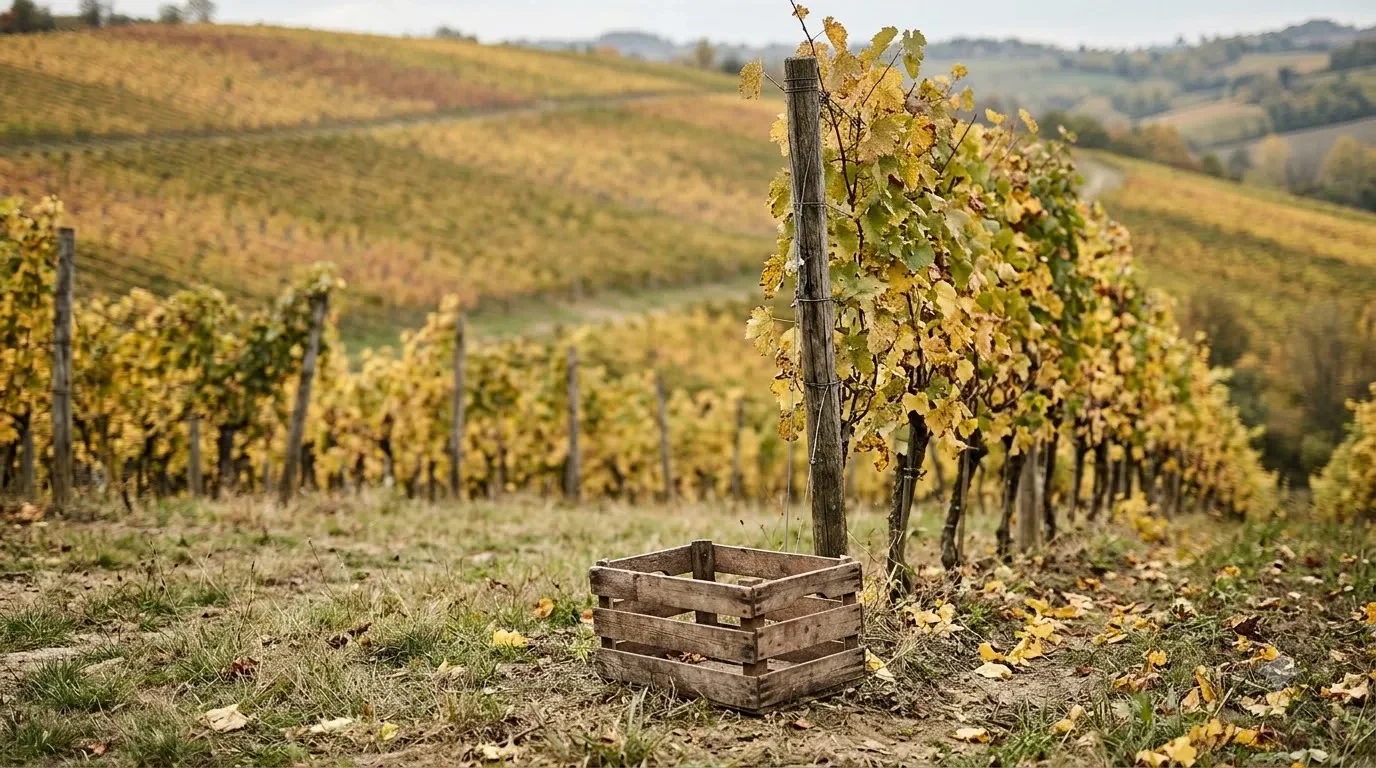
Idaho vineyards are concentrated mainly in the Snake River Valley in the southwestern part of the state, where a warm, dry climate and river-influenced soils support cool-climate grape growing. Vineyards were first planted in the 1860s by French and German immigrants, went into decline during Prohibition and were revived in the 1970s. This guide explains where the vineyards are, how the Snake River Valley shapes the grapes and what to know before you visit.
Idaho is better known for potatoes and mountains than for wine, which makes its vineyards a surprise for many visitors. The state’s wine industry is smaller than those in California or Washington, but it has a clear identity built on the Snake River Valley. If you are planning a trip or simply curious about where your Idaho bottle was grown, the sections below cover the basics.
Where Idaho’s Vineyards Are Located
Most Idaho vineyards sit in the Snake River Valley, an area in the southwestern part of the state that the federal government recognized as an American Viticultural Area on April 9, 2007. The Snake River Valley AVA also reaches into eastern Oregon, so vineyards on both sides of the state line share the same appellation. The valley’s low elevation and dry climate are important, because growers can manage irrigation and keep the fruit clean in the warm months.
The Wikipedia summary of Idaho wine describes the Snake River Valley as the main wine district and notes that it has been the focus of growth since the 1970s. Reference figures for total vineyard area and winery counts vary between sources, so the numbers below are approximate. The summary cites about 1,300 acres of planted vines as of 2017, which gives a sense of scale for the state’s production.
A Short History of Idaho Vineyards
Grape growing in Idaho is older than many people expect. According to the Wikipedia article on Idaho wine, the first vineyards in the Pacific Northwest were planted in Idaho in the 1860s by French and German immigrants. Like many American wine regions, the industry collapsed under Prohibition, and the modern revival did not start until the 1970s. The Snake River Valley was the center of that comeback, and it has been building its reputation ever since.
The state’s best-known producer, St. Chapelle, was founded in 1975 in Caldwell. The Wikipedia article describes it as the largest and oldest winery in the state, although that claim carries a citation-needed tag, so it is worth checking the winery’s own history before you repeat it. Caldwell is a practical starting point for visitors who want to tour several vineyards in one day.
How the Snake River Valley Shapes the Grapes
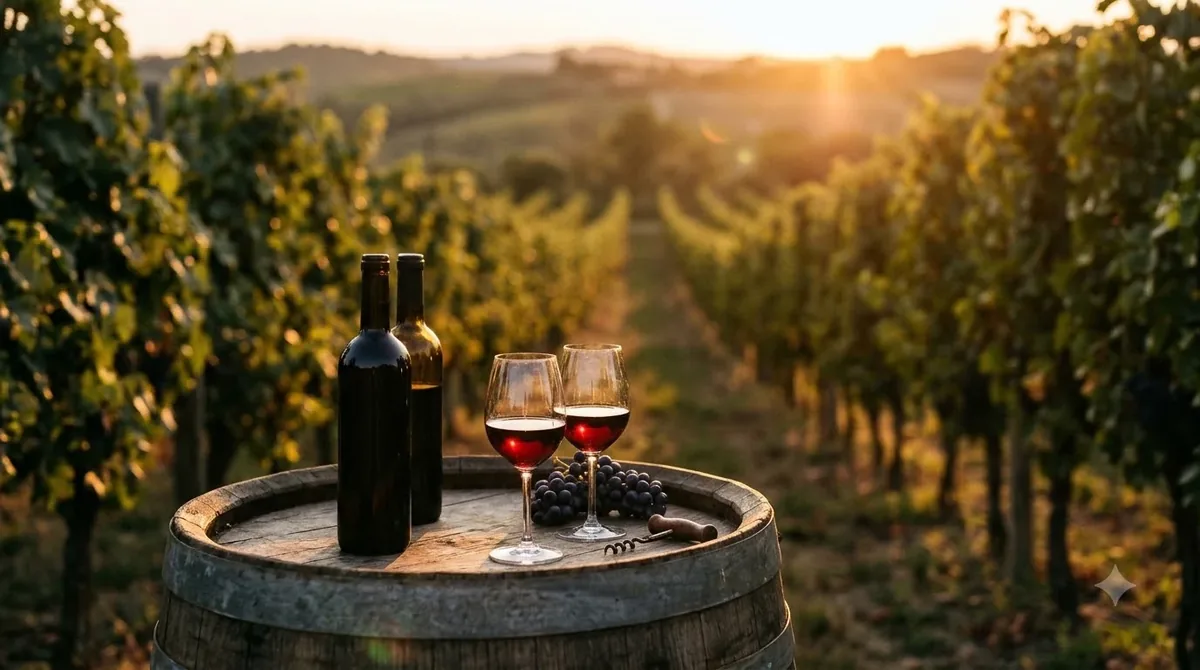
The Snake River Valley has a warm, dry summer climate with cool nights, which is a combination that favors grapes that keep acidity while still ripening well. Winemakers often describe Idaho fruit as fresh and clean, with a bright edge. Growers choose sites along the river valley with care, and conditions differ from one vineyard to the next.
Growers in the valley typically rely on irrigation because summers are dry. That gives them control over the amount of water the vines receive, which can help shape the balance between fruit and structure. For a broader look at how climate and soils change the taste of a region, the wine regions guide explains the key factors in more detail.
Grape Varieties Planted Across the State
Cool-climate white grapes are a major part of Idaho’s vineyards. The Wikipedia article lists Riesling, Chenin blanc, Chardonnay and Gewürztraminer among the leading whites. Reds are a growing focus, with Cabernet Sauvignon, Merlot and Syrah appearing in the plantings. The mix means that visitors may find both crisp whites and fuller reds on the same tasting list.
The table below gives a quick guide to the styles you are most likely to encounter when you visit a tasting room.
| Style | Common grapes | What to expect at the tasting room |
|---|---|---|
| Dry white | Riesling, Chardonnay, Chenin blanc | Fresh, bright and food-friendly, from crisp to slightly richer |
| Aromatic white | Gewürztraminer | Floral and perfumed, often with a touch of sweetness on some labels |
| Medium-bodied red | Merlot, Syrah | Fruit-forward with savory notes and moderate structure |
| Structured red | Cabernet Sauvignon | Firmer tannins and deeper dark fruit, depending on the vintage |
Tip: Ask the tasting room which wines come from estate vineyards and which come from grapes sourced across the valley. The answer tells you how much the bottle reflects one site.
Visiting Idaho Vineyards
A vineyard visit in Idaho works best when you plan a short route and leave time to talk with staff. Many tasting rooms are in or near the valley’s towns, so you can combine a visit with a meal or a walk. Check opening hours before you travel, because smaller wineries may open only on certain days or by appointment, and seasons affect what is available to taste.
Plan to arrange a driver or a shuttle if you intend to taste at several stops. Eating before and during the day helps you enjoy the wines and stay comfortable. Ask whether the winery sells bottles to take home and whether it ships to your state, since rules differ by location.
If you are comparing Idaho with other smaller wine states, the Murphys vineyards guide shows how a different region organizes its tasting rooms and vineyard tours. Notice how the local towns, the size of the wineries and the mix of grapes change from place to place. Those details help you decide how much time to set aside for each stop and whether a guided tour makes sense.
How to Enjoy the Wines From Idaho
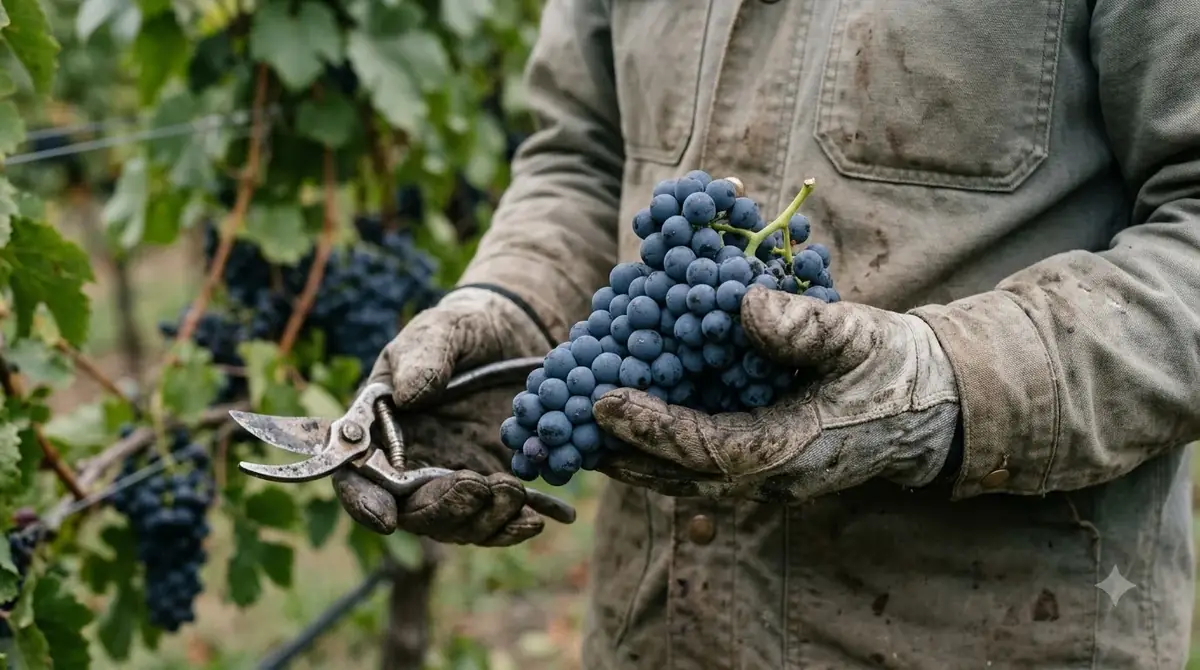
Idaho whites are often easy to match with food. Riesling and Chenin blanc work well with spicy dishes, roast pork and soft cheeses, while a fuller Chardonnay can suit chicken or seafood with cream. Serve the whites cool rather than ice cold, so the aromas stay open. For reds, a Merlot or Syrah from the valley pairs well with grilled meats, roast vegetables and hearty stews.
Because the state’s vineyards are relatively young compared with older European regions, the best way to learn the local style is to taste across a few producers. Write down the producer, the grape and your impression of each glass, then compare the notes at the end of the day. Patterns show up faster when you have a written record to check. Compare a white and a red from the same winery, then try a similar grape from a different producer. You will see how the valley shows up in the glass.
Frequently Asked Questions
Where are most Idaho vineyards?
Most Idaho vineyards are in the Snake River Valley in the southwestern part of the state. The American Viticultural Area also extends into eastern Oregon.
When were the first Idaho vineyards planted?
According to the Wikipedia article on Idaho wine, the first vineyards in the Pacific Northwest were planted in Idaho in the 1860s by French and German immigrants. Prohibition later reduced the industry, and it was revived in the 1970s.
What grapes grow in Idaho vineyards?
Cool-climate whites such as Riesling, Chenin blanc, Chardonnay and Gewürztraminer are common. Reds such as Cabernet Sauvignon, Merlot and Syrah are a growing focus.
Can I visit Idaho vineyards without a car?
Public transport to rural vineyard areas can be limited, so most visitors drive or book a tour with a driver. Check local tour options and tasting room hours before you travel.
Idaho vineyards reward curiosity. Start with the Snake River Valley, taste widely across the state’s whites and reds, and ask producers how the valley changes their wines. The Wikipedia article on Idaho wine is a useful starting point if you want to read more about the state’s history and producers.
More in Wine Regions
 Willcox Wine Trail: Discover Arizona’s High-Elevation Wine CountryUpdated Nov 20, 2026
 Yakima Valley Wine Region: Find the Best Styles to TryUpdated Nov 20, 2026
 Vosne Romanee Wine Tasting: Identify Aromas and Choose Better PairingsUpdated Nov 20, 2026
 Yakima Valley Wine Festival: Find the Best Seasonal Wine EventsUpdated Nov 20, 2026
 Wales Vineyards: Discover Cool-Climate Wines and Where to VisitUpdated Nov 20, 2026
 Yountville Wine Festival: Discover Napa Wines and Local FoodUpdated Nov 20, 2026