

We may earn a commission when you buy through links on this page, at no extra cost to you. Learn more.
Douro wineries are historic estates and modern cellars located along northern Portugal’s Douro River Valley, famous for crafting both fortified Port and structured dry table wines from indigenous grapes. Established in 1756 as one of the world’s earliest legally demarcated wine regions, the area spans roughly 44,000 hectares of steep, hand-terraced schist slopes across three distinct sub-regions. Whether pouring a cellared Vintage Port or a mineral-driven dry red blend, these hillside properties produce some of Europe’s most age-worthy bottles.
For centuries, the Douro Valley operated almost exclusively as the vineyard engine for Port houses aging their barrels downstream near the Atlantic coast. Over the past few decades, however, local estates have transformed the region into a premier destination for dry red and white wines, turning traditional farming properties—known locally as quintas—into world-class wineries open to curious drinkers and travelers.
Overview of the Douro Valley
The Douro Demarcated Region follows the winding Douro River from the Spanish border west toward the coastal city of Porto, sheltering vineyards behind dramatic mountain ranges. Its terraced hillsides, carved out of fractured schist and granite rock, earned UNESCO World Heritage recognition for their agricultural heritage.
Winemaking here is defined by extreme geography and strict historical regulation. In 1756, the Marquis of Pombal established the Companhia Geral da Agricultura das Vinhas do Alto Douro to register vineyard parcels, classify grape quality, and prevent fraud in the booming Port trade. That legal framework still governs how grapes are grown and categorized across the valley today, assigning letter grades to vineyard plots based on soil, altitude, sun exposure, and vine age.
Because the Serra do Marão and Serra de Montemuro mountains block damp Atlantic weather systems, the interior valley experiences a harsh continental climate with scorching summers and freezing winters. Grapevines must drive their roots deep through vertical cracks in the nutrient-poor schist bedrock to locate groundwater. This constant struggle naturally limits yields and concentrates flavor, giving wines from Douro wineries their signature dark fruit intensity, firm tannic structure, and unmistakable crushed-stone minerality.
Sub-Regions of the Douro
The Douro Valley is officially divided into three geographical sub-regions moving from west to east: Baixo Corgo, Cima Corgo, and Douro Superior. Each zone shifts progressively warmer and drier as you travel further inland away from the Atlantic Ocean.
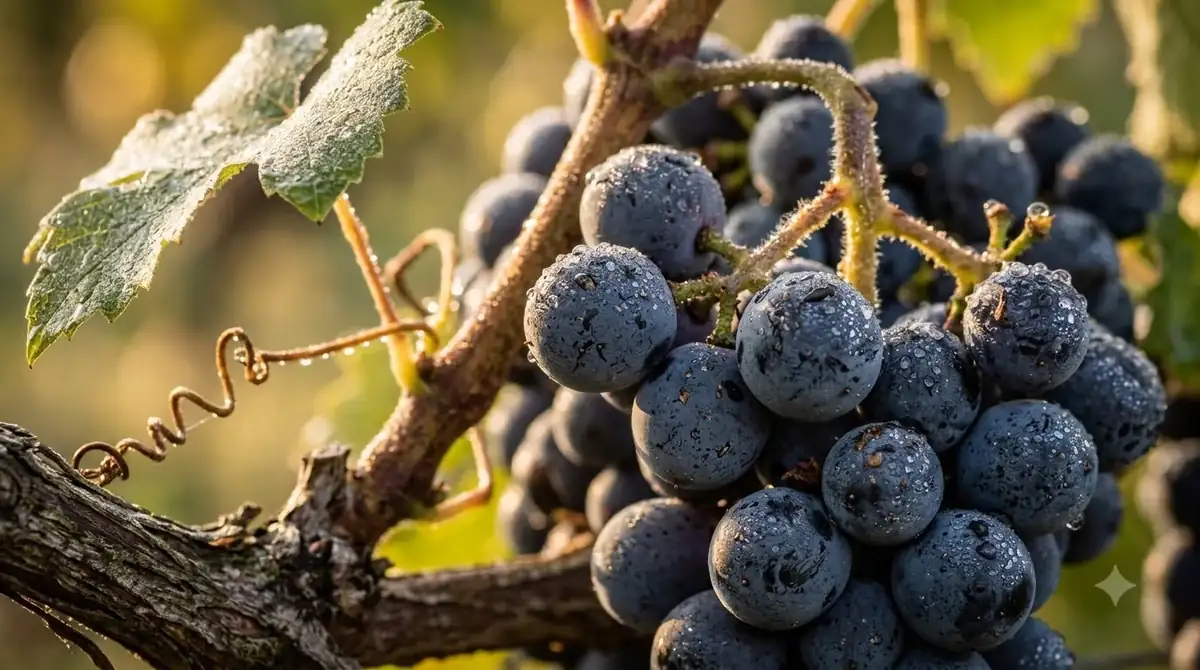
Baixo Corgo sits at the western edge of the region, directly east of the Serra do Marão mountain range. Receiving the highest annual rainfall and coolest temperatures in the valley, this sub-region contains the highest density of planted vines. Wines made here tend to be lighter-bodied, fresher, and earlier-maturing, supplying the bulk of approachable Ruby Ports and crisp everyday table wines.
Cima Corgo occupies the central heartland surrounding the river town of Pinhão and holds the largest share of vineyard acreage. Shielded from coastal moisture yet tempered by dramatic elevation changes, this zone houses the majority of the valley’s historic estates and top-classified vineyards. Both Vintage Ports and flagship dry red blends from Cima Corgo balance ripe blackberry fruit with floral aromatics and vibrant acidity.
Douro Superior stretches east from the Cachão da Valeira gorge all the way to the Spanish border. It is the largest sub-region by total land area yet the most sparsely planted, characterized by arid heat, rugged plateaus, and lower vine density. Modern irrigation allowances and mechanized vineyard layouts have enabled producers here to craft deeply concentrated, full-bodied reds alongside rich fortified wines.
| Sub-Region | Location in Valley | Climate Profile | Signature Wine Styles |
|---|---|---|---|
| Baixo Corgo | Western (closest to Porto) | Coolest and wettest; strongest Atlantic influence | Lighter table reds, crisp whites, young Ruby Ports |
| Cima Corgo | Central heartland around Pinhão | Warm, dry summers and cold winters; high elevation variance | Age-worthy Vintage Ports, structured single-quinta dry reds |
| Douro Superior | Eastern (bordering Spain) | Hottest and most arid; continental extremes | Opulent, concentrated dry reds and ripe fortified styles |
Key Grapes and Wine Styles
More than 100 indigenous grape varieties are authorized for cultivation in the Douro, though top wineries rely on a core group of native cultivars. Unlike many Wine Regions dominated by single-varietal bottlings, the Douro excels at complex multi-grape blends.
Among red grapes, Touriga Nacional stands as the region’s premier cultivar, prized for small, thick-skinned berries that yield deep purple color, violet aromatics, blackcurrant fruit, and dense tannins. Touriga Franca is the most widely planted red grape, contributing lifted rose-petal perfume, supple red berry fruit, and elegance to blends. Tinta Roriz (known as Tempranillo in Spain), Tinta Barroca, and Sousão round out the classic quintet, adding spice, mid-palate weight, and refreshing natural acidity.
For dry table wines, Douro wineries produce both powerhouse reds and surprisingly crisp whites. As Wine Folly’s guide to Portuguese wine regions notes, dry Douro Tinto blends deliver dense dark fruit and chocolate notes backed by firm schist-driven tannins, while Douro Branco wines made from high-altitude Rabigato, Viosinho, and Gouveio offer bright citrus, flinty salinity, and racy acidity.
Fortified Port remains the valley’s historic flagship, produced by halting fermentation with neutral grape spirit (aguardente) so natural grape sweetness remains alongside 19% to 22% alcohol by volume. Ruby and Vintage Ports age in large vats or bottle to preserve vibrant blackberry and cassis flavors, whereas Tawny Ports mature oxidatively in small oak casks called pipas, developing amber hues and layered notes of toasted walnut, caramel, and dried fig.
Notable Douro Producers
The Douro’s winemaking landscape brings together multi-generational British Port dynasties, historic Portuguese estates, and innovative independent families. Many producers split operations between riverfront quintas in the valley and aging lodges across the river from Porto in Vila Nova de Gaia.
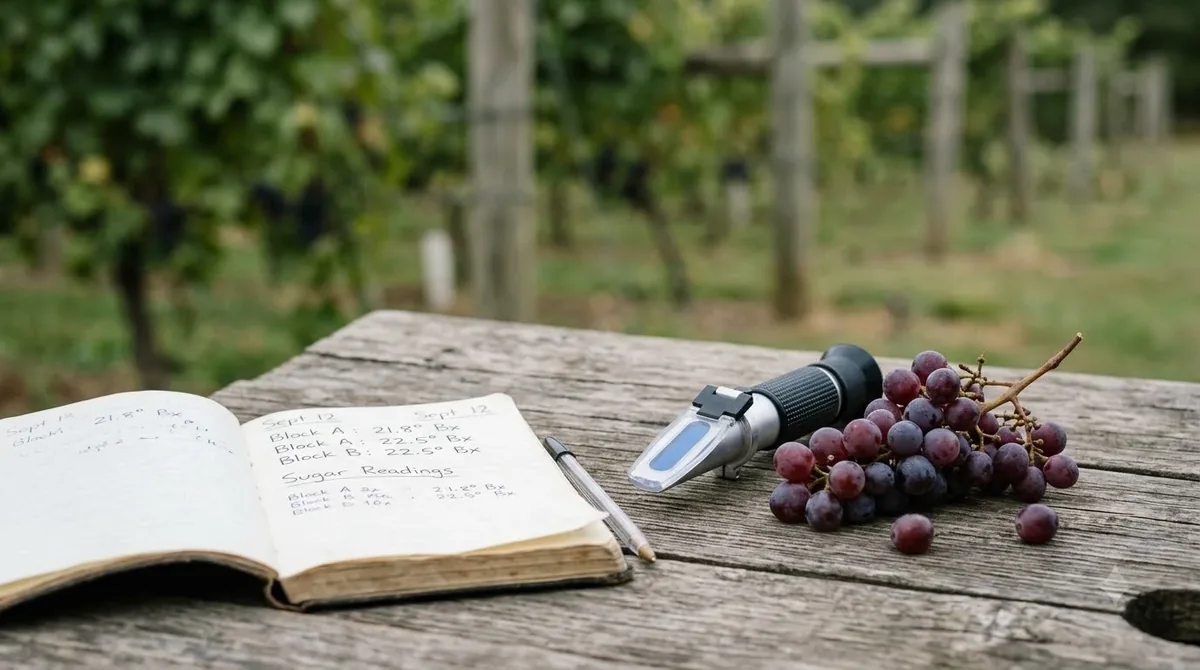
Quinta do Noval is one of the region’s most revered historic properties, famous for its terraced slopes near Pinhão and its rare Nacional Vintage Port made from ungrafted old vines. Nearby, Quinta do Crasto overlooks the river in Cima Corgo, earning international acclaim for both single-vineyard Ports and benchmark dry field-blend reds.
Niepoort helped pioneer the modern dry wine movement in the Douro, crafting expressive table reds like Redoma alongside long-aged Colheita Ports from its Quinta de Nápoles winery in Baixo Corgo. Meanwhile, Symington Family Estates oversees several landmark properties—including Quinta do Bomfim and Graham’s Quinta dos Malvedos—anchoring both classic Vintage Port production and contemporary Douro DOC bottlings. Other benchmark estates highlighted by international wine critics include Quinta do Vale Meão in Douro Superior, Quinta do Vale D. Maria, Quinta do Vesúvio, and Ramos Pinto.
Tips for Visiting Douro Wineries
Exploring the Douro Valley requires advance planning because steep mountain roads wind slowly between river bends and remote hillside estates. Driving from Porto to Peso da Régua takes roughly an hour by highway, while the scenic train from Porto’s São Bento station hugs the riverbank over a leisurely two-and-a-half-hour journey.
Unlike tasting rooms in mclaren vale wineries or maipo valley wineries where walk-in tastings are frequently available, most working quintas in the Douro operate strictly by prior appointment. Travel editors at Decanter’s Douro travel guide recommend limiting your itinerary to two or three estates per day so you have plenty of time to navigate narrow switchbacks and enjoy unhurried cellar tours.
If you prefer a mix of structured tasting rooms and vineyard scenery, base yourself near Pinhão, where properties such as Quinta do Bomfim and Quinta do Panascal welcome visitors throughout the year. Early autumn—particularly September and October during the harvest—offers mild temperatures, golden terraced foliage, and the rare chance to watch traditional foot-treading in stone lagares.
Tip: Pair a valley visit with a half-day stop at the historic aging lodges in Vila Nova de Gaia across from Porto, where Port houses offer side-by-side flights of aged Tawnies and Vintage releases without mountain driving.
How to Buy Douro Wines
Shopping for bottles from Douro wineries comes down to reading the label to distinguish between dry table wines and fortified Ports. Dry reds and whites carry the Douro DOC designation and typically list an ABV between 13% and 15%, whereas fortified bottles bear the Porto DOC seal and sit around 20% ABV.
For dry Douro reds, look for terms like Reserva or Grande Reserva, which indicate stricter quality selection and extended oak or bottle aging, or seek out Vinhas Velhas (old vines) bottlings that draw complexity from ancient co-planted field blends. Serve dry Douro reds slightly below room temperature at 60°F to 65°F after an hour in a decanter, and chill dry Douro whites to 45°F to 50°F to highlight their crisp minerality.
When buying Port, match the bottle style to your occasion and storage plans. Late Bottled Vintage (LBV) and 10- or 20-Year-Old Tawny Ports are ready to drink upon release and stay fresh for several weeks in the refrigerator after opening, while declared Vintage Ports require a decade or more of cellar aging and should be consumed within a couple of days once uncorked.
Frequently Asked Questions
What is the difference between Douro wine and Port wine?
Both wines are grown in the exact same demarcated vineyard region along northern Portugal’s Douro River using overlapping native grape varieties. Port is a sweet fortified wine made by adding neutral grape spirit during fermentation, resulting in roughly 19% to 22% ABV, while Douro DOC wines are fermented completely dry like conventional table wines.
What is the best time of year to visit Douro wineries?
September through October is widely considered the premier window to visit, combining comfortable daytime temperatures with harvest activity and vibrant autumn vineyard colors. Late spring in May and June also offers pleasant weather and lush green terraces before peak summer heat arrives in July and August.
Do you need reservations to visit wineries in the Douro Valley?
Yes, nearly all vineyard estates (quintas) in the Douro Valley require advance reservations for tours and tastings. While a few larger riverfront properties near Pinhão and the Port lodges in Vila Nova de Gaia accept occasional walk-ins, booking at least a few weeks ahead ensures access to smaller family-run cellars.
Are Douro wineries known for white wines as well as reds?
Yes, Douro wineries produce crisp, mineral-driven dry white wines (Douro Branco) alongside their famous reds and Ports. Grown primarily in higher-altitude vineyards to preserve natural acidity, native white grapes like Rabigato, Viosinho, and Gouveio yield refreshing wines with citrus, white peach, and stony salinity.
Exploring bottles from Douro wineries offers a rare look at how extreme mountain viticulture shapes both fortified classics and modern dry wines. Much like discovering heritage estates among piedmont wineries, tasting across the Douro’s three sub-regions rewards patience, curiosity, and an appreciation for indigenous grapes.
More in Wine Regions
 Willcox Wine Trail: Discover Arizona’s High-Elevation Wine CountryUpdated Nov 20, 2026
 Yakima Valley Wine Region: Find the Best Styles to TryUpdated Nov 20, 2026
 Vosne Romanee Wine Tasting: Identify Aromas and Choose Better PairingsUpdated Nov 20, 2026
 Yakima Valley Wine Festival: Find the Best Seasonal Wine EventsUpdated Nov 20, 2026
 Wales Vineyards: Discover Cool-Climate Wines and Where to VisitUpdated Nov 20, 2026
 Yountville Wine Festival: Discover Napa Wines and Local FoodUpdated Nov 20, 2026