

We may earn a commission when you buy through links on this page, at no extra cost to you. Learn more.
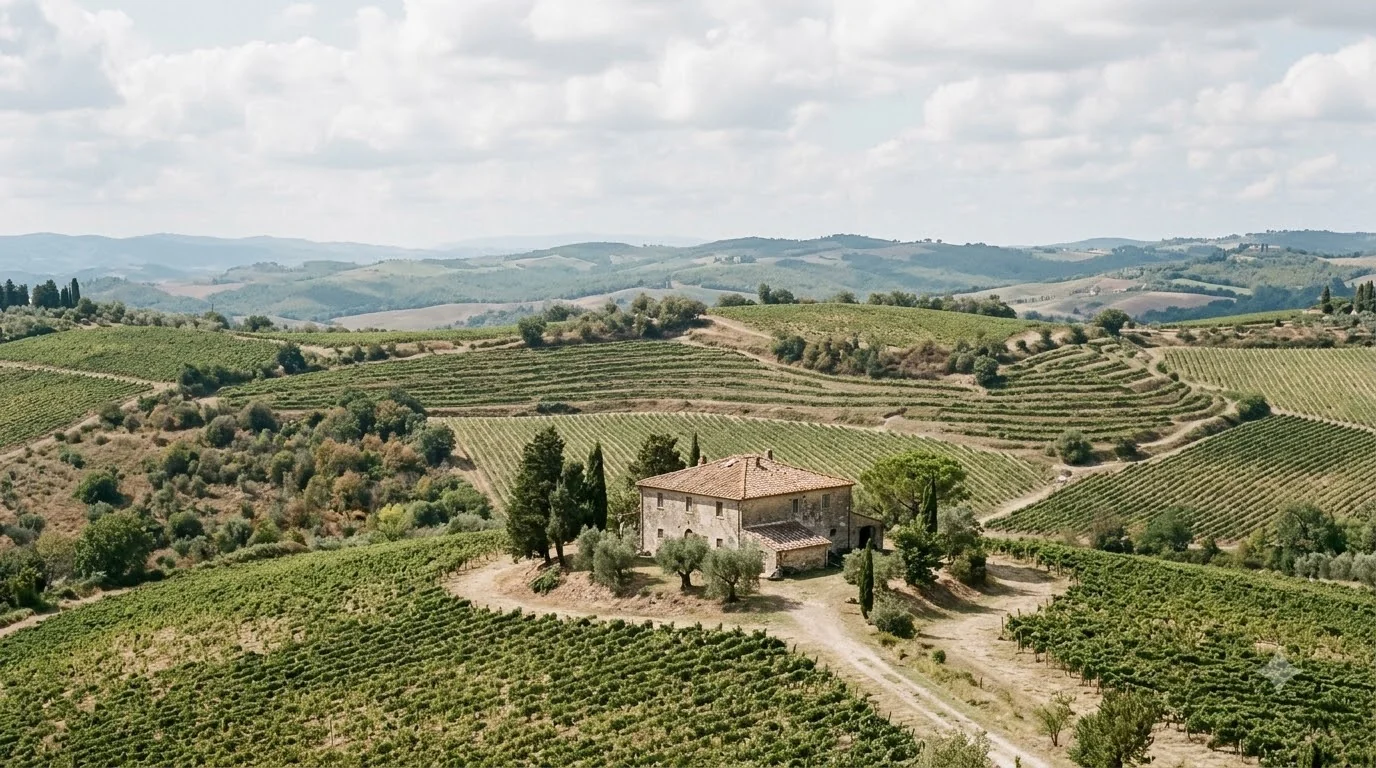
The cahors wine region is a historic appellation in Southwest France known as the ancestral birthplace of Malbec and the origin of inky, structured “black wine.” Located roughly 170 kilometers east of Bordeaux along the meandering Lot River, Cahors AOC requires every red bottle to contain at least 70 percent Malbec, locally called Côt or Auxerrois. Compared to the plush, fruit-forward Malbecs of Argentina, Cahors reds deliver firmer chalky tannins, bright acidity, and savory notes of dark plum, black cherry, cocoa, and wet stone.
Long before Malbec became an Argentine flagship, medieval merchants shipped dark barrels from the Lot Valley downriver to the Atlantic coast, where English and European buyers prized the wines for their deep pigment and staying power. Today, approximately 4,200 hectares of vines grow across river terraces and high limestone plateaus, producing structured red wines that reward both early decanting and years in the cellar.
Overview
Cahors sits in the Occitanie region of Southwest France, centered around the medieval town of Cahors where the Lot River carves dramatic horseshoe bends through hilly terrain. Earned in 1971, the Cahors AOC designation applies strictly to dry red wine.
The region’s climate blends continental seasonality with warm Mediterranean influences from the south and Atlantic moisture from the west. Warm, dry summers allow thick-skinned Malbec grapes to reach full phenolic ripeness, while cool nights and the warm, dry southern wind known as the vent d’autan help preserve acidity and keep vineyard canopies healthy.
History shaped Cahors just as dramatically as weather. In the late nineteenth century, phylloxera devastated the region’s vineyards, shrinking plantings to a fraction of their former footprint. Just as growers rebuilt, a catastrophic February frost in 1956 wiped out nearly the entire appellation. Dedicated replanting throughout the 1960s restored Malbec to the hillsides, setting the stage for the modern quality renaissance led by organic and terroir-focused estates.
Sub-regions
Rather than splitting into separate village appellations, the cahors wine region divides vertically across three distinct geological zones rising from the Lot River up to the surrounding hills. Elevation spans roughly 90 to 350 meters, creating distinct soil profiles and ripening windows within a few miles of one another.
Along the valley floor sit the alluvial river terraces, composed of gravel, sand, and clay deposited by the Lot over millennia. These lower terraces drain well and warm up early in the growing season, yielding supple, fruit-driven bottles with approachable tannins meant for drinking within a few years of release.
Climbing higher above the river, the côtes (slopes) feature deeper clay-limestone soils that retain moisture during dry summer stretches. Vineyards here produce concentrated, broad-shouldered reds with firmer structure and substantial aging capacity. At the highest elevations sit the Causses, arid limestone plateaus of the Massif Central with thin topsoil that forces vine roots deep into fractured rock. According to Wine Folly’s comparison of French and Argentine Malbec, these lean limestone plateaus impart pronounced tannin, deep color, and crisp mineral tension.
| Terroir Zone | Elevation & Soil | Wine Profile | Typical Drinking Window |
|---|---|---|---|
| Alluvial River Terraces | Low valley floor; gravel, sand, and clay | Juicy dark berry fruit, softer tannins, early charm | 2 to 5 years |
| Clay-Limestone Slopes (Côtes) | Mid-elevation hillsides; clay and limestone | Full-bodied, dense black fruit, firm tannic grip | 5 to 15 years |
| Limestone Plateaus (Causses) | High plateaus up to 350 meters; thin topsoil over limestone | Focused minerality, chalky tannins, bright acidity, high longevity | 8 to 20+ years |
Key grapes and styles
Appellation rules stipulate that Cahors red wine must contain a minimum of 70 percent Malbec, with Merlot and Tannat permitted to make up the remaining 30 percent. While traditional blends rely on Merlot for mid-palate roundness or Tannat for extra backbone, many contemporary winemakers bottle 100 percent Malbec to highlight single-parcel terroir.
In the glass, classic Cahors pours nearly opaque purple-black with a vivid magenta rim when young. Reviewers at VinePair’s guide to Cahors Malbec note recurring aromas and flavors of blackberry, black cherry, dried raspberry, violet, espresso, unsweetened cocoa, tobacco, and wet limestone. Unlike warm-climate New World Malbecs that lean toward jammy sweetness, Cahors balances ripe fruit against savory earthiness and refreshing natural acidity.
Winemakers across the valley generally work in two stylistic camps. Traditional cuvées spend extended time in large oak casks or barrels, emphasizing dense structure and dark spice that soften over a decade or more. Alongside them, a younger wave of producers crafts unoaked or concrete-aged “pur fruit” bottlings that preserve bright red-and-black berry aromatics and brisk drinkability right out of the gate.
Notable producers
A mix of centuries-old family estates and forward-thinking organic growers defines the modern quality benchmark across the appellation. Several names appear consistently on American retail shelves and restaurant lists for their expressive regional character.
Château du Cèdre stands among the region’s most respected estates, farming organically and producing both accessible cuvées like Héritage and cellar-worthy single-parcel bottlings. Nearby, Clos Triguedina and Château Lagrézette anchor the region’s historic estate tradition, turning out deeply structured wines that showcase how gracefully Cahors Malbec evolves with bottle age. Clos de Gamot, with family roots tracing back to 1450, remains a benchmark for classic, limestone-driven expressions.
For drinkers drawn to certified organic, biodynamic, or low-intervention farming, Château de Chambert operates as the largest biodynamic estate on the high limestone plateaus. Mas del Périé, led by winemaker Fabien Jouves on the upper Causses, has earned a strong following for fresh, transparent natural cuvées, while Clos La Coutale and Château Combel-La-Serre offer reliable, character-filled introductions to everyday Cahors.
Visiting tips
Touring the cahors wine region rewards travelers who prefer quiet medieval villages, scenic river drives, and unhurried cellar tastings over crowded tour buses. The town of Cahors makes an ideal base, anchored by the fourteenth-century Pont Valentré stone bridge and a lively Saturday morning market stocked with local walnuts, saffron, truffles, and Rocamadour goat cheese.
Plan to rent a car, as wineries sit scattered along winding valley roads and up steep switchbacks onto the Causses plateaus. While larger estates maintain regular tasting room hours from spring through autumn, smaller family domaines frequently require an appointment a few days ahead. Grouping visits by elevation—spending a morning on the river terraces around Puy-l’Évêque and an afternoon on the limestone heights near Trespoux-Rassiels—keeps driving times short and highlights how dramatically soil changes the wine in your glass.
Tip: Serve young Cahors slightly cooler than heavy Napa or Bordeaux reds—around 61 to 63 degrees Fahrenheit (16 to 17 degrees Celsius)—and decant bottles under five years old for one to two hours so the firm tannins open up.
How to buy
Shopping for Cahors in the United States is straightforward once you know a few label cues that signal whether a bottle is built for tonight’s dinner or long-term cellaring. Because the appellation enjoys far less global hype than Bordeaux or Burgundy, Cahors remains one of French wine’s strongest values across every tier.
Start by checking the back label or cuvée name for clues about vineyard elevation and oak aging. Bottles labeled with words like Causse or Calcaire come from high-altitude limestone sites and typically deliver sharper minerality and tighter tannins. Entry-level cuvées marked Gouleyant, Fruit, or Tradition usually favor vibrant dark fruit and softer extraction suited for immediate enjoyment alongside grilled meats, duck confit, mushroom ragù, or aged sheep’s milk cheeses. If you enjoy the structured, savory side of European reds, exploring Cahors pairs naturally with reading about Wine Regions across Southern Europe, including Spain’s bierzo wine region and jumilla wine region or Italy’s marche wine region.
Frequently Asked Questions
Is Cahors wine the same grape as Argentine Malbec?
Yes, both wines are made from the Malbec grape, which originated in Southwest France before traveling to South America in the nineteenth century. In Cahors, growers often refer to the variety as Côt or Auxerrois. Cooler nights, limestone soils, and different clonal selections give French Cahors darker color, firmer tannins, and more savory earthiness than most Argentine bottles.
Why is Cahors called black wine?
Cahors earned the nickname “vin noir” (black wine) during the Middle Ages because Malbec’s thick, pigment-rich skins produce a nearly opaque, deep purple-black liquid. Medieval winemakers also concentrated the wine by boiling part of the must or blending it into lighter northern wines to boost their color and body.
Does Cahors make white or rosé wine?
No, the official Cahors AOC appellation strictly covers dry red wine containing at least 70 percent Malbec. Wineries in the area do produce crisp white, rosé, and sparkling wines from grapes like Chardonnay, Chenin Blanc, and Viognier, but those bottles are labeled under broader regional designations such as IGP Côtes du Lot.
How long should you age Cahors wine?
Approachable, fruit-focused bottles from valley-floor vineyards drink well within two to five years of the vintage date. Structured estate blends and single-vineyard cuvées from the limestone slopes and Causses plateaus typically need five to eight years for their tannins to soften and can evolve gracefully for 15 to 20 years or longer in a cool cellar.
Whether you pull a fresh, concrete-aged cuvée for a weeknight steak or cellar a limestone-plateau reserve for a decade, Cahors offers an unmistakable sense of place that shows what Malbec can achieve in its native soil. Paying attention to producer style and vineyard elevation makes it easy to find a bottle tailored to your palate and dinner table.
More in Wine Regions
 Willcox Wine Trail: Discover Arizona’s High-Elevation Wine CountryUpdated Nov 20, 2026
 Yakima Valley Wine Region: Find the Best Styles to TryUpdated Nov 20, 2026
 Vosne Romanee Wine Tasting: Identify Aromas and Choose Better PairingsUpdated Nov 20, 2026
 Yakima Valley Wine Festival: Find the Best Seasonal Wine EventsUpdated Nov 20, 2026
 Wales Vineyards: Discover Cool-Climate Wines and Where to VisitUpdated Nov 20, 2026
 Yountville Wine Festival: Discover Napa Wines and Local FoodUpdated Nov 20, 2026