

We may earn a commission when you buy through links on this page, at no extra cost to you. Learn more.
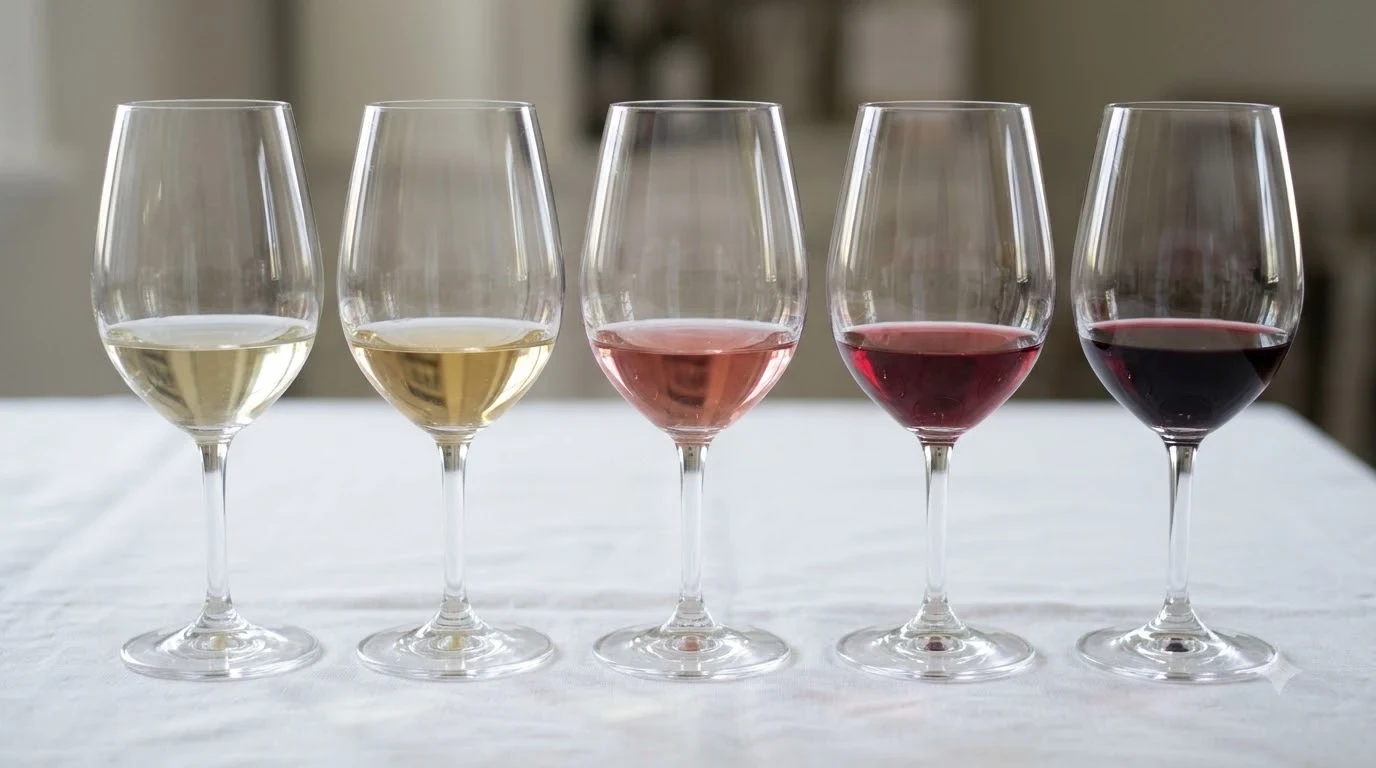
If you have ever wondered why is rose pink, the answer comes down to brief contact between clear grape juice and red grape skins. Almost all red wine grapes have clear flesh and juice inside, while natural pigments called anthocyanins live exclusively in the skins. By letting the crushed juice soak with those skins for just a few hours rather than several weeks, winemakers tint the wine pink while keeping the crisp, low-tannin profile of a white wine.
Walking down a wine aisle reveals a spectrum of pink bottles ranging from the faintest whisper of peach to vibrant watermelon and deep ruby. Despite a persistent rumor that winemakers simply stir red and white wine together in a tank, true still rosé earns its hue through careful timing in the cellar. Understanding how grape skins, production methods, and regional traditions interact explains both the color in your glass and the flavors you taste.
What It Is and Where the Color Comes From
Rosé is a distinct category of wine made primarily from red grape varieties whose skins are separated from the juice early in the winemaking process. Unlike red wine, which ferments alongside its skins for days or weeks to extract heavy tannins and dark pigment, rosé is drained off the skins early and fermented like a white wine.
If you peel a Cabernet Sauvignon, Pinot Noir, or Grenache grape, the pulp inside looks pale green or translucent, and the juice runs clear. According to Wine Folly, most rosé wines spend between 2 and 24 hours in contact with their red skins, though some producers shorten or extend that window depending on the exact style they want. During those hours, pigments called anthocyanins leach out of the grape skins and stain the clear juice pink.
Because the skins are removed before fermentation truly gets underway, rosé absorbs very little tannin—the compound that gives red wines a drying, grippy sensation on your gums. At the same time, that brief soak transfers delicate aromas of fresh strawberries, watermelon, citrus peel, and crushed herbs. The result sits squarely between red and white wine, combining red-berry fruit character with refreshing acidity.
The Four Winemaking Methods That Create Pink Wine
Winemakers rely on four primary techniques to control how much color and structure enter a batch of rosé. Each method alters the juice-to-skin ratio and produces a noticeably different shade and body in the finished bottle.
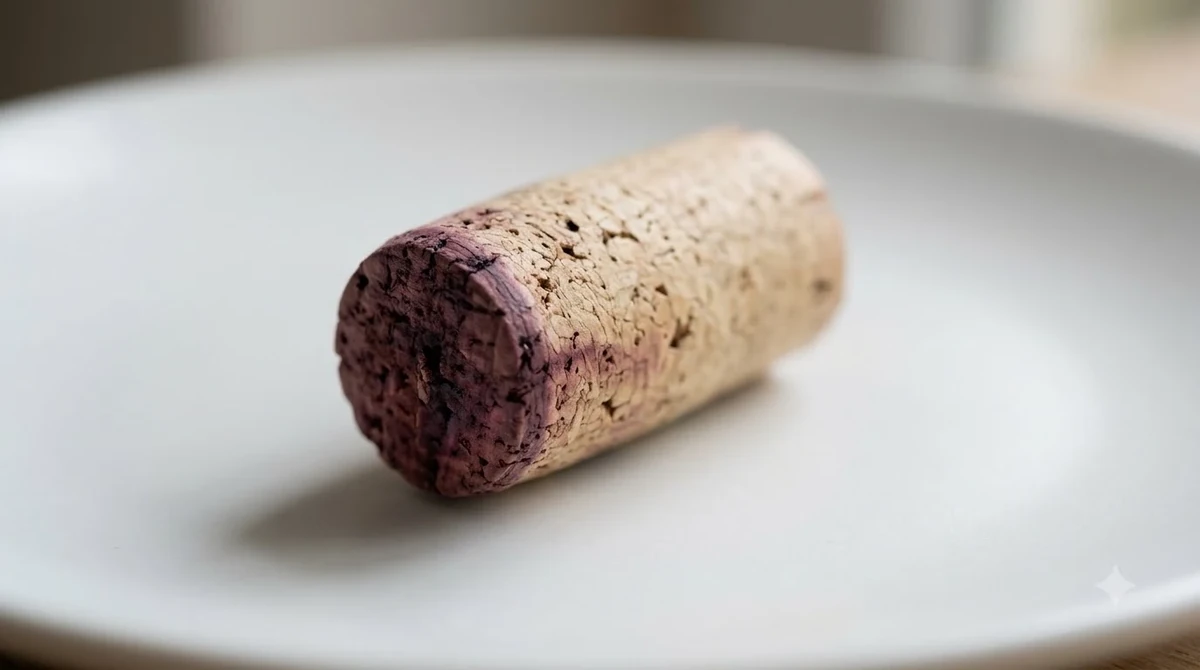
The most widespread approach is limited maceration, where red grapes are crushed and left to soak in their skins for a few hours until the juice reaches the desired shade of pink. Once the winemaker is satisfied with the tint, the pink juice is drained away from the solids and fermented in stainless steel or neutral vessels. Regions like Provence and Languedoc-Roussillon rely heavily on maceration to craft intentional, crisp rosés from grapes harvested specifically for pink wine.
For the palest, almost translucent salmon-colored wines, producers use direct pressing. Whole red grapes go straight into the press immediately after harvest, much like white grapes, so the skins barely touch the juice before separation. Even that fleeting moment of pressure extracts just enough pigment to give the wine a delicate shell-pink blush and bright, citrus-driven aromatics.
A third technique is the saignée method, a French term meaning “to bleed.” During the early hours of making a bold red wine in regions like Napa, Sonoma, or Navarra, a winemaker bleeds off a small portion of pink juice from the tank. Removing that liquid concentrates the remaining red wine by increasing its skin-to-juice ratio, while the bled-off juice is fermented separately into a deeper-colored, fuller-bodied rosé. Finally, the blending method—adding a splash of still red wine to white base wine—is banned for still European rosés, though Wine Enthusiast notes it is a standard, legal practice for crafting sparkling rosé Champagne.
| Winemaking Method | How Color Is Extracted | Typical Hue | Flavor and Body Profile |
|---|---|---|---|
| Direct Press | Red grapes are pressed immediately with minimal skin contact | Pale onion skin or shell pink | Delicate, light-bodied, citrus and white blossom notes |
| Limited Maceration | Crushed grapes soak on skins for 2 to 24 hours before draining | Salmon to bright coral pink | Crisp acidity, fresh strawberry, melon, and subtle herbs |
| Saignée (Bled) | Juice is drained early from a red wine fermentation tank | Deep pink to light ruby | Richer texture, fuller body, ripe cherry and raspberry |
| Blending | Around 5 percent red wine is stirred into finished white wine | Varies from pale blush to rose | Used mainly in sparkling wines like rosé Champagne |
Why Some Bottles Are Pale Salmon and Others Deep Ruby
A bottle’s shade of pink depends on both the grape variety in the vineyard and the winemaker’s clock in the cellar, rather than how sweet the wine tastes. Thin-skinned grapes naturally carry less pigment than thick-skinned varieties, so two wines soaked for the exact same number of hours can emerge looking completely different.
Grenache and Cinsault have relatively thin, pale skins, which is why Provence blends built on those grapes tend to display a light peach or salmon hue. By contrast, thick-skinned grapes like Syrah, Mourvèdre, Cabernet Sauvignon, and Aglianico pack far more anthocyanins into every berry. Even a short maceration with Syrah or Mourvèdre yields a vivid magenta or ruby-tinted wine with firmer structure and savory spice.
Climate and terroir in wine also influence color intensity before harvest even begins. Grapes grown under intense Mediterranean or Southern Italian sunshine develop thicker skins to protect their seeds from ultraviolet rays, resulting in deeper pigmentation. Meanwhile, cooler climates encourage thinner skins and higher natural acidity, nudging winemakers toward lighter, crisper expressions.
Flavor Profiles and Classic Rosé Regions
While nearly any red grape can be turned into rosé, distinct regional traditions have shaped the styles you see on store shelves today. Climate, local grape varieties, and aging choices give each region a recognizable signature in the glass.
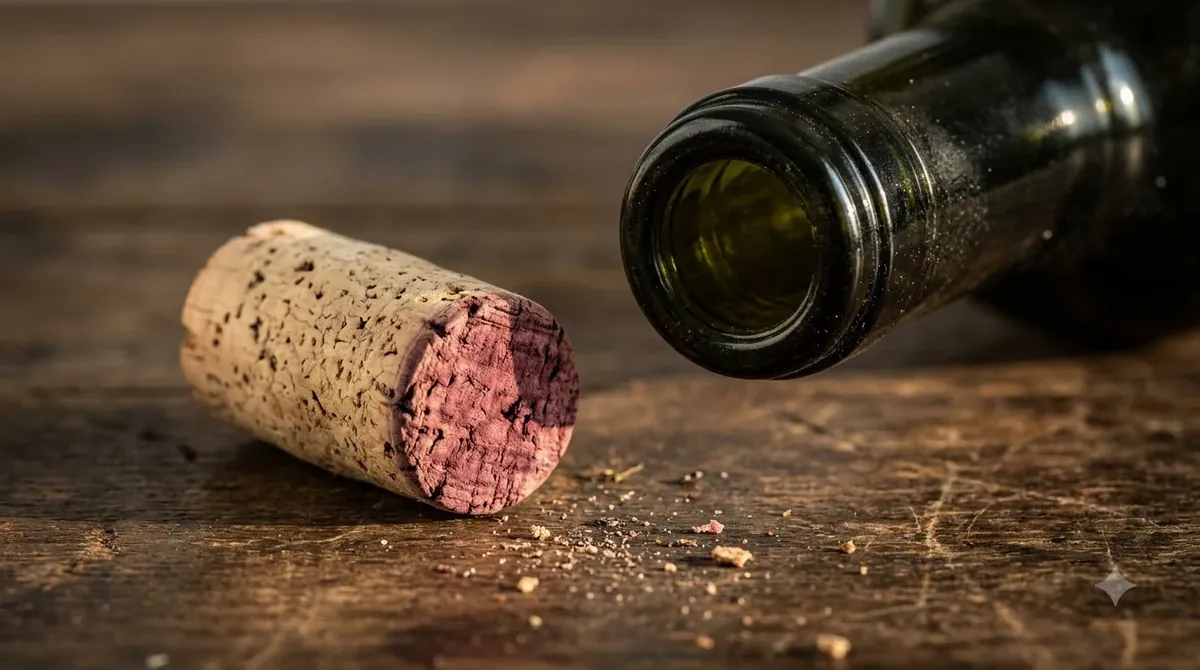
Provence, France sets the global benchmark for dry, pale pink wine. Blended primarily from Grenache, Cinsault, Syrah, and Mourvèdre—sometimes accented with white Rolle (Vermentino)—Provençal rosés deliver crisp notes of wild strawberry, white peach, grapefruit pith, and dried garrigue herbs. Just to the west along the coast, Bandol relies heavily on Mourvèdre and occasionally ages its rosé in oak, producing a structured, mineral-driven wine with serious aging potential.
Further north in the Rhône Valley, Tavel takes the opposite approach from Provence. Winemakers there allow extended skin contact, creating a deep ruby rosé with noticeable tannins, rich red-cherry fruit, and enough weight to stand up to roasted meats. Across the border in Spain, regions like Navarra and Rioja produce vibrant rosados from Garnacha and Tempranillo, often using the saignée method to capture bold raspberry and blood-orange flavors.
In the United States, winemakers in California, Oregon, and Washington craft dry rosés from Pinot Noir, Grenache, and Syrah that mirror European styles, alongside lingering examples of off-dry White Zinfandel. Understanding basic wine Q&A concepts like residual sugar helps clear up a common misconception: modern dry rosés ferment nearly all their grape sugar into alcohol, leaving a crisp, mouthwatering finish regardless of how dark the liquid looks.
Tip: Never judge a rosé’s sweetness by its color—a deep ruby Tavel from France is bone dry, while a pale pink White Zinfandel is noticeably sweet. Check the back label for the region or alcohol level (dry styles typically sit between 12 and 13.5 percent ABV) to gauge sweetness before buying.
How to Serve and Pair Rosé at the Table
Rosé shines at the table because it bridges the gap between white and red wine, offering refreshing chill alongside enough fruit weight to handle rich food. Serving it at the right temperature and choosing complementary dishes brings out its best qualities.
Serve still rosé well chilled, ideally between 45 and 50 degrees Fahrenheit (about 8 to 10 degrees Celsius). Pull the bottle from your refrigerator 15 to 20 minutes before pouring so the aromas open up rather than staying locked behind icy coldness. While most young rosés do not need decanting, fuller-bodied styles from Bandol or Tavel benefit from ten minutes of air in the glass—a principle explained in our guide on why you let wine breathe.
At dinner, match the weight of the wine to the richness of your plate. Light, citrusy Provence styles pair effortlessly with Niçoise salad, grilled shrimp, goat cheese, and raw oysters. Deeper, saignée-style or Mourvèdre-heavy rosés carry enough savory grip to complement herb-roasted chicken, salmon, charcuterie boards, and mildly spiced Mediterranean or Thai dishes.
Frequently Asked Questions
Is rosé made by mixing red and white wine together?
No, almost all still rosé is made exclusively from red grapes whose skins stay in contact with the clear juice for a few hours. Mixing red and white wine is actually prohibited for still rosé across the European Union. The main exception is sparkling rosé Champagne, where producers legally blend a small percentage of still red Pinot Noir or Pinot Meunier into a white base wine.
Does a darker pink color mean the rosé is sweeter?
Color has nothing to do with sweetness; it simply reflects the grape variety and how long the juice soaked on the skins. A dark, vibrant pink rosé made from Syrah or Garnacha can be completely bone dry, while a very pale blush wine can contain noticeable residual sugar. Always look at the wine’s region or producer notes rather than the shade in the bottle.
Can you make rosé wine out of white grapes?
You cannot make rosé solely from white grapes because their skins lack the red anthocyanin pigments needed to turn the juice pink. However, winemakers in regions like Provence occasionally co-ferment or blend a small amount of white grapes, such as Vermentino, with red grapes to boost floral aromatics and crisp acidity.
Why is rosé Champagne often more expensive than still rosé?
Sparkling rosé requires a labor-intensive second fermentation inside each individual bottle, followed by extended aging on yeast lees before disgorgement. Combined with strict vineyard rules and limited yields in northern France, those extra cellar steps explain why Champagne is so expensive compared to still pink wines fermented quickly in stainless steel tanks.
From a two-hour direct press in Provence to a richer saignée release in Napa Valley, every shade of rosé tells the story of how long clear juice lingered beside red grape skins. Paying attention to the grape variety and winemaking method on the label makes it easy to pick a bottle tailored to your meal, whether you want something light and citrusy or bold and savory.
More in Wine Basics
 Which Rose Is Best for Your Taste, Budget, and Food PairingsUpdated Nov 21, 2026
 Is Cheap Wine Bad? How to Find Bottles Worth DrinkingUpdated Nov 21, 2026
 What To Write On A Wine Gift Tag: Thoughtful Messages For Every OccasionUpdated Nov 21, 2026
 Which Wine Is Best For Weight Loss? Compare Lower-Calorie ChoicesUpdated Nov 21, 2026
 What Is The Best Wine For Mimosas? Choose Bubbly That Balances Orange JuiceUpdated Nov 20, 2026
 Which Prosecco Is Best for Your Taste and OccasionUpdated Nov 20, 2026