

We may earn a commission when you buy through links on this page, at no extra cost to you. Learn more.
If you are wondering what wine goes with beef stroganoff, medium-bodied red wines with lively acidity and soft tannins—such as Pinot Noir, Gamay, and Syrah—deliver the cleanest match. Because beef stroganoff combines savory seared beef, earthy mushrooms, and a tangy sour cream sauce, heavy oak and aggressive tannins tend to clash with the dairy. A full-bodied, lightly oaked Chardonnay or a crisp dry Riesling also works remarkably well if you prefer white wine.
Finding the right bottle for beef stroganoff requires looking past the red meat and focusing on the sauce. Unlike a charred ribeye that thrives on high-tannin Cabernet Sauvignon, stroganoff coats tender strips of beef in rich sour cream, broth, mustard, and mushrooms. That creamy, acidic, and umami-packed profile calls for wines with enough brightness to refresh your palate between bites without turning bitter against the dairy.
Why Beef Stroganoff Is a Unique Pairing Challenge
Beef stroganoff breaks the standard “red meat equals big red wine” rule because its defining flavor comes from sour cream, sautéed mushrooms, and beef stock rather than heavy grill char. Traditional recipes also include sweet paprika, onions, and a touch of Dijon mustard, creating a layered dish that is simultaneously creamy, tangy, earthy, and deeply savory.
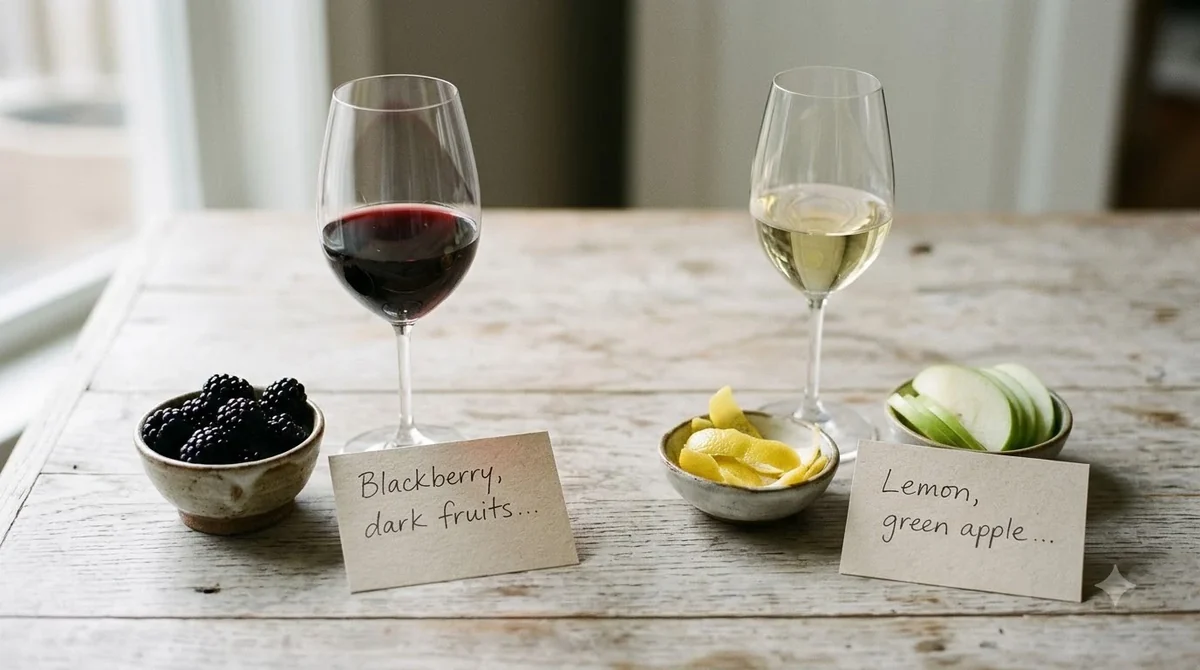
When you pair wine with a sauced dish, Wine Folly’s food and wine pairing principles emphasize matching the wine to the sauce rather than just the protein. Sour cream brings lactic acidity and rich butterfat to the plate. If a wine lacks sufficient natural acidity of its own, the tang of the sour cream will make the wine taste flat, flabby, or overly alcoholic by comparison.
At the same time, high-tannin red wines often struggle alongside dairy-heavy sauces and umami-rich mushrooms. Astringent tannins bind to proteins, and while the beef offers some relief, the combination of sour cream and concentrated mushroom umami can strip away fruit flavors and make heavily oaked reds taste dusty or metallic. Focusing on high acidity and moderate-to-low tannins solves both problems at once.
Best Red Wines to Pair with Beef Stroganoff
Medium-bodied reds with bright natural acidity, soft tannins, and earthy or peppery undertones are the most reliable companions for beef stroganoff. These wines mirror the savory depth of the beef and mushrooms while cutting cleanly through the richness of the sour cream.
Pinot Noir sits at the top of nearly every sommelier’s list for this dish. Its light-to-medium body and silky texture never overwhelm the delicate tenderness of sliced beef tenderloin or sirloin. More importantly, Pinot Noir brings bright red cherry and raspberry fruit alongside forest-floor and mushroom notes that create a natural bridge to sautéed cremini or button mushrooms. Look toward Burgundy, Oregon’s Willamette Valley, or California’s Sonoma Coast for bottles with crisp acidity and restrained oak.
Gamay, best known from France’s Beaujolais region, offers a similar structural sweet spot with even livelier fruit energy. As noted in Wine Folly’s guide to Gamay, the grape’s combination of high natural acidity and low tannin makes it an exceptionally versatile partner for beef stroganoff. Cru Beaujolais appellations such as Morgon, Moulin-à-Vent, or Fleurie supply pomegranate, violet, and subtle potting-soil aromatics that refresh the palate after every creamy forkful.
Syrah is the ideal choice when your stroganoff leans heavier on black pepper, smoked or sweet paprika, and dark beef stock. Cooler-climate expressions—such as Northern Rhône Syrah from Crozes-Hermitage or Saint-Joseph, or coastal California bottlings—feature signature cracked black pepper, cured meat, and blackberry notes. Their moderate tannins handle the beef effortlessly, while their savory spice echoes the seasoning in the pan.
Merlot and Cabernet Franc round out the best red options for cooks who want slightly more plushness or herbal lift. A cool-climate Merlot provides velvety plum fruit without harsh astringency, mirroring the texture of the sauce. Meanwhile, Cabernet Franc from the Loire Valley or Oregon brings bright acidity, red currant, and subtle herbal aromatics that play nicely against the Dijon mustard stirred into classic stroganoff.
Best White and Sparkling Wines for Beef Stroganoff
White and sparkling wines pair far better with beef stroganoff than with most beef dishes because the pale, creamy mushroom sauce behaves much like a rich poultry or pasta preparation on the palate. Choosing a white wine gives you a crisp, palate-cleansing contrast that keeps a heavy comfort-food dinner feeling lively.
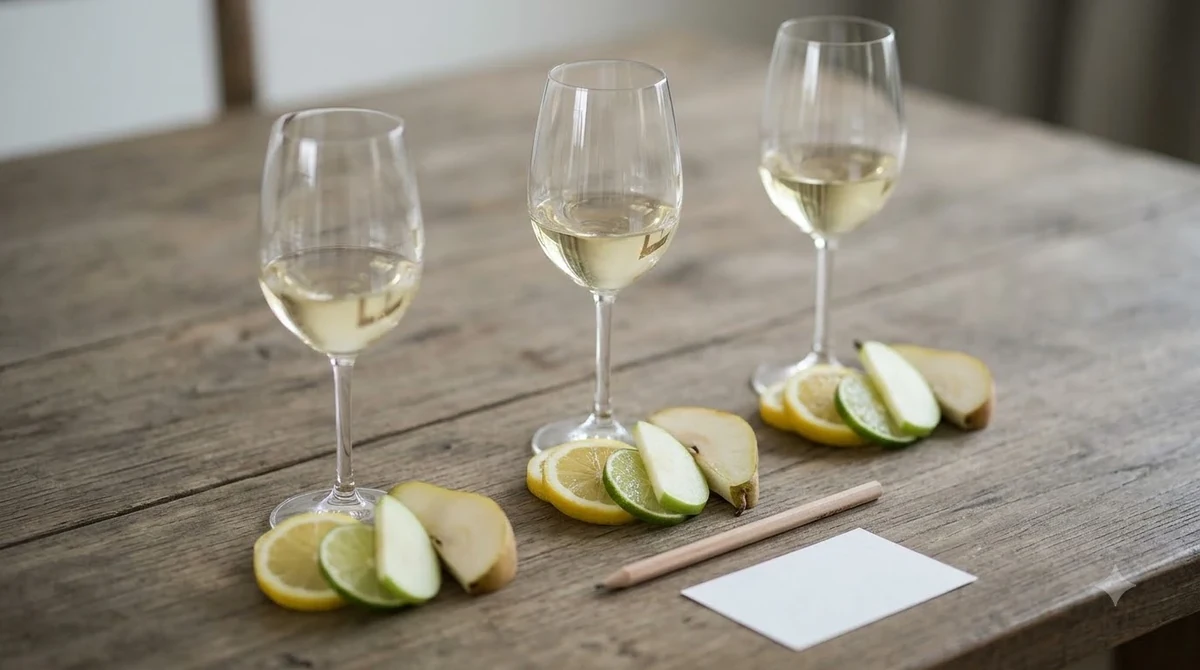
Chardonnay creates a classic congruent pairing when you select a style with both creamy texture and vibrant acidity. A lightly oaked or cool-climate Chardonnay from Burgundy, Sonoma Coast, or Oregon offers baked apple, pear, and citrus notes wrapped in a subtle lees-derived roundness. That texture echoes the richness of the sour cream, while bright underlying acidity prevents palate fatigue.
Dry or Off-Dry Riesling works through pure contrast. A German Riesling from the Mosel or Rheingau, or a dry Riesling from New York’s Finger Lakes, delivers razor-sharp acidity along with orchard fruit and floral aromatics. That zesty snap slices straight through the butter and sour cream, and if the wine carries a whisper of residual sugar, it softens the savory saltiness of the beef broth and Worcestershire sauce.
Dry Sparkling Wine, such as Brut Champagne, Crémant de Bourgogne, or traditional-method sparkling wine from California, is an underrated secret weapon for creamy comfort food. Fine bubbles physically scrub the palate of heavy dairy fat between bites, while autolytic brioche and toasted nut notes from lees aging harmonize with browned butter, onions, and mushrooms.
Beef Stroganoff Wine Pairing Comparison
Different styles of wine interact with the beef, mushrooms, and sour cream in distinct ways depending on whether you want to mirror the dish’s richness or cut through it. The table below compares top red, white, and sparkling choices by body, flavor profile, and ideal serving temperature.
| Wine Style | Body & Structure | Key Flavor Notes | Why It Works with Stroganoff | Serving Temp |
|---|---|---|---|---|
| Pinot Noir (Oregon / Burgundy) | Light-to-medium body, high acidity, low-to-medium tannins | Red cherry, raspberry, forest floor, subtle spice | Earthy undertones echo the mushrooms while crisp acidity balances the sour cream | 55–60°F |
| Gamay (Cru Beaujolais) | Light-to-medium body, high acidity, low tannins | Pomegranate, blackberry bramble, violet, crushed granite | Low tannins prevent bitterness against dairy while bright fruit lifts rich beef stock | 55–60°F |
| Syrah (Northern Rhône / Cool Climate) | Medium-to-full body, medium-plus acidity, moderate tannins | Blackberry, black pepper, savory herbs, smoked meat | Peppery spice matches sweet paprika and mustard without overwhelming the sauce | 60–65°F |
| Chardonnay (Sonoma Coast / Burgundy) | Medium-to-full body, bright acidity, creamy texture | Yellow apple, lemon curd, toasted hazelnut, gentle oak | Creamy mouthfeel mirrors the sauce while bright citrus acidity refreshes the palate | 48–55°F |
| Dry Riesling (Mosel / Finger Lakes) | Light body, racy acidity, unoaked | Green apple, white peach, lime zest, wet slate | High acidity cuts cleanly through butterfat and balances savory umami depth | 44–48°F |
| Brut Sparkling Wine (Champagne / Crémant) | Light-to-medium body, high acidity, lively effervescence | Brioche, baked apple, citrus peel, toasted almond | Carbonation cleanses rich sour cream from the palate; yeasty notes complement mushrooms | 40–45°F |
Tip: Serve red wines like Pinot Noir and Gamay slightly cool—around 55 to 60°F rather than warm room temperature—so their natural acidity stays crisp and refreshing against the hot, creamy sauce.
Matching the Bottle to Your Stroganoff Recipe
Because home cooks and restaurants prepare beef stroganoff in several distinct ways, small tweaks to your recipe can point you toward the best bottle on your rack. Paying attention to the dominant ingredient in the skillet lets you fine-tune your pairing just as you would when exploring foundational wine pairing principles across other comfort dishes.
If your recipe features a generous mound of wild mushrooms—such as chanterelles, shiitakes, or cremini—lean squarely into earthy Old World reds. A village-level Burgundy, an Oregon Pinot Noir, or a mushroom-friendly Northern Italian red like Barbaresco amplifies those woodsy, savory aromas. The umami in browned mushrooms makes fruity wines taste even more complex and layered.
When your version relies heavily on sour cream, crème fraîche, or butter served over wide egg noodles, prioritize higher acidity over fruit weight. Gamay, dry Riesling, or a crisp Crémant will keep the meal feeling balanced from the first bite to the last. Conversely, if you use a darker, deeply reduced beef demi-glace or brown gravy with only a modest swirl of sour cream at the finish, a medium-plus-bodied Syrah, Merlot, or California Zinfandel has the extra backbone needed to match the concentrated meatiness.
Even the base underneath the sauce plays a quiet role in how the wine tastes. Classic buttered egg noodles add extra richness that rewards crisp acidity, whereas serving stroganoff over white rice or mashed potatoes creates a softer, starchier backdrop that welcomes fruit-forward reds like Grenache or Zinfandel. Much like deciding what wine goes with French onion soup, the broth concentration and dairy ratio matter just as much as the beef itself.
Wines to Avoid with Beef Stroganoff
Knowing which bottles to leave on the shelf is just as helpful as picking a winner, because certain popular red wines clash noticeably with creamy mushroom sauces. Avoiding two specific wine traits will save you from a flat or astringent dinner pairing.
First, steer clear of young, heavily oaked, high-tannin reds such as Napa Cabernet Sauvignon, Petite Sirah, or youthful Barolo unless the dish has very little sour cream. Heavy new-oak vanilla and firm grape tannins tend to collide with lactic dairy fat, creating a drying, slightly bitter sensation on the mid-palate. If you love Cabernet, look for a mature bottle with softened tannins or choose a softer Right Bank Bordeaux blend led by Merlot.
Second, avoid low-acid, overly jammy reds or sweet wines. A plush, low-acid red wine will feel heavy and sluggish next to butter, beef fat, and sour cream, leaving your palate coated rather than refreshed. By contrast, when pairing lighter seafood dishes—such as figuring out what wine goes with crab cakes or choosing what wine goes with halibut—delicate proteins dictate the boundary; with beef stroganoff, the creamy, tangy sauce is what sets the boundaries for tannin and acidity.
Frequently Asked Questions
Is red or white wine better with beef stroganoff?
Both red and white wines work well with beef stroganoff, so the better choice depends on whether you prefer a complementary or contrasting match. Medium-bodied reds like Pinot Noir and Gamay echo the savory beef and earthy mushrooms, while high-acid whites like Chardonnay and Riesling cut cleanly through the sour cream sauce.
Can you drink Cabernet Sauvignon with beef stroganoff?
Young, heavily oaked Cabernet Sauvignon is usually not the best match because its firm tannins can taste harsh and drying against sour cream and mushrooms. If you want to drink Cabernet Sauvignon, choose a softer, fruit-forward bottling with moderate tannins or an older vintage whose tannins have mellowed with age.
What is the best white wine to cook with and drink with beef stroganoff?
A crisp, dry white wine such as unoaked Chardonnay, Pinot Grigio, or Sauvignon Blanc works great for deglazing the pan in place of brandy or extra broth. At the dinner table, a lightly oaked Chardonnay or dry Riesling offers the ideal balance of body and acidity to pair alongside the finished dish.
What temperature should I serve wine with beef stroganoff?
Serve light-to-medium red wines like Pinot Noir and Gamay slightly chilled at 55 to 60°F so their acidity feels bright and lively. White wines such as Chardonnay and Riesling taste best between 44 and 55°F, while sparkling wines should be chilled to 40 to 45°F.
The secret to pairing wine with beef stroganoff lies in respecting the sour cream and mushrooms just as much as the tender beef. Reach for a bottle with vibrant acidity and gentle tannins—whether an earthy Pinot Noir, a lively Cru Beaujolais, or a crisp Chardonnay—and every bite of the creamy sauce will taste bright, balanced, and deeply savory.
More in Food & Wine Pairing
 Risotto With White Wine Recipe: Make a Creamy Dinner at HomeUpdated Nov 20, 2026
 Wassail With Wine Recipe for a Festive Spiced Holiday DrinkUpdated Nov 20, 2026
 Spritz Veneziano Recipe: Make a Classic Venetian Aperitivo at HomeUpdated Nov 20, 2026
 Summer Wine Punch Recipe for Easy Homemade EntertainingUpdated Nov 20, 2026
 Bishop Recipe: How to Make a Bright, Citrus-Forward Red Wine CocktailUpdated Nov 20, 2026
 Wine Cupcakes Recipe: Bake Rich Chocolate Cupcakes at HomeUpdated Nov 20, 2026