

We may earn a commission when you buy through links on this page, at no extra cost to you. Learn more.
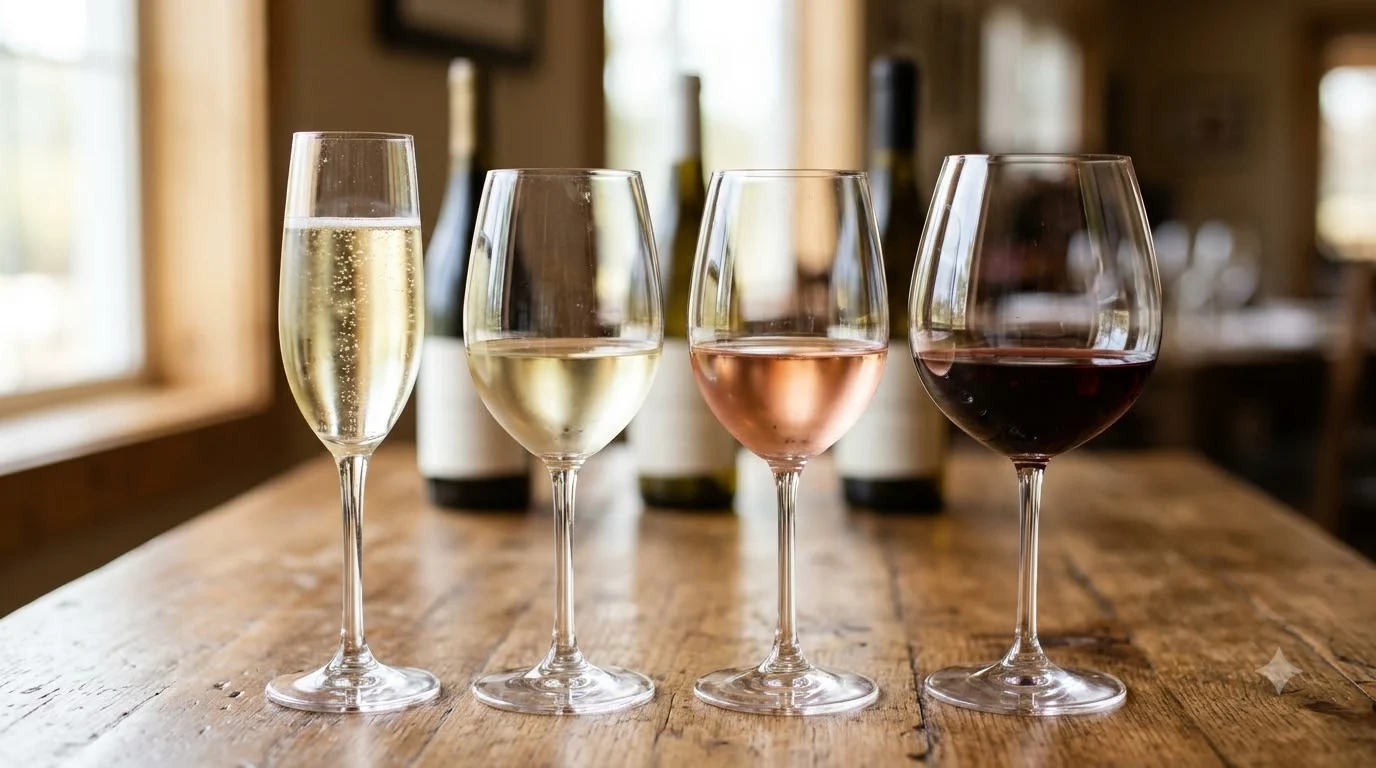
When deciding what wine goes with crab cakes, reach for crisp, high-acid white wines or dry sparkling wines such as Champagne, Albariño, Sauvignon Blanc, Chablis, or dry Rosé. Sweet lump crabmeat, pan-fried breadcrumbs, and tangy remoulade or lemon aioli need brisk acidity and bright citrus or mineral notes to refresh the palate without overwhelming the delicate shellfish. Heavily oaked whites and tannic red wines should be skipped because wood spice and grippy tannins clash with sweet seafood and create a metallic finish.
Crab cakes are a study in culinary contrasts, combining sweet, delicate shellfish with a golden, pan-seared or baked crust and punchy condiments like tartar sauce, spicy remoulade, or Old Bay seasoning. Finding the right bottle comes down to balancing richness, acidity, and seasoning rather than simply matching white wine with seafood. The sections below break down the top wine styles, how cooking methods and sauces shift the pairing, serving temperatures, and bottles to leave on the shelf.
Why Crab Cakes Demand Specific Wine Styles
Crab cakes combine three distinct flavor elements—naturally sweet shellfish, rich fats from butter, oil, or mayonnaise binders, and savory herbs or spices—requiring a wine with lively acidity and restrained oak. Without enough natural brightness in the glass, the richness of the binding agents and pan-frying quickly coats the palate and masks the subtle flavor of the crab.
Unlike plain steamed crab legs, which highlight pure marine sweetness, a crab cake introduces browned breadcrumbs, egg, Dijon mustard, Worcestershire sauce, and fresh herbs. According to Wine Folly’s guide to pairing wine with fish, zesty and refreshing white wines work best with delicate seafood because high acidity cuts through richness and keeps the finish clean. At the same time, the wine needs enough mid-palate texture so it does not taste thin next to browned butter or mayonnaise.
Tannin and heavy new oak create the biggest pitfalls at the table. High tannins in full-bodied red wines react negatively with seafood oils and shellfish proteins, often leaving an unpleasant metallic aftertaste. Meanwhile, heavy vanilla and toast notes from heavily oaked whites can flatten the natural sweetness of lump crabmeat and make fried crusts feel heavier on the palate.
Top White and Sparkling Wines for Crab Cakes
The strongest matches for crab cakes include dry sparkling wines, crisp coastal whites like Albariño and Muscadet, herbaceous Sauvignon Blanc, and unoaked or lightly oaked Chardonnay such as Chablis. Each option brings refreshing acidity while offering a slightly different flavor profile to complement the herbs, citrus, and savory crust on the plate.
Champagne and Traditional-Method Sparkling Wine: Brut Champagne, Crémant, and Cava are arguably the most versatile matches for crab cakes, especially when the cakes are pan-fried or deep-fried. Fine carbonation physically scrubs away oil and breadcrumbs between bites, while brisk acidity highlights the natural sweetness of the crab. Blanc de Blancs styles made entirely from Chardonnay add subtle lemon and brioche notes that echo the golden crust.
Albariño: Hailing from Spain’s Rías Baixas region along the Atlantic coast, Albariño offers bright lemon, lime, and white peach flavors paired with a distinct saline finish. Reviewers at Wine Folly note that Albariño combines mouth-watering acidity with a somewhat weighty mid-palate and subtle saltiness, making it an effortless partner for sweet shellfish, citrus squeezes, and fried seafood.
Sauvignon Blanc and Chablis: When crab cakes are loaded with fresh parsley, chives, tarragon, or dill, Sauvignon Blanc shines because its natural herbal aromatics mirror green kitchen herbs while its zesty citrus profile slices through creamy binders. If you prefer a rounder, less grassy white, look to Chablis—unoaked Chardonnay from northern Burgundy—which delivers crisp green apple flavors and chalky minerality that pair smoothly with both crab and drawn butter.
Tip: If you are serving crab cakes alongside a squeeze of fresh lemon, choose a wine with naturally high acidity like Sauvignon Blanc or Albariño so the citrus on the plate does not make the wine taste flat.
Matching the Wine to Cooking Methods and Sauces
Because preparation techniques and condiments dramatically alter the weight and spice level of crab cakes, tailoring your bottle to the sauce and cooking method ensures the best balance. A lean, broiled Maryland-style cake tastes very different from a pan-fried Southern cake smothered in spicy remoulade.
Broiled or baked crab cakes contain less surface oil and let the sweet, briny flavor of the lump crab take center stage. These leaner preparations shine alongside light-bodied, mineral-driven whites such as Muscadet Sèvre et Maine, Pinot Grigio from northern Italy, or dry Chenin Blanc. When crab cakes are pan-fried in butter or oil, step up to wines with firmer acidity or bubbles—such as Brut Champagne, Cava, or unoaked Chardonnay—to cut through the browned crust.
Condiments often dictate the final bottle choice more than the crab itself. Creamy tartar sauce and lemon aioli call for sharp, citrus-driven whites like Sauvignon Blanc or Grüner Veltliner to slice through the mayonnaise base. If your crab cakes feature heavy Old Bay seasoning, cayenne, or a sweet-and-tangy remoulade, an off-dry Riesling or dry Provençal Rosé works wonders, as a touch of fruit sweetness cools down spice while bright acidity keeps the palate refreshed.
| Crab Cake Style or Sauce | Recommended Wine | Why the Pairing Works |
|---|---|---|
| Classic Maryland Broiled (Lemon Wedge) | Chablis or Muscadet | Chalky minerality and crisp acidity highlight pure lump crab without masking its sweetness. |
| Pan-Fried with Tartar Sauce or Aioli | Sauvignon Blanc or Albariño | Zesty citrus and herbal notes cut right through rich mayonnaise, capers, and fried breadcrumbs. |
| Southern-Style with Spicy Remoulade | Dry Rosé or Off-Dry Riesling | Bright red fruit or gentle sweetness tames cayenne heat while balancing tangy, creamy sauces. |
| Mini Appetizer Crab Cakes | Brut Champagne or Cava | Lively effervescence refreshes the palate between crispy bites and suits a variety of dipping sauces. |
| Rich Butter-Sautéed Crab Cakes | Lightly Oaked Chardonnay or White Rioja | Medium body and subtle texture match browned butter while retaining enough acidity for balance. |
Can You Pair Red Wine or Rosé with Crab Cakes?
Dry Rosé is an outstanding match for crab cakes, whereas red wine should only be served if you choose a light-bodied, low-tannin bottle and serve it slightly chilled. Most red wines clash with shellfish, so careful selection and temperature control are essential if red drinkers are at the table.
Dry Rosé—particularly styles from Provence or coastal regions—bridges the gap between white and red wine. It offers the crisp acidity and refreshing chill of a white wine alongside subtle strawberry, watermelon, and herbal notes that stand up well to Cajun spices, paprika, and tangy remoulade sauces. Unlike full-bodied reds, dry Rosé contains virtually no tannins, eliminating the risk of a metallic clash with the crab.
If you strongly prefer red wine, avoid Cabernet Sauvignon, Syrah, Malbec, and heavily oaked Merlot. Instead, reach for a light-bodied, high-acid red with soft tannins, such as a cool-climate Pinot Noir from Oregon or Burgundy, or a Gamay from Beaujolais. Chilling the bottle for 20 to 30 minutes before pouring firms up the acidity, softens the perception of alcohol, and keeps the fruit bright enough to complement rather than overwhelm the crab. This same approach works well across other food and wine pairing scenarios involving delicate proteins.
Serving Temperatures and Practical Table Tips
Serving your wine at the proper temperature keeps its acidity crisp and prevents alcohol from amplifying spices like Old Bay or cayenne. White, sparkling, and rosé wines taste best well-chilled, while light reds benefit from a brief stint in the refrigerator before dinner.
Sparkling wines like Champagne, Cava, and Prosecco should be served coldest—between 38°F and 45°F—to preserve fine bubbles and lively tension. Crisp, aromatic whites such as Sauvignon Blanc, Albariño, Muscadet, and Riesling show their best citrus and mineral aromatics between 45°F and 50°F. Fuller-bodied whites, including lightly oaked Chardonnay or dry Chenin Blanc, open up nicely slightly warmer at 50°F to 55°F so their texture and subtle orchard fruit are not muted by extreme cold.
If you are hosting a dinner party with multiple courses, pacing your bottles keeps everyone’s palate fresh. Start with chilled sparkling wine or crisp coastal whites alongside appetizer crab cakes, and save fuller whites or lightly chilled Pinot Noir for main-course servings accompanied by roasted vegetables or potatoes. Similarly, if your menu spans other rich or delicate dishes—from deciding what wine goes with halibut to planning what wine goes with French onion soup—keeping high-acid wines at the center of the table makes transitioning between courses effortless.
Frequently Asked Questions
Is Sauvignon Blanc or Chardonnay better with crab cakes?
Sauvignon Blanc is generally the safer choice because its bright citrus acidity and herbal notes cut cleanly through fried crusts, mayonnaise binders, and tartar sauce. Chardonnay can also work very well as long as you choose an unoaked or lightly oaked style—such as Chablis—rather than a heavily oaked, buttery bottle that overwhelms the sweet crab.
What wine pairs best with spicy crab cakes or Old Bay seasoning?
An off-dry Riesling, Grüner Veltliner, or dry Provençal Rosé works best with heavily seasoned or spicy crab cakes. A hint of residual sugar or ripe fruit sweetness cools down cayenne, paprika, and Old Bay spice, while crisp acidity keeps the finish refreshing.
Why does red wine often taste bad with crab cakes?
Most red wines contain high levels of tannins, which interact with the natural oils and proteins in shellfish to create a harsh, metallic aftertaste on the palate. If you want red wine with crab cakes, stick strictly to low-tannin, light-bodied reds like Pinot Noir or Gamay served slightly chilled.
What is the best wine for crab cake appetizers?
Brut sparkling wine—such as Champagne, Cava, or Crémant—is the top choice for mini crab cake appetizers. The lively bubbles cleanse the palate between crispy, bite-sized portions and pair easily with a wide range of dipping sauces on a party platter.
Choosing the right bottle for crab cakes comes down to keeping acidity bright, oak restrained, and tannins low so sweet lump crab stays in the spotlight. Whether you pour a brisk coastal Albariño, a zesty Sauvignon Blanc, or a celebratory glass of Brut Champagne, matching the wine to your cooking method and sauce guarantees a balanced, refreshing meal.
More in Food & Wine Pairing
 Risotto With White Wine Recipe: Make a Creamy Dinner at HomeUpdated Nov 20, 2026
 Wassail With Wine Recipe for a Festive Spiced Holiday DrinkUpdated Nov 20, 2026
 Spritz Veneziano Recipe: Make a Classic Venetian Aperitivo at HomeUpdated Nov 20, 2026
 Summer Wine Punch Recipe for Easy Homemade EntertainingUpdated Nov 20, 2026
 Bishop Recipe: How to Make a Bright, Citrus-Forward Red Wine CocktailUpdated Nov 20, 2026
 Wine Cupcakes Recipe: Bake Rich Chocolate Cupcakes at HomeUpdated Nov 20, 2026