

We may earn a commission when you buy through links on this page, at no extra cost to you. Learn more.
Pinot noir for beginners is the ideal gateway into red wine because its thin grape skins produce a light-to-medium body, soft tannins, and bright red fruit flavors without heavy bitterness. Most bottles fall between 12 and 14 percent alcohol by volume (ABV), offering refreshing acidity and a smooth texture that appeals to newcomers. Served slightly chilled at 55 to 60 degrees Fahrenheit, it pairs easily with everyday dishes like roast chicken, salmon, and mushrooms.
Stepping into the red wine aisle for the first time can feel overwhelming when shelves are packed with heavy, high-tannin bottles that dry out your mouth. Pinot noir skips that aggressive astringency, focusing instead on approachable aromas of cherry, raspberry, and subtle baking spice. Because this ancient grape reflects the exact climate and soil where it grows, learning a few regional cues and serving habits will help you pick a bottle you genuinely enjoy from your very first pour.
What Is Pinot Noir?
Pinot noir is a black-skinned wine grape variety originating in the Burgundy region of France, widely recognized for producing translucent, aromatic, and silky red wines. Its name comes from the French words for “pine” and “black,” a nod to the tight, pinecone-shaped clusters the berries form on the vine.
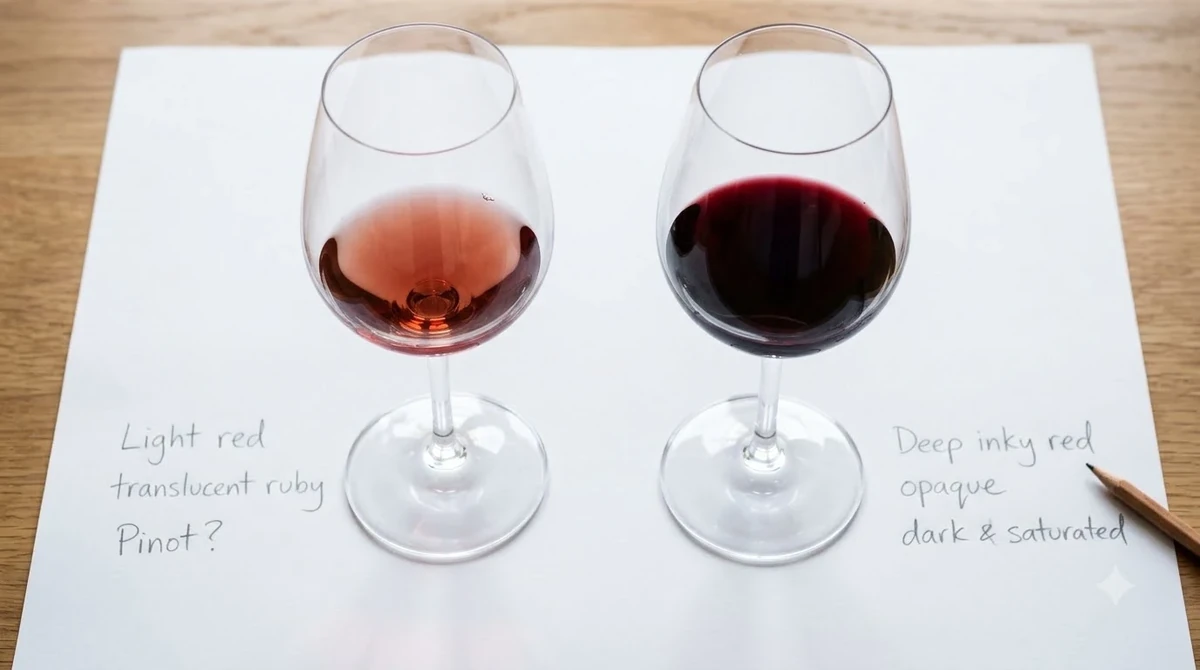
In the vineyard, growers famously call pinot noir the “heartbreak grape” because its delicate, thin skins and tightly packed clusters make it vulnerable to rot, frost, and sunburn. According to Wine Folly, the variety has been cultivated for more than a thousand years and is genetically unstable, giving rise to over 1,000 registered clones as well as color mutations like pinot gris and pinot blanc. Because the skins hold relatively little pigment, the resulting wine pours a lighter ruby or garnet shade compared to dark, opaque reds like cabernet sauvignon or syrah.
That same thin skin is precisely what makes pinot noir so welcoming to new red wine drinkers. Tannins—the naturally occurring compounds in grape skins and seeds that create a gripping, tea-like dryness on your gums—stay low to medium-low in pinot noir. Paired with lively, mouthwatering acidity and a moderate 12 to 14 percent ABV, the wine feels agile and refreshing rather than thick or heavy. If you normally gravitate toward crisp pours covered in our white wine for beginners guide, pinot noir bridges the gap smoothly without overwhelming your palate.
Beyond still red table wine, pinot noir is also a foundational grape in traditional sparkling wine. In Champagne, winemakers blend it with chardonnay and pinot meunier to give sparkling wines backbone, structure, and aging potential, or bottle it on its own as a white sparkling wine called Blanc de Noirs. Winemakers also craft dry, crisp rosé from pinot noir by limiting how long the juice stays in contact with the dark skins.
Flavor Profile and Styles
Pinot noir flavors span two main stylistic camps—fruit-forward New World expressions and earthy, savory Old World bottlings—anchored by core notes of red cherry, raspberry, and cranberry. Understanding which camp you prefer makes shopping far easier.
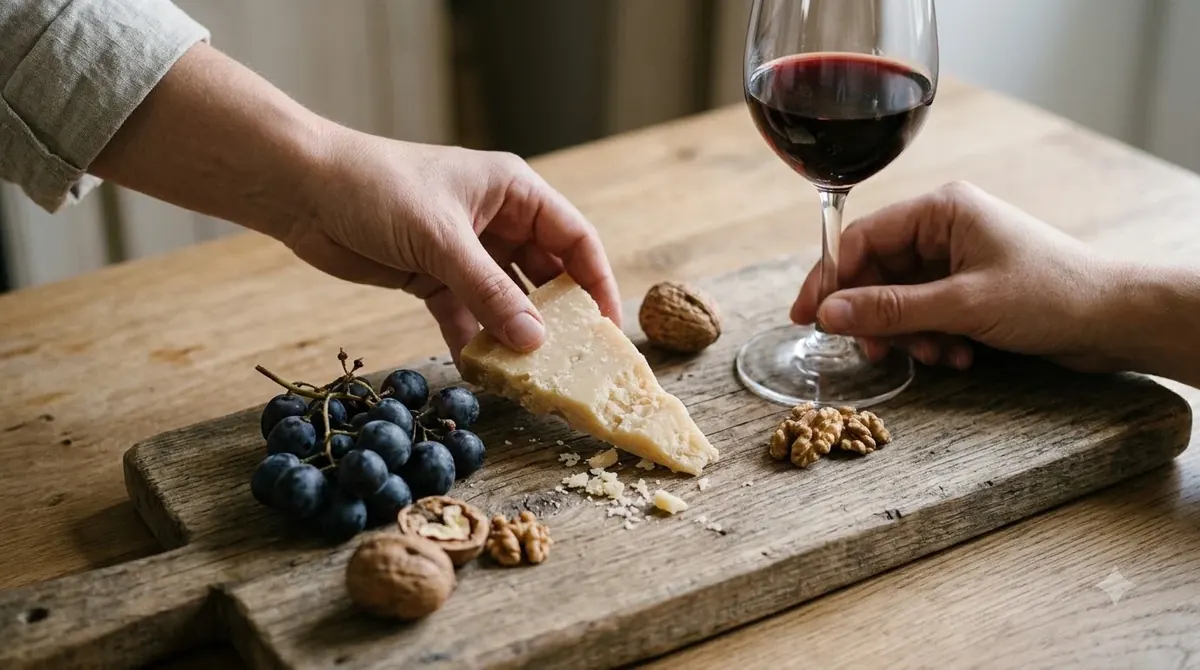
When you swirl a glass of pinot noir, primary fruit aromas lead the way: fresh red cherry, wild strawberry, tart cranberry, and crushed raspberry. Depending on how warm the vineyard climate was, those berries can taste bright and tart or plush and jammy, edging toward black cherry and plum. Secondary aromas come from winemaking choices, particularly aging in French oak barrels, which adds gentle layers of vanilla, clove, cinnamon, cola, and toasted baking spice without burying the delicate fruit.
As bottles mature—or when grapes grow in cooler, traditional European regions—savory and earthy notes emerge alongside the fruit. Wine professionals often describe these nuances as damp forest floor, wild mushroom, wet leaves, dried hibiscus, and subtle leather. Beginners who are transitioning from sweeter beverages or white wines usually prefer the vibrant, fruit-driven style first before exploring drier, mushroom-scented bottles. If you are tracking sweetness levels in your glass, most classic dry styles contain very little residual sugar, which you can explore further in our breakdown of low sugar pinot noir.
| Style Attribute | New World Style (California, Oregon, New Zealand) | Old World Style (France, Germany, Northern Italy) |
|---|---|---|
| Dominant Fruit Notes | Ripe black cherry, raspberry, sweet strawberry | Tart cranberry, sour red cherry, pomegranate |
| Savory & Oak Notes | Vanilla, clove, baking spice, subtle cola | Forest floor, wet leaves, mushroom, dried herbs |
| Body & Texture | Medium body, plush, round, silky mouthfeel | Light-to-medium body, crisp, delicate structure |
| Acidity & Tannin | Moderate-to-high acidity, soft and smooth tannins | High, brisk acidity, fine-grained, earthy tannins |
Where Pinot Noir Grows Best
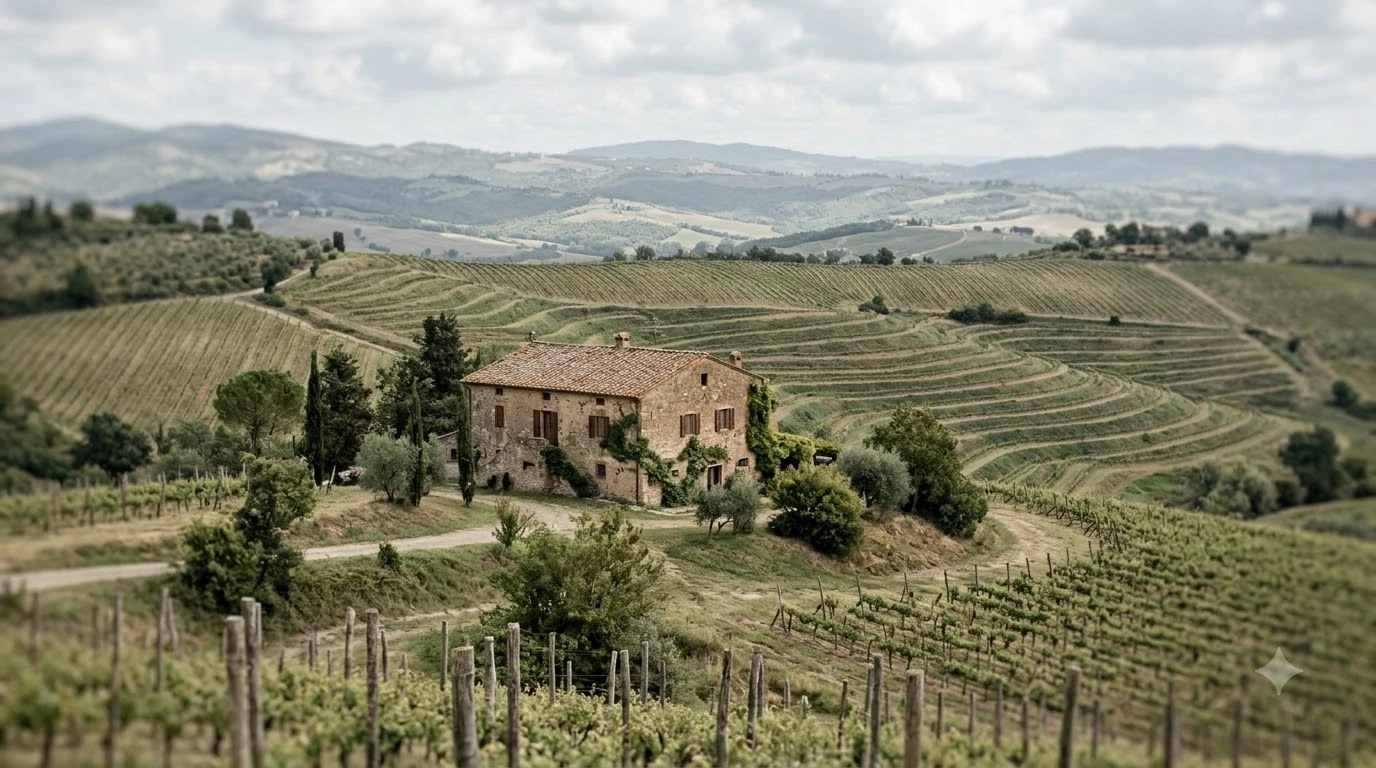
Pinot noir thrives in cool to moderate climates with long growing seasons, producing distinctly different flavor profiles depending on whether the grapes ripen in France, the American West Coast, or New Zealand. Because the grape reacts dramatically to slight shifts in temperature and soil, region is your strongest clue to what is inside the bottle.
In its ancestral homeland of Burgundy, France—where labels often read “Bourgogne” rather than “Pinot Noir”—cool weather and limestone-rich soils yield structured, lighter-bodied wines with brisk acidity, tart red berries, and pronounced earthy undertones. Across the border in Germany, where the grape is called Spätburgunder, regions like Baden and Ahr produce vibrant, mineral-driven bottles with bright cherry fruit and gentle spice. Northern Italy, particularly Alto Adige, labels the grape Pinot Nero and crafts crisp, alpine-influenced reds.
In the United States, Oregon’s Willamette Valley has earned international acclaim for cool-climate pinot noir that balances juicy cranberry and bing cherry fruit with silky tannins and subtle truffle notes. Further south in California, coastal fog cools vineyards in the Sonoma Coast, Russian River Valley, Santa Lucia Highlands, and Sta. Rita Hills, yielding riper, fuller-bodied expressions bursting with black cherry, vanilla, and spice. New Zealand’s Central Otago and Marlborough regions offer another standout New World benchmark, delivering pure, concentrated red fruit with lively acidity.
How to Serve Pinot Noir
Serve pinot noir slightly chilled between 55 and 60 degrees Fahrenheit in a wide-bowled glass to highlight its delicate aromas and keep the alcohol tasting crisp. Serving it too warm flattens the fruit and makes the wine feel sharp.
Many newcomers assume all red wine belongs at room temperature, yet modern American homes typically sit around 70 to 72 degrees Fahrenheit—far too warm for a delicate red. According to Wine Enthusiast, professionals recommend serving lighter-bodied pinot noirs closer to 55 degrees Fahrenheit and fuller-bodied versions around 60 to 65 degrees Fahrenheit. Placing a room-temperature bottle in your standard refrigerator for 15 to 20 minutes before opening brings it right into the ideal zone, or if you plan to collect multiple bottles at home, checking how much is a wine cooler can help you keep reds at dedicated cellar temperatures year-round.
Glassware also shapes your experience more with pinot noir than almost any other red. A Burgundy-style glass features a wide, rounded bowl that collects complex floral and berry aromas and directs the wine toward the tip of your tongue, emphasizing sweetness and silkiness rather than sharpness. Younger bottles benefit from 20 to 30 minutes of breathing time in the glass or a decanter, while leftover wine stays fresh for one to three days if you push the cork back in and store the bottle in the refrigerator.
Tip: Put your bottle of pinot noir in the fridge for 20 minutes before dinner—that brief chill sharpens the berry flavors and smooths out the finish immediately.
Food Pairing Basics
Pinot noir is one of the most food-friendly wines at the dinner table because its brisk acidity cuts through richness while its low tannins never clash with delicate proteins. It bridges the gap between dishes that usually call for white wine and hearty meals built for red.
Classic culinary pairings take advantage of pinot noir’s natural affinity for earthy ingredients and moderate fat. Roasted duck, herb-crusted pork tenderloin, and classic French dishes like coq au vin or beef bourguignon match the wine’s savory undertones without overpowering its light-to-medium frame. At the same time, because pinot noir lacks heavy tannins, it pairs gracefully with grilled or pan-seared salmon—a combination where heavier reds often leave an unpleasant metallic taste.
For weeknight meals and vegetarian cooking, mushroom dishes are an effortless match. Wild mushroom risotto, sautéed cremini mushrooms over polenta, or roasted root vegetables bring out the hidden fruitiness in even the earthiest bottle. Soft to semi-firm cheeses such as brie, camembert, gruyère, and aged gouda also complement the wine’s smooth texture without overwhelming your palate.
How to Choose a Bottle for Beginners
When shopping for your first bottle of pinot noir, look for cool-climate coastal regions, moderate alcohol levels under 14 percent, and recent vintages to ensure fresh, approachable fruit. Reading a few key details on the front and back labels prevents common beginner disappointments.
Start by scanning the region on the front label. Bottles from California’s Sonoma Coast, Monterey, or Santa Barbara County, alongside Oregon’s Willamette Valley and Chile’s Casablanca Valley, offer consistent, fruit-forward profiles that feel welcoming right out of the gate. Next, check the ABV listed in small print on the label: numbers between 12.5 and 13.8 percent generally signal balanced acidity and silky fruit, whereas bottles pushing 14.5 percent or higher can taste overly jammy or warm on the finish.
You do not need an aged, collectible bottle to enjoy pinot noir. Entry-level and mid-tier releases are crafted to be opened within two to five years of the vintage date on the bottle, delivering vibrant cherry and raspberry character without requiring years in a cellar. For more practical label-reading strategies across all styles, browse our Wine Buying Guides before your next trip to the wine shop.
Frequently Asked Questions
Is pinot noir sweet or dry?
Classic pinot noir is fermented dry, meaning virtually all natural grape sugars are converted into alcohol during winemaking. However, ripe New World bottles from California or New Zealand can taste subtly sweet on the mid-palate because their lush cherry, raspberry, and vanilla aromas trick the brain into perceiving fruit sweetness.
Why is pinot noir recommended for red wine beginners?
Pinot noir has naturally thin grape skins, which produces low-to-medium tannins and avoids the heavy, mouth-drying astringency common in cabernet sauvignon. Combined with a light-to-medium body, bright berry flavors, and refreshing acidity, it offers a smooth and approachable introduction to red wine.
How long does an opened bottle of pinot noir last?
An opened bottle of pinot noir stays fresh for one to three days when tightly recorked and stored upright in the refrigerator. Because the wine has fewer protective tannins and lower pigment than full-bodied reds, it oxidizes slightly faster, so chilling it overnight slows down flavor loss.
Do you need to decant pinot noir before drinking?
Most everyday pinot noirs do not require a formal decanter, though letting the wine sit in a wide-bowled glass for 15 to 30 minutes helps tight aromas open up. If you decant a young, structured bottle, keep the aeration brief—around 30 minutes—since delicate older pinot noirs can lose their subtle fragrance if exposed to too much air.
Approaching pinot noir with a focus on cool-climate regions, moderate alcohol, and a brief chill in the refrigerator turns what can seem like an intimidating grape into an effortless everyday pour. Start with a fruit-forward bottle from Oregon or coastal California alongside roast chicken or salmon, and pay attention to whether you gravitate toward bright berries or earthy spice. Once you recognize those baseline cues in your glass, exploring different regions and styles becomes one of the most rewarding habits in wine.
More in Wine Buying Guides
 Riesling Gift: Choose a Bottle They’ll LoveUpdated Nov 21, 2026
 Sweet Red Wine Gift: Choose a Bottle They’ll LoveUpdated Nov 21, 2026
 Malbec Gift: How to Choose a Memorable Bottle for Any OccasionUpdated Nov 21, 2026
 Sherry Gift Ideas That Match Every Wine LoverUpdated Nov 21, 2026
 Moscato Gift: How to Choose a Sweet Wine They’ll LoveUpdated Nov 21, 2026
 Merlot Gift: How to Choose a Bottle They’ll AppreciateUpdated Nov 21, 2026