

We may earn a commission when you buy through links on this page, at no extra cost to you. Learn more.
Rombauer red wine refers to the portfolio of fruit-forward, barrel-aged red wines produced by Rombauer Vineyards in California, led by Napa Valley Cabernet Sauvignon, Napa Valley Merlot, and California Zinfandel. Founded in 1980 in St. Helena, the winery also produces Santa Lucia Highlands Pinot Noir, Amador County Barbera, and limited single-vineyard and reserve Cabernet bottlings. These reds are known for lush dark fruit, supple tannins, and generous French or American oak aging.
While Rombauer built its national reputation on creamy Carneros Chardonnay, its red wine program actually predates its white wine releases and remains a cornerstone of the St. Helena estate. Understanding how these bottlings differ by grape variety, vineyard origin, and oak treatment helps wine drinkers pick the right bottle for dinner or the cellar.
Who Makes Rombauer Red Wine
Rombauer Vineyards was founded in 1980 by Koerner and Joan Rombauer on a hillside property in St. Helena, Napa Valley, and is led in the cellar by longtime winemaker Richie Allen. Since August 2023, the winery, tasting rooms, and estate vineyards have operated as part of E. & J. Gallo’s Luxury Wine Group.
Before launching their own label, Koerner Rombauer spent nearly three decades flying as a military and commercial pilot, and the couple moved their family to Napa Valley in 1972 to pursue farming. After becoming partners in Conn Creek Winery in 1976 to learn cellar work from the ground up, they sold their stake in 1980 and harvested their very first grapes: Stags Leap District Cabernet Sauvignon. Those inaugural red wines were crafted with winemaker Bob Levy at Shafer Vineyards and inside Koerner’s bonded home garage before the St. Helena winery broke ground in 1982. That 1980 Cabernet Sauvignon was officially released in 1984 alongside the 1982 Chardonnay, establishing red wine as the true starting point of the Rombauer Vineyards winery history.
During the 1980s and 1990s, the St. Helena facility also functioned as a custom-crush incubator for several now-famous Napa producers, including Duckhorn, Spottswoode, and Dominus. Continuity in the cellar has remained a defining trait of the label: Richie Allen joined the winery as a harvest intern in 2004, became head winemaker in 2008, and still oversees the red winemaking team. As reported in VinePair’s profile of Rombauer, the brand’s 2023 acquisition by E. & J. Gallo placed Rombauer alongside historic California names like Louis M. Martini while preserving its Napa Valley and Sierra Foothills vineyard footprint.
Today, Rombauer owns and sustainably farms more than 830 acres of vineyards across Carneros, Atlas Peak, Stags Leap District, St. Helena, Calistoga, and the Sierra Foothills. Many of its estate parcels carry Napa Green and Fish Friendly Farming certifications, giving the winemaking team direct control over fruit ripeness and harvest timing across multiple California climates.
The Rombauer Red Wine Lineup
The Rombauer red wine portfolio spans flagship Napa Valley Bordeaux varietals, heritage Sierra Foothills Zinfandel and Barbera, coastal Pinot Noir, and small-lot reserve selections. Core releases are widely distributed across the United States, while single-vineyard and cellar-club bottlings are produced in smaller quantities.
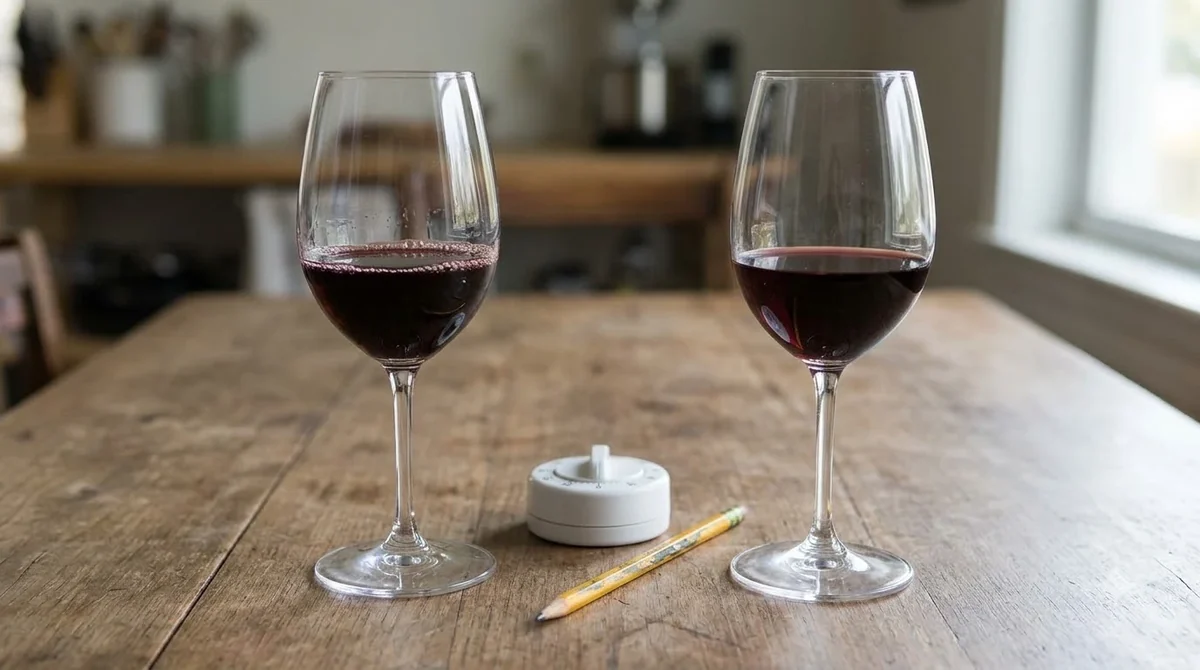
At the center of the lineup is the Napa Valley Cabernet Sauvignon, typically blended with small amounts of Petit Verdot and Cabernet Franc from St. Helena, Calistoga, Stags Leap District, and Atlas Peak. Above this flagship bottling sits the Diamond Selection Cabernet Sauvignon, the single-vineyard Stice Lane Cabernet Sauvignon from St. Helena, and Le Meilleur du Chai, a barrel-selection reserve Cabernet crafted only in standout vintages. Alongside Cabernet, Rombauer produces a Napa Valley Merlot sourced primarily from cool, clay-rich vineyards on the Napa side of Carneros, blended with small portions of Cabernet Sauvignon and Petit Verdot for added structure.
Beyond Napa Valley, Rombauer maintains a major presence in Zinfandel, bottling a broad California Zinfandel alongside vineyard-specific expressions such as Twin Rivers from El Dorado County and Proprietor Selection from Fiddletown. These Zinfandels are routinely blended with a small percentage of Petite Sirah to deepen color and mid-palate grip. Rounding out the red collection are an Amador County Barbera—grown on sandy Sierra Foothills soils—and a Santa Lucia Highlands Pinot Noir sourced from cool, wind-swept benches in Monterey County, including Garys’ Vineyard.
| Bottling | Primary Region | Key Grapes | Typical Oak Aging |
|---|---|---|---|
| Napa Valley Cabernet Sauvignon | Napa Valley | Cabernet Sauvignon, Petit Verdot, Cabernet Franc | 16–17 months in French oak (majority new) |
| Stice Lane & Diamond Selection Cabernet | St. Helena / Napa Valley | Cabernet Sauvignon | 17 months in French oak (up to 100% new) |
| Napa Valley Merlot | Carneros / Napa Valley | Merlot, Cabernet Sauvignon, Petit Verdot | 15 months in French oak (around 40% new) |
| California Zinfandel | California (Sierra Foothills & North Coast) | Zinfandel, Petite Sirah | 14 months in American and French oak |
| Amador County Barbera | Sierra Foothills (Amador County) | Barbera | French and American oak barrels |
| Santa Lucia Highlands Pinot Noir | Monterey County | Pinot Noir | French oak barrels |
Comparing Rombauer to other popular labels in our overview of Wine Brands shows how the producer occupies a middle ground between boutique Napa estates and large national labels. Every red in the catalog is bottled under natural cork and built around ripe California fruit rather than austere, high-acid Old World restraint.
Taste Profile and Winemaking Style
Rombauer red wines share a signature house style defined by plush dark fruit, velvety tannins, and prominent baking-spice notes from oak barrel aging. Rather than chasing high-acid, lean profiles, the winery harvests ripe grapes and uses gentle extraction to create an immediate, mouth-filling texture.
In the cellar, red grapes undergo optical sorting so only uniform, ripe berries enter the fermenter, followed by a cold soak to draw deep color and primary fruit aromas before fermentation begins. For Napa Valley Cabernet Sauvignon and Merlot, winemakers combine tank and barrel fermentation—and 100 percent barrel fermentation for top lots like Stice Lane—before gently basket-pressing the wine into French oak barrels for malolactic fermentation and 15 to 17 months of aging. This approach yields Cabernet Sauvignons layered with black currant, blackberry, cassis, dark chocolate, and toasted cedar, typically bottling around 14.8 to 15 percent ABV.
Rombauer Merlot leans into ripe blueberry, plum, black cherry, clove, and cinnamon over fine-boned, supple tannins, usually landing around 14.5 to 14.8 percent ABV. By contrast, the California Zinfandel spends roughly 14 months in a combination of American and French oak (with a modest share of new wood) and regularly reaches 15.5 to 15.9 percent ABV. Reviewers and the producer note that this Zinfandel delivers concentrated cherry jam, wild blackberry, nutmeg, and black pepper supported by soft tannins and bright underlying acidity. If you enjoy Italian-style depth and structure like zenato wine, Rombauer’s Cabernets and Barbera offer a riper, Californian interpretation of full-bodied red fruit and spice.
How to Serve and Pair Rombauer Red Wine
Most Rombauer red wines perform best slightly below room temperature—around 60 to 65°F—with 30 to 45 minutes of aeration for young Napa Valley Cabernets. Serving these full-bodied reds too warm emphasizes their higher alcohol levels and flattens their fresh berry aromatics.
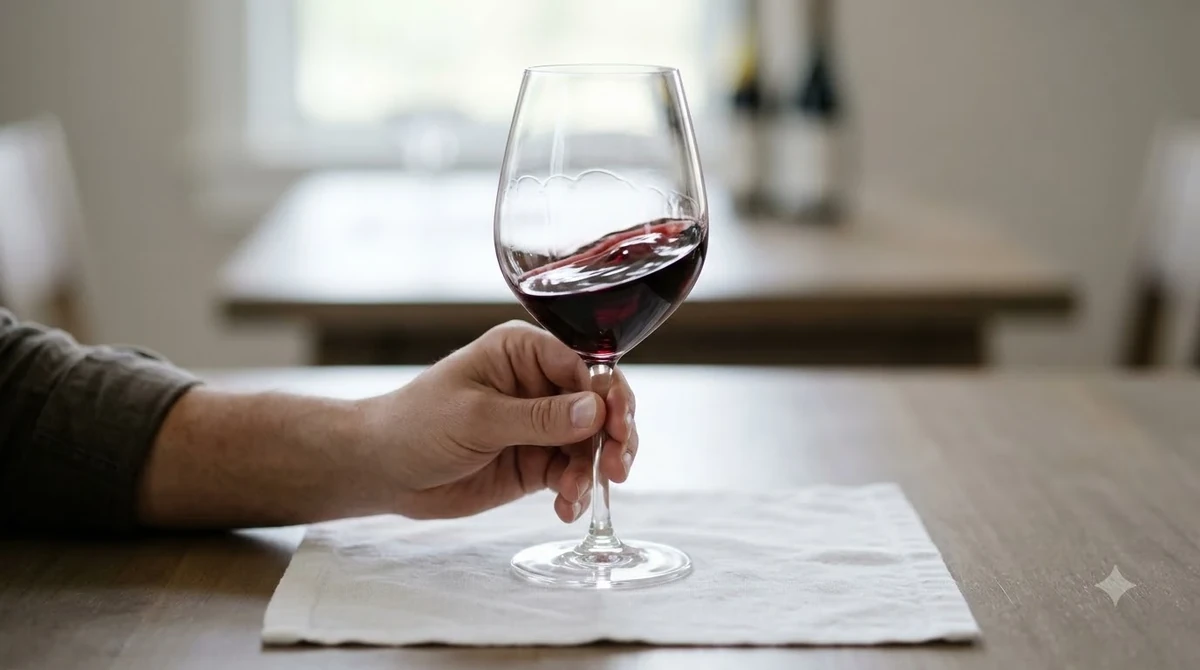
A brief chill of 15 to 20 minutes in the refrigerator before pouring brings Napa Cabernet, Merlot, and Zinfandel into their ideal 60 to 65°F window. In fact, Rombauer specifically recommends serving its California Zinfandel slightly cool at around 65°F so its blackberry, cherry, and spice aromatics stay lifted rather than jammy. While the Merlot, Zinfandel, Barbera, and Pinot Noir are approachable upon release, the Napa Valley Cabernet Sauvignon and single-vineyard Stice Lane bottlings benefit from decanting in their first few years and can develop in a cool cellar at 57 to 62°F for seven to ten years or more.
At the dinner table, the richness and supple tannin structure of Rombauer reds call for savory, protein-rich dishes that match their weight. Napa Valley Cabernet Sauvignon and Stice Lane pair naturally with grilled ribeye steak, braised beef short ribs, herb-crusted rack of lamb, and aged cheddar or Gruyère. Napa Valley Merlot bridges the gap between red meat and earthier dishes, working well with roasted pork tenderloin, mushroom ragout over pasta, or duck breast. California Zinfandel shines alongside smoky barbecue, pulled pork, gourmet burgers, and roasted eggplant or tomato ragout, while the brighter acidity of Amador County Barbera cuts cleanly through wood-fired pizza and tomato-based pastas.
Tip: Put a bottle of Rombauer Zinfandel or Cabernet Sauvignon in the refrigerator for 15 minutes before opening; bringing it down from a warm kitchen to 60–65°F keeps the 14.8% to 15.9% alcohol balanced and sharpens the dark fruit aromas.
Who Rombauer Red Wine Suits Best
Rombauer red wine is built for drinkers who love rich, ripe, oak-kissed California reds with smooth tannins and generous fruit character from the very first sip. It appeals strongly to fans of classic Napa Valley steakhouse pours as well as casual collectors looking for dependable, crowd-pleasing bottles for dinner parties and holidays.
If your palate gravitates toward plush textures, vanilla-and-toast oak framing, and unmistakable blackberry or black-cherry concentration, Rombauer’s Cabernet Sauvignon, Merlot, and Zinfandel fit right in. Drinkers who enjoy approachable, fruit-driven American reds such as main and vine wine or rich dark-fruit blends like apothic brew often find Rombauer to be a natural step up into region-specific Napa Valley and Sierra Foothills winemaking. Conversely, wine lovers who prefer high-acid, earthy, or tightly wound Old World reds with minimal new oak influence will likely find Rombauer’s style too opulent and fruit-forward.
Frequently Asked Questions
What is Rombauer’s most popular red wine?
Napa Valley Cabernet Sauvignon and California Zinfandel are Rombauer’s two most widely recognized and distributed red wines. The Napa Valley Cabernet Sauvignon was actually the very first wine the winery produced in 1980, while the California Zinfandel has earned a loyal following for its bold dark-berry fruit, spice notes, and smooth finish.
Is Rombauer red wine sweet or dry?
All of Rombauer’s core table red wines—including its Cabernet Sauvignon, Merlot, Zinfandel, Barbera, and Pinot Noir—are fermented dry. They can taste lush and fruit-sweet on the mid-palate because of ripe California fruit, vanilla notes from oak barrels, and higher alcohol levels, rather than residual sugar.
How long can you age Rombauer Cabernet Sauvignon?
Rombauer Napa Valley Cabernet Sauvignon is crafted to be approachable upon release thanks to gentle basket-pressing and supple tannins, yet it has the structure to age well for 7 to 12 years in proper cellar conditions (57 to 62°F on its side). Single-vineyard and reserve bottlings like Stice Lane and Le Meilleur du Chai can develop even longer.
What is the alcohol content of Rombauer red wines?
Rombauer red wines typically range from about 14.5% to 15.9% ABV depending on the grape variety and vintage. Napa Valley Merlot generally sits around 14.5% to 14.8% ABV, Napa Valley Cabernet Sauvignon averages 14.8% to 15% ABV, and California Zinfandel commonly reaches 15.5% to 15.9% ABV.
Whether you start with a bottle of cool-climate Carneros Merlot, a classic Napa Valley Cabernet Sauvignon, or a spicy Sierra Foothills Zinfandel, Rombauer’s red lineup delivers consistent California richness across every varietal. Pay attention to serving temperature and give younger Cabernets a short decant to get the best expression in the glass.
More in Wine Brands
 Underwood Wine Price: Compare Bottles, Cans, and Pack SizesUpdated Nov 21, 2026
 Zenato Wine Price: Compare Styles and Choose the Right BottleUpdated Nov 21, 2026
 Zuccardi Wine Price: Compare Bottles and Find the Right RangeUpdated Nov 21, 2026
 Yellow Tail Moscato Review: Taste, Sweetness and Serving TipsUpdated Nov 21, 2026
 Wolf Blass Yellow Label Review: Choose Your Best StyleUpdated Nov 21, 2026
 Wolffer Estate Rose Review: Choose the Right Bottle for Your TableUpdated Nov 21, 2026