
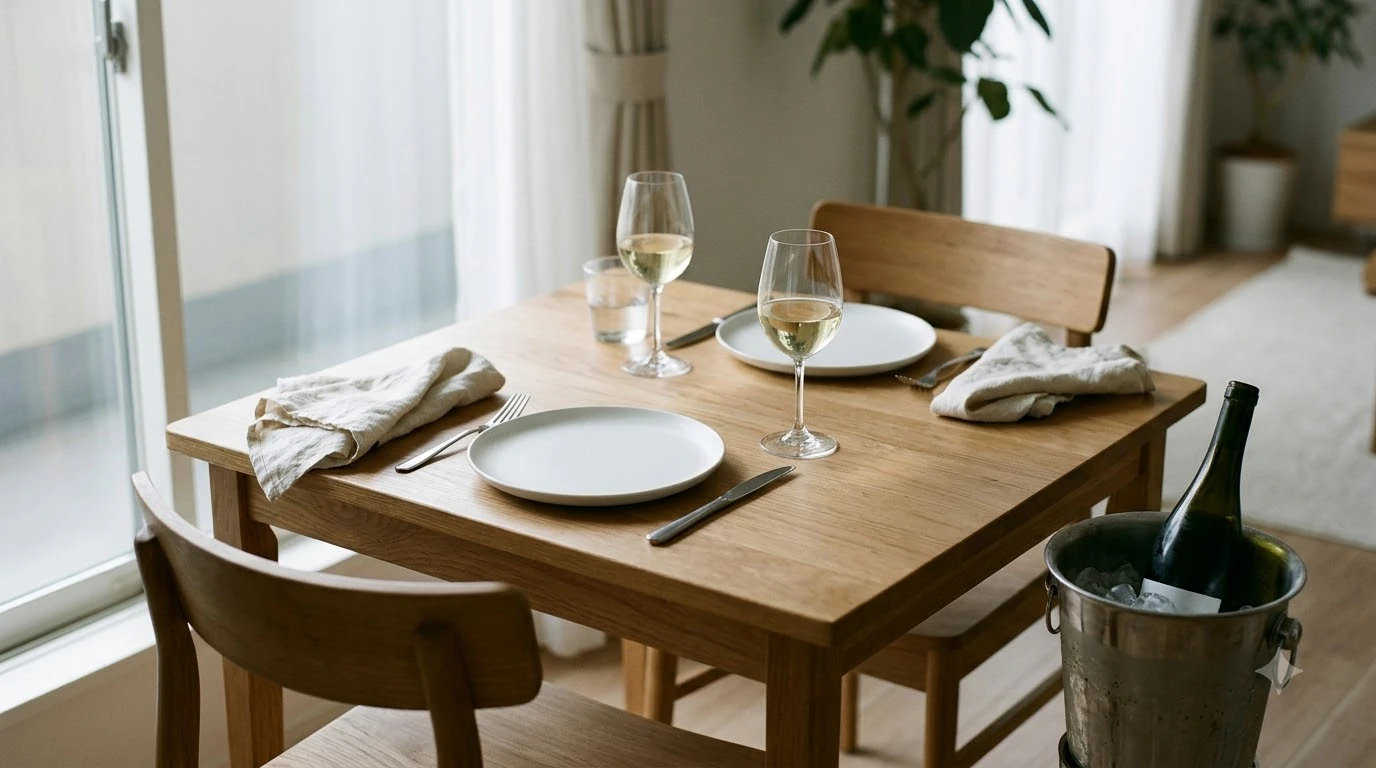

We may earn a commission when you buy through links on this page, at no extra cost to you. Learn more.
The beringer white zinfandel alcohol content is generally listed at 10% alcohol by volume (ABV) for Beringer Main & Vine White Zinfandel. That figure applies to the wine’s alcohol concentration, not the amount in the whole bottle. A standard 750 ml bottle holds roughly five 5-ounce pours, so serving size matters as much as the percentage when you estimate how much alcohol is in your glass.
Beringer’s White Zinfandel is a California rosé made from the red Zinfandel grape. Its light body, red-berry and melon character, and gentle sweetness make it a different proposition from the bigger, higher-alcohol red wines also made from Zinfandel. The details below explain the 10% figure, show the bottle arithmetic, and cover serving, storage, and food choices.
Beringer White Zinfandel Alcohol Content and Bottle Math
Beringer Main & Vine White Zinfandel is listed at 10% ABV, and its common 750 ml bottle contains about five standard 5-ounce wine pours. Those two numbers give a useful starting point for understanding the strength of a glass without confusing alcohol concentration with total bottle volume.
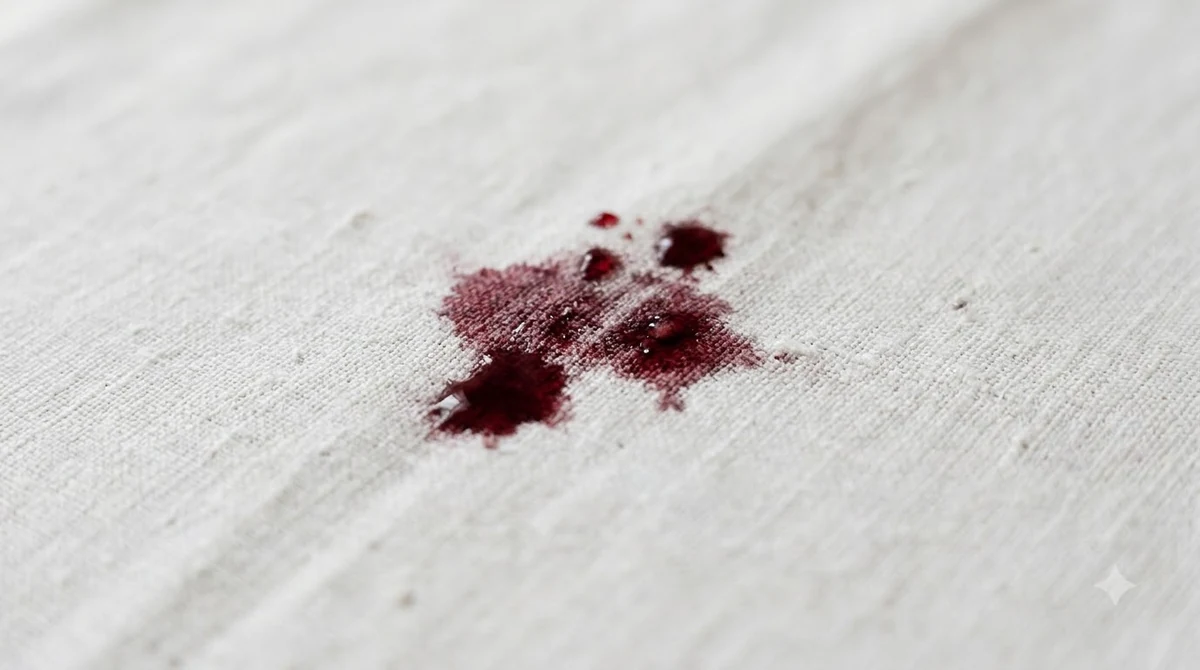
ABV means alcohol by volume: the percentage of a liquid’s volume that is pure ethanol. At 10% ABV, 100 ml of this wine contains about 10 ml of alcohol. A full 750 ml bottle therefore contains approximately 75 ml of pure alcohol, before accounting for small variations between bottlings or rounding on product information. The calculation is straightforward: multiply the wine volume by 0.10. It does not mean the bottle is only 10% wine or that the rest is water; the remaining volume includes water and many other naturally occurring wine components.
A 5-ounce pour is about 148 ml. At 10% ABV, that serving contains roughly 14.8 ml of pure alcohol. Five such pours use about 740 ml, which is why a 750 ml bottle is commonly described as five glasses. Actual pours are often larger or smaller at home, so the number of glasses from a bottle is not fixed. A generous 6-ounce pour produces fewer servings and contains more alcohol than a 5-ounce pour, even though the wine itself remains 10% ABV.
How 10% ABV Compares With Red Zinfandel
A 10% White Zinfandel sits near the upper end of the commonly cited 8–10% ABV range for the style, while California red Zinfandel often falls around 14–16% ABV. The grape name is shared, but the winemaking choices and finished wine styles create a noticeable difference in both alcohol level and weight.
Red Zinfandel is made from the same black-skinned grape, but it is fermented with more skin contact to extract color, tannin, and a more concentrated structure. Wine Enthusiast describes many California red Zinfandels as full-bodied and typically 14–16% ABV. Warm California growing conditions can help Zinfandel grapes reach high sugar levels, and yeast converts grape sugar into alcohol during fermentation. More fermentable sugar can therefore contribute to a higher finished ABV.
White Zinfandel is a rosé rather than a white wine in the strict color sense. Producers limit the time the juice spends with the dark grape skins, allowing only a pale pink hue to develop before fermentation continues away from the skins. The Total Wine White Zinfandel guide explains that this style is often made with a stopped or interrupted fermentation, leaving some grape sugar in the wine and producing a lower alcohol level, commonly around 8–10% ABV.
The comparison is not a rule that every red Zinfandel must be stronger than every rosé. Alcohol levels vary by producer, harvest conditions, and production decisions. Still, the broad contrast is helpful: Beringer’s listed 10% is more in line with the fresh, lightly sweet White Zinfandel category than with ripe, full-bodied California red Zinfandel. A red Zin at 15% ABV contains 50% more alcohol by volume than a wine at 10% ABV, for the same pour size.
Grape, Rosé Method, and Flavor Profile
Beringer Main & Vine White Zinfandel is made from Zinfandel, a black-skinned grape, and is presented as a pink California wine with red-berry, citrus, and melon notes. Its listed tasting description also mentions subtle nutmeg and clove, while the style is generally soft and medium-sweet rather than bone dry.
Color comes primarily from contact between grape juice and skins. In a typical White Zinfandel method, crushed grapes begin fermenting with their skins for a short period; the pink juice is then separated and fermentation continues without extended skin contact. Total Wine describes this short maceration as a matter of a couple of hours. That brief contact gives the wine its blush color while limiting the extraction of tannin and deep pigment associated with red Zinfandel.
Sweetness is tied to fermentation. In a fully dry wine, yeast consumes nearly all of the fermentable grape sugar. In a medium-sweet White Zinfandel, fermentation may be stopped before all of the sugar is converted into alcohol, leaving residual sweetness. That is one reason the style can combine a relatively low ABV with a fruit-forward taste. Sweetness does not mean that the wine has no acidity, nor does it mean that every White Zinfandel tastes equally sweet.
Beringer’s tasting notes point to fresh red berries, citrus, and melon, with nutmeg and clove in the background. These flavors are best understood as aroma and flavor impressions rather than added fruit or spices. Strawberries and watermelon are common descriptors for the style, while the Zinfandel grape itself can also show raspberry, blackberry, and spice in other expressions. Because the wine has low tannin and a lighter body, it does not have the grip of a structured red wine. It is better approached as a chilled, fruit-led rosé. The Total Wine style guide characterizes White Zinfandel as medium-sweet, light-bodied, low in tannin, and relatively low in acidity compared with sharper whites such as Sauvignon Blanc. That balance helps explain why it works as a casual aperitif and with uncomplicated dishes.
Serving Temperature and Freshness After Opening
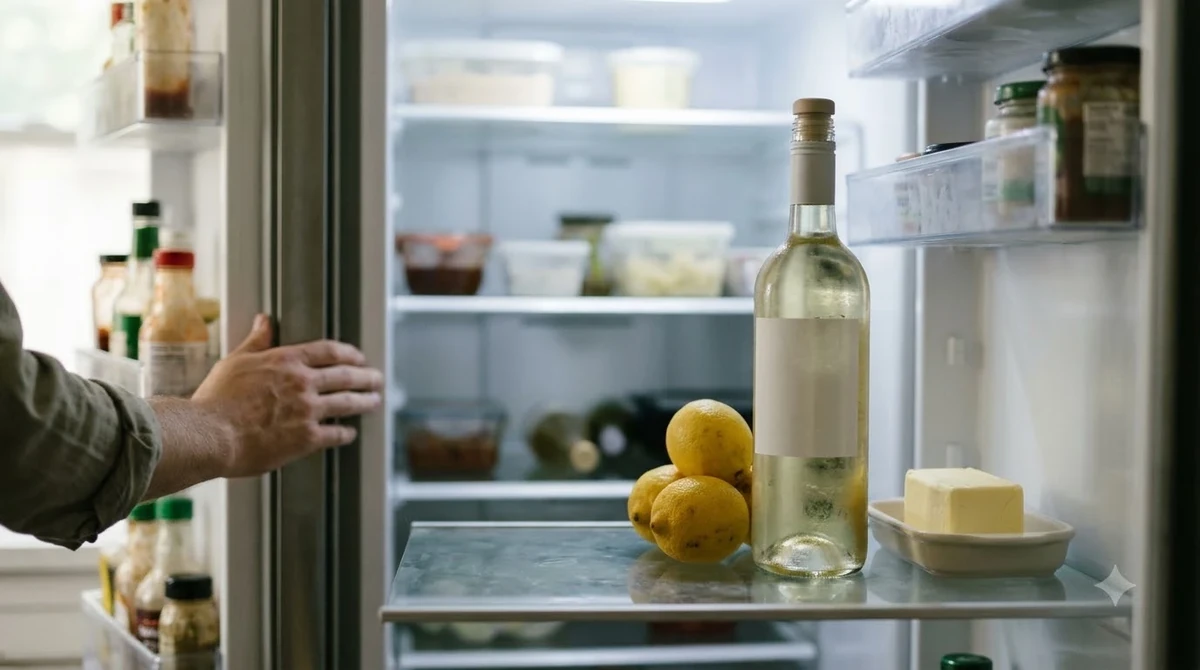
Serve Beringer White Zinfandel chilled at about 45–50°F, and refrigerate an opened bottle with a stopper for roughly 3–5 days. This temperature range keeps a light rosé refreshing while allowing its strawberry, citrus, and melon aromas to remain noticeable rather than muted by excessive cold.
If the bottle is at room temperature, place it in the refrigerator before serving and give it enough time to cool through. A wine thermometer can help, but it is not essential for an ordinary meal. When a bottle becomes very cold, let the glass sit for a few minutes; a little warming can make the fruit aromas easier to recognize. Avoid leaving the bottle on a sunny patio or beside a warm grill, where heat can quickly push it beyond its ideal serving range.
After opening, put the cork or a reusable wine stopper back in place and return the bottle to the refrigerator. Exposure to oxygen gradually changes the wine’s fruit character; refrigeration slows that process but does not stop it. Over the next few days, strawberry and melon notes may become less vivid, and the wine can taste flatter. If the aroma shifts toward bruised apple, vinegar, or stale fruit, its best drinking window has likely passed.
Tip: Chill the bottle before guests arrive, then keep it in the refrigerator between pours. Returning it to the fridge promptly helps preserve its fresh fruit character through the meal.
Food Pairings for a Lightly Sweet Rosé
Beringer White Zinfandel works especially well with lighter appetizers, chicken, fruit salad, and seafood kebabs, where its modest body and gentle sweetness complement rather than overwhelm the food. A useful starting point is to match the wine’s sweetness to the dish and avoid pairing its softer acidity with a sauce that is sharply sour.
For a simple appetizer spread, serve it with mild cheeses, melon, strawberries, salted crackers, and sliced turkey. Goat cheese is a natural option with a sweeter White Zinfandel because its creamy texture and gentle tang balance the wine’s fruit. Mild cheddar or a young mozzarella can also work, while intensely aged cheeses may dominate the wine. A charcuterie board with ham, mild salami, and fresh fruit gives guests several flavor combinations without requiring a complicated menu. For a main course, try grilled chicken, roast turkey, or chicken thighs with a creamy herb sauce. The light body will not overpower poultry, and the wine’s fruit notes can sit comfortably beside browned edges and savory herbs. Keep the sauce moderately rich rather than extremely sharp with vinegar or lemon. Acidic foods need a wine with equal or higher acidity; a very tart dressing can make a softer rosé taste flat by comparison.
Seafood kebabs with shrimp, scallops, or firm white fish are also good candidates, particularly when seasoned with herbs, citrus zest, and a little salt. Salt and a modest amount of fat can soften the perception of bitterness and help a wine feel rounder. Avoid oily fish such as sardines or mackerel when serving a tannic red, but Beringer White Zinfandel has low tannin and a lighter profile; leaner seafood preparations are still the more natural fit. Its slight sweetness can complement mildly spicy dishes, including some Thai or Indian recipes, but keep the chili heat moderate. Alcohol can make chili burn seem more pronounced, so a very hot curry may overwhelm the wine even when sweetness offers some relief. Choose fragrant dishes with coconut, ginger, coriander, or gently warming spices rather than a preparation built around intense heat.
For dessert, select fruit-forward options such as strawberry shortcake, peach slices, or a simple berry tart, and make sure the dessert is no sweeter than the wine. A very sugary cake can make the wine seem sour or thin. The same principle applies to fruit salad: ripe melon, berries, and peach are better partners than sharp green apple dressed with plenty of lemon juice.
Choosing Beringer Alongside Other Bottles
Beringer’s listed 10% ABV gives you a clear baseline for comparing other wines, but the grape, style, and serving size still matter. A White Zinfandel from another producer may sit near the broader 8–10% range, while a chillable red or Pinot Noir can have a different alcohol level, tannin profile, and food role.
When comparing another pink wine, start with the same questions: what is its ABV, how sweet is it, and how much acidity does it have? The internal guide to Franzia White Zinfandel alcohol content is useful for a direct style comparison, because it keeps the focus on another White Zinfandel rather than on a red wine with a shared grape name. Compare equal 5-ounce pours, not a glass at one restaurant with a larger home pour.
A chillable red is a different category. It may be served cool, but it is still a red wine and can carry more tannin and darker fruit than Beringer’s light rosé. The guide to Franzia Chillable Red alcohol content can help frame that distinction. The temperature in the glass does not tell you the alcohol level; a red wine does not automatically become lower in ABV because it is chilled.
Pinot Noir offers another useful contrast. It is usually a light- to medium-bodied red with low-to-medium tannin and higher acidity than many soft rosés, so it can feel fresher and more structured even when the alcohol figures are close. For a bottle-specific comparison, see Meiomi Pinot Noir alcohol content. Look at both the ABV and the wine’s structure rather than choosing by percentage alone. These comparisons are part of a larger exercise in understanding wine brands: the producer name identifies who made the wine, while grape, region, vintage, fermentation choices, and bottling decisions shape what is in the glass. The Wine Brands hub provides a wider starting point for comparing familiar labels. For Beringer White Zinfandel, the most useful shorthand is a California rosé, made from Zinfandel, gently sweet in style, and commonly listed at 10% ABV.
Frequently Asked Questions
Beringer Main & Vine White Zinfandel is generally listed at 10% ABV, and a 750 ml bottle provides about five 5-ounce pours. The answers below cover bottle size, wine style, and practical uses that are not obvious from the alcohol percentage alone.
Does a larger bottle have a higher alcohol percentage?
No. Bottle size changes the total volume of wine, not its ABV. A 1.5 liter bottle at 10% ABV has twice as much wine and roughly twice the total alcohol as a 750 ml bottle at the same percentage, but an equal 5-ounce pour has the same alcohol concentration.
Is Beringer White Zinfandel a sparkling wine?
No. It is sold as a still rosé, not as a sparkling wine made with a dedicated secondary fermentation. A tasting description may mention a faint spritz or slight fizz, but that impression does not make the bottle equivalent to Prosecco, Cava, or Champagne.
Can Beringer White Zinfandel be used in a wine spritzer?
Yes. Pour it over ice and add chilled plain sparkling water, starting with about three parts wine to one part water. The result will be lighter in flavor and lower in alcohol per finished glass than an undiluted pour, although the amount of alcohol originally added remains in the drink.
Does the 10% ABV figure tell me how many calories are in a glass?
No. ABV describes alcohol concentration, not total calories. Residual grape sugar also contributes energy, so two wines at 10% ABV can have different calorie totals if their sweetness and serving sizes differ.
Can I substitute another rosé in a recipe that calls for White Zinfandel?
Usually, a fruit-forward rosé can work, but a very dry substitute will change the balance of the finished dish. For a sauce or fruit punch, taste as you go and adjust sweetness with the recipe’s other ingredients rather than adding sugar automatically.
Beringer White Zinfandel is an approachable choice when you want a chilled, lightly sweet rosé with a relatively modest 10% ABV. Use a measured pour, serve it cool, and pair it with fresh, gently seasoned foods so its berry and melon character stays in balance.
More in Wine Brands
 Underwood Wine Price: Compare Bottles, Cans, and Pack SizesUpdated Nov 21, 2026
 Zenato Wine Price: Compare Styles and Choose the Right BottleUpdated Nov 21, 2026
 Zuccardi Wine Price: Compare Bottles and Find the Right RangeUpdated Nov 21, 2026
 Yellow Tail Moscato Review: Taste, Sweetness and Serving TipsUpdated Nov 21, 2026
 Wolf Blass Yellow Label Review: Choose Your Best StyleUpdated Nov 21, 2026
 Wolffer Estate Rose Review: Choose the Right Bottle for Your TableUpdated Nov 21, 2026