

We may earn a commission when you buy through links on this page, at no extra cost to you. Learn more.
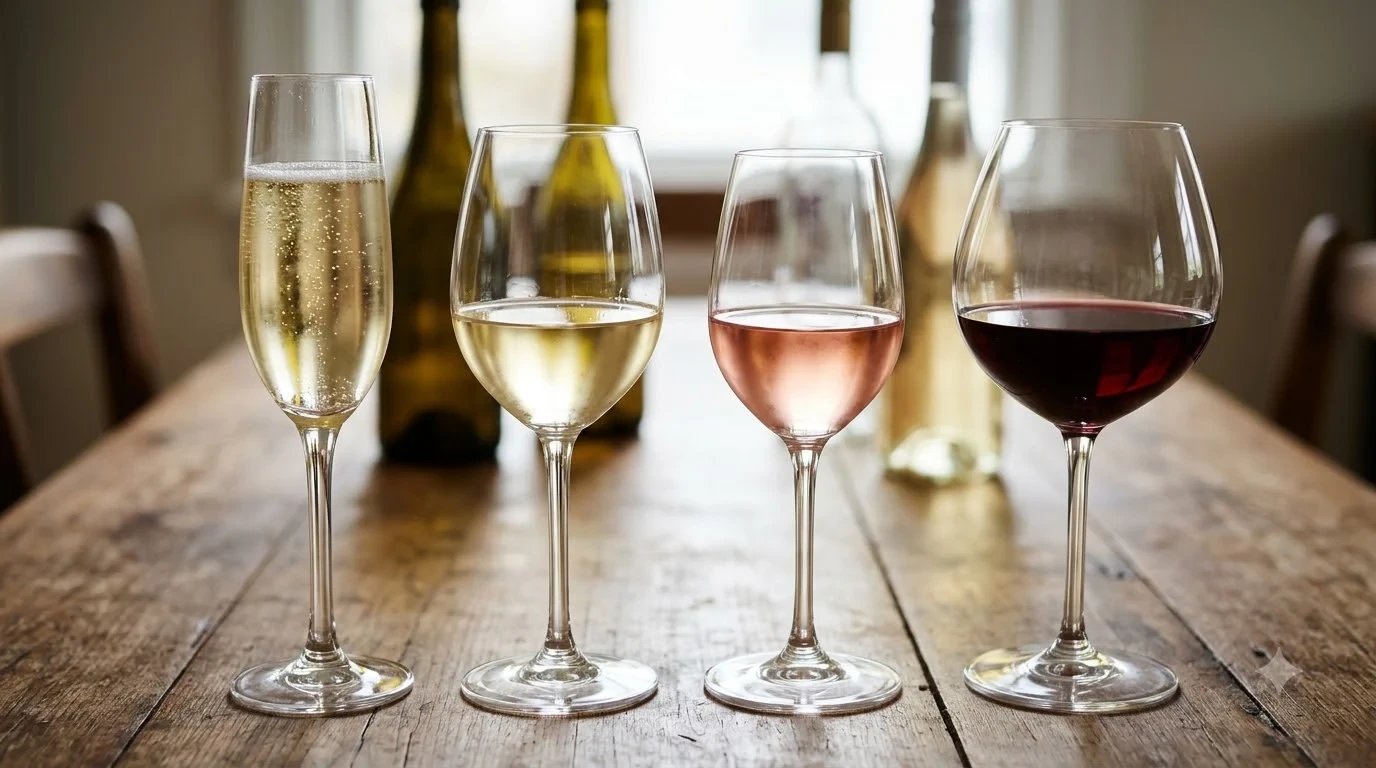
daou white wine includes several styles from Paso Robles, led by Sauvignon Blanc and Chardonnay, with additional white Rhône varieties and blends for more adventurous drinkers. The range moves from citrus-driven and grassy to rounded, tropical and oak-influenced, so the best bottle depends on the texture and food pairing you want. Start with Sauvignon Blanc for a brisk, aromatic pour or Chardonnay for a broader, softer profile. DAOU’s white Rhône-inspired wines offer another direction, built around grapes such as Grenache Blanc, Roussanne and Viognier.
DAOU Family Estates is based in the Adelaida District of Paso Robles on California’s Central Coast. Its white wines make more sense when viewed as a family of grapes and collections rather than as one house style: the familiar Sauvignon Blanc and Chardonnay sit alongside Sémillon and Mediterranean- and Rhône-associated varieties. The following guide explains the main differences, what the tasting notes suggest, how to serve each style and which foods bring out its best qualities.
DAOU White Wine Styles at a Glance
DAOU’s white range covers more than one flavor profile. Sauvignon Blanc and Chardonnay are useful starting points, while the winery’s Rhône-inspired white varieties add floral, textured and sometimes savory dimensions.
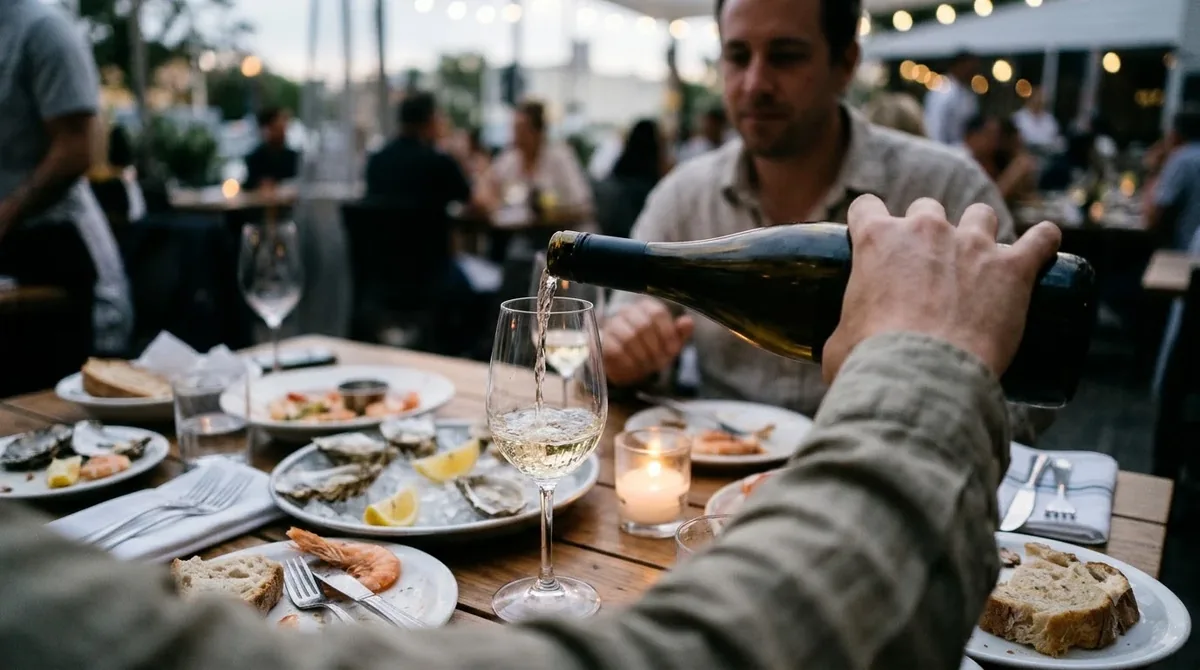
Choose by the experience you want. Sauvignon Blanc is generally the zippiest and most citrus-led option; Chardonnay is broader, with ripe orchard or tropical fruit and possible oak influence. Grenache Blanc, Roussanne, Viognier and Sémillon add floral, textured and savory directions to the range.
The winery’s Chemin collection helps illustrate the Rhône side of the portfolio. DAOU identifies Grenache Blanc with citrus pith, sea air and white pepper; Roussanne with honeysuckle, river stone and beeswax; and Viognier with white peach, thistle and summer hay. These are distinct aromatic directions, not interchangeable names for the same style. A blend such as Chemin de Fleurs brings the varieties together, while the individual grapes can show how each contributes its own character.
Collection names also matter. DAOU says its Reserve wines are sourced from Paso Robles AVAs selected to express each variety, while the broader DAOU and by DAOU collection is sourced from Paso Robles. Estate, Reserve and Patrimony indicate different tiers and sourcing approaches, not simply different grapes. For producer comparisons, the broader Wine Brands coverage can help place DAOU among California wineries with distinct lineups.
Sauvignon Blanc: Citrus, Herbs and Freshness
DAOU Sauvignon Blanc is the clearest choice for drinkers who like fresh citrus, green fruit and an aromatic lift. The profile can include grapefruit, lime, gooseberry, guava and fresh-cut grass, with a crisp finish that suits seafood, vegetables and lighter meals.
DAOU’s description of its 2024 Sauvignon Blanc names grapefruit, guava, gooseberry and star fruit, with lime zest, pear and fresh-cut grass behind them. On the palate, the winery points to honeydew melon, white peach, lemon chiffon and green apple, followed by mineral and passion-fruit accents. The ripe fruit gives it more generosity than a very lean Sauvignon Blanc, while citrus and fresh-herb notes keep it energetic.
Wine Enthusiast’s review of the 2024 bottling gives another useful snapshot: lime blossom, lemon balm, grapefruit peel and red apple on the nose, followed by a peppery entry and flavors of ripe apple, melon and almond. The review lists the wine at 14.1% alcohol by volume in a 750-milliliter bottle and rates it 90 points. Vintage can shift the balance, so use tasting notes as a style guide rather than a promise that every release will be identical. The Wine Enthusiast review of DAOU Sauvignon Blanc is a useful example of how the wine has been described by an independent critic.
Choose this style for goat cheese, shrimp, oysters, grilled zucchini, asparagus, herb-forward salads and simply prepared white fish. Its acidity helps it stand up to vinaigrette and citrus dressings, while its fruit can soften the impression of green vegetables. Avoid serving it warm: a lightly chilled glass keeps the citrus detail lively and prevents the alcohol from seeming more prominent than the fruit.
Chardonnay: Ripe Fruit and a Rounder Texture
DAOU Chardonnay is the broader, more rounded route through the white lineup. Expect a mix of orchard and tropical fruit, a fuller palate than a typical crisp Sauvignon Blanc, and some oak-related nuance in the reviewed bottlings.
Wine Enthusiast’s review of the 2024 DAOU Chardonnay describes mango, honey and gardenia aromas, with a solid palate texture, coconut flake, tropical fruit and a light dusting of toasted oak. The same review lists 14.5% alcohol by volume and a standard 750-milliliter bottle, and awards the wine 91 points. These details suggest a Chardonnay with ripe fruit and noticeable breadth rather than a very lean, mineral style.
That profile makes Chardonnay a natural match for roast chicken, creamy pasta, crab cakes, seared scallops, corn, mushrooms and dishes with browned butter. Its weight meets richer food, while acidity keeps the pairing from feeling heavy. Try roast chicken with thyme or pan-seared halibut with a modest butter sauce.
Harvest conditions, fermentation and oak treatment can shift Chardonnay from richer and toastier to fresher, with citrus and green apple. The same label name across vintages does not guarantee an identical mix of fruit, creaminess or oak. Drinkers who enjoy structured reds such as Antinori red wine may appreciate the contrast of Chardonnay’s rounded texture without tannin, while still finding enough body for a substantial meal.
White Rhône Grapes and the Chemin Collection
DAOU’s Rhône-influenced whites broaden the range beyond the familiar Sauvignon Blanc and Chardonnay choices. Grenache Blanc, Roussanne and Viognier bring different aromatic signatures, and a blend can balance their contrasting strengths.
Grenache Blanc often gives a wine a citrus-led and savory feel, with white pepper or saline impressions rather than only sweet fruit. DAOU’s own description for the variety highlights citrus pith, sea air and white pepper. It pairs well with shellfish, grilled prawns, white beans, fennel or lemon roast chicken, bridging crisp Sauvignon Blanc and fuller whites.
Roussanne leans toward floral and textured notes. DAOU associates it with honeysuckle, river stone and beeswax, a set of descriptors that points to a wine that can feel more layered than a simple citrus white. Try it with roasted poultry, firm white fish, creamy polenta or charred vegetables. Viognier is the more overtly aromatic member of the trio, with DAOU listing white peach, thistle and summer hay; it suits lightly spiced dishes, apricot-glazed chicken and fragrant herbs.
Chemin de Fleurs is the blend to consider when you want the varieties to work together rather than focus on one grape. The DAOU site presents the Chemin collection through Grenache Blanc, Roussanne and Viognier, emphasizing the different aromas each brings to the blend. Use the dish as your guide: citrus and herbs point toward Grenache Blanc, richer textures suit Roussanne, and aromatic fruit can complement Viognier. For another Portuguese white-wine point of comparison, Aveleda wine offers a different regional expression of fresh, food-friendly white wine.
Paso Robles Climate and DAOU’s White-Wine Character
DAOU’s setting helps explain why Paso Robles whites can combine ripe fruit with freshness. The region has pronounced day-to-night temperature shifts, diverse soils and distinct subregions, while DAOU’s estate sits in the western Adelaida District near the Santa Lucia Range.
The Paso Robles Wine Country Alliance describes the AVA as about 35 miles east to west and 25 miles north to south, with its western edge about six miles from the Pacific. It reports more than 40,000 vineyard acres, 200-plus wineries and more than 60 grape varieties, a diversity that prevents one white-wine style from defining the region.
DAOU Family Estates is listed as a 212-acre hilltop estate in the Adelaida District and was founded by brothers Georges and Daniel Daou in 2007. Adelaida’s elevation, coastal influence and soils make it distinct from warmer, flatter parts of the broader appellation. Decanter reports that the district’s closest point is just under 10 kilometers from the coast, that its average annual rainfall is around 635 millimeters, and that vineyards reach up to 670 meters. Its limestone-dominant soils retain water and can help wines preserve freshness and acidity.
These conditions do not dictate one flavor for every bottle. Sauvignon Blanc, Chardonnay and Viognier retain distinct grape identities; vintage, vineyard source and winemaking choices shape the final result. The climate helps explain how ripe fruit and freshness can coexist. For more on the region’s soils, topography and temperature variation, see the Paso Robles Wine Country Alliance’s geography and climate overview.
Serving Temperatures and Food Pairings
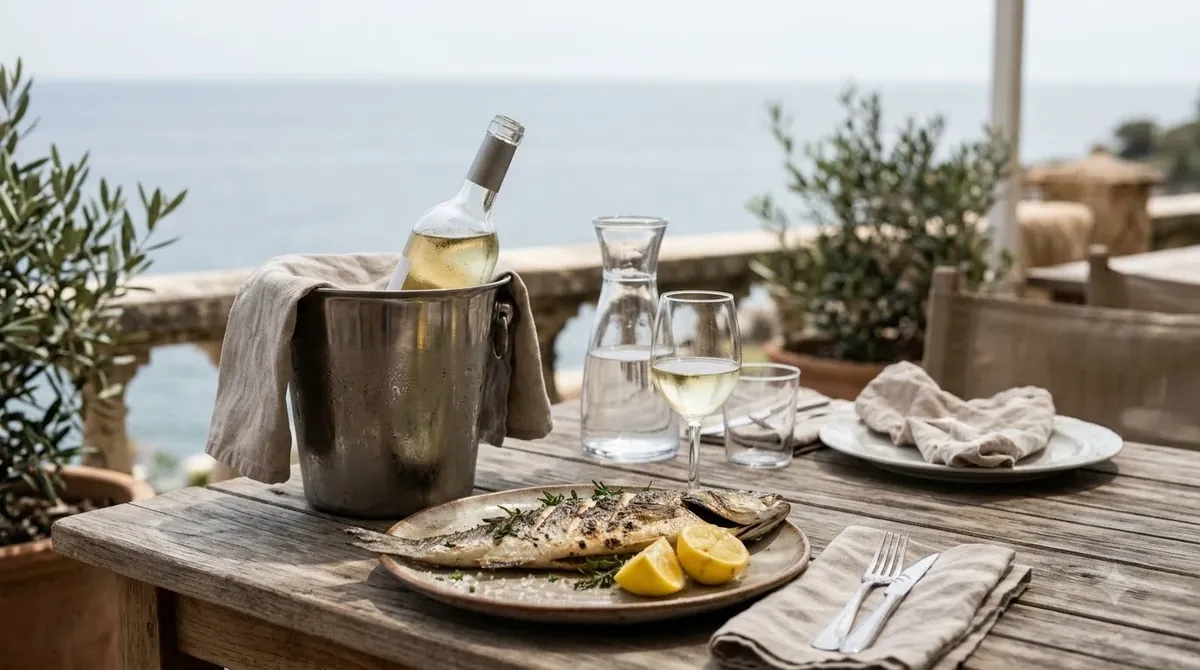
Serve DAOU whites cool enough to emphasize freshness but not so cold that their aromas disappear. A crisp Sauvignon Blanc is usually best at 45–50°F, while richer Chardonnay and fuller Rhône-style whites show more detail around 50–55°F.
Balance weight and acidity. Sauvignon Blanc suits lemon, herbs, goat cheese and green vegetables; Chardonnay has body for cream sauces, poultry and richer seafood; Rhône whites work with aromatic herbs, roasted vegetables and mild spice. With DAOU, match the food’s intensity to the glass rather than automatically choosing the richest wine for the richest dish.
| Style | Serving temperature | Good food matches | Why it works |
|---|---|---|---|
| Sauvignon Blanc | 45–50°F | Oysters, shrimp, goat cheese, asparagus | Citrus and acidity refresh the palate |
| Chardonnay | 50–55°F | Roast chicken, crab, scallops, creamy pasta | Riper fruit and body meet richer textures |
| Grenache Blanc | 50–55°F | Grilled prawns, lemon chicken, fennel | Citrus and savory notes suit herbs and seafood |
| Roussanne or Viognier | 50–55°F | Roasted poultry, firm fish, aromatic herbs | Floral aromas and broader texture suit fuller dishes |
| Standard bottle and pour | 750 ml; 5 oz per glass | About 5 glasses per bottle | A measured pour leaves room for swirling |
| Opened still white wine | Refrigerate after opening | Enjoy within 3–5 days | Cold storage slows the loss of freshness |
Use a stemmed white-wine glass with room for aromas. Pour about 5 ounces; a 750-milliliter bottle yields roughly five servings. When serving several styles, start with Sauvignon Blanc and move to Chardonnay or fuller Rhône whites.
Tip: Take a bottle out of the refrigerator about 5–10 minutes before serving if it feels overly cold. A little warming in the glass can reveal fruit and floral aromas, especially in Chardonnay, Roussanne and Viognier.
Reseal leftovers and return the bottle to the refrigerator. Most opened still wines keep for about 3–5 days when chilled, although delicate aromas can fade before the wine becomes undrinkable.
Frequently Asked Questions
These quick answers cover common buying and serving questions, including bottle size, storage, grape choice and how to read the DAOU range.
Is DAOU white wine sweet or dry?
DAOU’s Sauvignon Blanc and Chardonnay are presented as dry table wines, with fruit aromas that can seem ripe without making the wine sweet. Tropical notes such as mango, guava or melon describe the fruit character, not necessarily residual sugar. The white Rhône varieties also tend to be approached as food wines rather than dessert wines.
Which DAOU white wine is best for someone who dislikes oak?
Start with the regular Sauvignon Blanc rather than assuming every bottle made from that grape is unoaked. DAOU describes its 2025 Estate Collection Sauvignon Blanc as 100% Sauvignon Blanc aged for seven months in French oak, with 50% new barrels. That detail makes the Estate bottling a different choice from the citrus-led profile described for the 2024 DAOU Sauvignon Blanc.
Can DAOU white wine be aged?
Most fresh, fruit-led Sauvignon Blanc is best enjoyed young, while a fuller Chardonnay or a carefully made Roussanne may develop additional savory and nutty notes with time. Aging potential depends on the specific cuvée, vintage, closure and storage conditions rather than the producer name alone. Keep bottles in a dark, stable place near 55°F and away from temperature swings.
What does the term white Rhône-style blend mean?
It refers to a blend built from white grapes associated with France’s Rhône Valley, commonly including varieties such as Grenache Blanc, Roussanne and Viognier. Each grape contributes a different element: citrus and savory notes, texture and floral or stone-fruit aromas. DAOU’s Chemin collection highlights these three varieties as separate expressions within its white-wine family.
How many servings are in a bottle of DAOU white wine?
A standard 750-milliliter bottle contains about 25.4 U.S. fluid ounces. At a 5-ounce pour, that works out to approximately five glasses, with a small remainder. Smaller tasting pours let guests compare Sauvignon Blanc, Chardonnay and a Rhône-style white without committing to a full glass of each.
DAOU’s white wines offer a practical choice between bright Sauvignon Blanc, rounder Chardonnay and more aromatic Rhône varieties. Choose the grape and texture that fit the meal, serve it at the right temperature and keep the bottle chilled after opening. That simple approach makes it easier to enjoy the range for weeknight seafood, roast chicken or a longer dinner with several courses.
More in Wine Brands
 Underwood Wine Price: Compare Bottles, Cans, and Pack SizesUpdated Nov 21, 2026
 Zenato Wine Price: Compare Styles and Choose the Right BottleUpdated Nov 21, 2026
 Zuccardi Wine Price: Compare Bottles and Find the Right RangeUpdated Nov 21, 2026
 Yellow Tail Moscato Review: Taste, Sweetness and Serving TipsUpdated Nov 21, 2026
 Wolf Blass Yellow Label Review: Choose Your Best StyleUpdated Nov 21, 2026
 Wolffer Estate Rose Review: Choose the Right Bottle for Your TableUpdated Nov 21, 2026