

We may earn a commission when you buy through links on this page, at no extra cost to you. Learn more.
If you are wondering what is cotes du rhone, it is a major French wine appellation in the Rhône Valley famous for approachable, fruit-driven red blends led by Grenache, Syrah, and Mourvèdre. Covering roughly 86,000 acres along the Rhône River in southeastern France, it is the country’s second-largest wine region and produces dry reds, crisp rosés, and aromatic whites. Most bottles are made for immediate enjoyment at table, offering ripe berry fruit, cracked pepper, and wild Mediterranean herb notes without heavy oak.
Walking down a wine aisle, you will see “Côtes du Rhône” printed on everything from weeknight French bottles to age-worthy estate releases. Because the name refers to both a vast regional classification and the base tier of a four-level quality pyramid, knowing how the appellation works turns a confusing French label into one of the most reliable picks in Wine by Type.
What it is
Côtes du Rhône is an Appellation d’Origine Contrôlée (AOC) that governs wine production across the Rhône Valley, stretching between Vienne in the north and Avignon in the south. Established in 1937, the regional appellation serves as the foundational tier of the Rhône Valley wine hierarchy and accounts for roughly two-thirds of all wine produced across the valley.
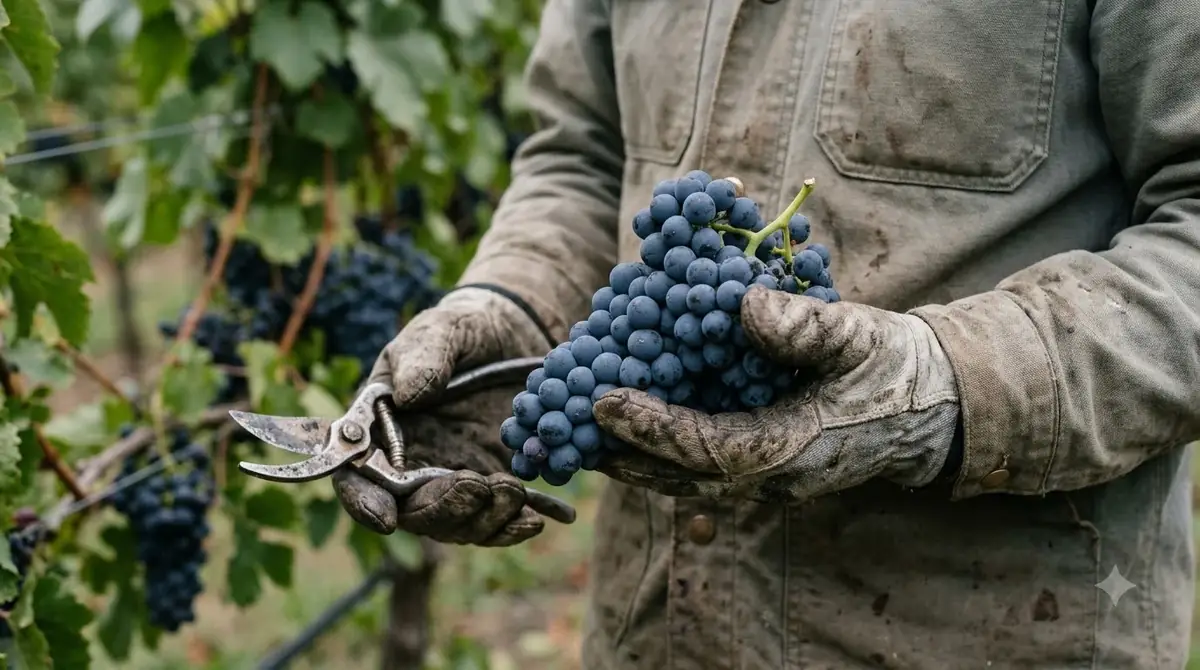
While winemakers in the region are permitted to work with 21 different grape varieties, red blends dominate production, representing roughly 80 percent of the total output. According to Wine Enthusiast, regional rules require red Côtes du Rhône wines to contain a minimum of 50 percent Grenache, at least 20 percent Syrah and/or Mourvèdre, and no more than 20 percent of other authorized varieties. That classic trio—widely nicknamed a GSM blend—gives the wine its signature balance of juicy fruit, spice, and structure.
The Rhône Valley itself is organized into four distinct quality tiers, and the phrasing on the front label tells you which rung a bottle occupies. At the base sits regional Côtes du Rhône AOC, followed by Côtes du Rhône Villages AOC (encompassing 95 communes with stricter yield limits), then Côtes du Rhône (named) Villages AOC where 21 approved villages may print their town name on the label, and finally the 17 top-tier Crus. If you are unsure how to ask for a bottle at a shop or restaurant, see our quick guide on how to pronounce Côtes du Rhône.
Flavor and styles
A typical red Côtes du Rhône is medium- to full-bodied with bright red and dark berry flavors, moderate tannins, and a warm, peppery finish. Unlike heavily oaked New World reds, these wines emphasize pure fruit and regional herbal character rather than vanilla or toast.
Each grape in the GSM blend contributes a specific layer to the glass. Grenache forms the generous core, bringing ripe strawberry, raspberry, and blackcurrant notes alongside warming alcohol. Syrah steps in with deep purple color, floral violet aromatics, and an unmistakable kick of cracked black pepper. Mourvèdre, used in smaller proportions, anchors the blend with firm tannin, dark fruit, and savory, leathery depth.
You will also frequently hear reviewers mention garrigue when describing Southern Rhône reds. Garrigue refers to the wild, resinous scrubland—rosemary, thyme, lavender, and juniper—that blankets the dry limestone hillsides of southern France and imparts a subtle herbal aroma to the grapes. Alongside the signature reds, the appellation produces dry, deep-pink rosés built from Grenache and Cinsault that carry more body than pale Provence styles, as well as rounded, aromatic white blends made from Viognier, Marsanne, Roussanne, Grenache Blanc, and Clairette.
| Wine Style | Primary Grapes | Core Flavor Profile | Typical ABV |
|---|---|---|---|
| Côtes du Rhône Rouge (Red) | Grenache, Syrah, Mourvèdre (plus Cinsault, Carignan) | Ripe strawberry, blackberry, black pepper, garrigue herbs | 13.5% to 14.5% |
| Côtes du Rhône Rosé | Grenache, Cinsault, Syrah | Fresh red berries, stone fruit, crisp dry finish | 12.5% to 13.5% |
| Côtes du Rhône Blanc (White) | Grenache Blanc, Viognier, Marsanne, Roussanne, Clairette | White peach, honeysuckle, pear, subtle minerality | 12.5% to 13.5% |
Where it grows
Côtes du Rhône vineyards straddle both banks of the Rhône River in southeastern France, spanning more than 170 communes between Lyon and the Mediterranean coast. The valley is split into two distinct climatic and geological zones—the Northern Rhône and the Southern Rhône—with the vast majority of regional Côtes du Rhône wine coming from the south.
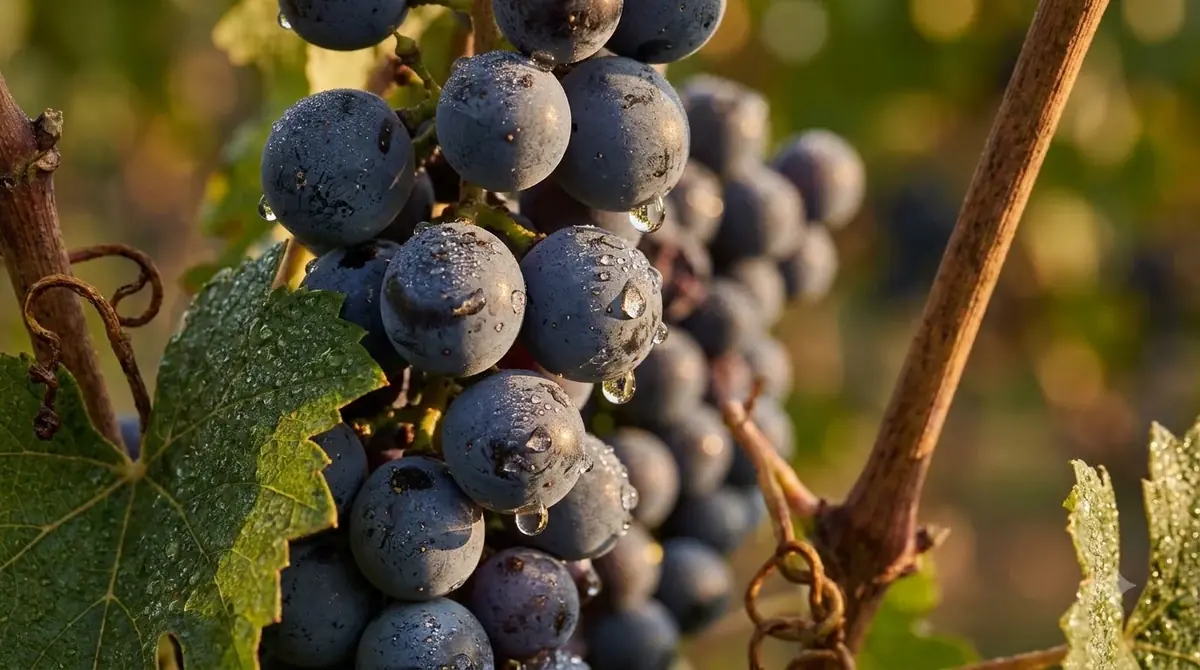
As detailed in the Wine Folly guide to Côtes du Rhône, the narrow Northern Rhône features steep, terraced granite slopes and a continental climate where Syrah is the sole red grape permitted in the famous northern Crus like Côte-Rôtie and Hermitage. Where the valley widens south of Montélimar, the landscape opens into sun-drenched plains and rolling hills shaped by a Mediterranean climate.
Two natural forces define Southern Rhône viticulture: the Mistral wind and galets roulés. The Mistral is a fierce, cold wind that sweeps down the river corridor, drying morning dew off the vines and naturally preventing fungal disease without heavy chemical intervention. Meanwhile, ancient glacier-deposited quartzite river stones known as galets roulés absorb daytime sunlight and radiate warmth back toward the vines after sunset, helping late-ripening grapes like Grenache and Mourvèdre reach full maturity.
How to serve
Serving Côtes du Rhône slightly below standard room temperature keeps the fruit crisp and prevents the alcohol from tasting heavy. Because Grenache naturally produces generous alcohol levels—often between 13.5 and 14.5 percent ABV—pouring a bottle straight from a warm kitchen counter can make the wine feel hot and jammy.
Aim for 57°F to 63°F (14°C to 17°C) for red Côtes du Rhône. Placing the bottle in the refrigerator for 15 to 20 minutes before pulling the cork brings a room-temperature red right into that sweet spot. Serve the wine in a standard tulip-shaped red wine glass with a moderately wide bowl so the pepper and herb aromas have room to collect.
White and rosé Côtes du Rhône shine best at 50°F to 55°F (10°C to 13°C). Because standard household refrigerators sit much colder, pulling whites and rosés out of the fridge roughly 20 minutes before pouring allows their stone fruit and floral notes to open up. Entry-level regional reds rarely require decanting and are meant to be enjoyed within two to four years of the vintage, though pouring a younger Villages or Cru bottling into a decanter 30 minutes prior to dinner softens its tannins.
Tip: Follow the Rhône “20-20 rule” before dinner—put red Côtes du Rhône in the fridge for 20 minutes to cool it down, and take white or rosé Côtes du Rhône out of the fridge 20 minutes early so it is not served ice-cold.
Food pairing
Côtes du Rhône is built for the dinner table, pairing effortlessly with savory, herb-seasoned, and slow-cooked dishes. Its combination of ripe berry fruit, moderate tannin, and natural black pepper spice bridges the gap between lighter poultry and hearty red meats.
Classic Southern French and Mediterranean dishes are natural partners. Roast leg of lamb studded with garlic and rosemary echoes the wine’s garrigue notes, while grilled sausages, pork tenderloin, beef stews, and duck confit match its warm, medium-full weight. On casual nights, a bottle works equally well alongside a charcuterie board, wood-fired pizza, or a smashed cheeseburger.
For plant-based meals, pair red Côtes du Rhône with dishes that bring earthy umami or roasted sweetness, such as wild mushroom risotto, Provençal ratatouille, or lentil stew. If you have a bottle of Côtes du Rhône Blanc or Rosé on hand, match it with grilled shrimp, herb-roasted chicken, ratatouille, or fresh goat cheese.
How to choose a bottle
Reading the front label of a Côtes du Rhône bottle tells you immediately how rich, structured, and age-worthy the wine inside will be. Because the regional appellation spans more than 1,200 wineries, cooperatives, and négociants, knowing a few label cues helps you pick the right style for your meal.
Start by checking the appellation tier. A bottle labeled simply Côtes du Rhône is your go-to choice for a supple, fruit-forward, ready-to-drink wine. Stepping up to Côtes du Rhône Villages signals stricter vineyard regulations, lower grape yields, and slightly higher concentration. If you see a specific village name printed after Villages—such as Cairanne, Séguret, Sablet, Plan de Dieu, or Valréas—you are getting a wine from a recognized microclimate with deeper structure and five to eight years of aging potential.
You can also look for trusted regional producers on the label. Long-standing estates and négociants like E. Guigal, Famille Perrin, M. Chapoutier, and Vidal-Fleury consistently bottle benchmark regional reds, whites, and rosés. And if you want to explore the pinnacle of the Southern Rhône pyramid, look toward the famous Cru appellations—learn more in our guide on what is Châteauneuf-du-Pape.
Frequently Asked Questions
Is Côtes du Rhône a sweet or dry wine?
Côtes du Rhône is a dry wine across its red, white, and rosé styles. While the ripe raspberry and strawberry flavors of Grenache can give the wine a lush, fruity impression on the mid-palate, fermentation converts the grape sugars into alcohol, leaving virtually no residual sweetness.
Is Côtes du Rhône a grape variety or a region?
Côtes du Rhône is a geographic wine region and official French appellation (AOC) in the Rhône Valley, not a single grape. Wines carrying the name are typically blends made from several authorized grapes, led by Grenache, Syrah, and Mourvèdre for reds and Grenache Blanc, Viognier, Marsanne, and Roussanne for whites.
How does Côtes du Rhône compare to Pinot Noir or Cabernet Sauvignon?
Côtes du Rhône sits right between Pinot Noir and Cabernet Sauvignon in weight and structure. It has more body, alcohol, and warm spice than a typical Pinot Noir—if you track macros, you can also check our breakdown of Pinot Noir carbs—yet its tannins are softer and less astringent than Cabernet Sauvignon, making it smoother to drink without heavy steakhouse fare.
How long can you keep an unopened bottle of Côtes du Rhône?
Standard regional Côtes du Rhône reds, whites, and rosés are crafted for freshness and taste best within two to four years of the vintage date on the label. Higher-tier Côtes du Rhône Villages and named-village bottlings have denser tannins and acidity that allow them to age gracefully for five to eight years.
Whether you are pouring a slightly chilled red alongside a weeknight roast or uncorking a crisp white blend for seafood, Côtes du Rhône delivers classic French character without pretension. Keep an eye on the appellation tier on the front label, give the bottle 20 minutes in the fridge before serving, and you will see why these Rhône Valley blends remain a staple on dinner tables worldwide.
More in Wine Types & Grapes
 Zinfandel Sugar Content: Dry Red vs. White Zinfandel GramsUpdated Nov 21, 2026
 Best Zinfandel Substitute Options for Sipping and CookingUpdated Nov 21, 2026
 Zweigelt Food Pairing: Best Dishes, Cheeses, and Serving TipsUpdated Nov 21, 2026
 Zinfandel Tannins Explained: How Structure Shapes Every BottleUpdated Nov 21, 2026
 Zinfandel Sweetness Level: Dry Red vs. Sweet White Zin ExplainedUpdated Nov 21, 2026
 Xinomavro Food Pairing: Best Dishes, Styles, and Serving TipsUpdated Nov 21, 2026