

We may earn a commission when you buy through links on this page, at no extra cost to you. Learn more.
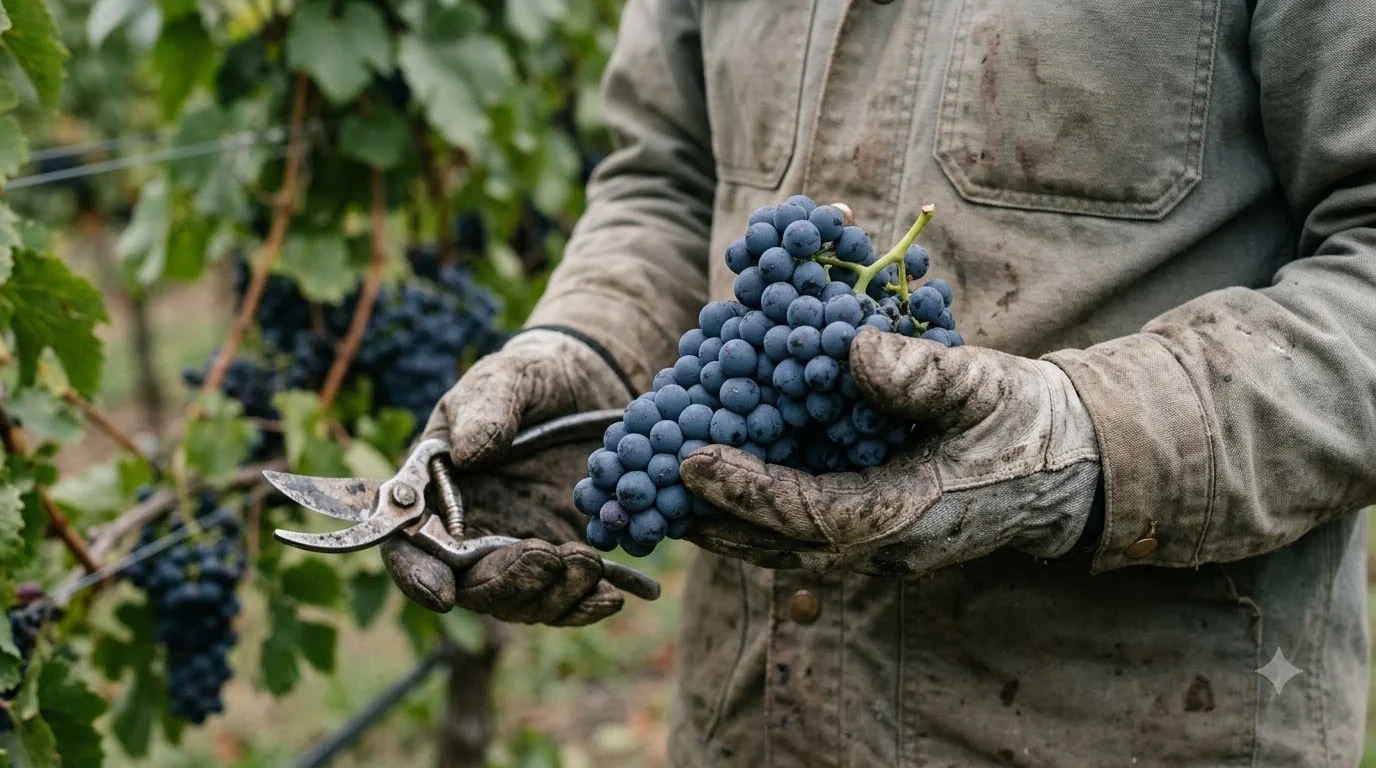
The st laurent grape is a dark-skinned, aromatic red wine variety closely related to Pinot Noir and celebrated primarily in Austria. Often called Sankt Laurent or Svatovavřinecké, it produces velvety, medium-bodied wines filled with morello cherry, dark berry, violet, and earthy spice notes. While notoriously finicky to cultivate in the vineyard, it rewards careful growers with silky tannins, lively acidity, and notable aging potential.
If you enjoy the grace of Pinot Noir yet crave slightly deeper color, firmer structure, and a touch of wild forest-floor spice, this Central European native belongs on your radar. Despite accounting for just over one percent of Austria’s vineyard area, it has earned a devoted following among sommeliers and curious collectors exploring Wine by Type.
What It Is
The st laurent grape is an indigenous Central European red variety widely considered a natural seedling or direct offspring of Pinot Noir. Ampelographers and grape geneticists place its likely birthplace in Lower Austria, where its early cultivation was nurtured by the historic monastery of Stift Klosterneuburg.
Its name traces back to St. Lawrence’s Day on August 10, the traditional date in Central Europe when the oval, bluish-black berries begin veraison and turn color on the vine. Because of its close genetic kinship with the Burgundian family, it is occasionally referred to by the German synonym Pinot St. Laurent. In the neighboring Czech Republic, where it actually represents the most widely planted red wine grape, growers know it as Svatovavřinecké.
St. Laurent also plays a pivotal role in modern Austrian wine history as one of the two parents of Zweigelt. In 1922, researcher Fritz Zweigelt crossed St. Laurent with Blaufränkisch to create a hardier, higher-yielding red grape. While Zweigelt went on to become Austria’s most planted red variety, St. Laurent remained the temperamental, low-yielding parent prized by quality-focused estates.
In the vineyard, growers frequently describe St. Laurent as demanding and unpredictable. The vines bud relatively early, leaving them vulnerable to spring frosts, and they are notoriously sensitive during the flowering period. Poor weather during bloom can cause uneven berry set and erratic, low yields, requiring deep-rooting soils and attentive canopy management to achieve full ripeness.
Flavor and Styles
In the glass, St. Laurent balances cool-climate freshness with plush, dark-fruited generosity and velvety tannins. Rather than relying on heavy extraction or high alcohol, the variety expresses its character through vibrant aromatics, savory earthiness, and a supple mid-palate.
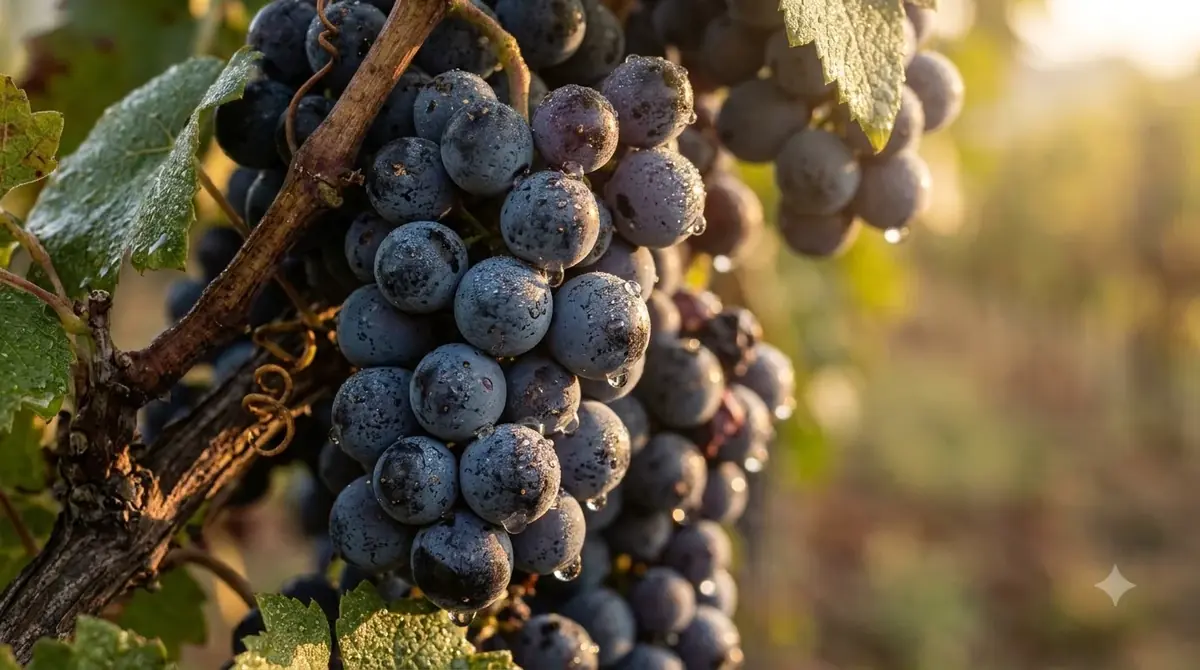
Aromatically, the signature hallmark of the variety is ripe morello cherry and tart sour cherry, often layered with wild raspberry, blackberry, and a distinct floral lift of dried violets. As the wine opens up in the glass, subtle background notes of black pepper, cocoa, roasted coffee, and forest undergrowth emerge. According to Austrian Wine, well-grown St. Laurent consistently delivers dark, dense, and fruit-driven reds that store gracefully over time.
Winemakers typically vinify the grape in one of two distinct dry red styles depending on vineyard site and intent. Younger, village-level bottlings are often fermented and aged in stainless steel or large, neutral wooden casks to preserve their pure cherry perfume, crisp acidity, and juicy drinkability. Single-vineyard reserve wines, by contrast, frequently spend time in smaller French or Austrian oak barriques, gaining spicy toast nuances, broader texture, and enough structural grip to mature for a decade or more.
Beyond classic dry still reds, adventurous producers have discovered how adaptable the variety can be. Because St. Laurent retains brisk natural acidity and rarely accumulates excessive sugar, natural alcohol levels typically sit around 12.5 to 13.5 percent. This bright core makes it an appealing base for dry rosé as well as crisp, traditional-method and pétillant-naturel sparkling wines in both Europe and North America.
| Attribute | St. Laurent | Pinot Noir | Blaufränkisch |
|---|---|---|---|
| Primary Fruit | Morello cherry, blackberry, raspberry | Red cherry, cranberry, strawberry | Blackberry, dark plum, sour cherry |
| Body & Weight | Medium to medium-full | Light to medium | Medium-full to full |
| Tannin Profile | Velvety, moderate, supple | Silky, light to moderate | Firm, structured, grippy |
| Acidity | Medium-high, fresh | High, bright | High, zesty |
| Signature Spice | Violet, undergrowth, cocoa | Clove, mushroom, forest floor | Black pepper, crushed rock |
Where It Grows
Austria serves as the spiritual and qualitative heartland of St. Laurent, even though the grape covers roughly 588 hectares—about 1.3 percent of the nation’s total vineyard area. Within Austria, plantings are concentrated almost evenly between two primary regions: Burgenland and Niederösterreich (Lower Austria).
In Niederösterreich, the grape reaches benchmark status in the Thermenregion, a warm, sun-drenched strip south of Vienna. Here, limestone-rich calcareous clay and alluvial gravel soils encourage deep root systems, yielding wines with taut mineral tension, aromatic lift, and refined structure. Further north in Lower Austria, single-vineyard sites on gravelly terraces around Kamptal also produce focused, age-worthy examples.
Across the border in northern Burgenland, particularly around the shallow, heat-retaining waters of Lake Neusiedl (Neusiedlersee), the climate turns warmer and more continental. St. Laurent grown on these sandy, loamy, and gravelly plains ripens into riper, darker, and more plushly textured wines with generous berry concentration. Outside Austria, the Czech Republic maintains substantial acreage in Moravia, while German growers in the Pfalz and Rheinhessen cultivate smaller parcels that lean toward a lighter, fruit-forward profile.
Small, dedicated pockets of St. Laurent have also taken root in North America, where cool-climate vintners appreciate its early ripening window. Producers in California’s Carneros appellation, Oregon’s Willamette Valley, and British Columbia’s Okanagan Valley craft limited-production bottlings that highlight the grape’s bright acidity and spicy red-berry charm, standing alongside other fascinating niche varieties like the baga grape.
How to Serve
Serving St. Laurent slightly cooler than standard room temperature highlights its vibrant cherry aromatics and keeps its velvety texture feeling fresh rather than heavy. Aim for a serving window between 58°F and 62°F (14°C to 16°C), which sits right at cellar temperature.
A brief twenty-minute chill in the refrigerator before pulling the cork brings out the wine’s lifted violet fragrance and crisp natural acidity. For lighter, unoaked bottlings intended for warm-weather drinking, serving them even a couple of degrees cooler enhances their juicy, refreshing snap without making the moderate tannins feel astringent.
Glassware and aeration also make a noticeable difference in how the wine unfolds. Pour St. Laurent into a wide-bowled Burgundy glass so the broad surface area can capture and concentrate its delicate floral and spice aromas. While youthful, steel-aged bottles are ready to pour straight from the bottle, single-vineyard reserve bottlings benefit from thirty to sixty minutes in a decanter to soften their oak spice and release deeper earthy complexity.
Tip: Chill your bottle of St. Laurent in the fridge for 20 minutes before pouring so its bright cherry fruit and floral aromatics shine without feeling heavy.
Food Pairing
Thanks to its lively acidity, moderate alcohol, and supple tannins, St. Laurent ranks among the most versatile red wines at the dinner table. It bridges the gap between seafood-friendly light reds and richer, meat-focused bottles, making it a reliable choice when a meal features multiple flavors.
Earthy and savory dishes bring out the grape’s Burgundian side effortlessly. Roasted duck breast, crispy pork belly, braised rabbit, and herb-crusted rack of lamb mirror the wine’s natural savoriness while the bright acidity cuts cleanly through rich fat. Vegetarian dishes built around wild mushrooms, truffle oil, roasted beets, or lentil stews echo the wine’s forest-floor and undergrowth notes.
Because St. Laurent avoids aggressive, drying tannins, it also handles lightly spiced and seared dishes that overwhelm bolder reds. Try pairing a slightly chilled bottle with cedar-plank grilled salmon, seared tuna, charcuterie boards, or roast poultry glazed with five-spice or tart cherry reductions. Reviewers at Wine Enthusiast note that mature examples develop a rounded, sinuous elegance that pairs smoothly with refined, savory cuisine.
How to Choose a Bottle
Shopping for St. Laurent becomes much easier once you learn how to read a few key cues on the front label. Because Austrian wine labels emphasize origin and ripeness style, checking the region and vineyard tier tells you immediately what style awaits inside the bottle.
Start by looking at the regional designation on Austrian bottles. A bottle labeled Thermenregion or Niederösterreich generally promises brighter acidity, linear minerality, and crunchy red-to-black cherry fruit. If the label reads Burgenland or Neusiedlersee, expect a riper, darker, and slightly fuller-bodied wine with plush dark berry flavors and softer acidity.
Next, check for quality and aging indicators that signal oak influence and structure:
- Klassik or Village Bottlings: Usually aged in stainless steel or large neutral casks, these bottles emphasize fresh fruit, floral lift, and immediate drinkability within two to four years of vintage.
- Reserve or Alte Reben (Old Vines): Harvested from lower-yielding parcels and aged longer in oak barrels, these wines offer deeper spice, firmer tannins, and five to fifteen years of cellar potential.
- Ried (Single Vineyard): The word “Ried” followed by a specific vineyard name indicates a single-site wine crafted to express distinct local soil character.
If you enjoy discovering distinctive European white grapes such as the carricante grape or the godello grape, seeking out a single-vineyard Austrian St. Laurent is a rewarding next step for your red wine rotation.
Frequently Asked Questions
Is St. Laurent related to Pinot Noir?
Yes, DNA profiling indicates that St. Laurent is a direct offspring or natural seedling of Pinot Noir, though its second parent remains unknown. It shares Pinot Noir’s silky texture, aromatic elegance, and cool-climate sensitivity, while offering deeper color and darker fruit notes.
Is St. Laurent wine dry or sweet?
St. Laurent is almost always vinified as a completely dry red wine. Any impression of sweetness on the palate comes from ripe morello cherry fruit and warm oak spice rather than residual sugar, though rare sweet and rosé versions exist.
How long can you age a bottle of St. Laurent?
Unoaked, fruit-forward bottlings are best enjoyed within two to four years of the harvest to capture their vibrant cherry and violet freshness. Structured Reserve and single-vineyard examples aged in oak can evolve gracefully for eight to fifteen years, developing complex leather and forest-floor aromas.
What does St. Laurent taste like compared to Zweigelt?
Although St. Laurent is a parent of Zweigelt, it typically produces darker, more structured, and more aromatic wines. While Zweigelt leans toward bright, easy-drinking red cherry juiciness, St. Laurent brings firmer tannins, deeper black-berry concentration, and distinct violet and earthy spice complexity.
Exploring the st laurent grape opens the door to one of Central Europe’s most expressive and food-friendly red wines. Whether you pour a lightly chilled village bottling alongside weeknight roast chicken or decant a single-vineyard reserve for a special dinner, this Pinot Noir relative delivers unmistakable character in every glass.
More in Wine Types & Grapes
 Zinfandel Sugar Content: Dry Red vs. White Zinfandel GramsUpdated Nov 21, 2026
 Best Zinfandel Substitute Options for Sipping and CookingUpdated Nov 21, 2026
 Zweigelt Food Pairing: Best Dishes, Cheeses, and Serving TipsUpdated Nov 21, 2026
 Zinfandel Tannins Explained: How Structure Shapes Every BottleUpdated Nov 21, 2026
 Zinfandel Sweetness Level: Dry Red vs. Sweet White Zin ExplainedUpdated Nov 21, 2026
 Xinomavro Food Pairing: Best Dishes, Styles, and Serving TipsUpdated Nov 21, 2026