

We may earn a commission when you buy through links on this page, at no extra cost to you. Learn more.
Knowing how to serve chardonnay comes down to chilling the bottle to 45–55°F (7–13°C) and pouring a 5-ounce serving into a wide-bowled glass. Unoaked and crisp styles show their bright citrus acidity best near 45–50°F, whereas rich, oak-aged expressions open up around 50–55°F. Avoiding a refrigerator-cold chill keeps delicate orchard fruit and toasted oak aromas from turning mute at the table.
Chardonnay changes personality more dramatically with temperature and stemware than almost any other white grape. Whether you are pouring a mineral-driven Chablis or a creamy California bottling, a few simple adjustments in chilling time, glass shape, and aeration bring out the wine’s natural balance.
Ideal Serving Temperature by Chardonnay Style
Most chardonnay tastes best between 45°F and 55°F (7°C and 13°C), with lighter, unoaked bottles served cooler and fuller, oak-aged bottles served warmer. Serving a bottle outside this window throws off the relationship between acidity, fruit, and alcohol.
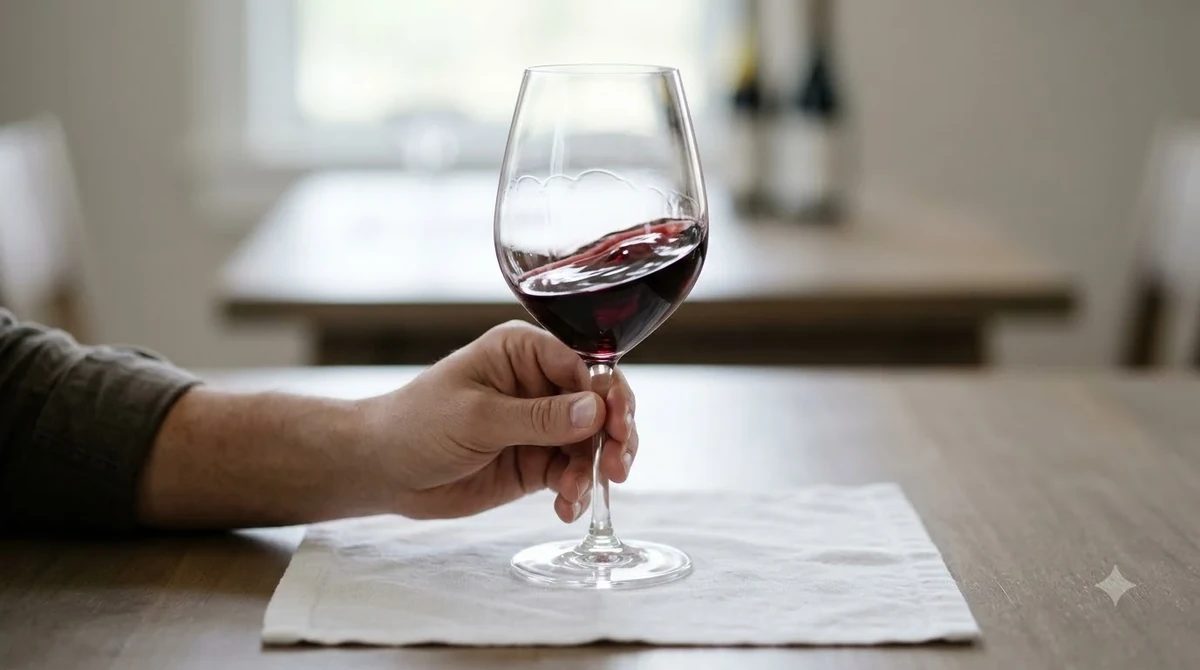
According to Wine Enthusiast, chilling chardonnay to 50–55°F takes roughly two hours in a standard kitchen refrigerator or 30 to 40 minutes in an ice-and-water bath. Standard home refrigerators run closer to 37–40°F, so leaving a bottle inside overnight makes the wine too cold for immediate pouring. When a white wine is over-chilled, cold temperatures suppress volatile aroma compounds, leaving even complex bottles tasting flat and overly tart.
On the other end of the spectrum, letting chardonnay sit at a 70°F room temperature causes ethanol to evaporate faster, making the wine smell hot and taste heavy or flabby. If you pull a bottle straight from the fridge, let it rest on the counter for 15 to 20 minutes before pouring, or warm the bowl gently in your hands for a minute after swirling. You can explore more regional differences in our guide to where chardonnay is from.
| Chardonnay Style | Ideal Temperature | Fridge Time (from 72°F) | Key Flavor Focus |
|---|---|---|---|
| Sparkling Blanc de Blancs | 38–45°F (3–7°C) | Up to 2 hours | Preserves fine bubbles and crisp lemon zest |
| Crisp, Unoaked (e.g., Chablis) | 45–50°F (7–10°C) | 1.5 to 2 hours | Highlights green apple, wet stone, and bright acidity |
| Medium-Bodied / Lightly Oaked | 48–52°F (9–11°C) | 1 to 1.5 hours | Balances fresh stone fruit with subtle creaminess |
| Full-Bodied, Barrel-Aged | 50–55°F (10–13°C) | 1 hour | Releases vanilla, baked pear, and toasted brioche notes |
Choosing the Right Glassware
A stemmed glass with a broad, rounded bowl and a slightly tapered rim is the best vessel for chardonnay because it gives complex aromas room to collect while directing the wine across the center of the palate. While a universal white wine glass works well for leaner styles, fuller-bodied bottles benefit from extra surface area.
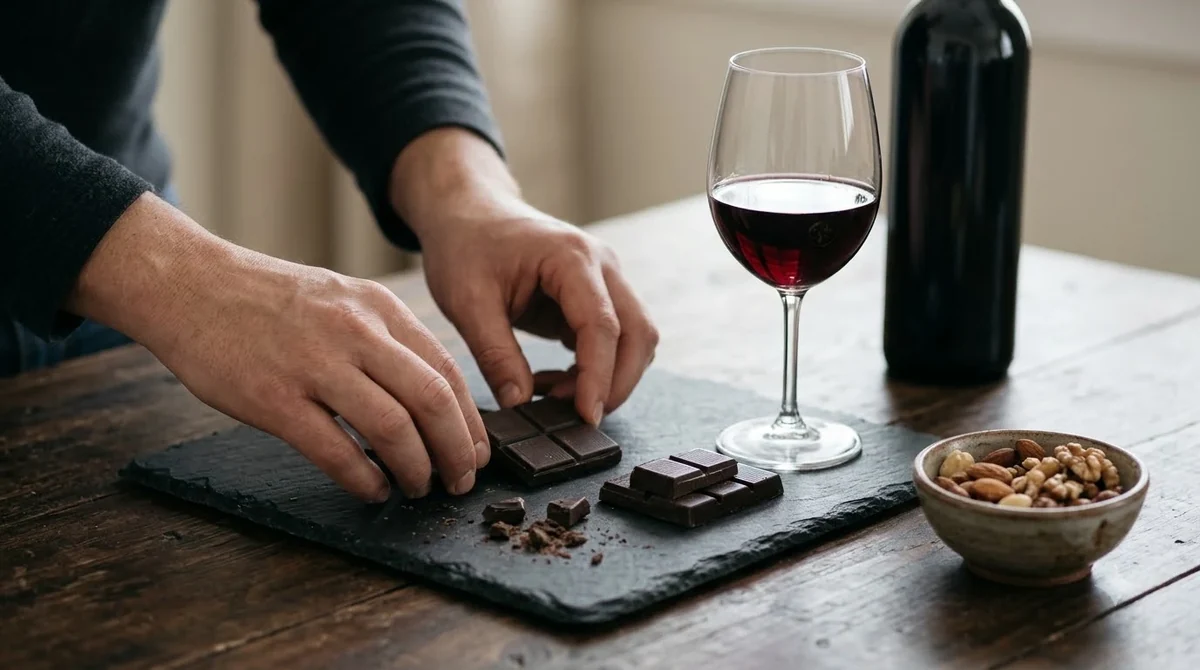
Educators at Wine Folly classify the ideal chardonnay glass as an aroma collector, featuring a wider bowl than a standard Sauvignon Blanc glass. That broader diameter exposes more of the wine to oxygen as you swirl, helping layered notes of Meyer lemon, hazelnut, and oak spice rise toward the rim. A wider rim also guides the liquid evenly across the sides and middle of your tongue, preventing the wine’s richness or acidity from hitting one spot too sharply.
Always hold your glass by the stem or base rather than cupping the bowl. Human body heat warms chilled white wine quickly, pushing a 50°F pour past its sweet spot within minutes. If you do not own dedicated chardonnay stemware, a clean, clear all-purpose wine glass—or even a medium-sized Pinot Noir bowl for rich white Burgundy—will outperform a narrow flute or thick-rimmed tumbler.
Tip: Need to chill a warm bottle fast? Submerge it up to the neck in a bucket filled with equal parts ice and cold water, then stir in a handful of kosher salt to drop the temperature into the low 50s in about 20 minutes.
Pour Size, Opening, and Decanting
A standard 750-milliliter bottle of chardonnay yields five 5-ounce (150-milliliter) pours, leaving generous headspace in a 17- to 25-ounce glass for swirling. Most chardonnay does not require decanting, though young, tightly wound, or heavily oaked bottles can benefit from brief aeration.
When opening a bottle sealed with natural cork, cut the foil cleanly beneath the bottom lip of the bottle neck to prevent stray drips from touching the foil as you pour. Insert the corkscrew worm slightly off-center and stop about one turn short of piercing the bottom of the cork so tiny cork fragments do not drop into the wine. If your bottle uses a screw cap, twist the base sleeve rather than the top cap for a smooth, quiet release.
Although Wine Folly notes that decanting is generally unnecessary for everyday chardonnay, exceptions exist for structured, cool-climate white Burgundy or youthful barrel-fermented bottles that smell slightly closed or flinty right after opening. Pouring a tight bottle into a decanter for 15 to 30 minutes softens sharp edges and allows muted fruit notes to emerge. For sparkling styles, follow the same gentle chilling and glassware principles covered in our guide on how to serve champagne.
Food Pairing at the Table
Chardonnay’s versatility at the dinner table depends on matching the weight and oak level of the wine to the richness and cooking method of your dish. Crisp, high-acid bottles cut through salty, briny foods, while creamy, barrel-aged bottles mirror butter, cream, and roasted flavors.
Unoaked chardonnay pairs naturally with raw oysters, steamed mussels, goat cheese salads, and flaky white fish finished with lemon and herbs. Its brisk acidity acts like a squeeze of fresh citrus, refreshing the palate between bites without overpowering delicate seafood. If you are comparing lighter white and red dinner options across wine types, crisp chardonnay sits right alongside Sauvignon Blanc and Pinot Grigio as a reliable warm-weather aperitif.
Full-bodied, malolactic-fermented chardonnay—known for its smooth, buttery texture—thrives alongside roast chicken, lobster with drawn butter, pork tenderloin, and cream-based pasta dishes like fettuccine Alfredo. Avoid pairing heavily oaked chardonnay with fiery chili heat or sharp vinegar dressings, as high alcohol amplifies spice burn and sharp acids make oak tannins taste bitter.
Storing and Preserving an Opened Bottle
An opened bottle of chardonnay stays fresh in the refrigerator for two to four days when tightly resealed to limit oxygen exposure. Cold storage slows down oxidation, preserving bright fruit flavors and preventing the wine from turning flat or nutty.
As soon as you finish pouring for the evening, push the original cork back into the neck—or use an airtight rubber wine stopper—and place the bottle upright in the fridge. Storing the bottle vertically minimizes the surface area of wine exposed to air inside the bottle, which reduces the rate of spoilage compared to laying it on its side.
If you routinely drink only a glass or two at a time, consider using a vacuum pump stopper or an inert gas preservation spray before refrigerating. When you are ready for a second night’s glass, take the bottle out of the refrigerator 15 minutes ahead of time so it warms back up to the 48–55°F serving zone. Unopened bottles should stay in a dark, cool spot away from kitchen ovens and direct sunlight, ideally around 55°F for multi-year cellaring.
Frequently Asked Questions
Should you put ice cubes in chardonnay?
Putting ice cubes directly into chardonnay dilutes the wine’s flavor, aroma, and body as the ice melts. If a bottle is too warm, chill it in an ice-and-water bucket for 20 to 30 minutes, or drop in frozen grapes or stainless-steel wine chilling stones that cool the liquid without watering it down.
How long should chardonnay chill in the fridge before serving?
A room-temperature bottle of chardonnay needs about one hour in the refrigerator to reach 50–55°F for oak-aged styles, or up to two hours to reach 45–50°F for crisp, unoaked bottles. If you leave it in the fridge overnight, let the bottle rest on the counter for 15 to 20 minutes before serving so the cold does not mute its aromas.
Do you need a special glass to serve chardonnay?
You do not strictly need a specialized glass, as any clean, stemmed all-purpose wine glass works well for casual enjoyment. However, a glass with a wider bowl and slightly tapered rim allows rich, barrel-aged chardonnay to aerate properly and concentrates complex orchard fruit and oak aromas toward your nose.
Can you serve chardonnay at room temperature?
Modern room temperature—typically 68–72°F—is too warm for chardonnay because heat accelerates alcohol evaporation and makes the wine taste flat, heavy, and overly alcoholic. Even the richest, oldest white Burgundy tastes markedly cleaner and better balanced when lightly chilled to around 55°F.
Mastering how to serve chardonnay requires nothing more than a modest chill, a wide-bowled glass, and attention to the style in your bottle. Give crisp, unoaked pours a colder edge around 45–50°F, let barrel-aged favorites open up near 50–55°F, and hold the glass by its stem so every sip stays balanced from the first pour to the last.
More in Wine Types & Grapes
 Zinfandel Sugar Content: Dry Red vs. White Zinfandel GramsUpdated Nov 21, 2026
 Best Zinfandel Substitute Options for Sipping and CookingUpdated Nov 21, 2026
 Zweigelt Food Pairing: Best Dishes, Cheeses, and Serving TipsUpdated Nov 21, 2026
 Zinfandel Tannins Explained: How Structure Shapes Every BottleUpdated Nov 21, 2026
 Zinfandel Sweetness Level: Dry Red vs. Sweet White Zin ExplainedUpdated Nov 21, 2026
 Xinomavro Food Pairing: Best Dishes, Styles, and Serving TipsUpdated Nov 21, 2026